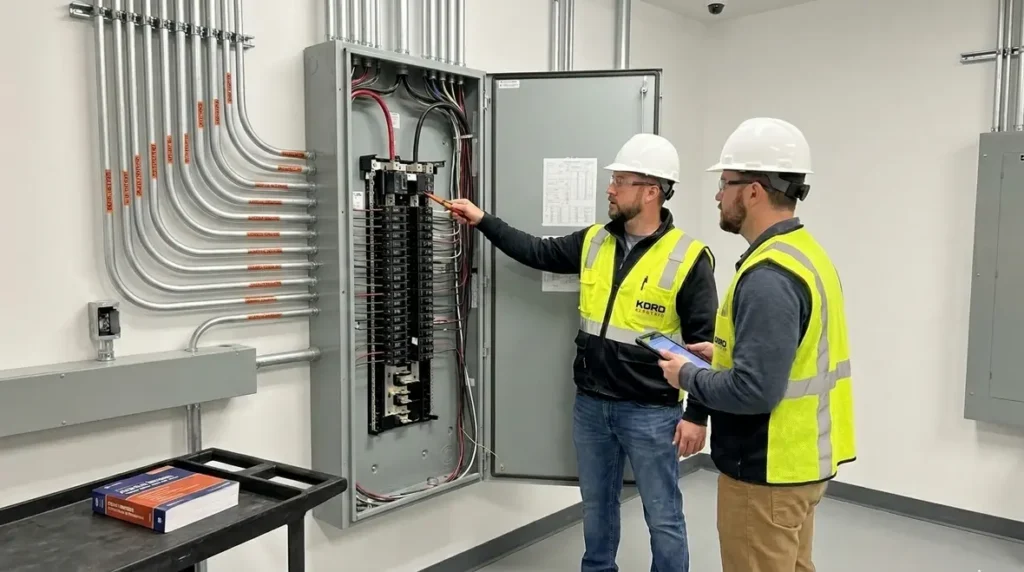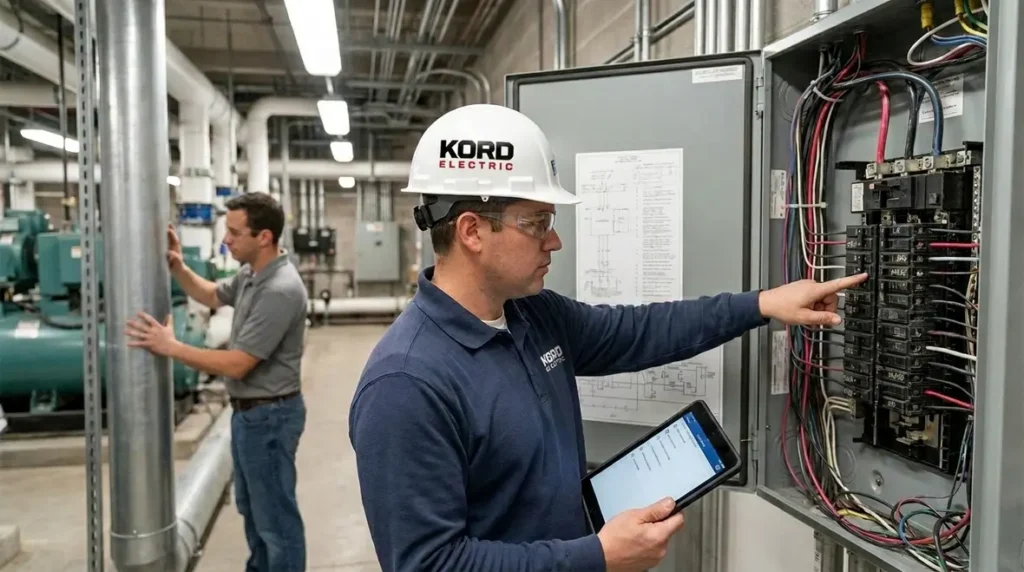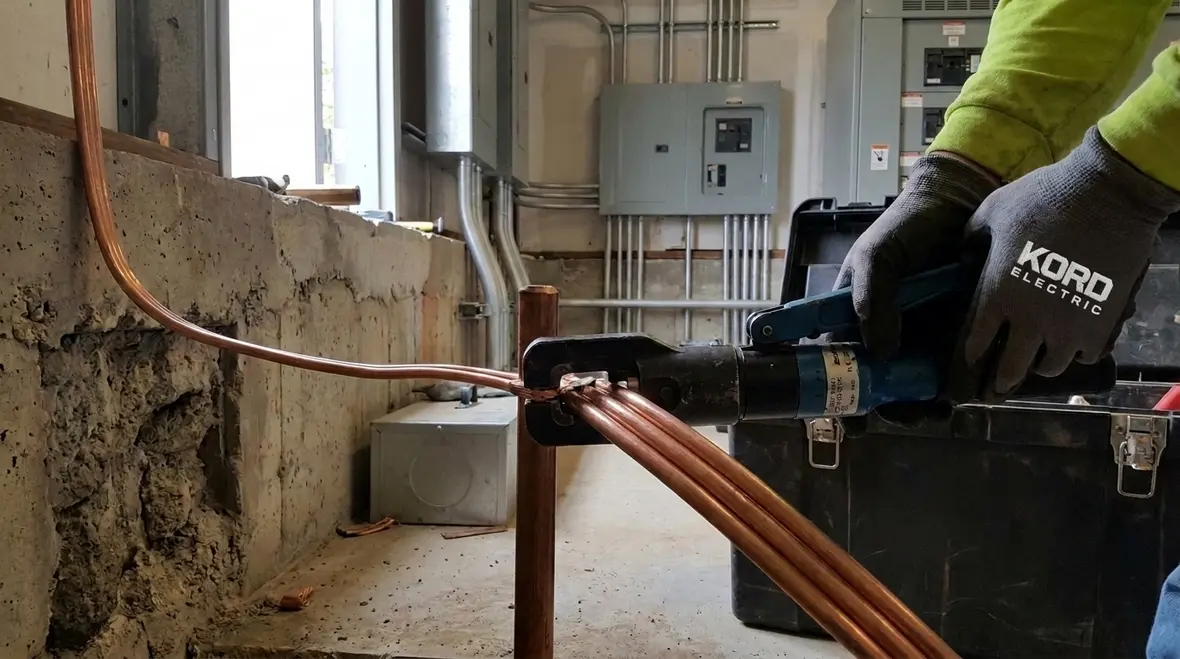
NEC GES Installation Requirements Guide for Section 250.53
When a facility team asks how to meet NEC GES installation requirements for grounding electrode systems, we start with NFPA 70 guidance and we follow the practical steps your jobsite can actually execute. In the introduction, we address the core idea that drives Section 250.53: your grounding electrode system must connect the available electrodes in a way that forms an effective path back to the source. We then explain how installers apply those rules for commercial and industrial facilities and major property buildings, where reliability matters and “close enough” gets expensive.
At Kord Electric, our technicians and expert service staff explain each requirement in plain terms, because we would rather prevent callbacks than collect them. And if you are thinking grounding is “boring,” rest assured, it is also the difference between smooth operation and a problem that shows up during the stormiest hour. You know, the hour when everyone else suddenly becomes an electrician, too.
What NFPA 70 Section 250.53 requires for bonding and connections
NFPA 70 Section 250.53 focuses on how we install the grounding electrode system for the building. That includes connecting electrodes so the system works together instead of behaving like a set of unrelated parts. In other words, the goal is to build a dependable electrical reference and to help protect equipment and personnel by managing fault current and lightning related effects.
We see facilities treat grounding electrodes like a “parts list” problem. However, 250.53 turns it into a system problem. Each electrode may be present, but the installation must produce the intended result: an effective grounding path. To get there, you ensure proper bonding, correct connection points, and acceptable materials and methods.
Even when codes allow multiple electrode options, 250.53 still pushes the same discipline. If the plan shows electrodes, the install must connect them so the grounding electrode system performs as designed. Our technicians document the connections and verify that the arrangement matches the approved approach, especially in commercial and industrial projects where inspections happen under real time pressure.
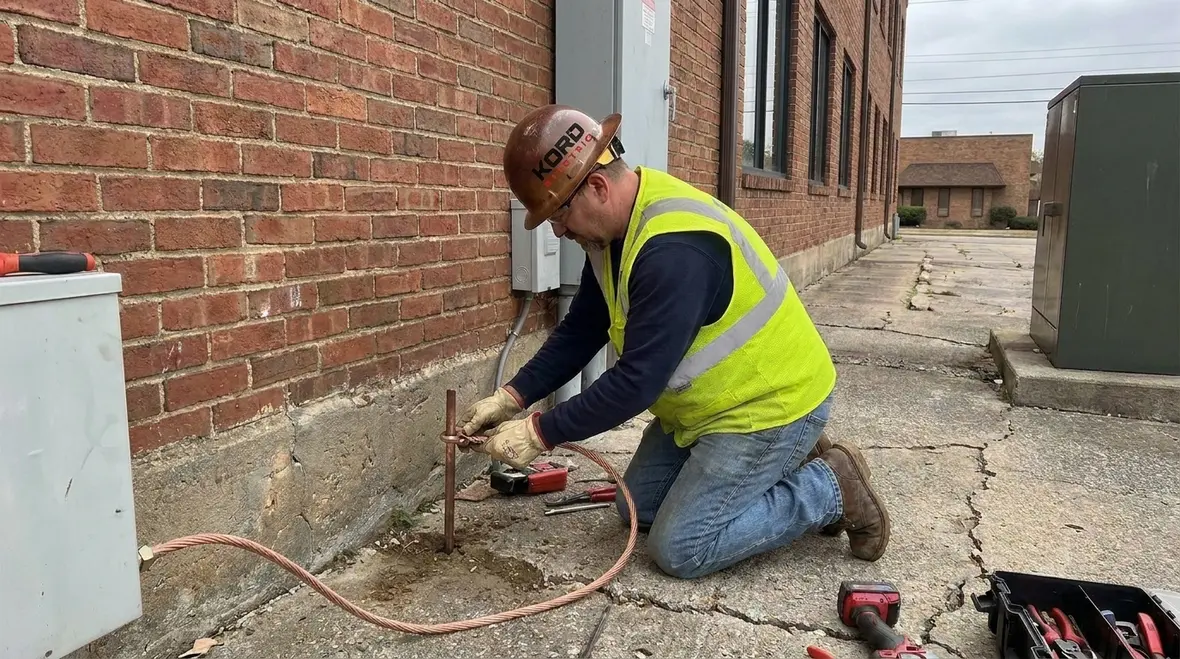
Which electrodes matter most in commercial and industrial buildings
In commercial and industrial facilities, the grounding electrode system often uses more than one electrode type. That is normal, and we plan for it up front. For example, buildings may include ground ring electrodes, building steel, structural metal, water pipe electrodes where permitted, driven rods, or other grounding electrodes based on site conditions.
Then comes the critical part. Section 250.53 installation steps ensure the electrodes connect into one grounding electrode system. As a result, you gain a more stable reference for the electrical system and you reduce the chance that a single electrode becomes the weakest link.
Because major property buildings can include multiple electrical services or complex feeder routes, we also coordinate how the electrode system interfaces with service equipment. We do this so you do not end up with grounding conductors that look correct at first glance but fail the functional purpose under fault and surge conditions.
Our expert service staff also checks the jobsite reality. For instance, what looks accessible on paper may be buried, obstructed, or already in use. Therefore, we help teams choose the electrode combination that fits the site and still complies with the grounding electrode system rules.
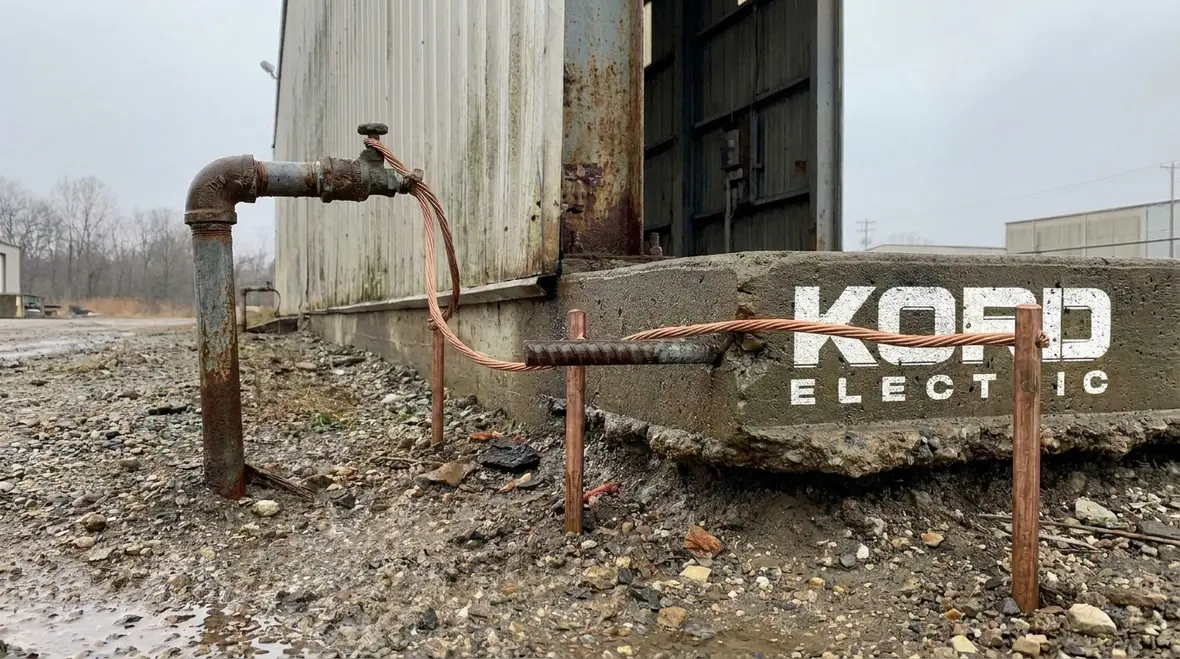
If you want a deeper background on how the National Electrical Code shapes these decisions before you get to NEC GES installation requirements at Section 250.53, it can help to review broader NEC guidance. For example, understanding how NFPA 70 structures grounding and bonding rules in earlier articles makes it easier to read each 250.53 requirement as part of a larger system, not a one off detail that gets decided in the field at the last minute.
In practice, that means we treat the grounding electrode system as part of the building’s entire electrical strategy, not a single drawing symbol. When we coordinate with design teams, we tie our field plan back to NEC language and the facility’s operating profile, so the electrode system supports day to day operations, emergency events, and long term maintenance instead of becoming an afterthought.
How we install the grounding electrode system step by step
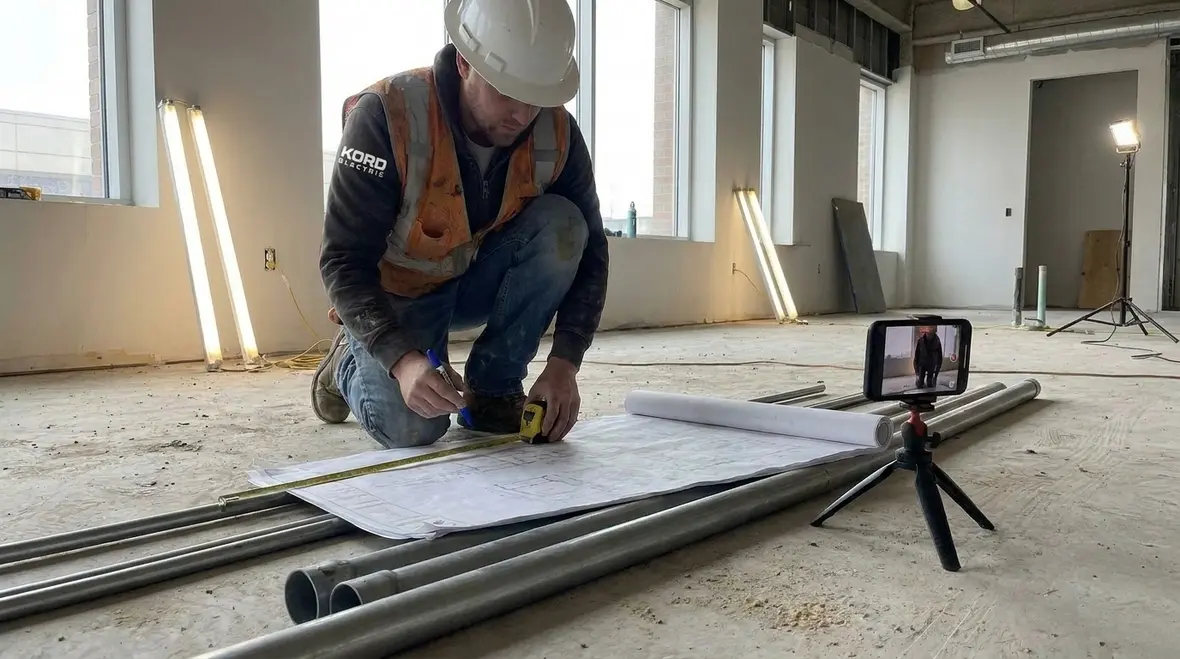
We install a grounding electrode system using a deliberate workflow. First, we review the project drawings and the equipment schedule. Next, we confirm the field layout of electrodes and grounding conductor routes. Then we make the connections in the order that keeps access safe and inspection ready.
Our typical process follows these principles, aligned with NFPA 70 practices and the intent of Section 250.53.
- Plan the electrode arrangement so the grounding electrode system connects all intended electrodes into a single network.
- Choose proper conductors and fittings for durability in the building environment and for long term performance.
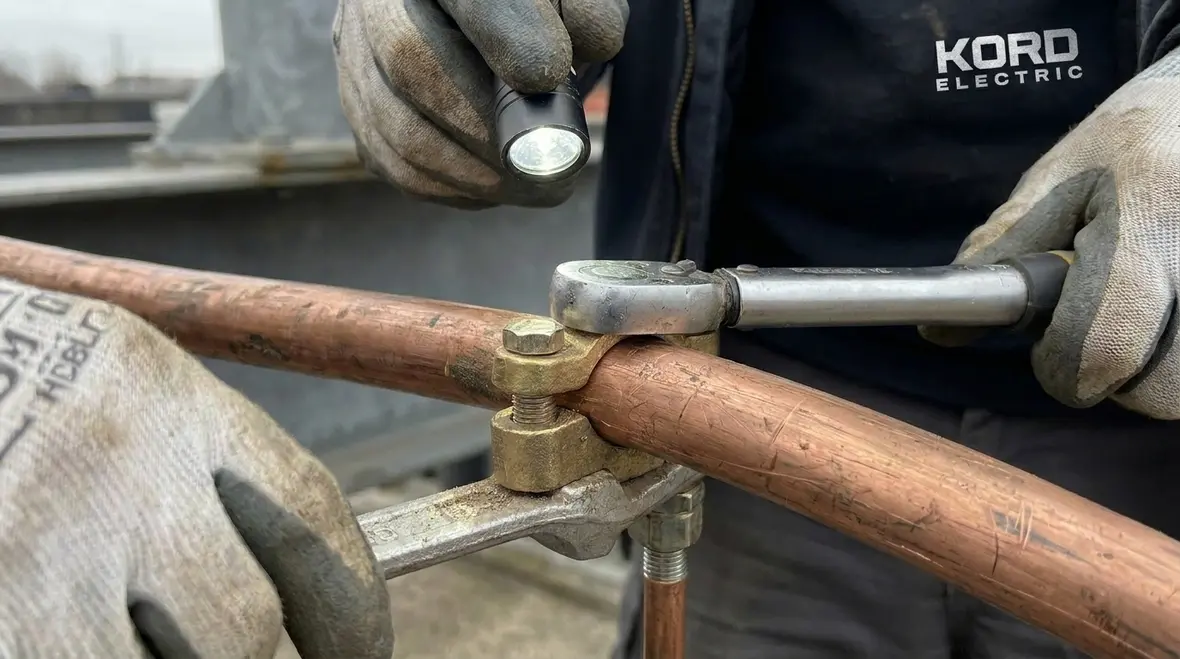
- Install bonding connections so they form secure electrical continuity at every connection point.
- Maintain correct routing and protection so the grounding electrode system conductor does not get damaged during construction or later renovations.
- Document installation details so inspection and maintenance teams can find and confirm every critical connection.
As we go, our technicians explain what we are doing and why. That matters because grounding work is not only about “installing wires.” It is about building a reliable path and preventing hidden failures, like a connection that corrodes later or a conductor that gets compromised during equipment replacement.
And yes, it can feel tedious. But grounding is the kind of boring that saves the day. Pop culture teaches us heroes fight dragons. Real life teaches us we fight loose connections.
For project teams planning complex power distribution in major properties, we often tie grounding work into broader planning conversations about service capacity, equipment protection, and maintenance strategy. When those elements stay aligned, it is much easier to keep NEC GES installation requirements satisfied while also building a system your staff can service without guesswork.
Coordinating grounding with broader electrical services
Because grounding touches every part of the electrical system, we connect GES planning with other work like panel upgrades, distribution changes, and reliability projects. When you treat grounding as part of the same conversation, upgrades to feeders, transformers, or critical systems do not accidentally undermine the electrode paths you worked so hard to install.
That coordination matters most in commercial and industrial environments where outages hurt. Whether your priority is production uptime, tenant comfort, or life safety systems, we tie grounding electrode work to the projects that keep power stable and predictable.
Common mistakes we prevent during GES installation
Facilities do not usually fail grounding because teams ignore the code. They fail because small oversights stack up. Therefore, we focus on error patterns we see across commercial and industrial work.
Here are the common mistakes we help prevent during grounding electrode system installation:
- Unintended open circuits created by poor mechanical connections, misaligned conductors, or incomplete bonding.
- Incorrect connection methods that look acceptable but do not provide long term electrical continuity.
- Damaged grounding conductors during construction, especially where cables cross zones with equipment traffic.
- Missing or incomplete bonding at interface points between building systems and grounding electrode components.
- Inconsistent field implementation where the as built conditions drift from the plan.
To handle these risks, our expert service staff checks connections before they get concealed. Also, we coordinate with site leaders so the work stays aligned with major property building timelines and scheduling constraints.
One more thing. Facilities sometimes treat grounding as a one time install task. However, ground performance depends on the integrity of connections over time. As buildings age, corrosion and modifications can affect the system. Therefore, we recommend maintenance practices that confirm bonding continuity and verify that renovations do not interrupt grounding electrode system paths.
In multi site portfolios across regions like Los Angeles County, that mindset often becomes part of a broader preventive maintenance plan. When your team already evaluates panels, feeders, and protective devices on a schedule, adding structured grounding checks is one of the simplest ways to stay ahead of future problems while keeping NEC GES installation requirements in view.
Testing, inspection readiness, and long term performance
After installation, teams need to verify that the grounding electrode system performs as intended. We approach verification with the reality of the commercial and industrial environment in mind. Equipment downtime costs money, and inspections often require clear documentation.
Our approach emphasizes three goals. First, we make the jobsite inspection friendly. Second, we help the facility team understand what to expect during review. Third, we set the foundation for long term confidence.
That means we:
- Confirm connection continuity with appropriate checks and measured verification practices.
- Maintain clear records that match the installed grounding electrode system layout.
- Support commissioning so the service grounding setup aligns with equipment requirements.
- Plan for future access where feasible, so maintenance does not require unnecessary demolition.
When you do this work right, you reduce surprises. In addition, you avoid the late stage chaos where someone discovers the grounding electrode system connection was never properly bonded, and now everyone has to play “guess the wire.” We would rather avoid that game entirely.
For teams that also coordinate fire and pump systems, grounding affects reliable operation. So if your project includes specialized equipment, your electrical and fire related design teams benefit from coordinated grounding practices. Kord Electric supports facility wide alignment, and KordFire teams extend that focus across code aware planning in fire related applications.
When your project scope includes upgrades, new construction, or complex tenant improvements, it can also help to align GES verification with a broader review of how the building’s electrical design follows NFPA 70. That way, you confirm that your NEC GES installation requirements are not only satisfied on paper but also supported by distribution, protection, and maintenance strategies that match your facility’s actual risk profile.
Keeping inspectors and stakeholders aligned
In major property buildings, inspection days can feel rushed. Our goal is to remove the drama from that process. We label clearly, keep documentation organized, and walk owners, engineers, and authorities through what we installed and why. When everyone can see how the grounding electrode system satisfies NEC GES installation requirements, approvals move faster and the project team can focus on the next phase instead of last minute fixes.
Where the NEC meets real jobs: storm surge, lightning, and faults
Grounding electrode systems do not just exist for paperwork. They support how electrical systems respond during faults, surges, and lightning events. While Section 250.53 addresses installation specifics, the deeper reason is performance under stress.
In commercial and industrial settings, fault current management and surge behavior protect sensitive loads, reduce downtime risk, and support safe operation. Additionally, a properly installed grounding electrode system gives the electrical system a predictable reference. That helps protective devices operate within expected behavior and reduces unpredictable nuisance conditions.
However, performance depends on execution. For that reason, we treat each connection point as an element of the overall network. We also coordinate with other building systems so grounding does not become a hidden variable.
If your organization serves major property buildings, you already know these events do not schedule themselves politely. They arrive when the grid is stressed, the building is busiest, and the staff is tired. Proper grounding helps you keep systems stable when reality does not care about your project timeline.
From NEC language to practical risk reduction
On paper, NEC GES installation requirements live in Article 250 and particularly Section 250.53. On the ground, they live in the split second when a fault clears the way you expected, or when a surge travels a controlled path instead of wandering through sensitive equipment. Our work connects those two worlds: we read the code carefully, then translate it into conduit, clamps, and connections that behave when the weather and the grid both act up.
For owners and facility teams, that translation means fewer outages, better protection for sensitive loads, and fewer surprises when storms roll through or upstream equipment fails. It is not about chasing perfection on paper. It is about building a grounding electrode system that performs on the worst day the same way it does on the best day.
FAQ
Ready to verify your NEC grounding electrode installation?
Kord Electric helps commercial and industrial facilities build grounding electrode systems that meet NEC intent and field reality. Our technicians and expert service staff walk your team through the installation plan, coordinate jobsite conditions, and document the work so inspections feel calm instead of chaotic. If you are upgrading equipment, expanding a major property building, or you need a second set of eyes on grounding electrode system details, reach out to us. We will help you get it right the first time, and keep it right.
For organizations managing portfolios or complex facilities across Los Angeles County, that support can extend beyond a single GES project. We align grounding electrode work with broader Los Angeles County electrical services for commercial and industrial properties, so your grounding, distribution, and maintenance plans all point in the same direction: safer, more predictable power.
When you are ready to move from “we think it is grounded” to “we know this system meets NEC GES installation requirements and has the documentation to prove it,” Kord Electric is ready to help. From design review and field verification to long term maintenance planning, we treat grounding as the quiet hero of your electrical system—and we install it that way.