
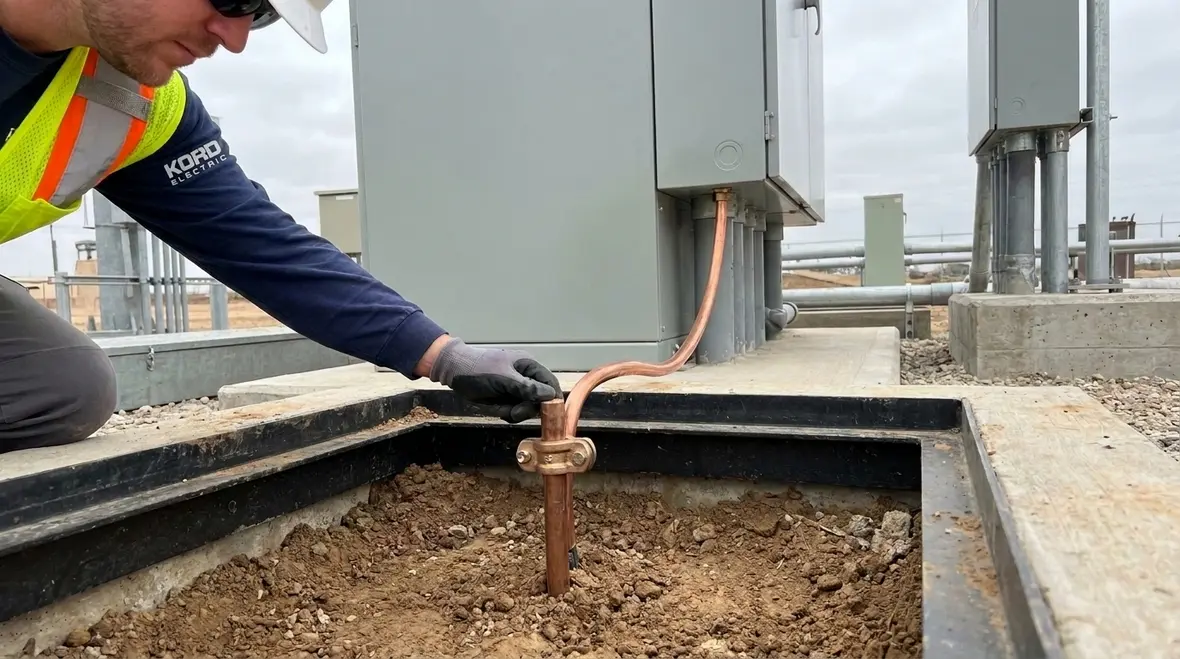
NEC Grounding Electrode System and NFPA 70 Section 250.50
At Kord Electric, we often start the conversation with one simple idea: a safe NEC grounding electrode system does not happen by accident. In many commercial and industrial facilities, people only notice grounding when something goes wrong, and by then the problem can already be loud, costly, and a little embarrassing. We explain NFPA 70 Section 250.50 as part of the National Electrical Code, so facility teams understand what connects, where it connects, and why it matters. Our technicians and expert service staff walk through the requirements with a calm, step by step method, because the goal is clarity, not confusion. And yes, grounding can sound like a sleeping pill for electrical issues, but it is also the thing that keeps your equipment from becoming the “path of least resistance” for fault current.
What NFPA 70 Section 250.50 demands in the field
NFPA 70 Section 250.50 outlines how the grounding electrode system must be made reliable for the long term. In practical terms, it tells us how to connect the facility to earth using approved electrodes, and how to keep those connections strong when the real world shows up. Weather changes, soil conditions, ground water movement, corrosion, and building modifications all apply pressure over time. Therefore, a correct grounding design and installation matters, especially for commercial and industrial structures where downtime can become a financial leak.
To make this easy to verify on site, we align our approach with the NEC guidance described in our training materials and industry resources, including the Kord Electric guides on what NFPA 70 covers in practical terms and the Kord Electric blog on understanding the National Electrical Code for 2026. Then, our expert service staff confirms the system matches the facility’s actual electrical service and grounding plan, not just a diagram. When we do this work, we treat grounding as a system, not a collection of random metal pieces. Otherwise, you end up with what some teams call “hope wiring,” which works great until it does not.
Grounding electrode system components that protect equipment and people
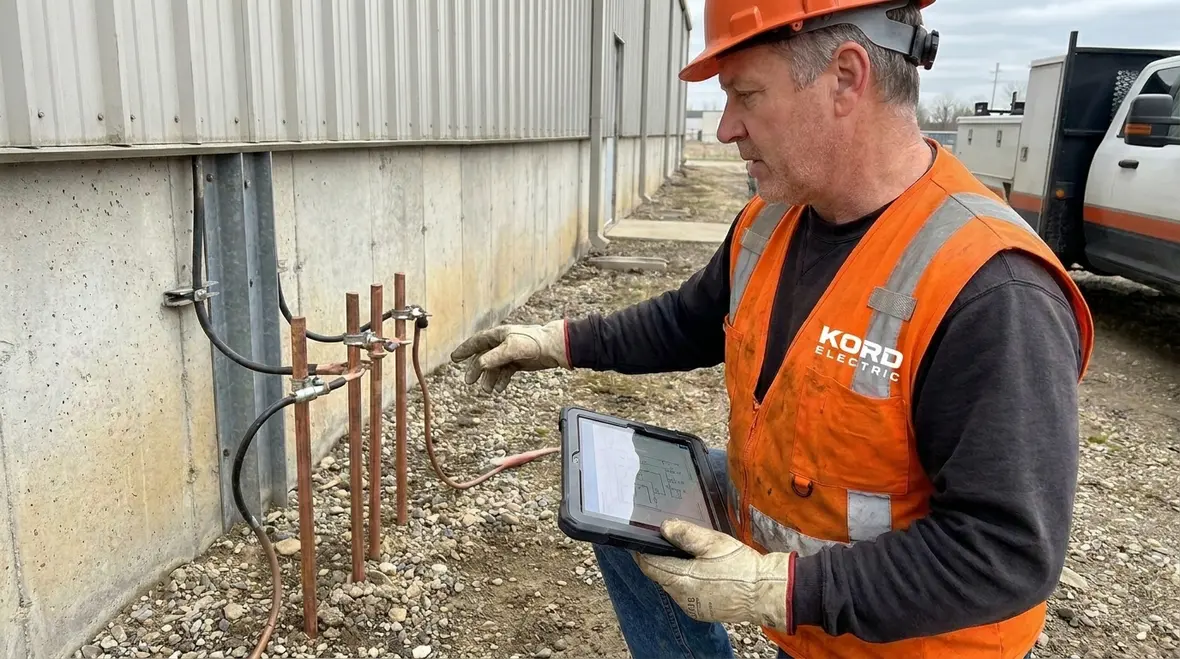
Under NFPA 70, the NEC grounding electrode system is more than one rod or one plate. It usually includes multiple grounding electrodes that get bonded together so fault current has a dependable path. As a result, the facility gets better fault clearing performance and improved safety margins. Importantly, the system also helps control voltage rise that can appear during faults.
Our technicians explain the typical parts in a way facility managers can use. Common electrode types include structural metal elements that qualify as electrodes, ground rings or grids, building steel pathways when permitted, and driven rods or other listed electrodes. Then we confirm bonding conductors size, routing, and connection methods so the system performs as designed.
Additionally, we tell teams to think about permanence. The ground does not stay the same, and neither do electrical systems. For large buildings, we plan for future changes, such as new switchgear, data rooms, or added production loads. This planning protects the integrity of the grounding electrode system while construction work proceeds.
Bonding, continuity, and corrosion control in major buildings
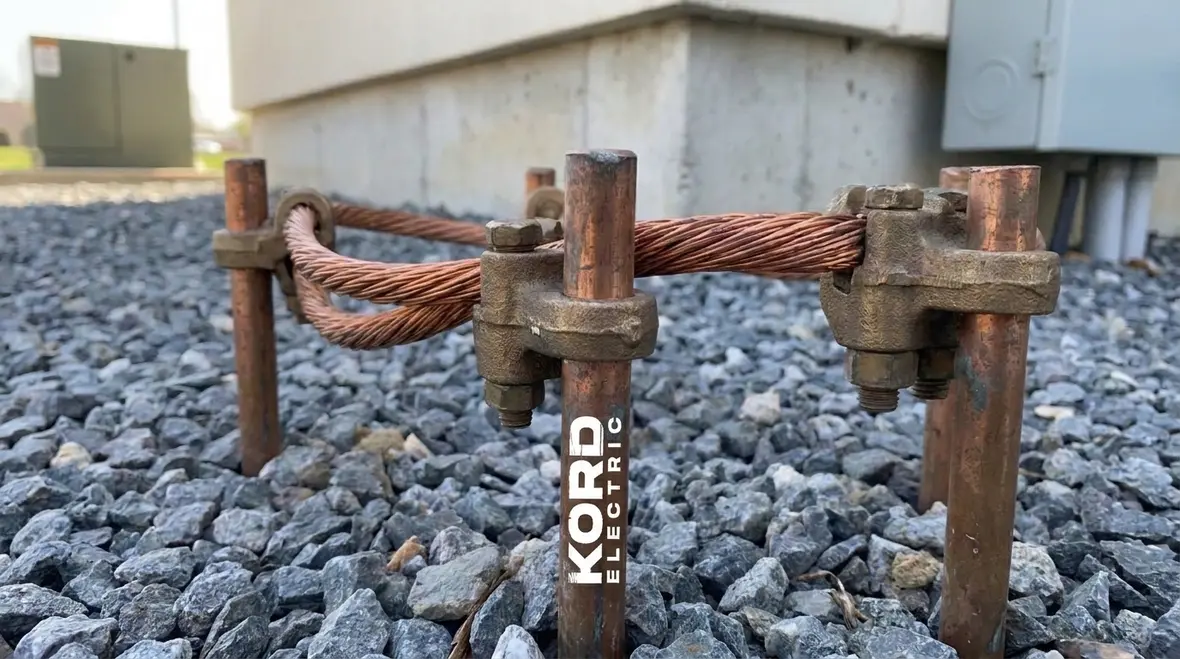
Once the grounding electrodes exist, the next job involves bonding and continuity. In plain terms, bonding ensures all required parts work together. Without proper bonding, the system can develop weak links, and those weak links can create unpredictable behavior during fault events.
However, facilities do not stay still, so we pay special attention to connection quality and corrosion resistance. Soil chemistry can be aggressive, and moisture can creep into connections. Therefore, we focus on listed materials, proper clamps, rated connectors, and correct installation torque where applicable. We also keep records, because good service work is not only about what we fixed, it is also about what we can prove.
In commercial and industrial environments, our service approach includes inspection logic that supports maintenance planning. For instance, we look for signs of loose connections, coating damage, improper splices, and missing bonds. Then we recommend corrective actions without delaying critical operations. And if someone tells us, “The connection has been there for years, so it must be fine,” we smile politely. Years of exposure can just mean years of slow corrosion. Like a sitcom character, it looks okay until the plot twist hits.
How to ensure the grounding electrode system matches the service equipment
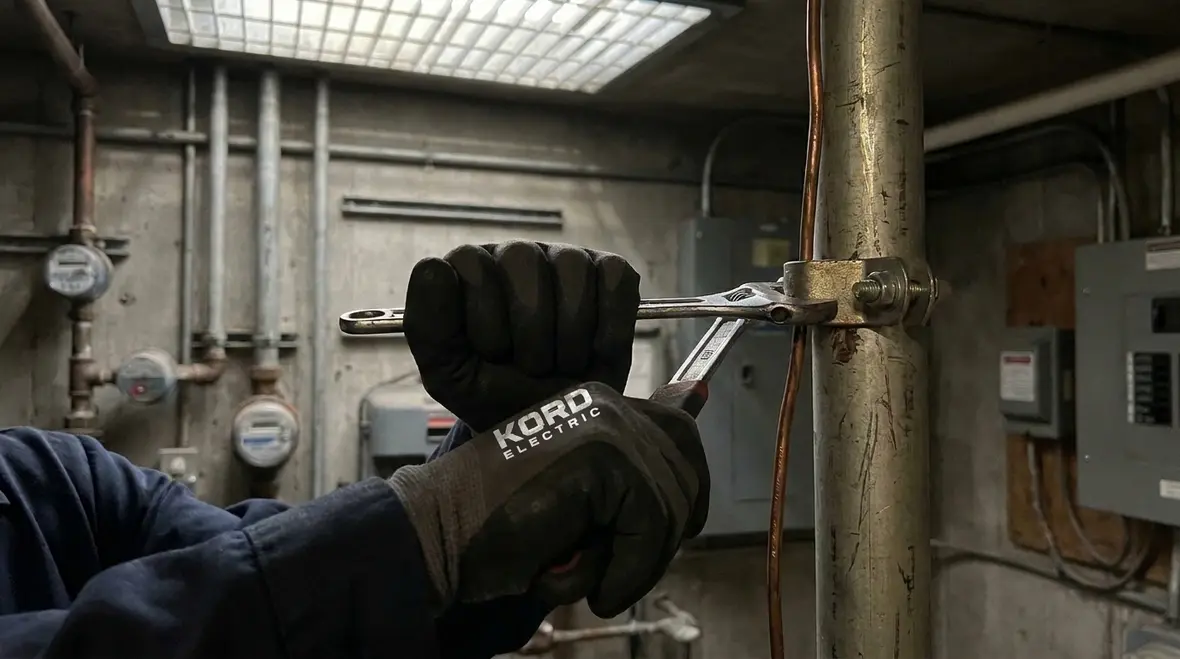
Next, we align grounding with service equipment. NFPA 70 requires that grounding and bonding methods match the electrical service configuration, including where the service conductors connect and how the service equipment is grounded. So, the grounding electrode system cannot be treated as a generic add on. It must fit the building’s service setup and the way the facility distributes power.
Our expert service staff coordinates with electricians, project managers, and electrical engineers so the field work matches the design intent. As a result, we reduce rework and we keep commissioning smoother. Furthermore, we focus on clear separation of tasks: installation happens one way, testing happens another way, and documentation happens last. When those steps get mixed, teams waste time and miss details.
For major property buildings, this alignment also matters for distributed systems such as standby power, essential loads, and multiple service sections. We help facilities confirm that grounding does not degrade when equipment changes, so your electrical system stays consistent even as your operations grow.
Testing, verification, and documentation for dependable performance
After installation and bonding work, verification protects the facility. We use a practical test and record approach that supports both safety and maintenance. Testing helps confirm the connections are present and that the grounding electrode system meets the expectations established by NFPA 70 and the project design.
In the field, our technicians explain test results in plain language, then we store the data in a format that facility teams can use. That means service history stays accessible. It also means future upgrades can reference prior work instead of starting over from scratch. Transitioning into maintenance planning becomes easier because everyone has the same baseline.
Also, documentation supports audits and helps reduce risk. In commercial and industrial facilities, owners often need proof for compliance efforts, insurance reviews, and internal safety programs. Thus, our approach includes clear notes on what we inspected, what we corrected, and what we verified. If you run a building where every outage costs real money, you already know that “unknown status” is the enemy.
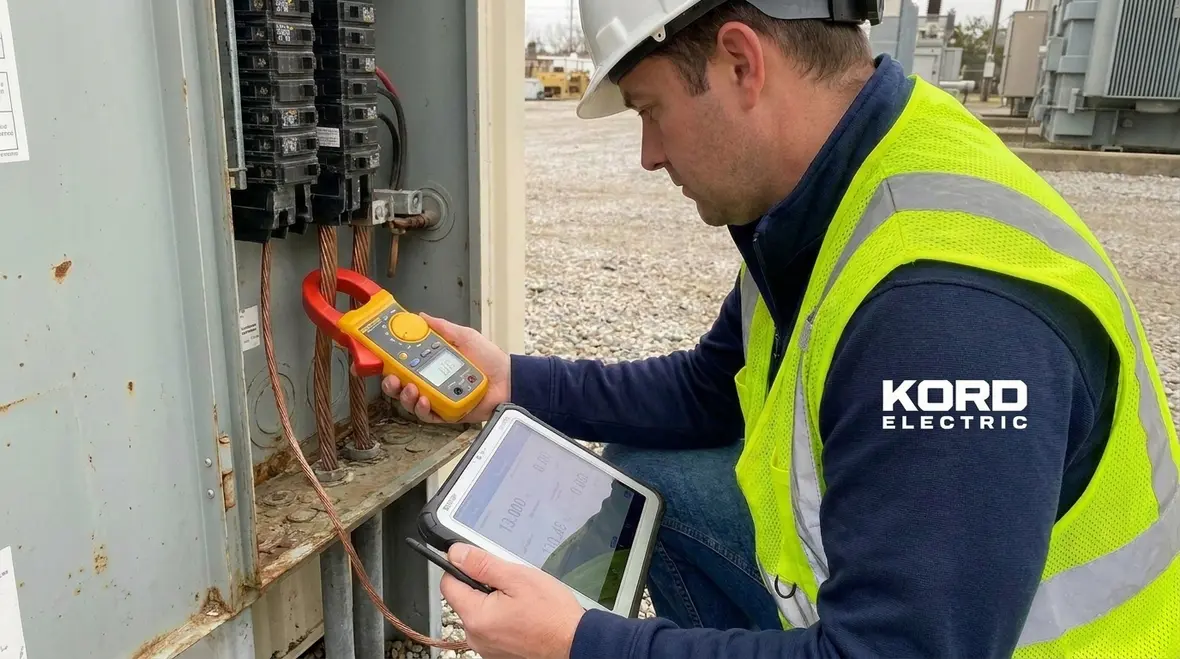
Installation best practices our technicians use for commercial and industrial sites
Because grounding work lives in the real world, our team follows best practices that hold up under daily use. First, we plan the electrode layout early so we can install with the shortest practical runs and the least disturbance to the site. Next, we ensure bonding points are accessible for inspection, especially in areas where access is limited. Finally, we confirm that the materials and connection methods meet code and project needs.
We also handle coordination. Major buildings often have overlapping trades, like plumbing, structural, fire protection, and electrical. Therefore, our technicians communicate scheduling and routing needs so grounding electrodes and bonding conductors do not get blocked. This coordination saves time during rough inspections and helps avoid last minute field changes.
To keep reliability high, we also address workmanship details. We confirm conductor routing protects against physical damage, and we prevent strain at connection points. Moreover, we make sure grounding connections remain distinct and properly identified so future troubleshooting stays straightforward.
NEC grounding electrode system considerations for different soil and building conditions
Soil matters. It affects resistance and corrosion rate, and it also affects how the grounding electrode system behaves during faults. In addition, building conditions matter. A facility might sit on engineered fill, have high ground water, or include basements with complex waterproofing. Each condition changes how electrodes interact with earth over time.
Our staff explains these points with a calm focus on outcomes: stable performance and predictable safety. When we plan electrodes, we account for local soil conditions and the building’s physical layout. Then we select practical electrode types and bonding methods that work with the site.
For major property buildings, we also recommend that teams avoid mixing new work with old work that has unknown condition. Instead, our technicians evaluate existing connections and determine whether they remain reliable. Sometimes the best fix is not “add more metal,” it is “make the system continuous and sound,” which ensures fault current has a clear path. And yes, that is the part people usually skip until the alarm starts acting like it owns the building.
Quick reference: how our teams coordinate NEC grounding work
Below is a simple view of how Kord Electric runs grounding electrode projects for commercial and industrial facilities. We keep steps clear so nothing gets lost between design, installation, testing, and closeout.
Stage |
What we do |
Design and layout |
We confirm electrode type selection, bonding paths, and access points based on the facility plan and NEC requirements. |
Installation |
Our technicians install electrodes and bonding conductors using rated parts and careful routing to prevent damage and corrosion stress. |
Verification |
We inspect continuity, connection quality, and system integration, then document results for future maintenance needs. |
FAQ
Conclusion and call to action
When your facility depends on power, grounding cannot be treated like a last minute checklist item. Kord Electric helps commercial and industrial building teams understand NFPA 70 requirements around the grounding electrode system, then we install, verify, and document work so it holds up in the real world. If you want a calm, expert review of your current grounding electrode system and bonding approach, contact us. We will meet your needs, coordinate with your project schedule, and keep your electrical system safer from day one.
For facility leaders planning broader upgrades, this grounding work also connects naturally to the way Kord Electric helps teams modernize commercial building electrical systems and align with evolving National Electrical Code requirements. When your operations sit in a region with strict oversight, such as projects that depend on comprehensive Los Angeles County electrical services, having a documented, NEC-aligned grounding electrode system becomes part of how you keep inspections calm and production steady.


