
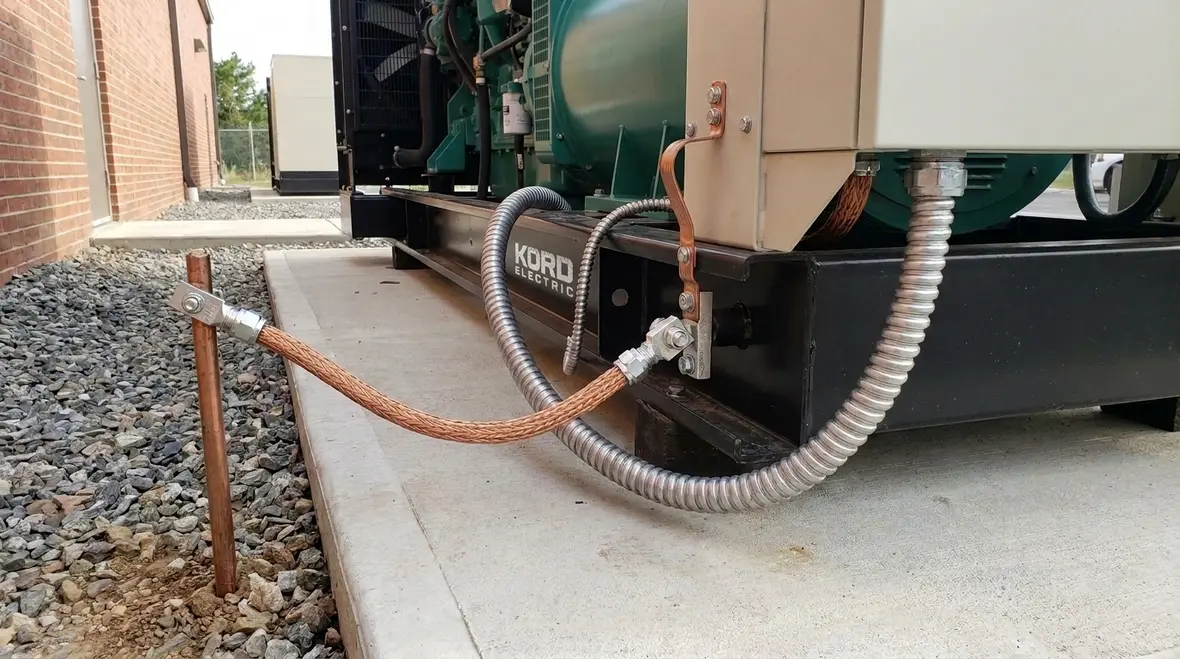
NEC Permanently Installed Generator Grounding 250.35
Kord Electric helps commercial and industrial facilities keep backup power safe and code compliant, and we start with NEC permanently installed generator grounding right away. When a generator sits on site for years, the grounding system has to do real work, not just look good in an inspection binder. In NFPA 70 Section 250.35, the National Electrical Code lays out how permanently installed generators must connect to the grounding system, and we follow those rules with clear, documented installs. Then our expert service staff explains the “why” behind every connection so your team knows what we did and what it prevents. Because grounding errors rarely announce themselves until the moment you need power the most.
Why NFPA 70 Section 250.35 matters for standby systems
Section 250.35 focuses on grounding for generators that stay in place. That detail matters, because a standby generator does not behave like a plug in backup tool. Instead, it becomes part of the building electrical system. Therefore, grounding needs to match the generator’s role, the location, and how faults and surge energy move through the site. When we review a generator grounding plan, we look at how electrical current returns during abnormal conditions, and we verify that the path stays reliable from day one through the long haul.
Additionally, grounding supports safety for people and equipment. It gives fault current a controlled route, and it helps protective devices clear faults faster. As a result, your switchgear, transfer equipment, and feeder circuits spend less time under stress. And yes, your insurance carrier tends to feel a little calmer too, like someone who finally read the instructions before assembling the shelf.
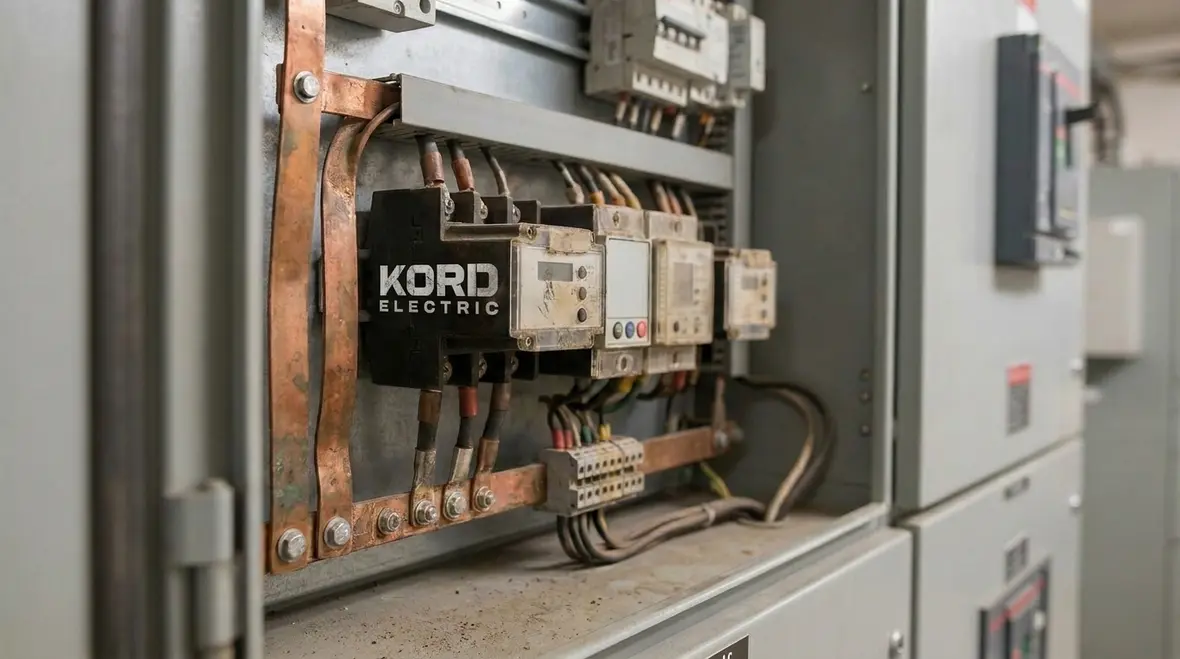
How we connect generator grounding to the site system
In practice, NEC permanently installed generator grounding means we build connections that work with the rest of the premises wiring. First, we confirm the generator type and setup, including whether it connects to transfer switches or switchgear assemblies. Then we design a grounding electrode system that matches the requirements tied to the building and the generator’s installation.
Next, we verify the bonding points that create the correct electrical relationship between generator frames, grounding conductors, and other metal parts. At this stage, our technicians explain each step in plain language, because we have learned that “it meets code” is not always the same as “your team understands it.” We show where conductors route, how clamps and fittings secure them, and why we avoid shortcuts that can loosen over time from vibration, heat cycles, and weather.
Finally, we check continuity and routing details, and we confirm termination quality. That is where many failures hide. A grounding path can look correct from across the yard, but the connection inside the lug tells the real story.
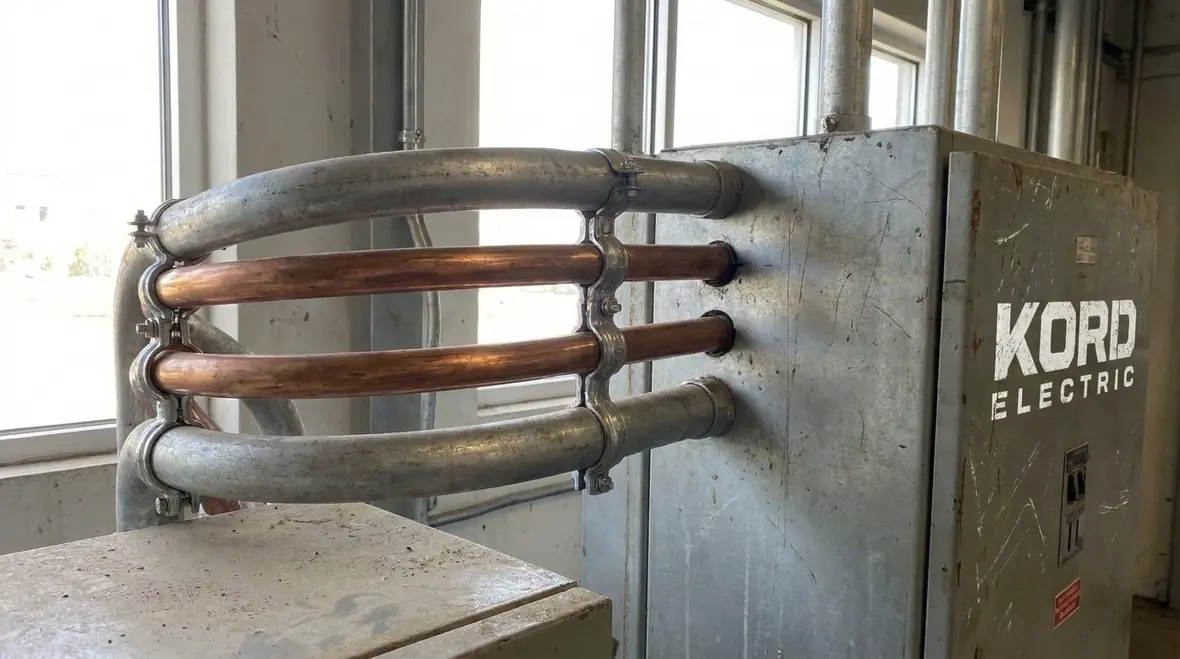
For facility leaders who want a broader code context behind these design choices, Kord Electric also breaks down how NFPA 70 shapes real-world projects in our guide to the National Electrical Code for 2026, helping teams see how grounding and bonding decisions fit into the bigger compliance picture across the building.
Grounding conductor sizing and routing for real-world conditions
NFPA 70 Section 250.35 ties grounding rules to conductor sizing and proper installation. Therefore, we do not treat the grounding conductor like a low priority afterthought. We select conductors based on the generator and system requirements, and we verify that the route avoids damage points. For example, we keep conductors protected from abrasion where they pass through enclosures, and we plan for mechanical strain so nothing flexes itself loose.
In addition, we coordinate grounding conductor routing with the facility’s layout. Large buildings have crowded pathways, and conduits cross, bend, and share space with many other systems. However, when we route generator grounding conductors, we protect separation from noise sources and avoid creating confusing loops. Moreover, we maintain clear labeling and documentation, because future maintenance should not feel like a mystery novel.
And let us be honest, grounding that is “technically present” but installed poorly still causes trouble. It is like wearing a hard hat upside down. You can call it a hard hat, but it still will not save you.
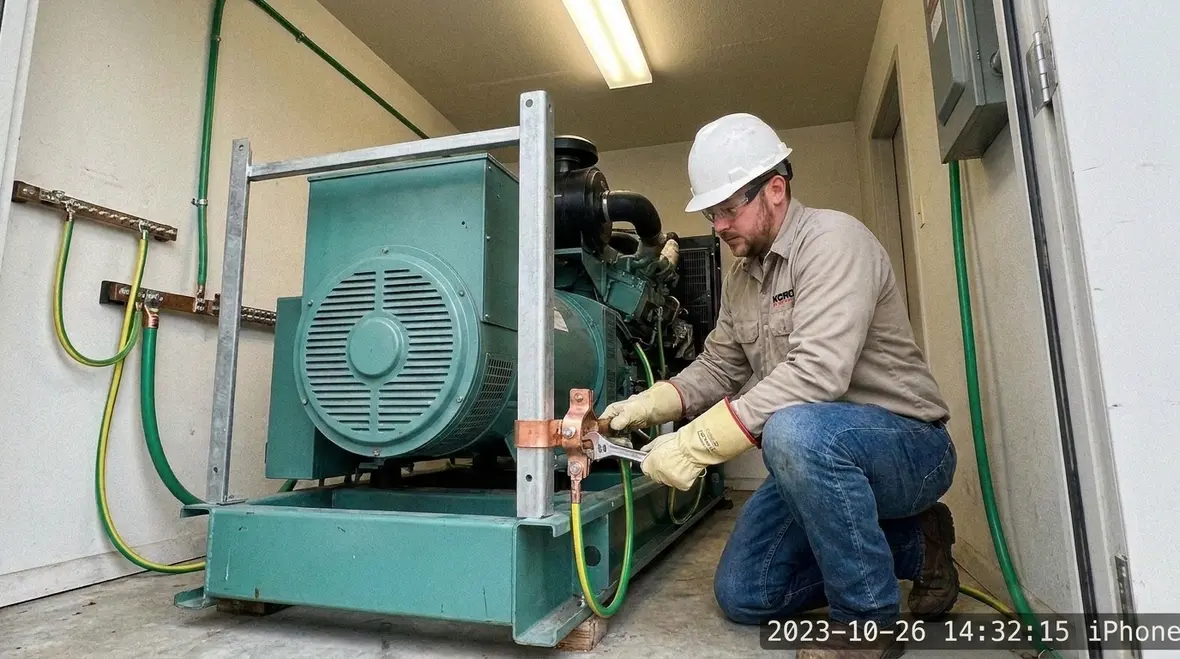
Bonding, fault paths, and why protection devices depend on grounding
Section 250.35 connects generator grounding with the broader goal of controlling fault current. When a fault occurs, the electrical system needs a low impedance route so protective devices operate as intended. Hence, the bonding and grounding design must maintain the correct electrical path for current flow.
Our expert service staff looks at the generator output connection and the interaction between the generator and the facility’s grounding electrode system. Then we verify that the bonded components do not leave gaps that slow or weaken fault current return. As a result, breakers, fuses, and protective relays have a better chance to clear faults quickly and reduce damage.
Moreover, good bonding reduces touch voltage risk. It helps keep exposed metal parts at safer potentials during abnormal conditions. This matters especially in commercial and industrial facilities where large equipment rooms, loading areas, and accessible metal enclosures put people in close contact with grounded metal surfaces.
Inspection readiness for major property buildings and critical sites
Commercial and industrial facilities run on schedules. So we build generator grounding work for inspection readiness from the start. First, we plan documentation that aligns with the NEC approach described in the referenced guidance from our team at Kord Electric and Kord Fire resources. Then we make sure the install matches the drawings, field notes, and conductor labeling used during commissioning.
Next, we verify mechanical installation details. We check termination integrity, conductor identification, and enclosure bonding. Then we run tests that confirm continuity and correct grounding paths. Finally, we provide a handoff package that helps building teams understand what exists and how to maintain it.
When we do it right, inspectors see consistency. When we do it wrong, inspectors see a lot of questions, and those questions always arrive at the worst possible time, like when you are already behind on a client deadline.
For many owners, it also helps to see how generator grounding fits into a larger modernization plan. Resources like our commercial electrical systems for modern buildings and building electrical system design guides show how code-conscious grounding, bonding, and distribution planning reduce surprises across the entire power infrastructure.
Commissioning and maintenance steps we recommend after installation
Once the generator grounding system is in place, we do not treat it as “set and forget.” Instead, we recommend commissioning checks that confirm performance after all system components are installed. Then we schedule follow up verification aligned with the facility’s maintenance plan.
During commissioning, our technicians confirm that conductors and bonds remain tight, that routing aligns with the final equipment placement, and that protective devices respond as expected within the system design limits. After that, we recommend periodic inspections, especially in environments with vibration, corrosive air, or harsh weather exposure. Many grounding issues develop slowly, through corrosion, loosened terminations, or physical impacts.
In addition, we suggest keeping a maintenance log with photos and test results. This supports major property building operations because it reduces guesswork later. And if someone asks, “When was this grounding checked last?” you will have an answer that does not require a séance.
When facilities want an ongoing partner instead of one-time fixes, our Los Angeles County electrical services bring together data-driven design, grounding expertise, and maintenance support so NEC permanently installed generator grounding keeps doing its job long after the project wrap-up meeting ends.
FAQ: NEC permanently installed generator grounding and NFPA 70 250.35
Conclusion and call to action
For commercial and industrial facilities, generator grounding cannot rely on guesswork or “good enough.” NFPA 70 Section 250.35 has clear expectations, and NEC permanently installed generator grounding must work as part of the whole electrical system. At Kord Electric, our technicians and expert service staff explain every step, then verify the results with proper installation details and testing. If you are planning a new generator install or upgrading an existing system, contact us so we can handle grounding with the calm confidence your facility deserves.
If your project also involves broader distribution changes, code updates, or modernization work, our team can tie generator grounding into larger electrical design and infrastructure plans so your system aligns with today’s NEC, supports future growth, and stays ready for inspections from main service to the last backup power connection.
Facilities across the region rely on our Los Angeles County electrical services when they need a commercial contractor who understands how permanently installed generators, grounding electrode systems, and modern building power all work together without drama.


