
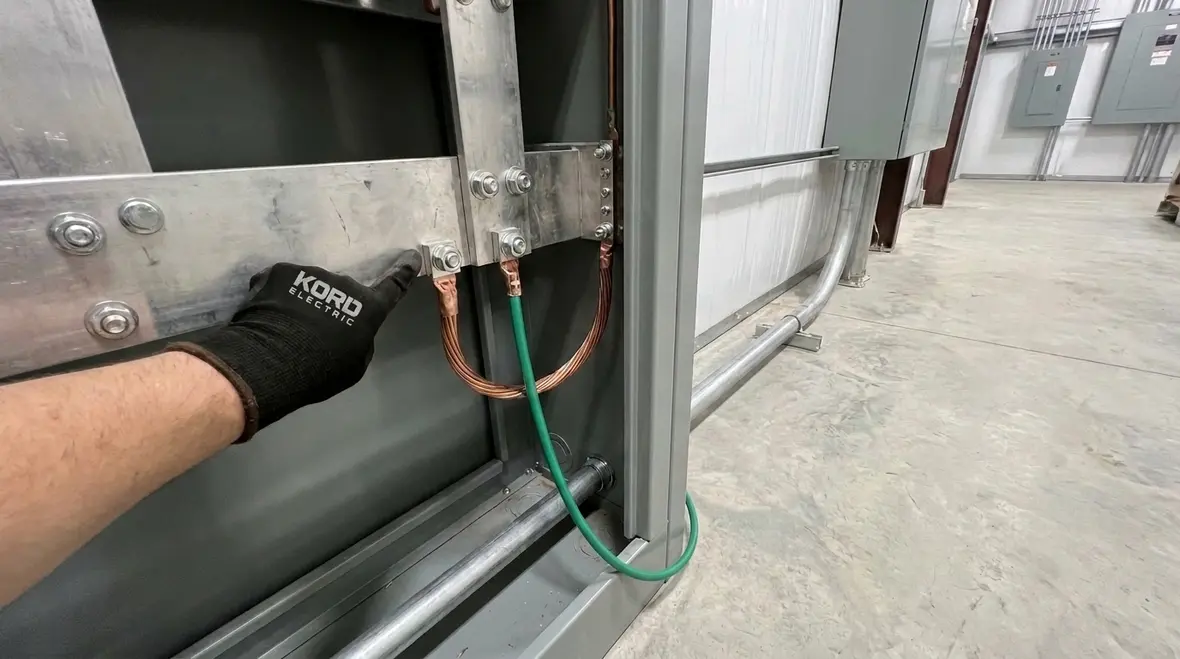
NFPA 70 Section 250.32 Feeder Supplied Building Grounding
In commercial and industrial work, we do not guess. We verify, document, and build safe systems that follow the rules. That is why NEC feeder supplied building grounding matters from day one. In this article, we walk through NFPA 70 Section 250.32, the part of the National Electrical Code that focuses on how buildings get grounded when power arrives through a feeder or a branch circuit path. And yes, even if the job looks tidy and the lights come on, grounding still deserves respect. After all, electricity does not care how confident we feel, it only cares how the system is made.
Why NFPA 70 Section 250.32 is not optional for major facilities
Most people think grounding is one copper rod and a quick connection. In reality, for major property buildings, grounding becomes a full system that connects metallic parts, bonding points, and grounding electrodes in the right way. NFPA 70 Section 250.32 sets expectations for how grounding applies when a building is supplied through feeder or branch arrangements. Therefore, our approach at Kord Electric starts with the supply method, then we design or verify the correct grounding path.
When a project serves commercial tenants, industrial processes, or large life safety loads, we see the consequences of weak grounding fast. Damage can start as nuisance behavior like erratic controls and interference, and it can escalate into equipment stress. Moreover, code compliance becomes part of the safety story and part of the inspection story. Our technicians and expert service staff explain the “why” as clearly as the “what,” because competent crews do not just connect wires, they understand what the connection is meant to do.
And if someone tells you grounding can wait until later, you can smile politely and say, “Sure, right after physics stops.” Then you keep moving with the actual requirements.
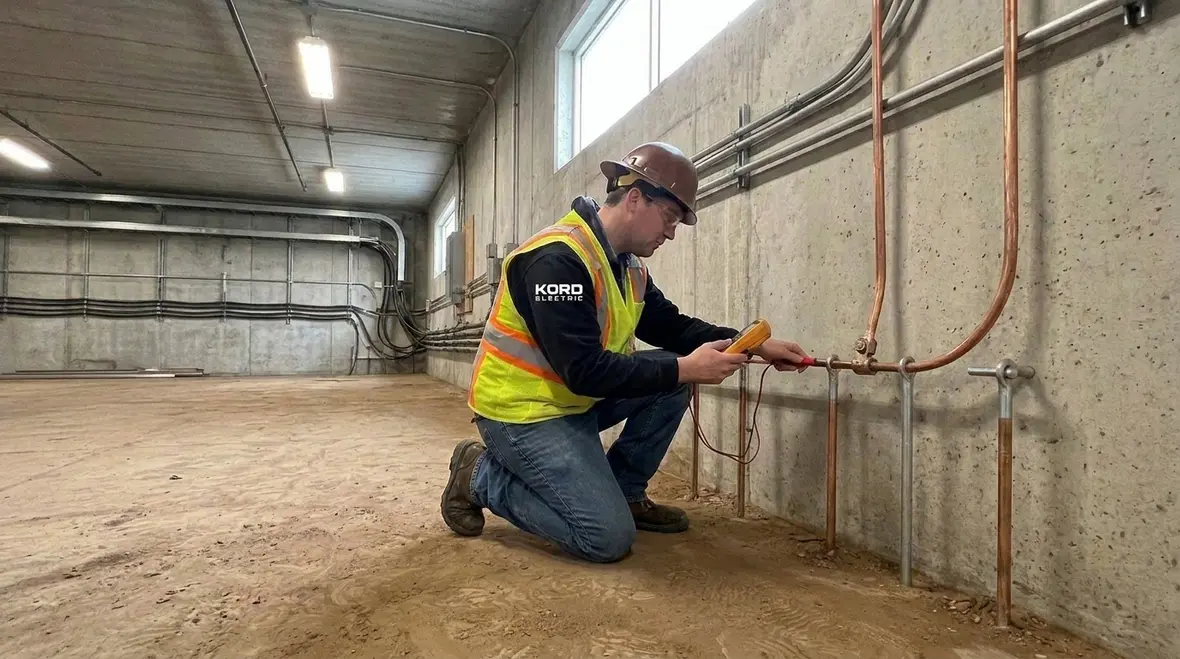
What NEC feeder supplied building grounding requires in practice
To apply Section 250.32, we first identify the service arrangement. When buildings receive power by a feeder or by a branch circuit method, the grounding design must ensure that the path to earth is reliable and that bonding is handled correctly. In practice, this means we confirm the presence and correct installation of grounding electrodes and the interconnection between metal structures and grounding conductors.
Next, we examine how the building connects to the grounding system. We check whether the feeder path includes a grounded conductor arrangement and whether bonding rules align with the system type. Then we look at the grounding electrode conductor route, size, protection, and termination details. Even when a contractor runs the conductor “to the rod,” we still confirm that the terminations are tight, correct, and durable.
Finally, we document each step. Therefore, during inspections, our team can point to the grounding method, not just the wiring. This helps facility owners and other contractors understand that compliance is real, not just implied.
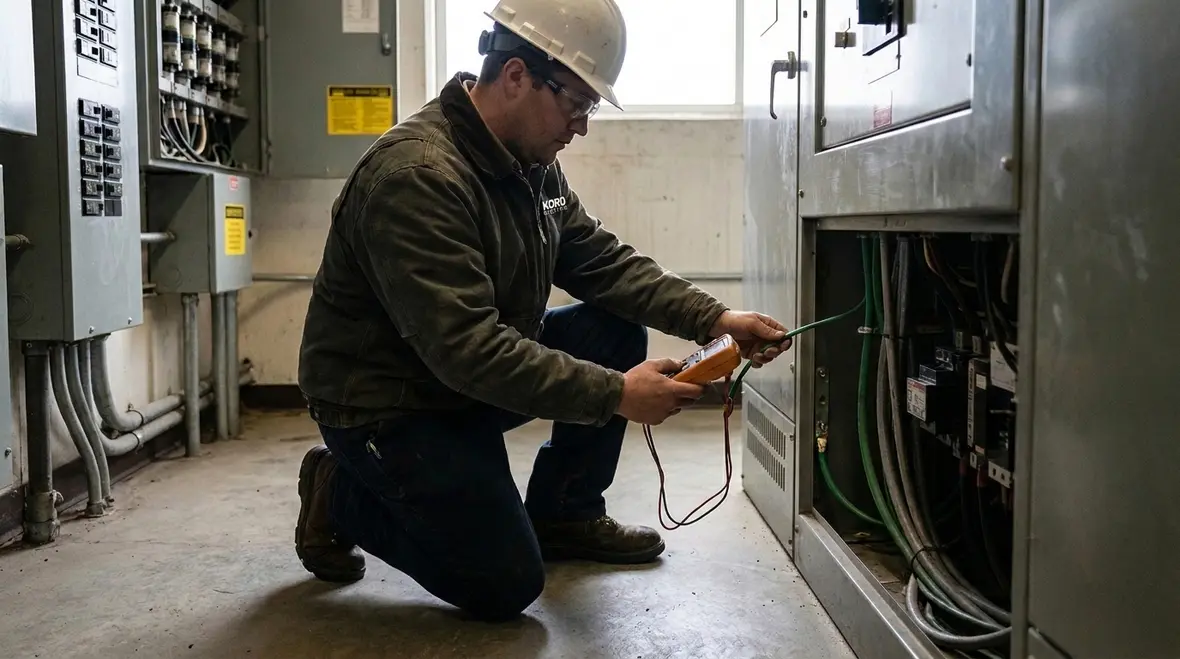
Where bonding and grounding connections typically fail in real jobs
In the field, we often find problems in places that do not look dramatic. They look minor, so people miss them. However, for major commercial and industrial buildings, small issues can create big operational headaches.
Common failure points include the following:
- Loose or corroded connections at bonding jumpers or grounding terminations, especially where moisture or vibration exists
- Incorrect bonding coverage, where metallic building parts are not tied into the grounding system as required for the arrangement
- Improper routing that exposes grounding conductors to physical damage or creates unnecessary bends and stress points
- Missing continuity when paths through metal raceways or structural elements do not actually meet the bonding intent
Now, here is the soothing but serious part. Our technicians review these items with a calm, methodical routine. We explain what we see in plain language, and we show customers the “cause and effect” chain. In other words, we do not just say, “This looks wrong.” We say, “This condition can cause a real issue during faults, surges, or normal system operation.”
And yes, we have heard the jokes. “We’ll tighten it when we’re done.” Like wiring can smell impatience. It cannot. But problems can still grow while we wait.
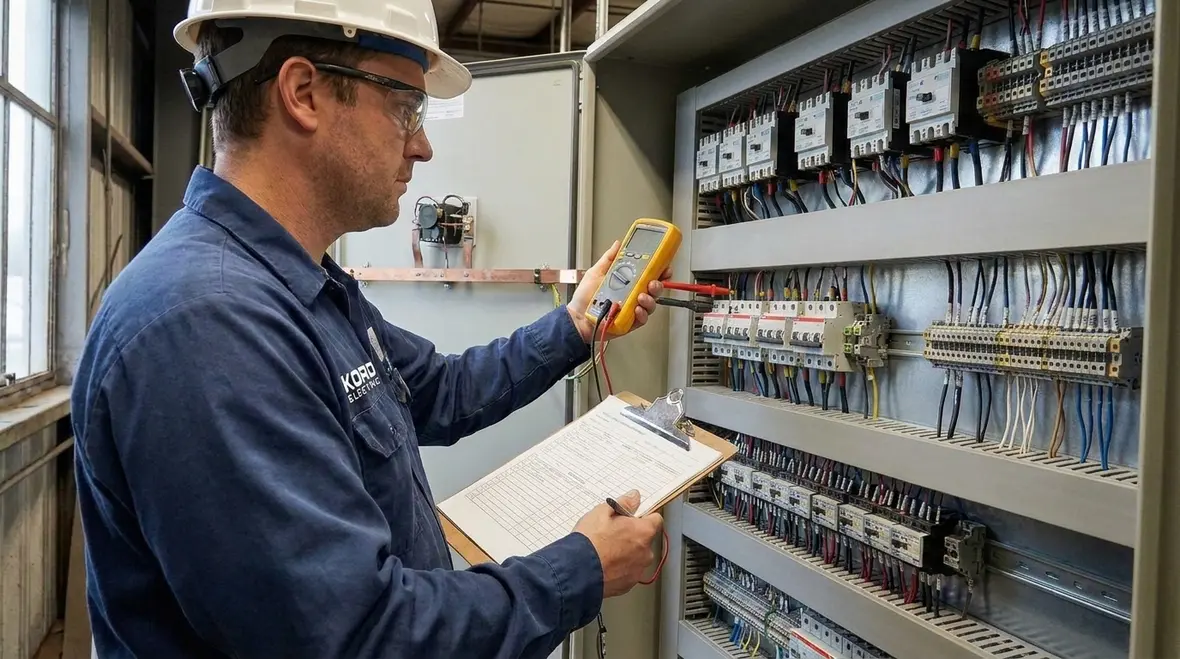
How we verify compliance on feeder and branch arrangements
At Kord Electric, we treat verification like a quality system, not a quick check. To meet the intent of NFPA 70 Section 250.32, our expert service staff begins by reviewing the drawings and the actual equipment layout. Then we confirm how the building is fed and how the grounding electrode system ties in.
After that, we perform field verification steps that typically include:
- Inspection of grounding electrode connections including continuity and correct terminations
- Verification of bonding points for metal enclosures and building metal where it applies to the installation method
- Checking conductor sizes and routing to match code intent and reduce damage risk
- Review of system labeling and documentation so the next crew can maintain it without guessing
Because commercial and industrial facilities change over time, we also recommend a practical maintenance mindset. When a building adds equipment, replaces panels, or expands mechanical rooms, grounding continuity should not become a hidden casualty. Therefore, we plan with future service access in mind, which saves downtime later.
If you want a broader view of how NEC concepts connect, our team often references guidance from our own NEC educational resources and partner sites such as Kordfire and the code learning work around NFPA 70. You can see related NEC context at kordelectric.com’s National Electrical Code guide for 2026 and kordfire.com’s NFPA 70 overview, and for additional background you can explore educational materials at firepumps.org. Of course, the final answer must match your project details and the local authority requirements.
NEC feeder supplied building grounding at switchgear, panels, and grounding electrodes
When power routes into a major building, it often arrives through switchgear and distribution equipment before it serves individual loads. That path matters for grounding. Therefore, we focus on where the electrical system brings together grounded conductors, bonding points, and the connection to the grounding electrode system.
In typical commercial and industrial construction, we see grounding electrode conductors connected to the grounding electrode system and then routed to the main bonding points. However, when the building is supplied through feeder or branch methods, we must ensure that the grounding design still creates a dependable path and that bonding follows the rules for the supply arrangement. In other words, the “earth connection” must remain intentional, not accidental.
To keep things clear, we sometimes use a simple split between equipment-side checks and field grounding checks:
| Equipment side | Field grounding side |
| Confirm bonding and termination at switchgear, panels, and connected enclosures | Confirm grounding electrode system connections, routing, and continuity |
| Check that metal parts stay bonded where required for the installation method | Verify electrode conductors do not take shortcuts or get exposed to damage |
| Document connections so maintenance teams can service safely | Record inspection findings and ensure future work preserves continuity |
Meanwhile, our technicians also watch for the “looks fine” trap. A connection can look solid yet fail continuity under vibration, corrosion, or thermal cycling. Therefore, we treat grounding as a long term system, not a one time installation checkbox.
And if that sounds like extra effort, it is. But it is also cheaper than unplanned downtime, the kind you do not schedule, like it is a surprise party for your facility uptime.
Maintenance mindset for major properties after installation
Once the system is installed, the real challenge starts. Major property buildings undergo tenant changes, equipment replacements, and electrical room upgrades. Each change can affect grounding paths and bonding integrity if the team does not coordinate with the grounding design.
So we recommend a maintenance mindset that stays simple and consistent. Inspect grounding connections during planned service cycles, especially after major construction work. Train facility staff and contractors to recognize grounding terminations and bonding jumpers as critical components. Then keep good records so we can trace what changed and why.
Our goal at Kord Electric stays focused on commercial and industrial facilities, and major property buildings. We do not sell generic checklists. We provide expert service that explains grounding, supports safe modifications, and helps your building stay reliable.
For more educational context on code planning and electrical safety, you may also find useful background on the NEC at kordfire.com.au and code and emergency related education resources like firepumps.org. Still, each job should follow the actual project design and the applicable authority approvals.
If your facility is in a jurisdiction with detailed oversight, such as those that expect the same thorough standard as Los Angeles County electrical services, this maintenance mindset becomes part of staying inspection-ready year after year.
FAQ about NFPA 70 Section 250.32 and building grounding
Ready for a grounding plan that holds up in the real world
If you operate a commercial or industrial facility, or you manage a major property building, we can help you validate and maintain NFPA 70 Section 250.32 grounding for feeder or branch arrangements. Our technicians and expert service staff explain each step, verify connections, and keep your documentation inspection ready. Call Kord Electric and schedule a grounding review. We will calm the chaos, tighten the connections, and make sure your electrical system does what it is built to do.
Whether you are planning new distribution equipment or reviewing an existing NEC feeder supplied building grounding design, partnering with a team that understands both code intent and real facility conditions helps you avoid guesswork and unplanned downtime.
From there, you can connect this grounding work with broader system upgrades, using resources like Kord Electric’s National Electrical Code guide for 2026 and related planning content to align your next projects with today’s standards instead of yesterday’s assumptions.


