
NEC Main Bonding Jumper and NFPA 70 250.28 Explained
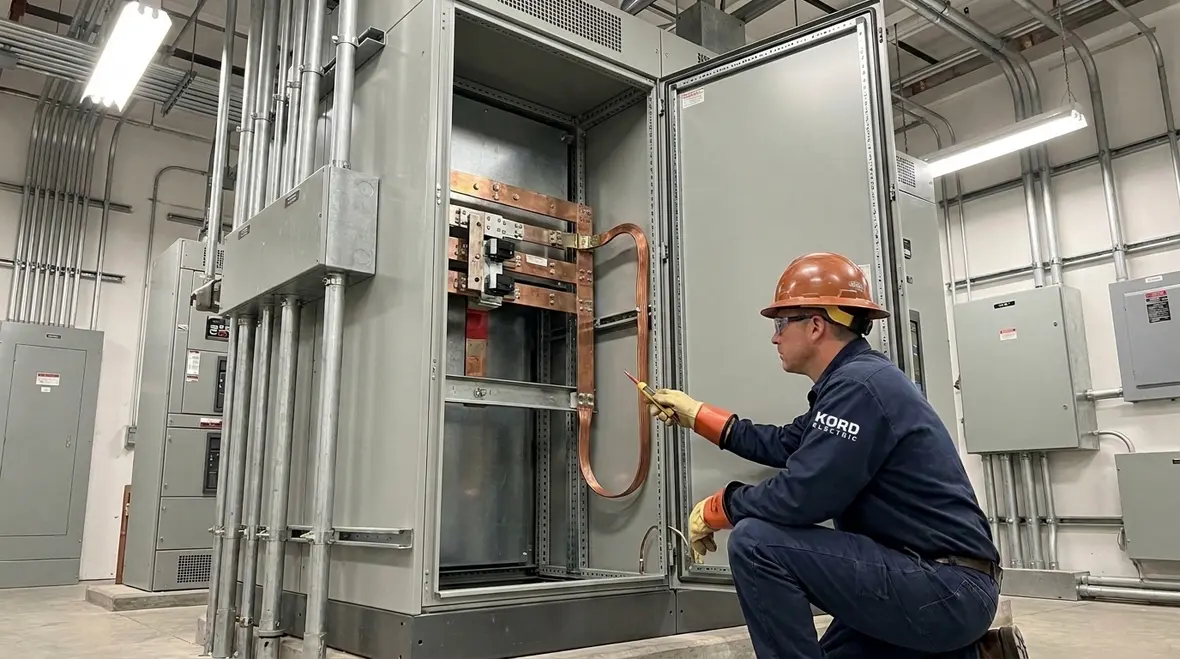
At Kord Electric, we help commercial and industrial facilities run safer and smoother systems by following the NEC main bonding jumper rules the right way. In practice, our technicians treat bonding as the quiet hero of electrical safety. It works behind the scenes so fault current has a clear path, and so exposed metal parts stay at safer voltage levels. And if you are wondering whether this sounds dramatic, well, electrical safety rarely gets the spotlight, even though it should. Today we will explain NFPA 70 Section 250.28, with the same steady, no nonsense approach our expert service staff uses on every job site. Then we will connect what the code says to what your team actually needs to verify in the field.
NFPA 70 Section 250.28: why bonding jumpers matter in the real world
In commercial and industrial electrical systems, bonding is not a suggestion. It is a system requirement that keeps metallic parts at a controlled electrical potential. NFPA 70 Section 250.28 focuses on main and system bonding jumpers, which are short paths that connect specific metal parts together. These jumpers help ensure that when a fault happens, current flows where it is supposed to, fast enough to activate overcurrent protection.

Now, here is the part people miss. Bonding does not just protect equipment. It protects people indirectly by helping the fault clear properly. In other words, it helps your protective devices do their job instead of acting like they are waiting for the next season of a show.
Our expert service staff also tells customers to think of bonding jumpers like a team relay. Everyone has to pass the baton in the right direction. If connections are loose, missing, corroded, or installed where they do not belong, the relay fails. Fault current may take a longer route, which can increase voltage differences on metal parts and reduce the chance that protective devices operate within expected times.
Main bonding jumper vs system bonding jumper: what changes and what stays consistent
Both bonding jumpers serve a role, yet they do not serve the same one. The NEC main bonding jumper ties the system grounded conductor to the equipment grounding conductor at the service. Meanwhile, a system bonding jumper connects specific grounded or bonded elements within the distribution system, often at locations like separately derived systems. Put simply, the main bonding jumper anchors the service so the system bonding jumpers can act where the code requires.
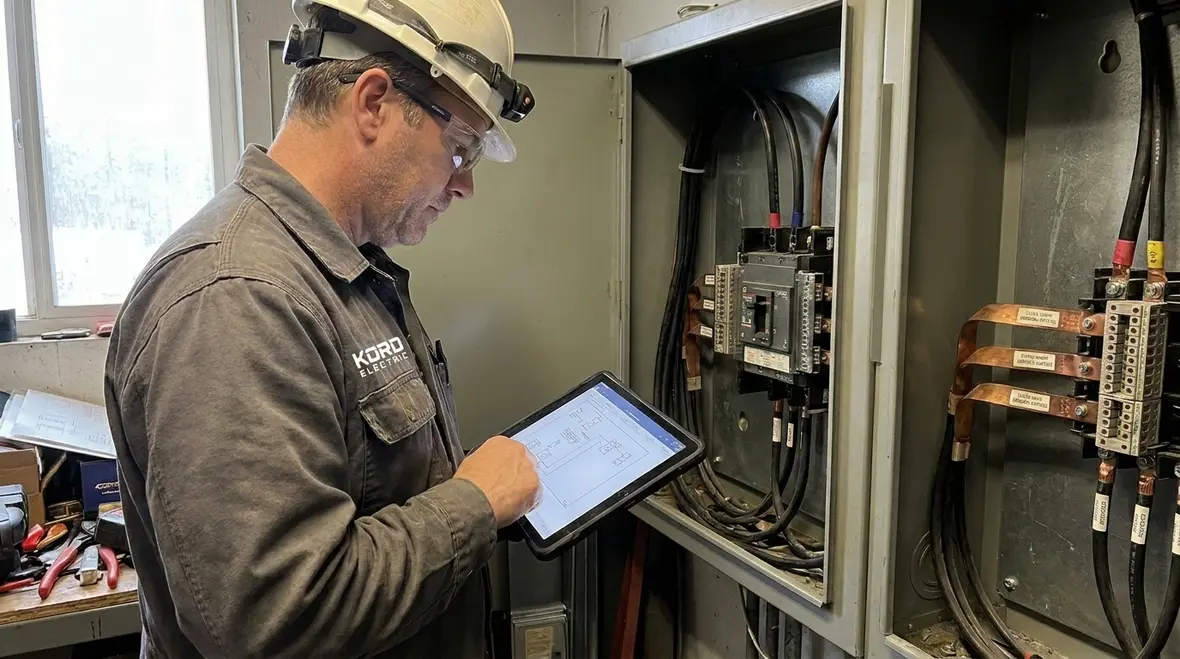
Because facilities vary, you will see different layouts in the field. Even so, our technicians follow a consistent method. First, we identify the service equipment, then we identify the separately derived sources, and then we confirm the bonding connections in each location that NFPA 70 Section 250.28 calls out.
Also, we keep a close eye on practical details that matter: connection surfaces, conductor sizing, and the use of listed parts. A bonding jumper that is technically present but poorly terminated is like a life jacket with a missing strap. It is still shaped like a life jacket, but it does not perform.
Where the main and system bonding jumpers show up on your one line
Many people read bonding rules as if they only live in code books. However, the requirements connect directly to your electrical one line diagram and equipment layout. When we review a commercial or industrial installation, we look for these bonding responsibilities and their physical endpoints.
On the service side, you will typically find the NEC main bonding jumper between the system grounded conductor and the equipment grounding conductor, where the code requires that point of connection. This point influences how fault current and voltage reference behave across the building metal parts.
On system side elements, system bonding jumpers can appear at the boundaries of separately derived systems or other specified configurations. The goal remains the same: you create an intentional path so the grounded system and the equipment grounding system bond as required.
To make this easier for facility teams, our technicians mark inspection priorities clearly. First we confirm where bonding must exist, then we confirm how it is made. We also verify the equipment that may be overlooked, like metal enclosures, raceways, cable trays, structural steel interfaces, and equipment frames.
How bonding jumpers affect fault clearing, metal enclosure safety, and nuisance behavior
Bonding jumpers influence three practical outcomes: fault clearing time, voltage on metal parts, and system stability. In a well bonded system, when a fault occurs, the protective device sees enough fault current to open the circuit. If the bonding connection path is weak or incomplete, fault current can reduce or change, and the device may trip slower or not at all.
Then there is the topic nobody wants to talk about until it happens: nuisance trips and weird symptoms. When bonding is off, you can see unusual protective device operation, odd meter behavior, or voltage readings that do not match what operators expect. That is because the system reference points shift when bonding paths do not behave as intended.
Our expert service staff often compares this to a bad wireless connection. It still connects, but it keeps dropping at the worst time. Faults are not usually patient, so the electrical system cannot afford unreliable bonding paths.
Also, bonding supports safe touch conditions. When metal parts stay closer to the intended potential, workers and maintenance teams face less risk during normal operations and fault events.
Installation checks our technicians run during field verification
Code compliance is more than reading a requirement. It is confirming how the jumper is installed. When we serve commercial and industrial facilities, our technicians follow a structured checklist that goes beyond the obvious.
1) We confirm location and type
We verify that the jumper connects the correct points at the correct equipment. If a jumper ends up in the wrong cabinet, you can end up with bonding that looks neat but does the wrong job.
2) We verify conductor size and continuity
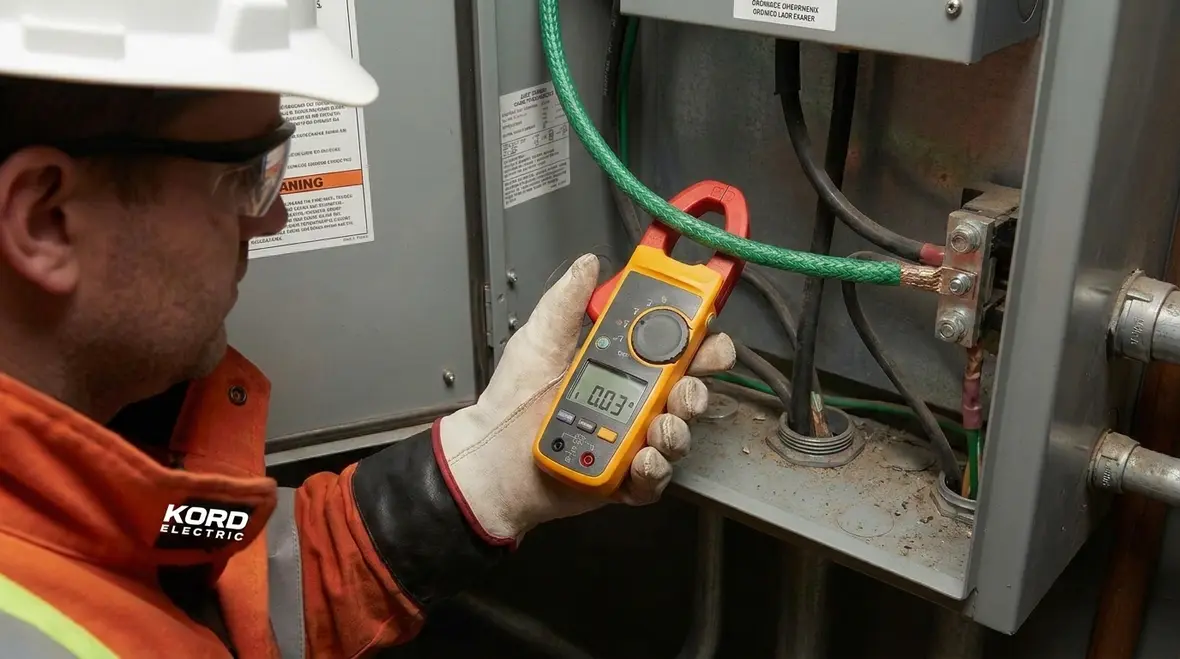
We confirm the bonding jumper conductor size meets the requirements and that it remains continuous through terminations. A too small conductor can limit the fault path. A non continuous path defeats the purpose.
3) We inspect termination quality
We check that terminations bite into the conductor properly, that the hardware is listed or compatible, and that surfaces are clean. Corrosion, paint, and poor contact surfaces can add resistance. And resistance in a bonding path behaves like a speed bump for fault current.
4) We check for separation where needed
While bonding creates intentional connections, some systems require separation between grounded conductor functions and equipment grounding functions. Our technicians confirm that the installer did not “help” by mixing conductors in ways the design did not call for.
5) We document findings for maintenance teams
Finally, we give facility stakeholders a clear summary. We explain what we observed, what it means for safety, and what fixes reduce risk. In many facilities, maintenance planning and future troubleshooting become easier when the bonding story is recorded.
Common mistakes we see in commercial and industrial projects
Even good teams can slip, especially under schedule pressure. However, bonding mistakes often show up as repeat patterns. We typically see the following issues during audits and service calls at major property buildings and industrial sites.
Missing or incomplete jumper installation
Sometimes teams install equipment enclosures and raceways first and deal with bonding later. Then later becomes never. The result is a system that looks finished, but the bonding continuity is incomplete.
Wrong connection points
Another recurring issue is connecting bonding to a point that seems metal enough, but it is not the required system bonding location. Think of it like putting a spare key on the roof. It is still outside, but you did not solve the access problem.
Poor termination and corrosion
We also see terminations loosen over time, or connections installed over painted surfaces. Even a small corrosion layer can increase resistance. That can slow fault clearing and affect touch safety.
Confusion between grounding and bonding roles
Facility teams may understand grounding, but bonding jumpers require specific intent and locations. Our technicians help clarify the difference so maintenance staff can spot the right problem instead of chasing the wrong one.
For reference and broader NEC context, Kord Electric aligns our guidance with the NEC framework discussed in resources like our Kord Electric blog and related Kord Fire materials, including general NEC explainers and compliance themes. If you want a code wide view, you can explore perspectives such as Understanding NFPA 70: The National Electrical Code Explained for 2026 on the Kord Electric blog, along with NFPA 70 discussions hosted by Kord Fire.
FAQ for NFPA 70 Section 250.28 bonding jumpers
Bonding jumpers that pass inspection and protect people
When we talk about NFPA 70 Section 250.28, we are not talking about trivia. We are talking about the path that fault current follows, the potential that metal parts rise to during events, and the way your protective devices respond. Our technicians build and verify these connections for commercial and industrial facilities, and we help teams understand the “why” behind every inspection point.
If your facility is planning upgrades, renovations, or troubleshooting around bonding and grounding, Kord Electric can align your field conditions with the code intent. Our work connects directly to broader NEC planning resources, including our articles on NFPA 70 fundamentals and project specific topics like branch circuits, service equipment barriers, and calculated load rules.
For organizations in Southern California that want support from a team that reads NFPA 70 with the same focus they bring to real projects, our Los Angeles County electrical services offering explains how we support commercial and industrial facilities with code minded planning, installation, and verification.
If you want a clear plan for compliance and safety around the NEC main bonding jumper, system bonding jumpers, and related grounding and bonding details, contact Kord Electric today. We will review your system, spot risk, and help you move forward with confidence.


