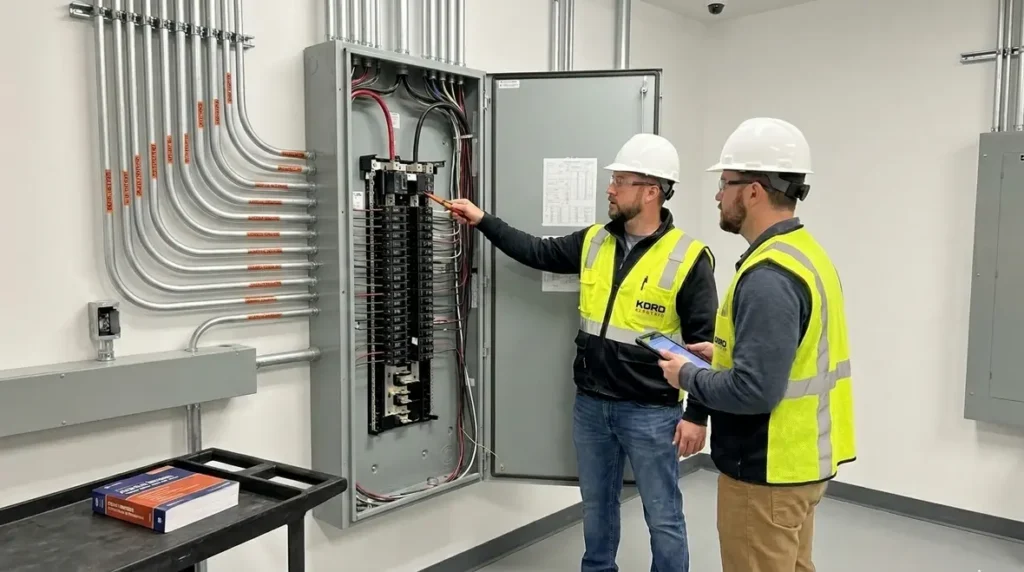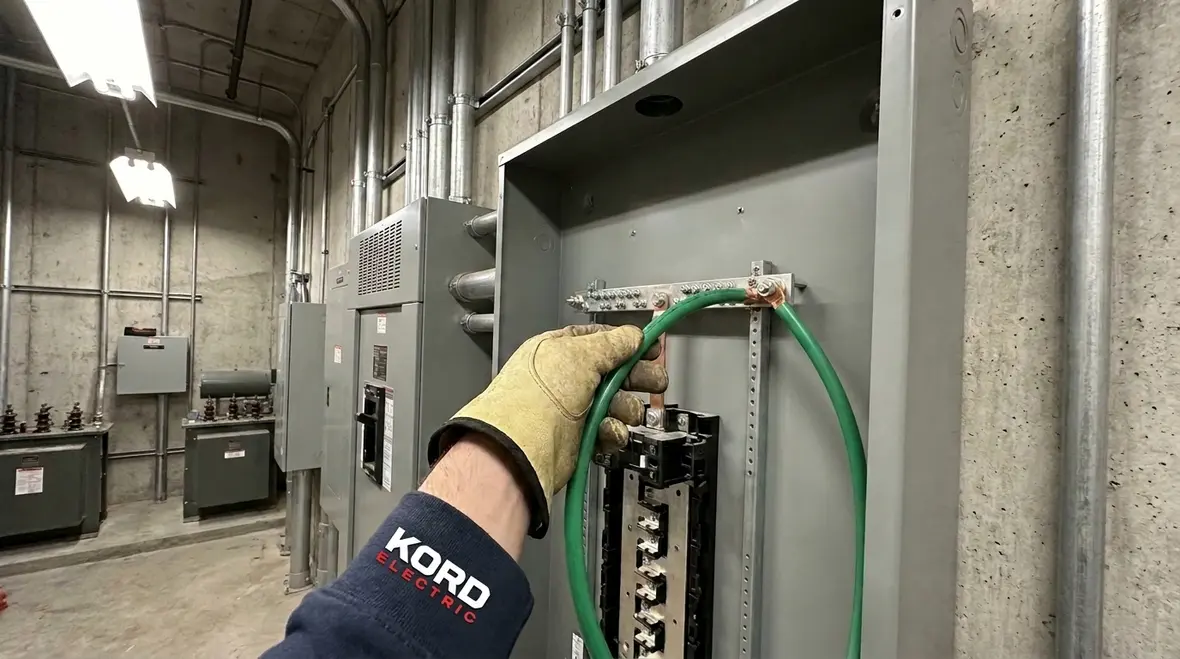
NEC GEC Material Requirements Under NFPA 70 250.62
At Kord Electric, we help commercial and industrial facilities meet the rules that keep people safe and systems reliable. In the intro, we want to set the baseline clearly: NEC GEC material requirements under NFPA 70 Section 250.62 explain what “General Equipment Conductor” materials are allowed when you build, connect, and bond grounding paths. In other words, this is where the code draws a line between “works in real life” and “works in real life and also passes inspection.” And yes, inspectors do sometimes feel like final bosses from a video game, but we make sure your grounding plan beats them with facts, not luck.
What NFPA 70 Section 250.62 allows for grounding
NFPA 70, also called the NEC, uses Section 250 to define grounding and bonding. Within that section, Section 250.62 focuses on the GEC material rules. Therefore, it matters when a facility uses conductors for the grounding electrode system and for connections that must carry fault and bonding currents.
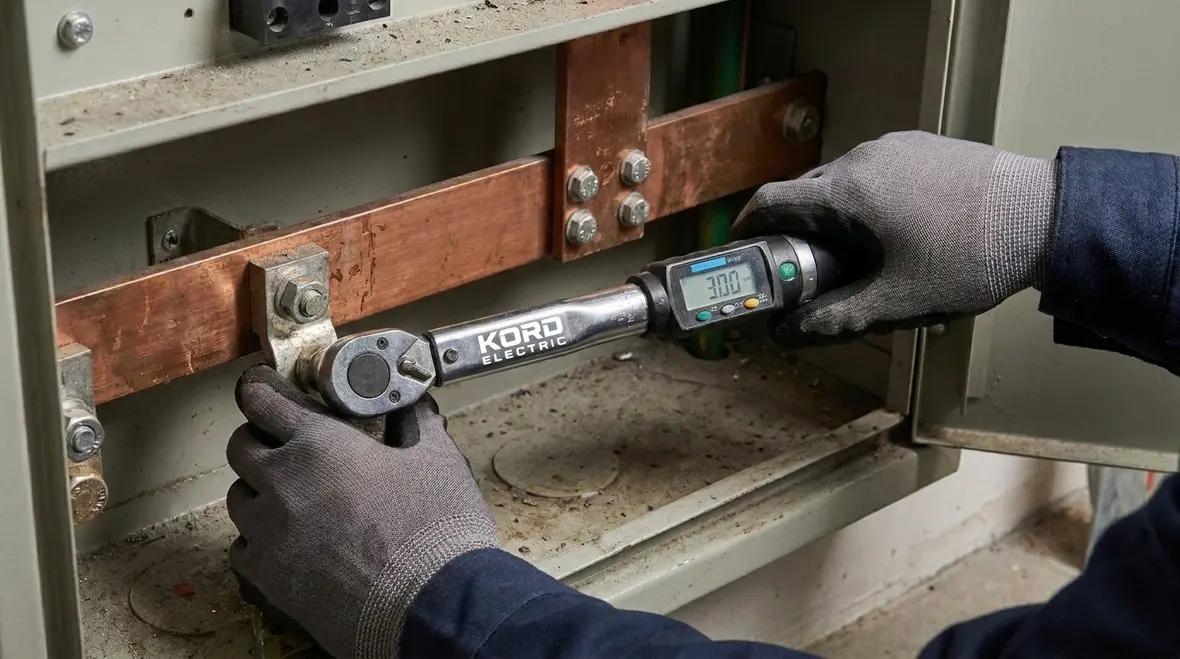
In practical terms, we look at the conductor types, how they are rated, and whether the installation method matches the approved use. So, if your project includes grounding buses, electrode conductors, metallic raceway paths, or bonding jumpers tied into a broader grounding scheme, the material rules under 250.62 can affect material selection, sizing, and connection details.
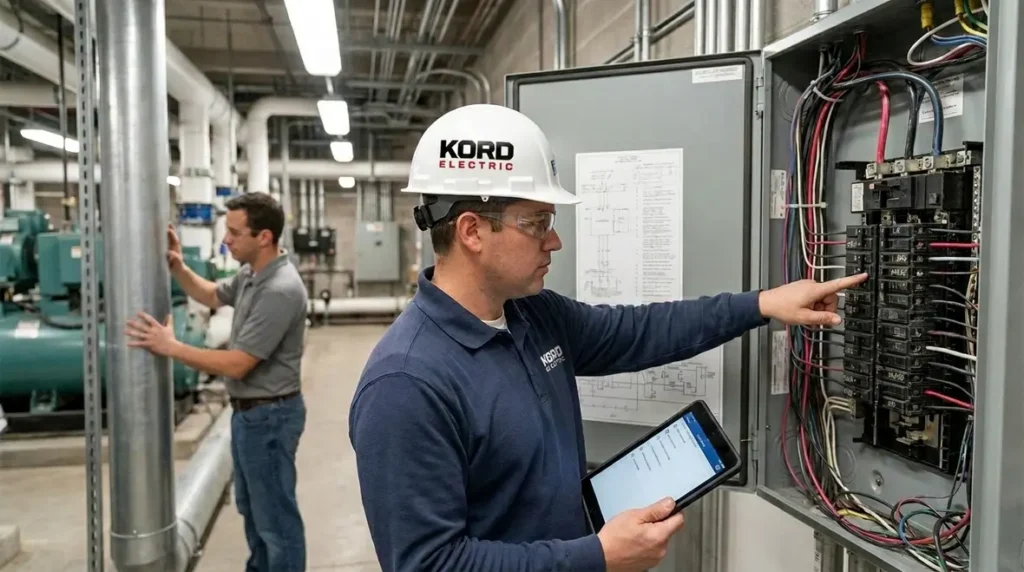
Meanwhile, our technicians and expert service staff explain this in a calm, step by step way because confusion here can turn into delays later. And delays are expensive for a warehouse, a hospital, a data center, or any major property that cannot shut down while we “figure it out.”
Where GEC material shows up in commercial and industrial jobs
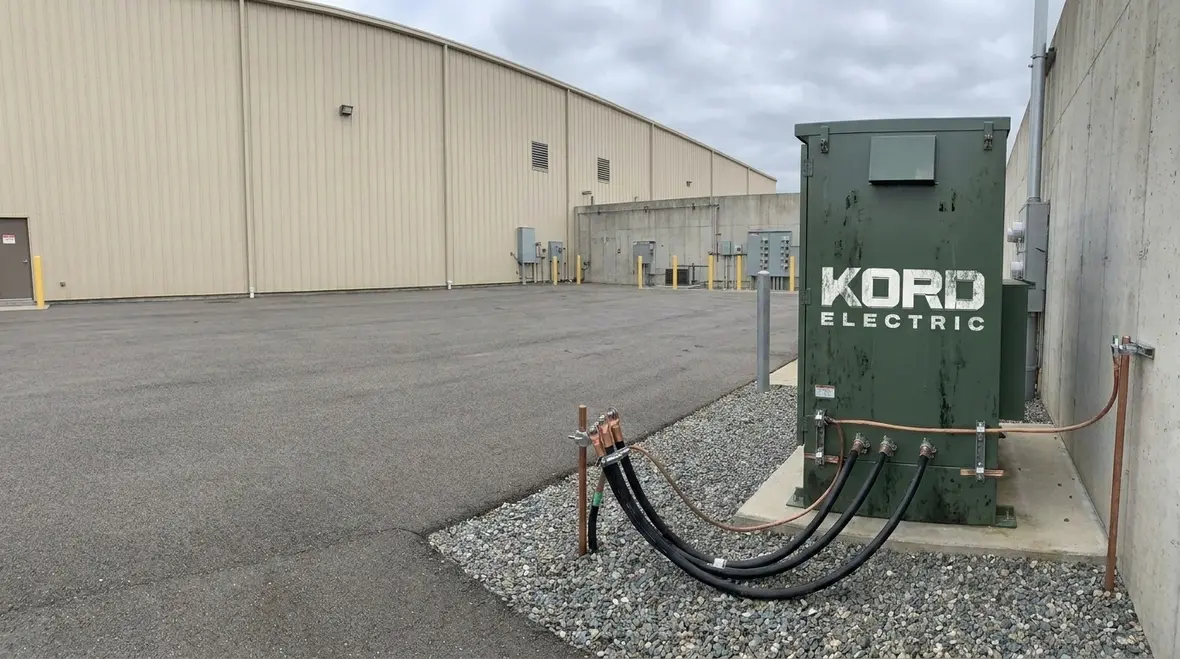
Most people do not notice the grounding system until something fails. However, in large buildings, grounding shows up everywhere: at service equipment, at transformer systems, at exterior electrode points, and at bonding of metal parts that can become energized during faults.
In the field, we usually encounter GEC connections during these phases:
- Service entrance grounding where the grounding conductor must match code requirements for permitted conductor material
- Transformer and switchgear bonding where the grounding path stays consistent and reliable
- Building steel and metal system bonding where conductive paths avoid stray voltage and reduce shock risk
- Exterior electrodes where harsh weather and corrosion forces a careful materials choice
As projects scale, the details stop being “small.” A minor mismatch in conductor material or a sloppy termination can create inspection failures, hidden corrosion issues, or increased fault current heating. Then everyone learns the same lesson the hard way, like ordering a pizza and realizing too late you needed anchovies and not just hope.
How code-compliant material choices reduce risk and inspection trouble
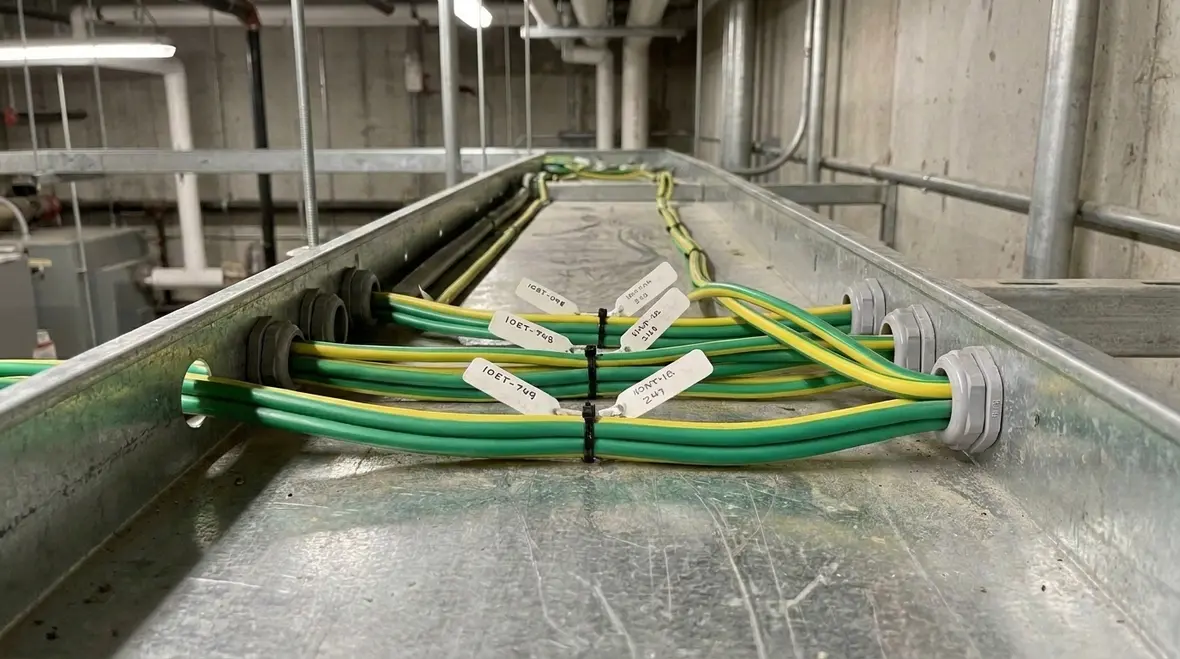
When grounding conductors use materials that the NEC allows, you reduce risk in two ways: first, by improving long term electrical performance, and second, by supporting inspection outcomes that do not require last minute changes.
To do this, we approach the job like our service team would teach it on day one. We verify:
- Conductor listing and rating so the material fits the NEC intent for grounding and fault current paths
- Compatibility with the environment so corrosion, moisture, and physical wear do not attack the conductor over time
- Termination quality because a code allowed conductor can still fail if it gets a weak connection
- Routing and protection so the conductor does not suffer damage during construction, maintenance, or operations
Next, we connect those choices to the larger grounding and bonding plan. For example, grounding is not a single cable you install and forget. Instead, it is a network of conductors and connections that must maintain conductivity and mechanical integrity. And that is where an expert eye matters.
Here is a simple reality: inspectors often look for consistency. If the materials and methods match what the NEC allows, you usually see smoother approvals. If they do not, you risk an argument that takes longer than a coffee break and just as empty as the budget you were trying to protect.
Approved methods: installation practices that keep GEC paths solid
Even when the material is correct, the installation still must support safe performance. Therefore, we treat installation practices as part of “material compliance,” because the NEC intent includes reliable paths for fault current and stable bonding over years of service.
In many commercial and industrial settings, we see these installation factors that matter:
- Correct conductor sizing aligned with the specific grounding and bonding task
- Secure mechanical terminations that hold under vibration and thermal changes
- Bonding continuity so parallel paths do not undermine the grounding scheme
- Physical protection for areas where the conductor can get hit by equipment, traffic, or tools
- Clear identification so maintenance teams can service systems without guessing
So, when our technicians review a plan, we do not only ask what the conductor is. We also check how it travels, how it connects, and how the building team will maintain it. That is why our field explanations stay practical: we want your facility staff to understand what they have, how it works, and what to protect.
In the end, the best compliance is the kind that still works after your maintenance team changes a panel label, and your building manager swears it was “just for a second.” We have heard that story too many times.
Dual column guide: common GEC compliance checks we run
Below, we present the exact style of checks our team runs for commercial and industrial facilities. We keep it simple, because good systems need clarity, not mystery.
| Check | Why it matters |
| Verify permitted GEC material use under NEC rules | It supports safe grounding performance and smoother inspections |
| Confirm terminations are tight and properly formed | It prevents heat, looseness, and future failure points |
| Inspect routing for damage risk and exposure | It reduces corrosion and physical wear in real operations |
| Match bonding intent across metallic systems | It avoids stray voltage and keeps conductive paths consistent |
| Coordinate with facility maintenance needs | It helps crews service systems without guesswork later |
And just like any good training session, we explain the “why” behind each item. That way, your team can spot issues early instead of waiting for a problem to become an emergency.
Working with Kord Electric technicians for NEC readiness
We support commercial and industrial facilities, and we do it with a focus on what actually matters at the jobsite. That includes bringing clarity to the code language, then translating it into materials, installation steps, and documentation that match your project needs.
When our technicians review a grounding scope, they also consider how the building’s electrical systems connect over time. For example, a major property building often evolves with tenant upgrades, system additions, and equipment swaps. Therefore, the grounding design must remain correct even as the facility changes.
Here is where our expert service staff earns their keep. We explain how NFPA 70 rules link to grounding and bonding decisions, and we make it clear where teams usually make mistakes. If a project tries to cut corners on conductor selection or termination details, we point it out early, before the schedule gets crushed and someone has to run around like they are chasing a broken remote across the couch.
Additionally, we align our approach with the guidance you can find in resources such as the NEC overview in our own article Understanding NFPA 70: The National Electrical Code Explained for 2026, as well as related NFPA 70 discussions on partner sites like Kord Fire’s NEC explainer. These references help teams keep the bigger picture, and then our field work confirms it for your site, your materials, and your installation.
So, whether you are planning an upgrade or confirming an existing grounding scheme, we help you build confidence, reduce inspection risk, and keep electrical systems ready for real operating conditions. For facilities in Southern California, this often connects directly to our broader Los Angeles County electrical services, where grounding, bonding, and NEC compliance all move together as one plan.
FAQ: NEC GEC material and Section 250.62
Final word and next step for your facility
If you want your grounding and bonding work to hold up in real operations and pass inspection with less stress, start with a clear review of your GEC material plan. At Kord Electric, we bring expert service staff into the conversation early, so your team avoids guesswork and expensive rework. Contact us to discuss your project scope, review the grounding conductor and termination approach, and build NEC confidence from day one. When your electrical systems stay dependable, your operations stay calm.
If your facility is planning renovations, new service equipment, or major distribution changes, this is also the right moment to align your NEC GEC material requirements with broader grounding, bonding, and load calculation strategy. Our team regularly coordinates these reviews alongside resources like our NFPA 70 explainer content and code upgrade consulting articles, so your design, materials, and inspection story all move in the same direction.