
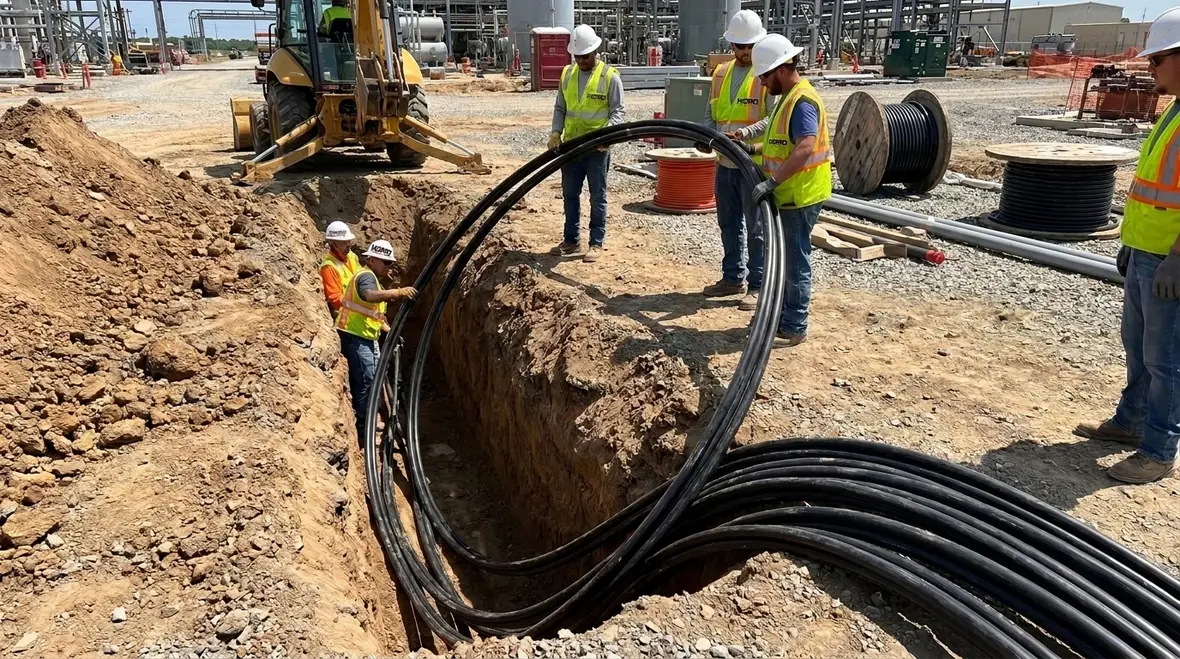
NEC Direct Burial MV Conductors and NFPA 70 315.36 Guide
When a facility needs to move medium voltage power safely underground, NEC direct burial MV conductors become a key decision, not a footnote. In this guide, Kord Electric helps our commercial and industrial clients understand how NFPA 70 Section 315.36 addresses direct burial rules, so the cable stays protected, the system stays reliable, and the project stays on schedule. And yes, we know. Reading code language can feel like watching a slow movie where the plot moves only when someone remembers to press play. Still, our expert service staff and field technicians break it down in plain terms, then we help you apply it correctly to your site, your soil, and your real-world installation.
Throughout this discussion, we also connect direct burial decisions to the broader National Electrical Code story. For teams who want a deeper code overview, Kord Electric maintains resources like our article on Understanding NFPA 70, the National Electrical Code Explained for 2026, which pairs well with this focused look at Section 315.36 and underground medium voltage work.
What NFPA 70 315.36 requires for direct burial MV
Third person, clean facts, and steady pacing work best here. NFPA 70 Section 315.36 lays out how medium voltage conductors can be installed directly in the earth without conduit, as long as the cable and the installation method meet specific safety and performance conditions. In simple terms, it sets expectations for insulation type, conductor construction, and the way the cable handles heat, moisture, and physical damage over time.
So, when a project team plans for trench work and backfill, they should treat the requirements like a checklist that starts before the first shovel hits dirt. Additionally, the code ties installation details to the conductor’s ability to resist damage, not just to how the cable looks on day one. This is where our technicians often help most, because we see the same avoidable mistakes across job sites: rushed planning, mismatched cable ratings, and “we will figure it out later” decisions that later becomes a problem.
In practice, NFPA 70 Section 315.36 operates alongside the broader NEC structure that governs wiring methods and underground raceways. Kord Electric helps teams interpret how this section interacts with related guidance, such as underground feeder and branch-circuit rules, so that direct burial MV conductors sit inside a coherent design, not a one-off exception that inspectors have to puzzle over later.
How cable construction and insulation affect burial choices
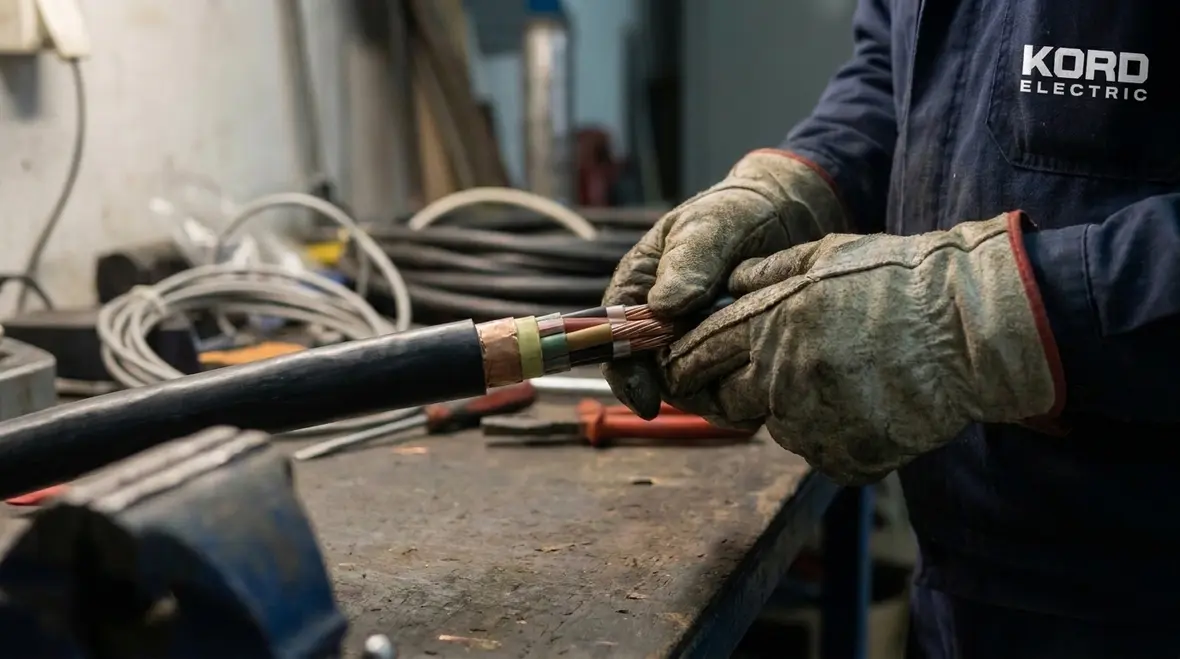
Direct burial does not mean “no rules.” It means the rules shift toward the cable itself. Medium voltage conductors must be built to survive burial conditions. Therefore, cable jacket type, insulation design, and overall construction matter because they determine how the conductor handles moisture and contaminants in the ground. If the cable is not meant for direct burial, then the installation may meet a schedule but fail the safety goal.
Our approach at Kord Electric stays practical for commercial and industrial facilities. We help owners and engineers connect the code language to real cable selections. Then, we confirm the conductor is suitable for direct burial under the planned conditions. After that, our expert service staff reviews installation practices that affect long term performance.
For example, if the cable’s insulation system cannot tolerate long term dampness, the ground environment becomes a slow attacker. Over time, that can lead to higher failure risk. In other words, it is less like a pop quiz and more like a long test that the cable always takes, whether anyone planned for it or not.
Because code sections can feel abstract, we often pair Section 315.36 discussions with resources that explain the NEC framework in business-friendly language. Articles like Kord Electric’s Understanding NFPA 70, the National Electrical Code Explained for 2026 help teams see how conductor ratings, insulation systems, grounding, and overcurrent protection all intersect when underground distribution is on the table.
Soil conditions and trench practices that protect the system
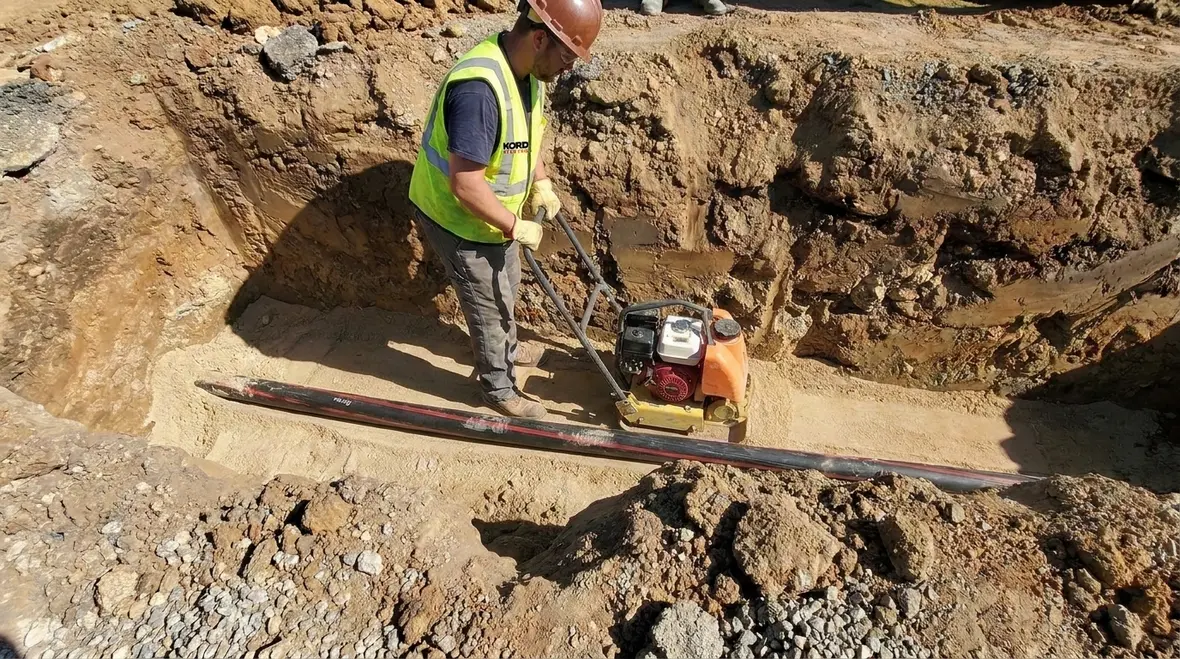
Even when the conductor is correct, installation still decides the outcome. Soil conditions drive risk. Clay holds moisture differently than sandy soils. Rocky areas can create sharp stress points. Then thermal performance changes as trench dimensions, backfill material, and compaction vary.
Therefore, crews must install the cable with proper bedding and backfill practices that reduce damage and support the cable’s temperature limits. Kord Electric focuses on the practical steps that matter in the field. We coordinate trench depth, cable placement, and backfill selection so the installation matches the assumptions behind the conductor’s direct burial rating.
Our technicians also look for damage risks during pulling, placing, and splicing. A conductor can arrive perfect and still suffer harm when tension, bending radius, or sharp contact gets ignored. And yes, the “it looked fine” moment can become expensive later. We prefer to catch issues early, because commercial and industrial facilities often operate on tight downtime windows.
On many major property projects, trench and soil design also ties into load calculations and distribution planning. Kord Electric often coordinates this underground work with feeder diagram requirements, service equipment layout, and AHJ expectations so the buried portion of the system supports the same reliability standards as gear rooms, risers, and distribution panels above ground.
Splices, terminations, and why workmanship matters
Direct burial installations often face one quiet truth. The cable itself might be the best part of the job, while splices and terminations quietly carry the risk. That is why NFPA 70 practices require attention to how connections remain safe, durable, and protected.
When Kord Electric manages these projects, we treat splicing and termination work like a critical path activity. We train our field teams to follow the right procedures, use appropriate components, and plan splice locations with maintenance and future troubleshooting in mind. We also ensure the selected methods stay consistent with the burial environment and the conductor type.
Additionally, we help coordinate with the project schedule. After all, if splices sit half finished because a delivery was delayed, that creates hazards during weather changes and jobsite traffic. In a world where everyone wants to “move fast,” we move steady. The code does not reward speed if safety loses.
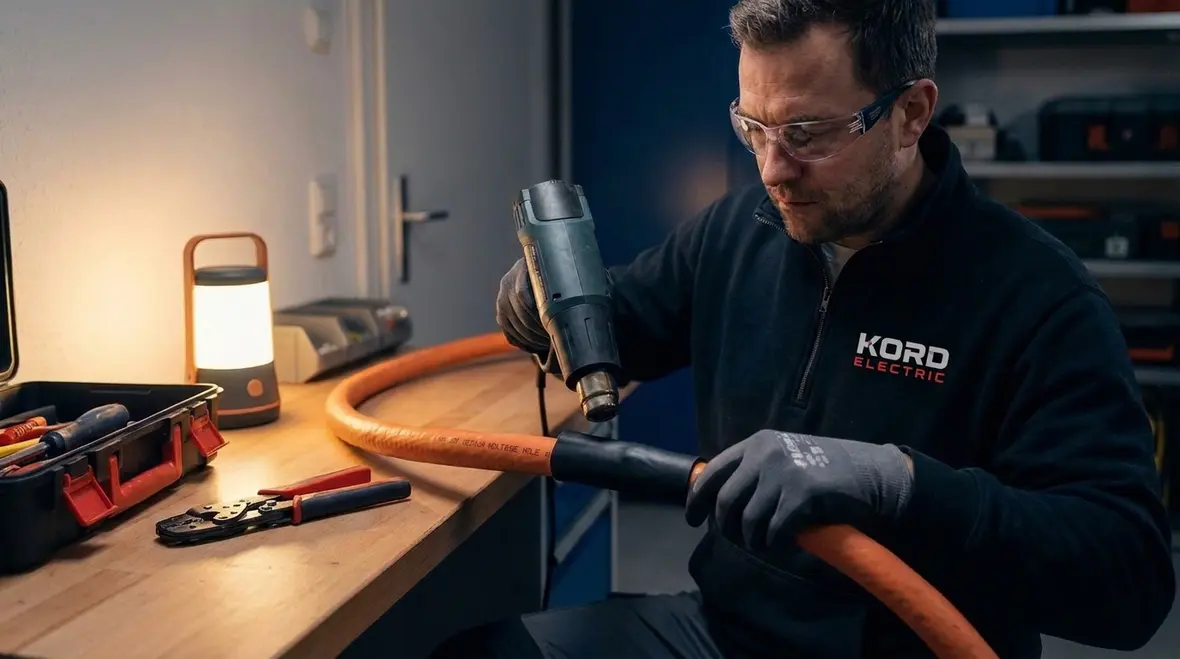
Because splices and terminations are so critical, we align them with the same NEC mindset that governs equipment servicing space, service equipment barriers, and specific purpose load calculations. That way, the underground connections fit neatly into the broader protection, isolation, and maintenance strategy for the facility.
What to coordinate with engineers, utilities, and inspectors
Commercial and industrial facilities usually involve multiple groups, and each one can affect how NEC direct burial MV conductors get accepted. Site engineers determine routing. Utility requirements may influence depth or separation. Inspectors look for code compliance evidence that matches the plan set. Meanwhile contractors need clear, buildable instructions.
To keep this smooth, Kord Electric supports coordination early. We help teams align the conductor selection to Section 315.36 expectations, then we document field practices that support inspection readiness. Our expert service staff also explains what inspectors typically watch for on these projects, so the team can prepare rather than scramble at the end.
We also bring clarity around documentation. That means cable type verification, installation method notes, and splice and termination method details. When those pieces match what the code and drawings call for, inspections move with less friction. Then the facility benefits from fewer surprises, and the owner benefits from fewer delays.
Often, this coordination pulls in other NEC-focused planning work. For example, when a project includes new feeders, service upgrades, or specialized loads, we connect direct burial planning with topics like NEC feeder diagram requirements, service equipment barriers, and AHJ enforcement direction so that everyone, from design engineers to local inspectors, shares a consistent picture of what “good” looks like.
Common failure points we prevent for major properties
When a project goes wrong underground, it is rarely one dramatic event. It is usually a chain of small gaps that grow bigger under load cycles, moisture changes, and physical stresses.
Based on what our technicians see across commercial and industrial sites, the most common failure points include these:
- Choosing conductors that do not truly match direct burial needs
- Ignoring trench and backfill details that affect heat and stress
- Allowing physical damage during cable handling and placement
- Using improper splice or termination methods for the burial environment
- Failing to document installation steps and component selections
Now, here is the playful part. Some teams treat underground work like it is invisible magic. Once it goes in the trench, it becomes “someone else’s problem.” That attitude can turn into a major property problem real fast. Kord Electric pushes against that mindset by staying involved from planning through closeout, so the system performs long after the final backfill.
To stack the odds in your favor, we often pair direct burial design with broader building electrical system planning. By aligning NEC direct burial MV conductors with load calculations, selective coordination, and documentation standards, our team helps facility leaders build underground systems that behave like stable, predictable infrastructure instead of unpredictable “mystery tunnels” beneath the property.
Code awareness without chaos for 2026 planning
Facilities often plan upgrades years ahead, because outages, switchgear work, and civil construction do not wait politely. That is why many teams look for updates and plain language explanations around the NEC and NFPA 70. Kord Electric stays aligned with how people interpret these standards and how code guidance affects field decisions.
While rules evolve, the core goal stays consistent: safe power distribution with durable installations. Kord Electric also stays connected to broader industry guidance and training resources, including the kind of code education published by Kord Fire and regional training groups such as firepumps.org. Our focus remains on practical application, especially for major property buildings that rely on dependable electrical service.
Additionally, we keep our clients informed in business casual terms. Our expert service staff will explain what matters, what does not, and what changes actually impact direct burial MV conductor selections and installation methods. Then you avoid the classic situation where a team hears “code update” and responds with panic, like a movie character realizing the trap door is open.
When teams want more context around where Section 315.36 fits in the NEC universe, we often point them toward companion resources. Those include Kord Electric’s own articles on what NFPA 70 covers in practical terms, how AHJs enforce NEC expectations, and how the 2026 code scope is explained in Section 90.1. On the fire protection side, our colleagues at Kord Fire walk through NFPA 70 from a risk reduction perspective, which pairs naturally with underground distribution discussions.
How NEC direct burial MV conductors fit broader facility strategy
Underground medium voltage work rarely stands alone. It usually supports a larger story: new campus buildings, plant expansions, upgraded emergency power, or modernization projects that replace aging distribution with safer, more maintainable equipment. In that larger story, NEC direct burial MV conductors become one important chapter.
For commercial and industrial facilities, Kord Electric often connects direct burial planning with building electrical system design, specific purpose load calculations, and service equipment barrier decisions. That way, the underground system reflects the same strategic choices that govern feeders, switchgear, panelboards, and life safety circuits. The result: fewer surprises when demand shifts, equipment changes, or new tenants move in.
If your project sits in Southern California, that broader strategy also includes local experience. Kord Electric’s dedicated Los Angeles County electrical services support everything from new underground MV distribution to emergency repairs and long term preventive maintenance. That regional focus helps us blend NEC requirements with local utility practices, jurisdictional expectations, and practical construction realities across the county.
By bringing these threads together, facility teams can treat NEC direct burial MV conductors not as isolated “cable in the dirt” decisions, but as part of a disciplined electrical system roadmap that keeps power reliable, inspections predictable, and expansion paths open for future work.
Featured snippet FAQ
Ready for a safer direct burial MV plan?
Kord Electric supports commercial and industrial facilities that need dependable medium voltage power underground. Our technicians and expert service staff help teams apply NFPA 70 Section 315.36 in the real world, from conductor selection to trench practices, splices, and inspection-ready documentation. If you are planning new construction or a major property upgrade, we can review your scope and guide the right build path. Reach out to Kord Electric today, and let’s keep your electrical system calm, safe, and ready to perform.
Underground work might never become anyone’s favorite movie scene, but with the right planning, it does not have to be a thriller. By treating NEC direct burial MV conductors as a strategic decision, not a quick line item, your facility can enjoy long term reliability without constant plot twists beneath the surface.


