
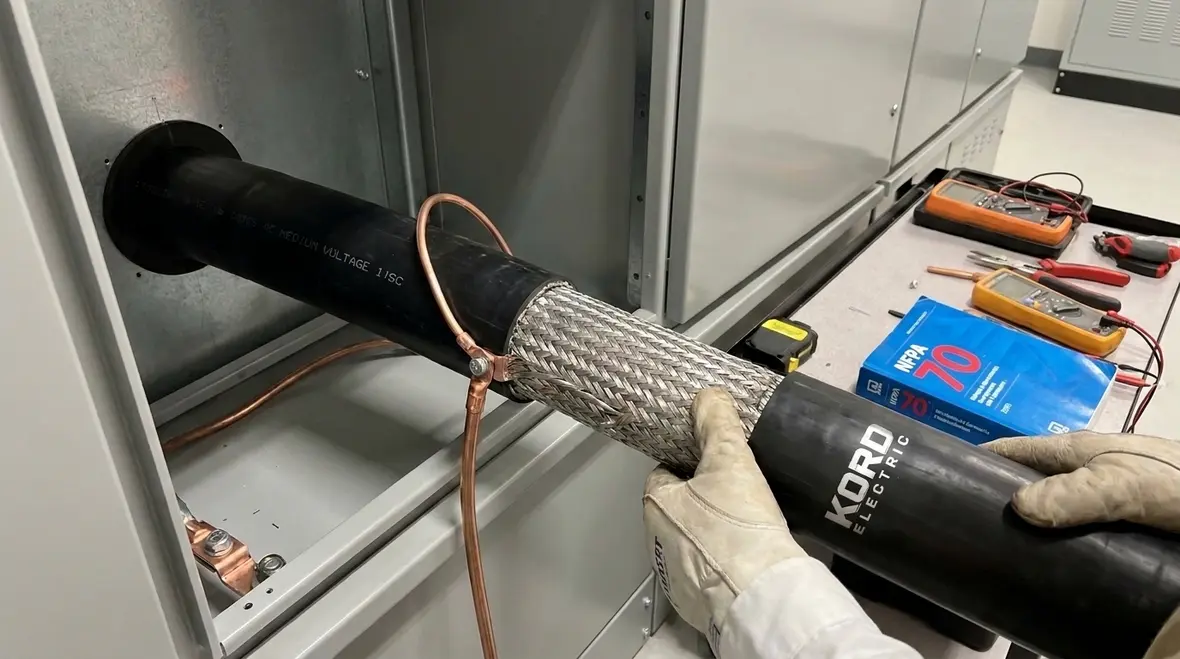
NFPA 70 315.44 NEC MV Cable Shielding Explained
Commercial and industrial sites run on systems that must hold up under pressure, and that is where NEC MV cable shielding earns its keep. At Kord Electric, our technicians and expert service staff explain the rules in plain language, then apply them in the field with care. In this article, we break down NFPA 70 Section 315.44 and what it means for medium voltage cable shielding. We also cover how good shielding helps manage electrical stress, reduces unwanted interference, and supports safer, more reliable power delivery. And yes, we will keep it professional, even if the code reads like it was written by a committee of sleepwalkers.
NFPA 70 315.44 and why it matters for medium voltage
NFPA 70, also called the National Electrical Code, sets practical safety rules for how electrical systems should be built and maintained. Section 315.44 focuses on shielding for medium voltage cables, which means cables used for higher voltage loads common in large buildings, industrial plants, and major property developments. This matters because medium voltage systems often serve as critical feeders for switchgear, transformers, and large mechanical loads.
As we explain to facility teams, the goal of the rules is not just “compliance theater.” Instead, the goal is to control how electric fields behave along the cable and how the system handles faults, moisture, and other real world conditions. In other words, shielding helps ensure the cable’s insulation works the way the design expects, even when the environment tries to mess with it.
When we review a jobsite, we look at how medium voltage cables are routed, terminated, grounded, and protected. Then we connect those details to what 315.44 requires, and we confirm the installation supports the safety intent of the NEC.
What “shielding” actually does inside MV cable systems
Many people hear the word shielding and picture a simple barrier, like a metal box around a device. However, medium voltage cable shielding plays a more technical role. It helps manage electrical stress on the insulation and reduces unwanted coupling of electromagnetic energy into nearby equipment or conductors.
When the insulation sees stress from voltage, temperature, and installation conditions, the shield helps maintain more controlled electric field distribution. As a result, the cable performs more predictably during normal operation, and it handles abnormal conditions with better control. Therefore, shielding supports both reliability and safety.
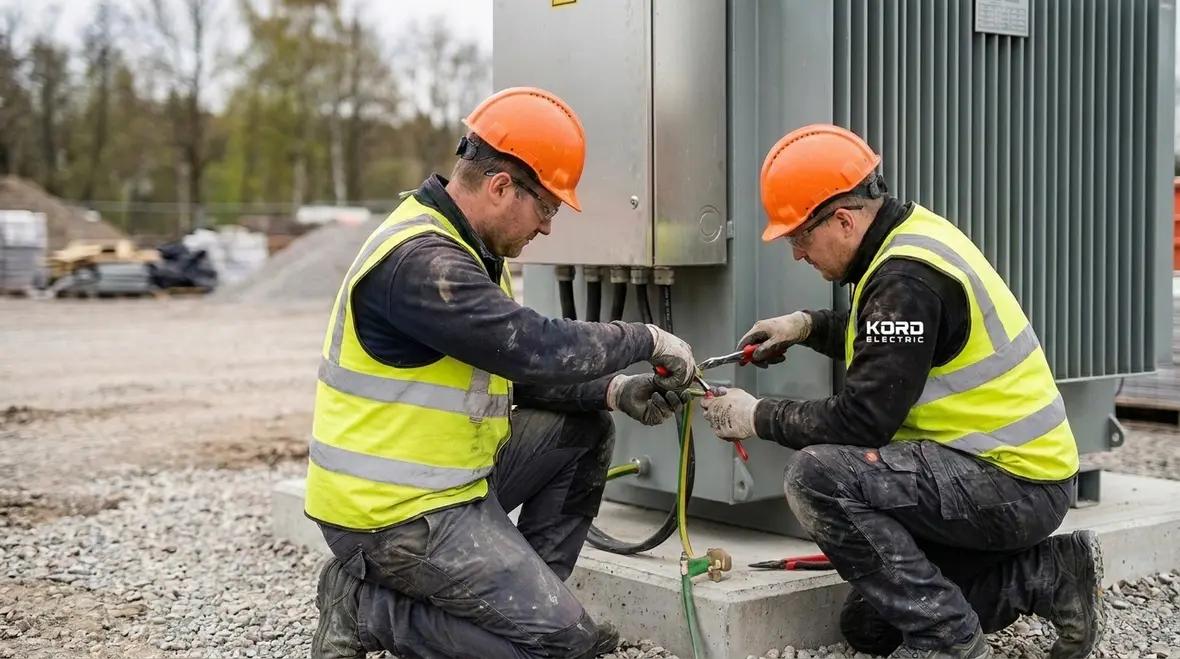
In practice, shielding also connects to grounding and bonding strategy. If the shield is treated like an afterthought, the system can behave inconsistently. If it is installed correctly, the shield works with the grounding and terminations to control current paths during a fault event.
And if you think “grounding” sounds boring, that is because it is the adult version of seatbelts. You do not notice it until you need it, and then you are thankful it was done right.
How NFPA 70 Section 315.44 shapes installation choices
Section 315.44 does not just ask for a shield to exist. It guides how we treat the shielding in the medium voltage cable system. This affects several choices that commercial and industrial electricians must get right.
First, our technicians follow the code requirements related to the handling of the shield during installation and terminations. Terminations are where many systems fail in the real world, because the mechanical connection and electrical connection must match the cable design and the intended grounding method.
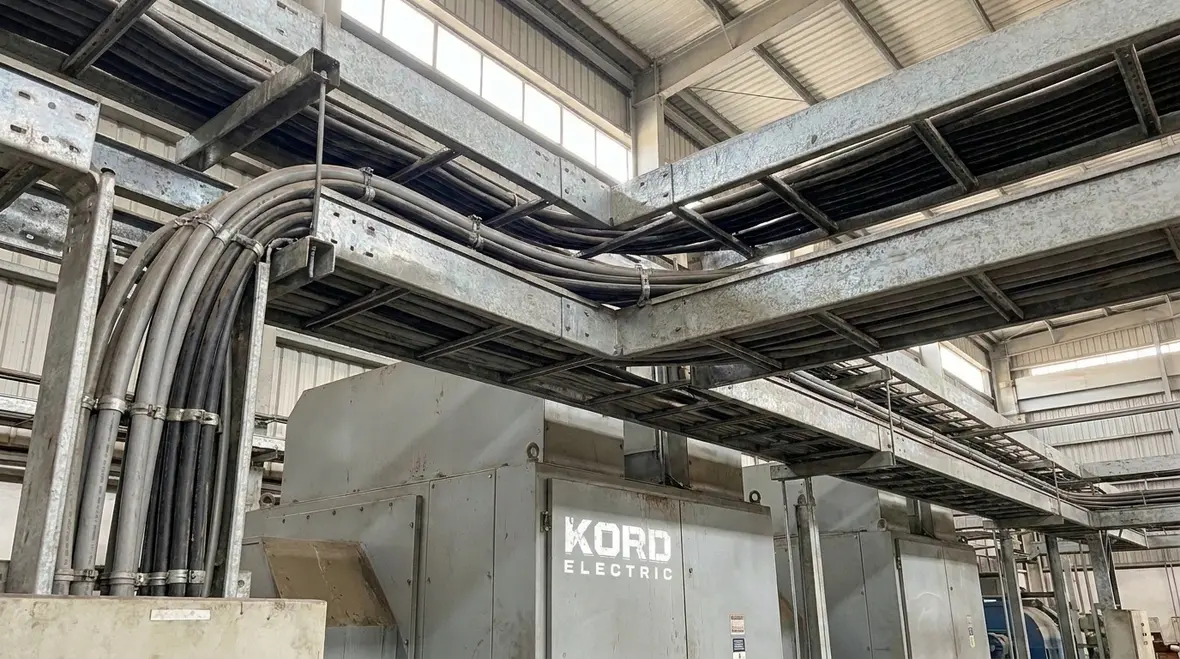
Next, we plan cable runs and protection measures with the shield in mind. Even when the cable jacket looks tough, the shield must still meet the performance expectations of the system. Therefore, we coordinate cable support, bending limits, and physical protection with the shielding requirements.
Finally, we verify the overall grounding and bonding approach. Shielded cables need a consistent plan for how their shields connect to ground. If that plan does not match the code intent, the shield may not drain fault energy the way the system expects.
At Kord Electric, we also reference guidance discussed across NEC related resources, including how the code is structured and how it applies to major property buildings. Our team explains what the rule means, then we make sure the design and installation line up. For deeper background on how the National Electrical Code fits into real projects, many facility teams also review our educational article “Understanding NFPA 70: The National Electrical Code Explained for 2026.”
Terminations and grounding: the part that separates “installed” from “engineered”
Shielded medium voltage cables only perform well when the termination and grounding are correct. Otherwise, you can end up with electric field problems, unpredictable noise levels, and weak fault control. And nobody wants to troubleshoot that at 2 a.m., when the building is quiet and everyone pretends it is not happening.
For our commercial and industrial work, we treat MV cable terminations as an engineering step, not a quick hookup. We confirm the termination materials match the cable design, and we confirm the shield connection method follows the applicable requirements. Then we check the grounding path to ensure the shield has a controlled route to ground.
We also consider how the shield interacts with nearby metallic structures and electrical equipment. If the shield grounding is wrong, the system can create stray currents or unwanted coupling. Therefore, we coordinate bonding to keep electrical behavior stable across the facility.
As our expert service staff explains on-site, this is where many “almost correct” installations stumble. So, we slow down, document the approach, and verify results.
Managing interference and fault behavior for major facilities
Large facilities demand stable power and predictable protective device behavior. Shielding contributes to both. It helps reduce electrical interference that can affect controls, instrumentation, and communication lines near medium voltage runs. In commercial buildings, that can mean cleaner signals, fewer nuisance alarms, and fewer trips that look mysterious on paper.
Equally important, shielding supports controlled fault behavior. During a fault, current paths and energy release must follow the system design so protective devices can operate correctly. Shielding, along with proper grounding and bonding, helps ensure the fault currents route where engineers intend.
That is why we focus on the entire system. We do not isolate a cable and call it done. Instead, we coordinate cable shielding choices with switchgear design, transformer connections, protection settings, and the grounding grid used across the property.
In short, good NEC MV cable shielding supports safer power delivery and helps keep critical loads running when they need to run. And if you manage a major property building, that is not just a nice idea. It is the difference between a planned outage and an emergency one.
How our team at Kord Electric supports compliant MV shielding
Our approach stays hands on and practical. We serve commercial and industrial facilities and major property buildings, and we build our process around the realities of those projects. We start with a clear review of the cable system and the installation plan, and then we confirm the shielding and grounding approach matches NFPA 70 requirements.
Next, our technicians explain the logic behind each step. We do not just point at code language. Instead, we translate what NFPA 70 Section 315.44 requires into installation actions you can verify in the field. That includes how shielding ties into terminations, how it connects to ground, and how the run stays supported and protected.
Then we document what we do so facility teams can maintain it. Maintenance matters because even a correct installation can degrade if later work changes the cable, grounding, or termination details.
For teams that want to review broader NEC structure and application, we also encourage a review of the educational content we publish across our platforms, including resources connected to Kord Fire and the related learning hub at kordfire.com.au. While those resources cover wider topics, they reinforce how the code is meant to be applied in real systems, not treated like a PDF trophy.
Key takeaways for NFPA 70 medium voltage shielding projects
What we focus on
- Shielding and grounding designed as one system
- MV cable terminations built to match the cable and code intent
- Proper support, routing, and physical protection for shield performance
- Verification and documentation for safe long term maintenance
Why it matters
- Stable electric field control across the cable insulation
- Reduced interference with controls and nearby systems
- More predictable fault current paths
- Lower risk for nuisance issues and unsafe conditions
And yes, when people say “it passed inspection,” we still think about whether it will perform under load, during faults, and after ongoing facility changes.
FAQ about NFPA 70 Section 315.44 and MV cable shielding
Ready for a compliant MV shielding review?
At Kord Electric, we help commercial and industrial teams confirm their medium voltage cable shielding approach aligns with NFPA 70 Section 315.44. Our technicians and expert service staff explain the requirements in clear, field ready terms, then we verify terminations, grounding, routing, and support details that actually affect performance. If you are planning an upgrade, addressing interference, or preparing for an inspection, contact us for a focused review. Let us make the code feel less like homework and more like a plan.
For facilities across the region that need a broader electrical assessment alongside MV shielding work, our Los Angeles County electrical services team can coordinate distribution upgrades, protection settings, and system improvements so NEC MV cable shielding fits into a complete, code-aligned design.
Whether you are working through NEC MV cable shielding details, planning new feeders, or mapping out future expansions, our goal stays the same: build a system that behaves correctly under load, during faults, and through the everyday changes that real facilities see over time.


