
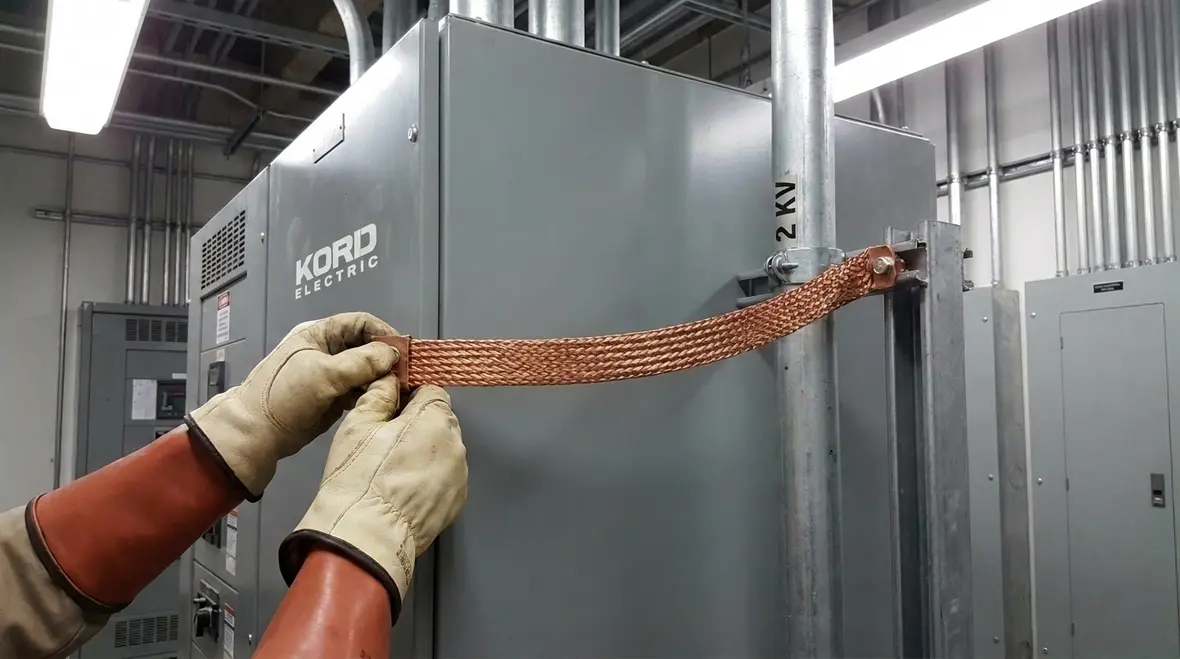
NEC Enclosure Bonding 2 kV: Why Section 270.86 Matters
In the commercial and industrial world, electricity behaves like a guest with a key. It shows up uninvited if you ignore the rules. That is why Kord Electric pays close attention to NEC enclosure bonding 2 kV requirements early in design and during field work. In this guide, we explain NFPA 70 Section 270.86, which focuses on bonding other enclosures and raceways above 2 kV. We also make sure our team clarifies what the text means in plain terms, because “technical” is only helpful if it actually helps.
And yes, we hear the joke that nobody reads the bonding section until something heats up. Then everyone suddenly becomes an expert. We would rather prevent that moment entirely.
What Section 270.86 Is Really Trying To Prevent
Section 270.86 exists for one main reason: safety and fault control when systems carry more than 2 kV. Above that level, the consequences of a bad bond can be severe. So, the code aims to keep electrical enclosures and raceways at the right electrical reference, especially during faults.
As a result, bonding helps ensure that protective devices trip in time. It also limits dangerous differences in potential between metal parts that a person could touch. Furthermore, it supports proper clearing of fault current, so equipment does not end up acting like an unintended resistor heater.
In practice, this means our technicians treat enclosures, raceways, and metal structures as a coordinated system. They do not treat them as separate islands of metal that just happen to share space.
Where “Other Enclosures And Raceways” Show Up In Real Projects
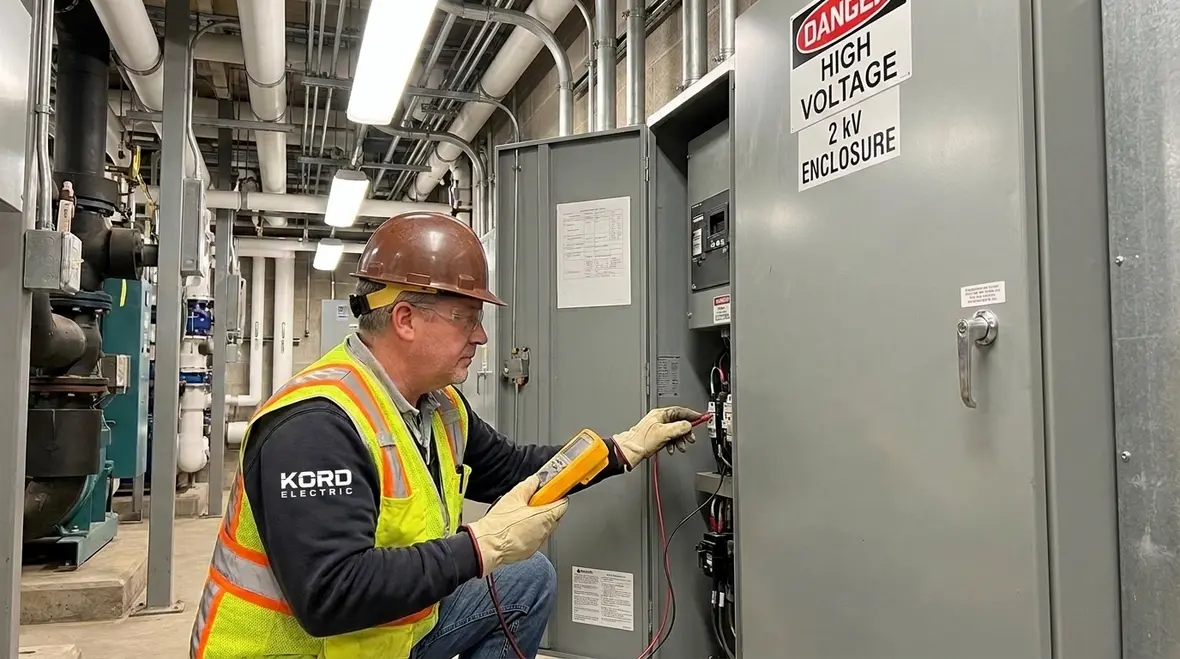
On commercial and industrial sites, “other enclosures and raceways” can include more than a simple panel door. For example, Kord Electric commonly sees them in these places:
- Transformer and switchgear accessory cabinets that sit next to higher voltage gear
- Conduit runs that connect equipment rooms, cable tray sections, and equipment pads
- Enclosures for metering, control devices, and communication interfaces located near high voltage areas
- Raceways feeding equipment that uses higher voltage distribution blocks
Then there is the part people forget. Even when the enclosure does not carry the high voltage conductors directly, it can still become part of the fault path if the metal parts are not bonded correctly. Consequently, Section 270.86 covers bonding practices that protect against that “surprise fault” scenario.
How Bonding Above 2 kV Works With Fault Current And Protective Action
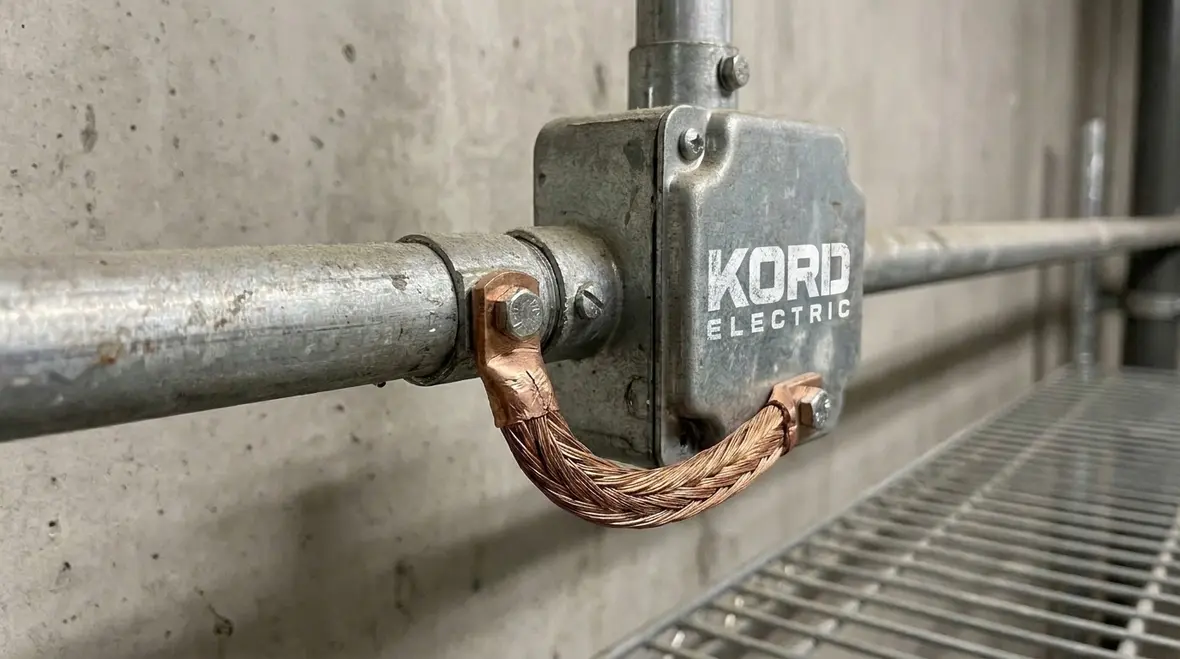
To understand why bonding matters, you have to picture what happens during a fault. A fault can create a path that includes enclosures and raceways. If bonding is missing or loose, the fault path may become longer and less predictable.
Now think about the protective devices. Circuit breakers, fuses, and protective relays depend on current and impedance to clear faults within required times. If the bonding scheme does not lower and control the impedance of the fault path, protective devices may not operate as intended.
Moreover, poor bonding can lead to elevated voltages on exposed metal parts. That is when compliance stops being a paperwork exercise and starts becoming a real life safety issue. Therefore, we make sure our technicians follow Section 270.86 as a system requirement, not as a “check the box later” item.
Field Practices Kord Electric Uses For NEC Enclosure Bonding 2 kV
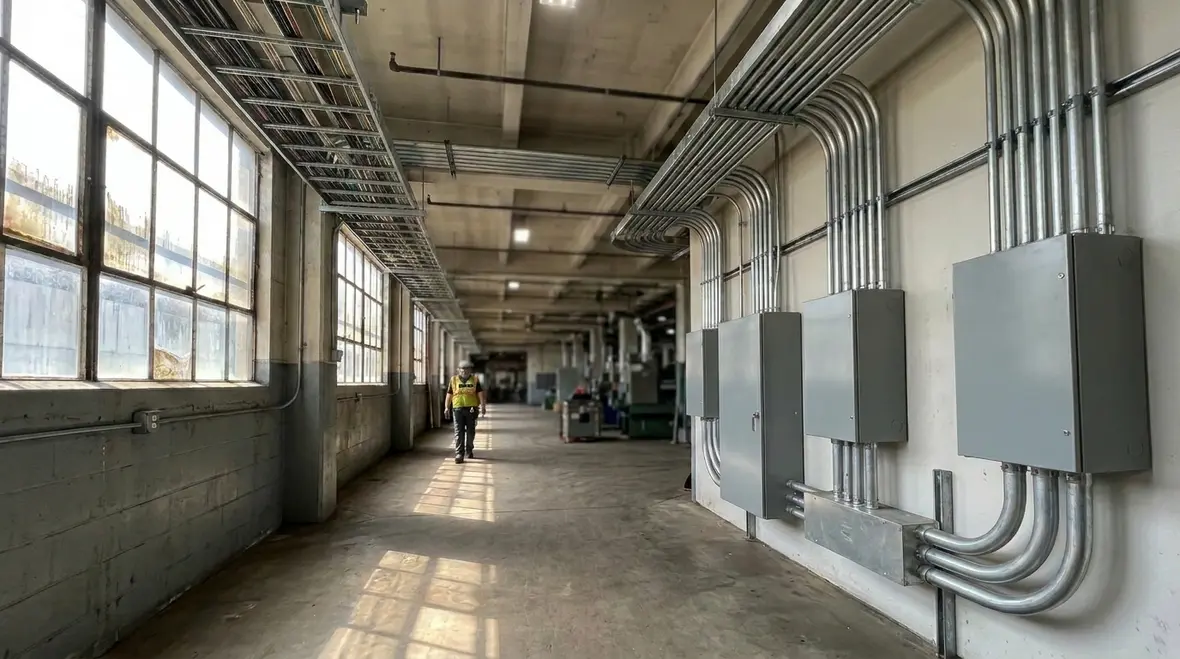
We approach bonding with the mindset that installation quality decides the outcome. Codes provide the rules, but the field determines whether those rules survive the real world.
First, we verify the bonding path. Our expert service staff checks that metal raceways and enclosures connect to the proper grounding and bonding system using approved methods. We look for consistent, low impedance connections.
Next, we confirm continuity and secure connections. Loose connections are a slow leak of safety. So we inspect tightness, surface contact, and the integrity of bonding jumpers and bonding conductors where they apply.
Then, we handle dissimilar metals correctly. In commercial and industrial facilities, crews often encounter mixed metals across enclosures, supports, and conduit systems. We make sure bonding hardware and installation practices manage those transitions so the connection does not degrade over time.
After that, we coordinate with the electrical room layout. When equipment rooms change during construction or renovation, bonding points can get overlooked. Consequently, our technicians plan bonding locations early and recheck them during rough-in and again before commissioning.
Finally, we document and explain. Others may leave you with a picture and a vague statement. We prefer clarity. Our team explains what we installed, why we installed it, and what it means for inspections and safe operation. If you have to maintain the system later, you should not have to decode a mystery like it is from a TV detective show.
Common Mistakes Around Bonding Other Enclosures And Raceways
Most bonding problems do not happen because people hate safety. They happen because jobs move fast, and some details only appear when you slow down.
One mistake is skipping bonding for “secondary” metal parts. A contractor may think a cable tray support or an auxiliary enclosure is not part of the high voltage system. Yet if the metal can become energized during a fault, it belongs in the bonding plan.
Another mistake is relying on paint and coatings. Paint can act like insulation. If a bonding connection goes through layers that prevent solid metal contact, the bond becomes less effective.
A third mistake is using the wrong bonding method or sizing. Bonding conductors and jumpers need to meet code intent. If you use undersized hardware or an unapproved connection method, you compromise the fault clearing and safety performance.
And yes, we have seen “we’ll bond it later” turn into “later never came.” Then inspections arrive, and everyone looks surprised, like the schedule changed overnight. It did not. It was on the calendar. The only mystery was whether bonding would be ready.
Coordination And Compliance For Commercial And Industrial Facilities

Commercial and industrial sites bring real constraints: ongoing operations, strict access rules, and tight commissioning windows. Therefore, Kord Electric coordinates bonding work with the rest of the project rather than treating it like an afterthought.
We work with facility teams and electrical contractors to align installation sequencing. Then, we verify that bonding touches the whole system, including the enclosures and raceways that connect equipment areas. In addition, we ensure our documentation supports inspection needs for major property buildings.
For people who want to cross check the broader code context, we point teams to NEC-related resources and the NFPA 70 discussions we reference through Kord Electric and our supporting code education channels. You can also explore additional NEC and safety content through our Kord Electric blog article Understanding NFPA 70: The National Electrical Code Explained for 2026 as well as related coverage on our sister company’s NFPA 70 overview at Kord Fire, which gives broader life safety context.
In many facilities, enclosure bonding above 2 kV also ties into grounding and bonding practices for feeders, branch circuits, and special equipment. Resources like focused NEC bonding discussions help teams see how Section 270.86 interacts with topics such as grounding and bonding connections, vault work space, and conductor support planning across commercial and industrial buildings.
| Topic | What To Verify On Site |
| Enclosure bonding above 2 kV | Bonding path continuity, approved connection methods, and secure metal contact |
| Bonding raceways | Ensure raceways and supporting metal structures connect to the bonding system |
| Fault clearing performance | Low impedance bond so protective devices can operate as intended |
| Inspection readiness | Clear installation records and technician explanations for review |
FAQ: NFPA 70 Section 270.86 Bonding Above 2 kV
Professional CTA: Bring In Kord Electric Before Problems Show Up
If your commercial or industrial project includes electrical systems above 2 kV, do not leave bonding to chance. Kord Electric brings expert service staff who understand NFPA 70 and install to code intent, with field checks that catch issues early. We coordinate with your schedule, document what we do, and explain the work in plain terms. Call us to review your enclosure bonding and raceway bonding plan, or request support during commissioning. Let’s make sure your next inspection is boring in the best way.
For facilities in Southern California and beyond, our team also supports broader power distribution work and code-driven upgrades. When you are aligning high voltage enclosures, raceways, and downstream distribution, our Los Angeles County electrical services team can help you coordinate NEC enclosure bonding 2 kV needs with the rest of your project scope so inspection, safety, and long term reliability stay on track.
If your team wants to connect Section 270.86 to the rest of the NEC framework before planning the next shutdown or upgrade, you can pair this discussion with our code primer in Understanding NFPA 70: The National Electrical Code Explained for 2026. Together, these resources give facility leaders a practical way to see how bonding rules, enclosure layouts, and broader NEC guidance work together across an entire building.
From NEC enclosure bonding 2 kV checks to long term maintenance planning, we help your electrical system behave like the reliable guest you invited—one that follows the rules, respects your schedule, and never tries to rewrite the safety script in the middle of a busy day.


