
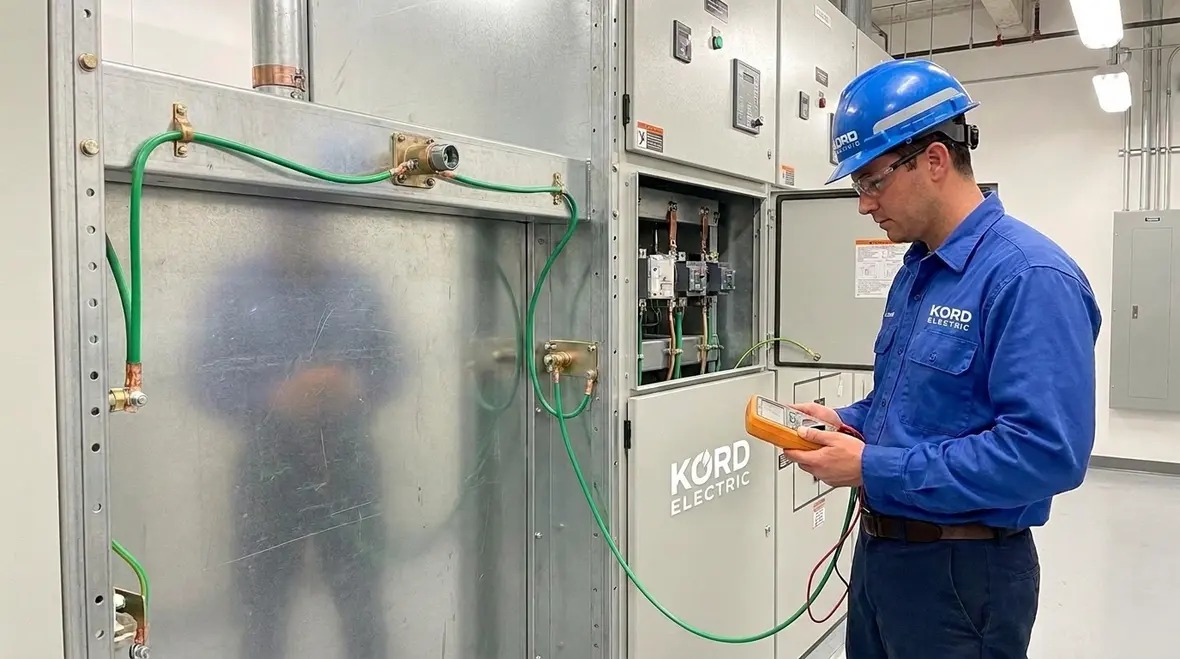
NEC Service Bonding 2 kV Under NFPA 70 270.92
At Kord Electric, we often help commercial and industrial teams tighten up their high voltage safety plan, and we start with one key requirement. In this article, we walk through NEC service bonding 2 kV as it relates to NFPA 70 Section 270.92, so your staff knows how to connect, bond, and protect equipment the right way. Our certified technicians and expert service team explain this in plain language, because safety rules should not feel like a riddle from a late night trivia show. Instead, we make the process clear, calm, and practical. And yes, we will keep it professional, even if the code book tries to sound like it was written by a robot with a flair for mystery.
NFPA 70 Section 270.92 and why bonding matters
NFPA 70 Section 270.92 focuses on bonding at high voltage services, and it sets expectations for how conductors and equipment must share an electrical path. When bonding is done wrong, systems can behave unpredictably. In the field, that can mean nuisance alarms, damaged equipment, or worse, unsafe touch voltages where people do not expect them. Therefore, the rule aims to control potential differences, so fault conditions move energy where the design intends.
At Kord Electric, our approach begins with careful interpretation of how the service equipment connects to grounding and bonding elements. Then, our team checks whether the facility matches the rule’s intent for high voltage service work. In other words, we do not treat bonding as a checkbox. We treat it as a safety system that works with your grounding network.
In commercial and industrial facilities, high voltage systems often serve critical loads. Consequently, the margin for error shrinks. We have seen how a small bonding detail can create big ripple effects during commissioning, maintenance, or an upgrade. And if you have ever watched an entire project stall because a grounding path was misunderstood, you know bonding deserves respect.
Where NEC service bonding 2 kV fits into real installations
NEC service bonding 2 kV shows up as a practical reference point when facilities handle service levels around that range. However, we also recognize that actual field conditions vary based on utility design, service voltage, and the type of switchgear or service equipment. For that reason, we advise teams to avoid guessing and to confirm how the service rating aligns with the bonding requirements.
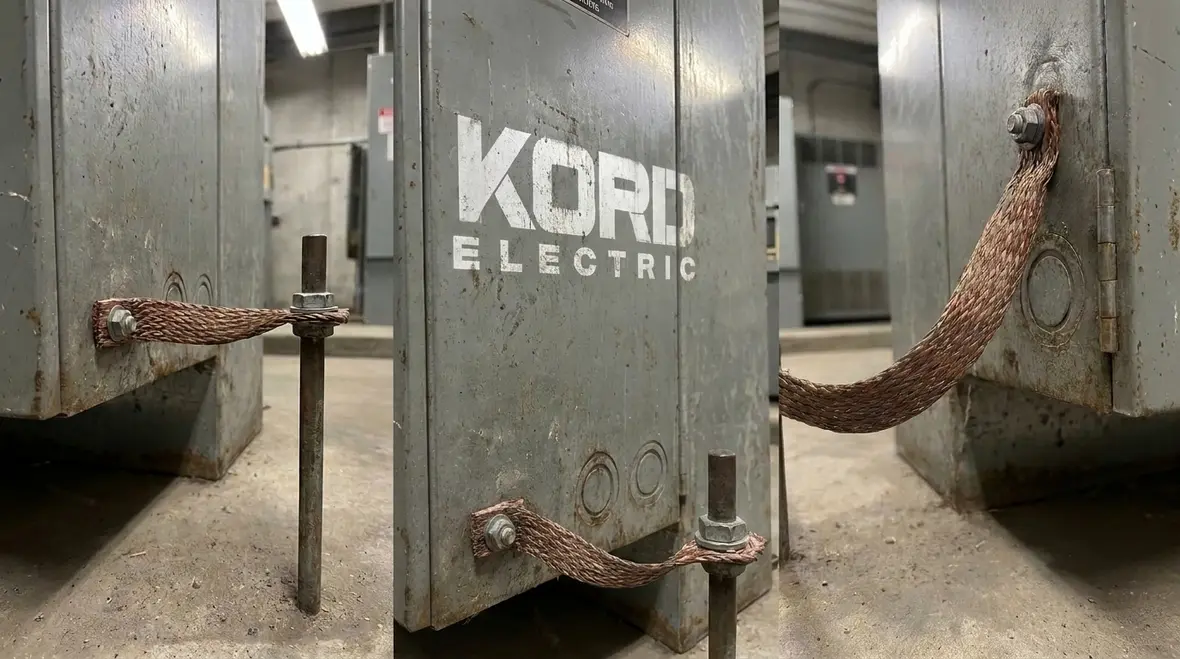
Under NFPA 70 Section 270.92, the core idea remains consistent. The bonding scheme at the service must help ensure that metal parts become electrically associated in a way that supports safe operation. This includes ensuring proper continuity between relevant metal enclosures, grounding conductors, and bonding jumpers where required by the code and the engineering design.
Meanwhile, our technicians explain it with a simple concept. Think of bonding as the facility’s “shared language” for metal parts. If one metal path speaks a different language, you can get unexpected voltage potential. By contrast, when the bonding system is correct, the metal parts “agree,” and the electrical system behaves more predictably during normal operation and fault conditions.
Connecting code language to field reality
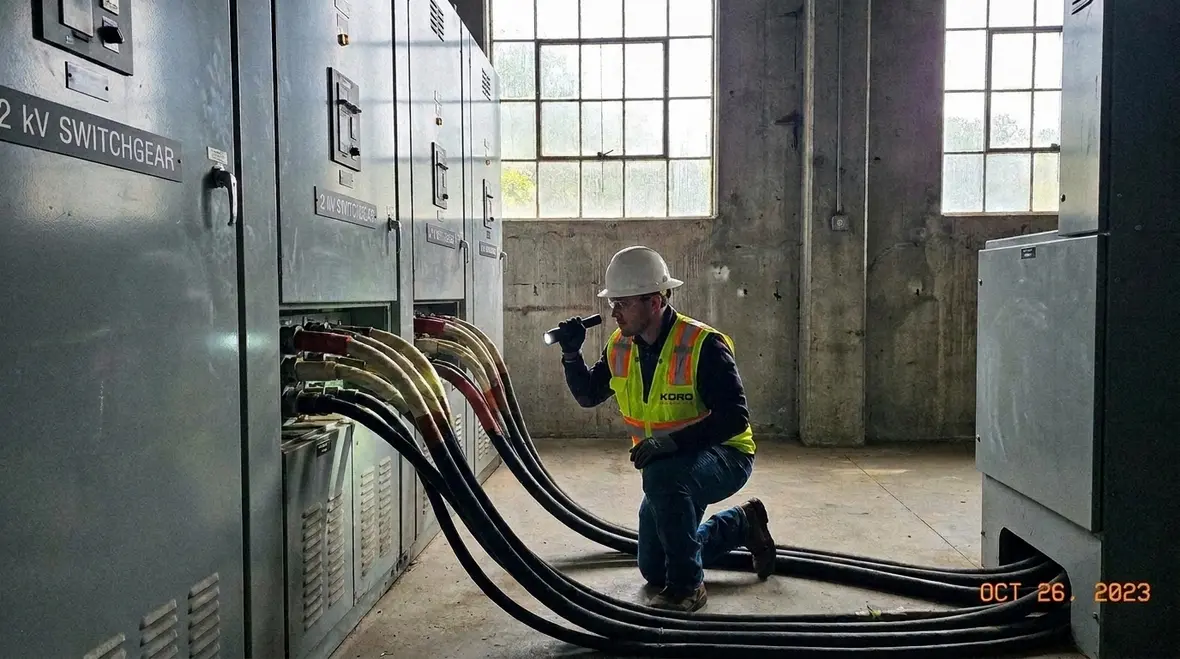
On paper, NFPA 70 Section 270.92 and related NEC guidance read like precise rules. In the field, those rules turn into questions such as: “Are these enclosures actually bonded together?” or “Does this jumper provide the low impedance path we think it does?” Our technicians bridge that gap by translating code paragraphs into clear installation checks and documentation steps your staff can follow.
When teams want a deeper overview of how NFPA 70 shapes projects beyond bonding, we often reference resources like Understanding NFPA 70: The National Electrical Code Explained for 2026 and other NEC-focused guides from the Kord Electric blog. These help facility leaders see how service bonding at 2 kV fits into the broader NEC picture, from grounding and overcurrent protection to emergency power and life safety systems.
Step by step: the bonding path our technicians verify
When our expert service staff supports a high voltage service upgrade, they verify bonding in a sequence that prevents rework. First, they identify the high voltage service equipment and the grounding and bonding components connected to it. Next, they confirm where bonding jumpers or bonding conductors must connect, and they check whether the installation method supports the required connection quality.
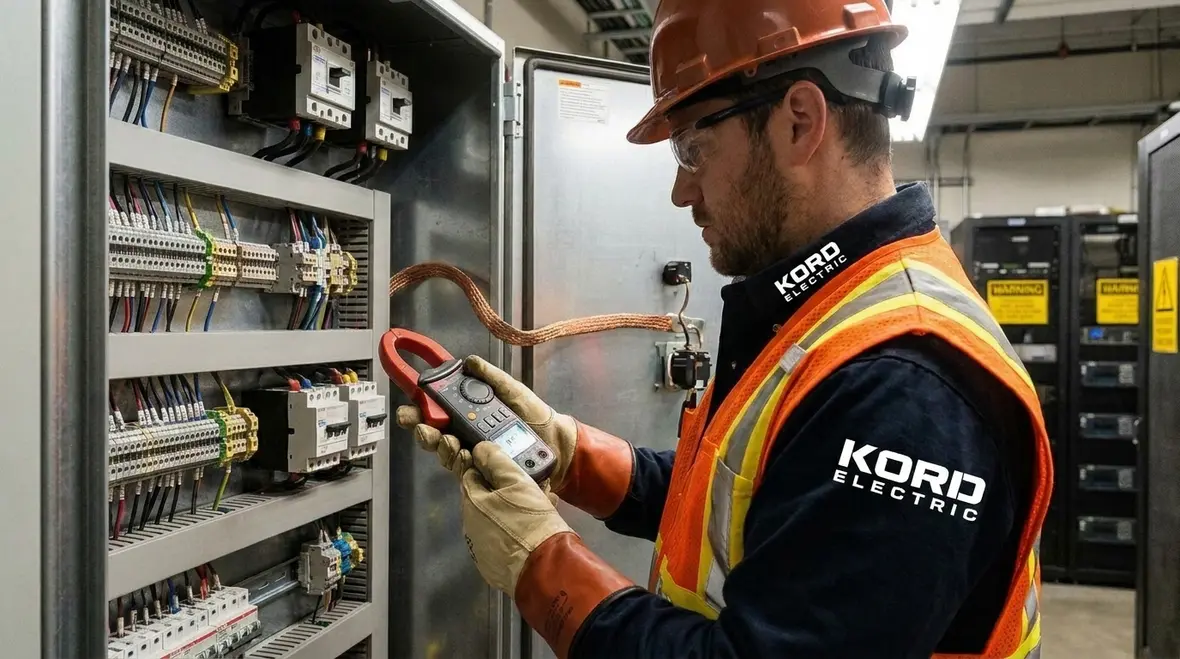
Then, we check continuity and physical installation details. That includes verifying that bonding connections use the right materials and are installed so they stay reliable under environmental stress, vibration, and thermal cycling. In addition, we look for interruptions such as poorly installed fittings, damaged coatings, loose connections, or missing bonding straps.
After that, we review how the bonding connects into the overall grounding system. Therefore, the service bonding does not live alone. It ties into the building grounding electrode system and the equipment grounding network. When the full path matches the design, fault current has a safer route, and touch voltage risks drop.
Here is a simple outline of what our team documents for commercial and industrial facilities:
- Service equipment identification and voltage confirmation
- Bonding points and connection types based on NFPA 70 Section 270.92 requirements
- Material and connection method checks for long term reliability
- Continuity verification and inspection of connection integrity
- Integration review with the facility grounding and bonding network
Our process stays steady, because the goal is simple. We want your system to pass inspection, support safe operation, and avoid costly downtime. If you like projects that end on time, bonding verification is the part you thank later.
Using documentation to keep bonding decisions visible
Documented bonding paths help your team and future contractors understand where NEC service bonding 2 kV decisions were made and why. Our technicians label key connection points, update one line diagrams, and align notes with your maintenance procedures. That way, when someone opens a panel years from now, they can trace the bonding logic instead of guessing.
When those records are paired with broader NEC resources, such as practical guides for reading the code or articles that unpack how NFPA 70 interacts with emergency power, grounding, and data center reliability, facility leaders gain a clearer view of how every bonding jumper supports the bigger electrical story.
Connection methods, enclosures, and common field errors
Bonding at high voltage services depends on how connections get made. Even when the right components exist on paper, poor installation can still break the electrical continuity the code requires. So, our field work focuses on connection quality and enclosure bonding where it matters most.
Common issues we address include corrosion that undermines contact, missing bonding jumpers, or hardware that fails to clamp securely. Sometimes the construction team uses an approach that looks correct at a glance, but it does not maintain durable electrical contact. Consequently, the connection may drift out of spec over time.
Another frequent challenge involves metal enclosures and equipment sections that technicians may assume are already bonded. In some real layouts, enclosures do not share an effective path unless bonding conductors or bonding jumpers connect them per code. Therefore, we validate whether the enclosure bonding is present and properly connected at the service.
Also, the location matters. Where bonding connects into the high voltage service, the installation must support the overall bonding objectives. If you connect in the wrong spot, you can create a path that is electrically incomplete even if the metal parts look physically attached. In other words, you can bolt two things together and still not bond them correctly. It is like putting two actors on the same stage but forgetting they share a script. The scene still falls apart.
How better planning reduces bonding errors
Most bonding problems do not start with bad intentions. They start with missing information. By looping bonding requirements into design coordination, shop drawings, and pre-task planning, crews spend less time improvising and more time installing to spec. This is especially important when service equipment supports critical operations like data centers, emergency power, or automated industrial processes.
Teams that integrate NEC service bonding 2 kV checks into broader design and commissioning workflows see fewer last minute changes, fewer inspection surprises, and fewer callbacks. The bonding plan becomes part of the electrical story from day one, not an afterthought when energization day arrives.
Coordination with drawings, inspections, and future maintenance
Bonding does not end when the inspector signs off. It continues through future maintenance, modifications, and equipment replacement. That is why our team coordinates bonding details with electrical drawings and facility operations. Then, we align our work with inspection expectations and documentation standards that keep the facility’s record clean.
For commercial and industrial property buildings, the service equipment may see changes over the years. New switchgear bays. Load growth. Panel upgrades. Therefore, we advise teams to keep bonding paths visible and properly documented so future work does not accidentally break continuity.
Our service staff often helps facilities update maintenance plans that account for bonding components. For example, we support routine checks that look for loose connections, corrosion, or damage to bonding conductors. As a result, bonding stays reliable after handover.
We also recommend a planning rhythm during design and construction. By reviewing NFPA 70 requirements early, teams can avoid last minute changes that delay commissioning. And if you have ever seen a project timeline get squeezed like an overworked power supply, you know early clarity matters.
Why NEC-focused resources support better coordination
Facilities that use NEC resources as a living reference, not a one-time read, tend to coordinate bonding, grounding, and protection more effectively. Articles that walk through how to read NFPA 70, what the latest edition emphasizes, and how electrical and fire safety interact give your team a shared language for planning upgrades.
Whether you are reviewing service bonding at 2 kV, planning emergency power systems, or upgrading panels, connecting these topics back to NFPA 70 helps ensure that drawings, inspections, and long-term maintenance all point in the same safe direction.
How Kord Electric supports commercial and industrial high voltage safety
Kord Electric serves commercial and industrial facilities and major property buildings. We do not build one size fits all assumptions for small projects, because high voltage service bonding needs the right level of engineering focus and field execution. Our expert technicians bring a disciplined process that supports safe installations, clean documentation, and strong outcomes during inspections.
Where other teams may rush through bonding checks, we slow down just enough to catch the subtle mistakes that turn into problems later. Our goal is to help your facility meet NEC requirements and keep your equipment protected. Meanwhile, our communication style stays business casual, but our workmanship stays strict.
For teams that want to connect code knowledge to practical action, Kord Electric also shares resources that explain the NEC and related safety topics in approachable language, including updates through Kord Electric and our fire focused knowledge base at Kord Fire and Kord Fire Australia. If you want to go deeper into broader code context, firepumps.org also provides helpful industry perspective on electrical and safety considerations. We mention these references because good bonding decisions do not come from memory, they come from review.
When high voltage services sit inside complex facilities, we often combine bonding verification with other electrical services, such as emergency power planning, surge protection strategies, or data-driven electrical design. That way, the same team that verifies your NEC service bonding 2 kV path also understands how your backup power, distribution, and controls behave together during real faults and outages.
If your facility is located in or around Southern California, our Los Angeles County electrical services team can integrate high voltage bonding work with broader commercial and industrial electrical upgrades, so you have one coordinated plan instead of disconnected projects.
FAQ
Featured snippet style answers
How can a facility avoid bonding rework during upgrades? Verify bonding points early against NFPA 70 requirements, document connection locations, and check continuity before closing work areas. When possible, align NEC service bonding 2 kV checks with your broader inspection, testing, and commissioning plan so issues show up while access is easy, not after equipment is energized.
Does bonding affect touch voltage safety? Yes, correct bonding helps control potential differences so touch voltage risk during fault conditions stays within safe design intent. When metal enclosures, raceways, and equipment grounds share a solid bonding path, high voltage faults clear faster, protective devices operate as designed, and people are less likely to encounter unexpected voltage on normally non-current-carrying parts.
What documentation should accompany high voltage bonding work? At minimum, your facility should maintain updated one line diagrams, as-built bonding schematics, labeled bonding jumpers, and test records showing continuity checks and visual inspection results. These records make future upgrades, troubleshooting, and inspections smoother, because everyone sees how the current bonding strategy supports NFPA 70 Section 270.92.
Call Kord Electric for confident high voltage bonding
When your facility deals with high voltage services, bonding gets serious, fast. Kord Electric helps commercial and industrial teams interpret NFPA 70 Section 270.92, verify bonding paths, and support clean inspection outcomes. Our technicians explain what matters, check what is installed, and document what keeps the system safe over time. If you are planning a service upgrade, commissioning a new building, or troubleshooting inconsistent grounding performance, contact Kord Electric today. We will bring calm clarity, and your project will thank you later.
Our high voltage work often pairs bonding verification with broader services such as emergency power design, power quality improvements, and data-driven electrical design for commercial and industrial sites. By treating NEC service bonding 2 kV as part of a complete safety and reliability strategy, we help your facility move from “code uncertainty” to documented confidence.
If you are ready to review your high voltage service, clarify how NFPA 70 applies to your installation, or schedule upgrades in Los Angeles County and surrounding areas, our team is ready to help you build a safer, more resilient electrical system.


