
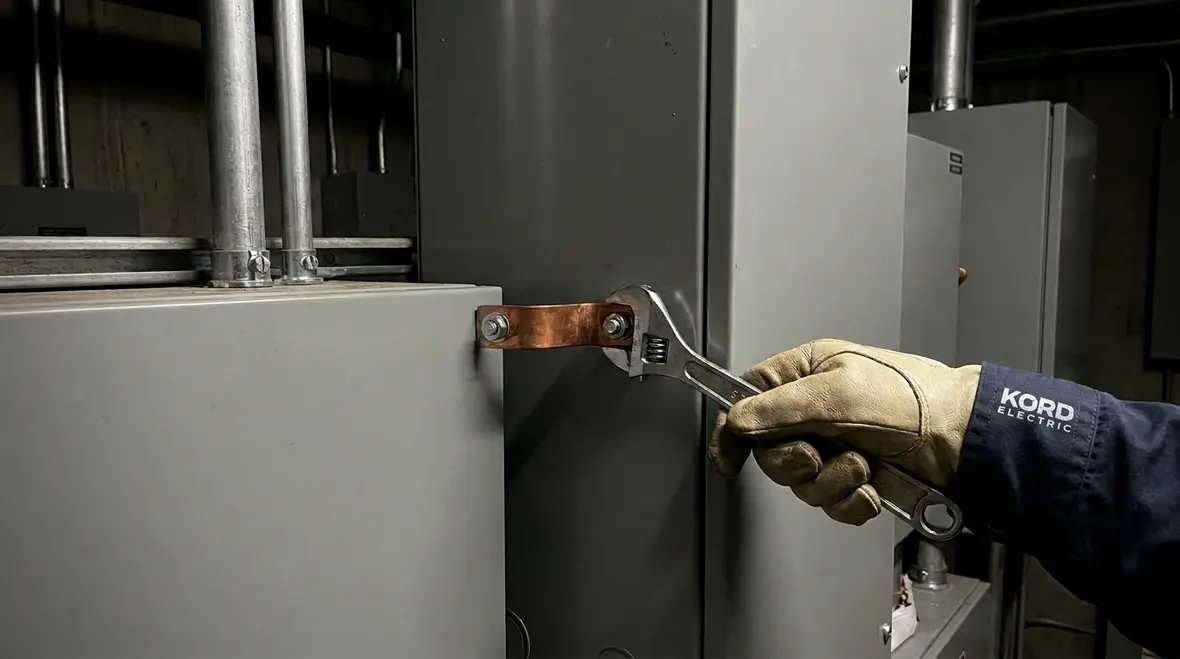
NEC Other Enclosures Bonding 2 kV for Safety
In commercial and industrial electrical systems, NEC other enclosures bonding 2 kV plays a quiet but critical role in keeping metal enclosures at the right electrical potential. Under NFPA 70 Section 270.96, we make sure that enclosures not only get protected, but also get properly bonded when the system runs above 2 kV. That requirement helps reduce shock risk and improves fault clearing, which matters in the real world where equipment failure rarely arrives politely on schedule.
At Kord Electric, we do not treat these rules like museum pieces. Instead, our expert service staff explains what the Code intends, then we verify the field details so your facilities stay compliant and safer. And yes, we have fun pointing out that electricity does not care about your meeting schedule.
Why NEC other enclosures bonding 2 kV matters for commercial and industrial safety
In commercial and industrial buildings, higher voltage systems behave like the backbone of operations: usually quiet, sometimes overlooked, and absolutely essential when something goes wrong. That is where NEC other enclosures bonding 2 kV becomes more than a code line. It becomes part of how you keep people safe and equipment predictable. When a fault hits gear running above 2 kV, the difference between a properly bonded enclosure and a floating piece of metal can be the difference between a controlled event and a very bad day.
Bonding keeps different metal parts at the same electrical potential so they do not jump to hazardous voltages relative to each other. In practice, this means that if someone is standing between two cabinets, or touching a raceway and a nearby enclosure, they are far less likely to become the unintended path for fault current. Instead, the bond path does its job, protective devices see enough current to operate, and the system behaves the way the Code expects. You cannot negotiate with physics, but you can wire it correctly.
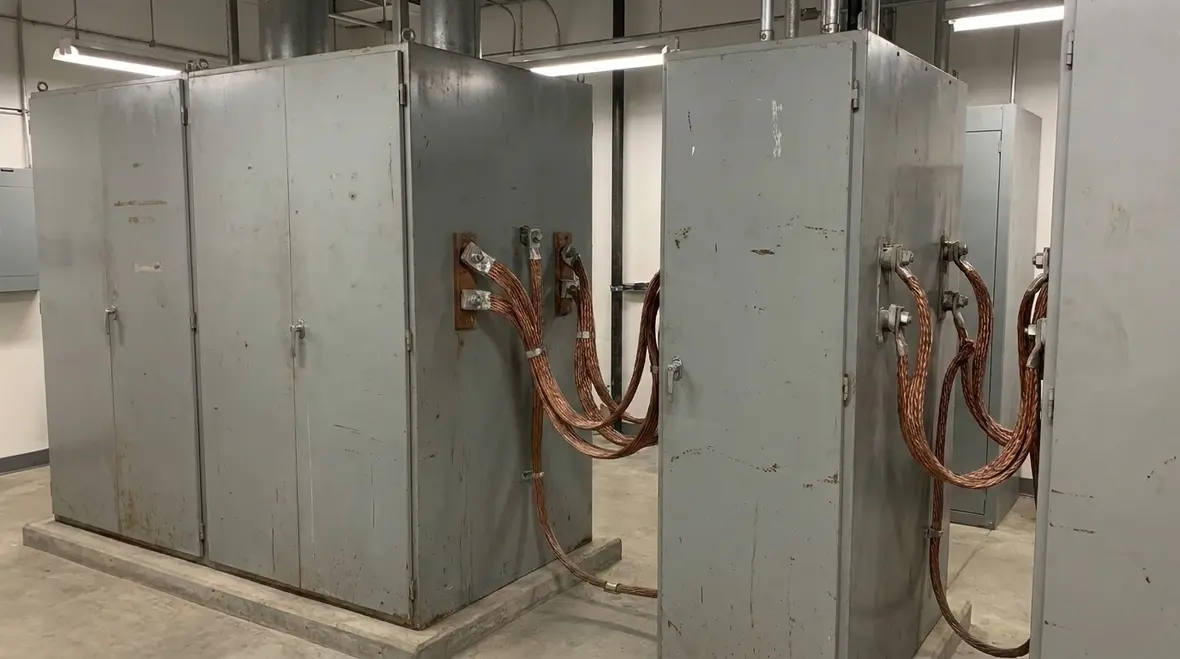
Because these requirements sit inside the broader National Electrical Code, they also tie into your overall strategy for compliance. If your facility team is already using resources like Understanding NFPA 70: The National Electrical Code Explained for 2026 to keep up with Code direction, bonding other enclosures above 2 kV becomes one more piece of a coordinated safety picture, not an isolated task.
What NFPA 70 270.96 requires for bonding enclosures above 2 kV
Section 270.96 focuses on bonding for electrical enclosures when conductors and systems operate at more than 2 kV. In plain terms, when higher voltage equipment includes multiple metal parts or adjacent enclosures, the Code expects you to connect those parts so they do not become dangerously different potentials during a fault.
Specifically, we look at situations where “other enclosures” come into play. These can include different cabinets, boxes, raceways, motor control spaces, transformer related compartments, and other metallic housings associated with higher voltage distribution. If those enclosures can be simultaneously present in the same facility area, then they can also experience fault conditions that raise the risk of shock.
Therefore, our technicians follow the intent of the rule: bond the enclosures so fault currents have a clear path and protective devices can operate. As a result, the system reduces damage, lowers hazard, and supports consistent equipment behavior. If you have ever watched a circuit breaker trip and wondered “why it took so long,” bonding is one of the reasons that answer might start making sense.
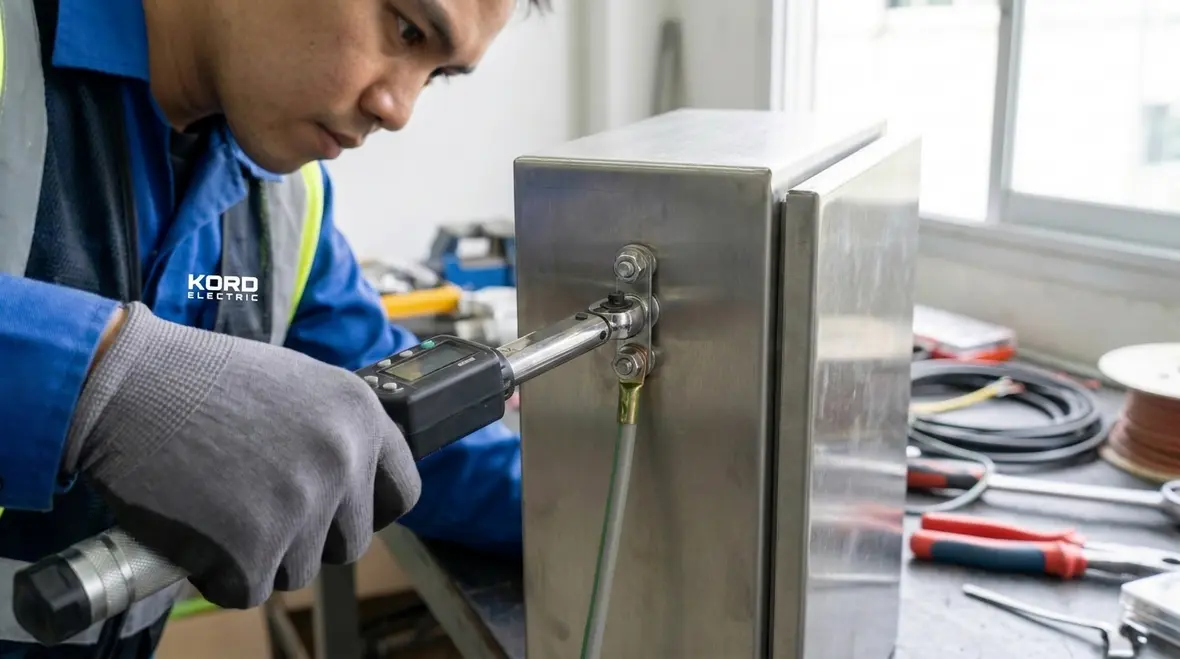
We also connect this requirement back to the broader grounding and bonding concepts that show up throughout NFPA 70. When the Code talks about effective ground-fault current paths, predictable overcurrent operation, and minimizing touch voltage, Section 270.96 is one of the places where those themes land in the higher voltage world. It is not a separate universe. It is the same physics applied to gear that happens to operate at more than 2 kV.
How we interpret “bonding” in the field for higher voltage systems
Bonding is not a vibes based activity. It is a specific electrical connection designed to maintain equipotential bonding across conductive parts. When higher voltage systems energize, a poor bond can allow metal enclosures to rise toward a hazardous voltage during fault conditions.
To keep this practical, our expert service staff breaks bonding into repeatable field checks. First, we identify which enclosures exist beyond the primary equipment. Then we confirm where bonding jumpers or bonding conductors are required. After that, we verify connection methods and surfaces.
Next, we pay attention to how bonds actually get built. For example, bolted connections must create solid electrical contact. Paint, coatings, corrosion, and loose hardware can sabotage the bond faster than a popcorn machine sabotages a theater refund policy. We remove barriers where needed, use proper connection hardware, and confirm torque and contact integrity.
Finally, we test and document. That is how we connect the Code requirement to the real facility, not just the paper plan. And because Kord Electric serves commercial and industrial buildings and major property structures, we also account for the realities of tenant coordination, maintenance windows, and how equipment is actually accessed.
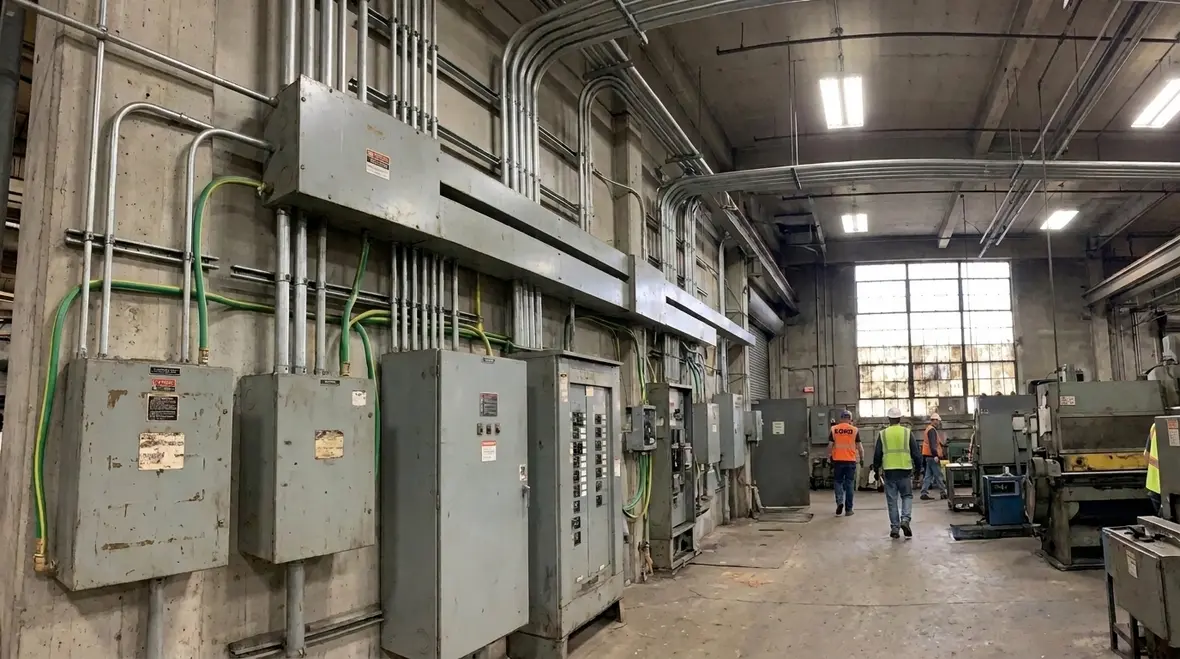
Because bonding decisions live inside your larger system architecture, we often pair this work with broader reliability planning, similar to how we approach emergency power or distribution upgrades in other Kord Electric projects. The idea is simple: you do not bond something in isolation. You bond it as part of a design that supports safe operations, clean fault responses, and better uptime.
Where “other enclosures” show up in commercial and industrial buildings
Large facilities rarely contain one neat, isolated piece of electrical equipment. Instead, we typically see a network of equipment rooms, switchgear lineups, transformer yards, generator tie ins, and distribution panels. As a result, “other enclosures” becomes a concept you can map in the field.
Common examples include:
- Metal raceways and conduit systems that route to higher voltage gear compartments
- Cabinets and control enclosures next to higher voltage components
- Pull boxes, junction enclosures, and terminal compartments associated with feeders
- Non current carrying metallic enclosures that could become energized during faults
Additionally, we consider maintenance access. If personnel can approach several metal enclosures at once, then bonding becomes more than compliance. It becomes part of how facilities protect people during emergencies. In other words, we do not just “pass inspection.” We help the building behave correctly when something goes wrong.
These locations also tend to show up during expansions, renovations, and emergency power upgrades. When new feeders, new control cabinets, or new meter sections arrive, we align the bonding approach with the same care we bring to larger system changes. If your team is planning a broader electrical scope, it often pairs well with reviewing higher voltage enclosures at the same time, rather than waiting for a future retrofit to close the gap.
Dual column checklist: bond paths, connection quality, and documentation
When we install or update bonding, we use a straightforward internal workflow that our technicians can repeat across projects. The goal is consistent safety and consistent outcomes. Here is a quick dual column view of what we verify.
| What we verify | Why it matters |
|---|---|
| Bonding conductor routing and sizing based on the system requirements | Ensures fault current paths stay effective under real conditions |
| Secure contact at connection points, including surface prep | Prevents hidden resistance from paint, corrosion, or poor contact |
| Hardware quality and torque on bolted joints | Reduces risk of connection loosening over time |
| Continuity checks and field verification | Confirms the bond exists where drawings say it does |
| As built updates and documentation for facility records | Makes future troubleshooting faster and inspections easier |
And if you are thinking, “Yes, we have drawings,” good. We still verify in the field. Because drawings do not trip breakers. Equipment does.
Step by step: how Kord Electric approaches bonding projects for 2 kV and above
We start by reviewing the electrical design and equipment lineup. Then we walk the site with our technicians. This is where we catch the stuff that never makes it into the spec sheet: field changes, added enclosures, and real access clearances.
Next, we identify which enclosures need bonding under the NEC intent aligned with NFPA 70 Section 270.96. After that, we plan routing that supports safe access, clean installation, and maintenance. We also coordinate with facility leadership so work stays aligned with operational needs. For major property buildings, that often means scheduling around critical operations, not around our ideal calendar.
Then we install or upgrade bonding connections. We use appropriate materials and connection methods. We prepare surfaces, secure connections, and confirm that the bond path remains low resistance.
After completion, we verify. We confirm that the system forms the intended electrical path and that continuity exists between the relevant conductive parts. We also document what we changed, so your team does not have to play “guess the wiring” later.
During this process, our expert service staff also explains the “why” behind each step. That way, your facility team understands what we did and how it supports safe operation. And honestly, a well explained fix beats a dramatic surprise every time.
Common mistakes we see and how to avoid them
Even strong teams can miss bonding details when project scope expands or equipment gets added midstream. Here are the missteps we frequently see in commercial and industrial settings.
- Missing bonds between adjacent enclosures where higher voltage components share the same room or area
- Paint or corrosion acting like an invisible insulator at connection points
- Inadequate connection hardware or improper torque that weakens electrical contact over time
- Relying only on drawings without field verification after modifications
- Not updating documentation after changes, which slows future troubleshooting and compliance reviews
To avoid these issues, we insist on a field first approach. Meanwhile, our team keeps communication clear, so decision makers know what is required and what it costs in schedule and access. That reduces rework. It also reduces the chance that a future technician has to solve a problem that should have been prevented.
How bonding fits into your broader electrical safety and reliability strategy
Bonding other enclosures above 2 kV might look like a narrow topic, but in real facilities it touches a wide set of decisions. When you plan emergency power, coordinate data center redundancy, or evaluate power quality, you are still relying on the same principle: current should flow where it is supposed to flow, not through people or unplanned paths.
That is why many of our clients look at bonding work alongside broader Code focused planning. Resources such as our internal guides on how to read NFPA 70 and how to interpret 2026 Code changes all point toward the same goal: connect the written rules to the actual behavior of your electrical system. Whether we are talking about NEC other enclosures bonding 2 kV, emergency power system testing, or data driven electrical design, the underlying theme stays the same. Physics sets the rules. The Code writes them down. Our job is to build and maintain systems that respect both.
If you operate in regions like Los Angeles County and rely on complex commercial or industrial infrastructure, that strategy also connects directly to your service partners. Choosing a team familiar with high voltage bonding, NFPA 70, and practical field constraints matters as much as choosing the right equipment. That is why services like Los Angeles County electrical services for commercial and industrial facilities play a central role in keeping both compliance and day to day reliability under control.
FAQ about bonding other enclosures above 2 kV
Conclusion and call to action
When we handle NEC other enclosures bonding 2 kV, we do more than meet a requirement. We help your commercial or industrial facility protect people, support proper fault response, and avoid future downtime caused by weak electrical connections. Our technicians and expert service staff explain the intent clearly, then verify the bond paths in the real world. If you are planning upgrades or reviewing higher voltage equipment areas, contact Kord Electric. We will schedule a practical assessment and get your bonding details right the first time.
If you want to see how these requirements connect to the broader Code picture, pairing this work with resources like our NFPA 70 focused guides and planning your next project with a high voltage aware team keeps the learning curve manageable. The Code may not read like your favorite novel, but the way you apply it will shape how safely and reliably your building operates every day.


