
NEC Section 270.98 Loosely Jointed Bonding 2 kV Explained
NEC Section 270.98 and the NEC loosely jointed bonding 2 kV requirement, explained for facilities
In many commercial and industrial electrical rooms, we see one thing over and over: raceways get installed in real life, not just in textbooks. And when loosely jointed raceways sit above 2 kV, the NEC loosely jointed bonding 2 kV rules matter for safety and system integrity. This article walks through NFPA 70 Section 270.98, so we can help owners, engineers, and facility managers understand what the code asks for and how our team supports safe installs at large properties. We also explain it in plain language, because even the best electricians deserve clarity, not riddles. Yes, electricity is serious business, but we do not have to make it sound like a haunted house story.
As part of that clarity, we also connect Section 270.98 back to the broader National Electrical Code so facility teams can see how it fits into their planning. Resources like our guide on Understanding NFPA 70: The National Electrical Code Explained for 2026 help owners and engineers trace how bonding expectations at 2 kV and above relate to grounding systems, overcurrent protection, and inspection goals across a full facility.
What NFPA 70 Section 270.98 really wants from loosely jointed raceways
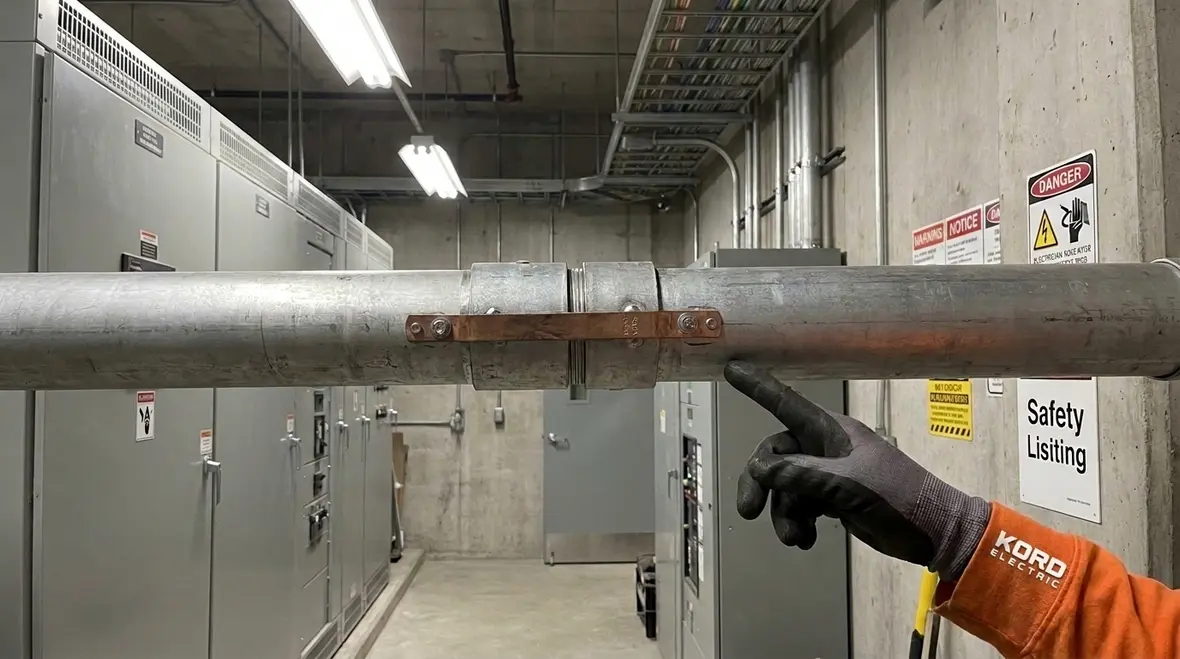
Section 270.98 focuses on bonding for loosely jointed raceways above 2 kV. In simple terms, we bond the raceway system so fault current has a dependable path, and exposed metal parts do not become energized under abnormal conditions. To get this right, the code looks beyond “good enough” mechanical connections.
First, we start with what “loosely jointed” means in the field. Raceway sections may connect with couplings that do not ensure a solid electrical continuity at every joint. Even if the wiring inside works perfectly, the metal raceway can still fail to carry fault current reliably if bonding is not designed for continuity. Then we add the voltage threshold, because above 2 kV the stakes rise, and arc risk grows.
Next, we consider why bonding matters for large commercial and industrial facilities. When a ground fault happens, time matters. Therefore, a dependable bonding path supports protective device operation, reduces shock hazard, and helps keep the system stable. In short, we treat the raceway as a safety conductor, not just a wire carrier.
In practice, that means Section 270.98 is not a “nice to have” footnote; it is one of the ways the NEC turns risk reduction into specific installation behavior. When our technicians review designs tied to high voltage feeders, medium voltage distribution, or critical life safety circuits, they apply the same principle: loosely jointed bonding above 2 kV must act like a deliberate protective path, not a side effect of hardware choices.
Bonding continuity: the joints are not the place to guess
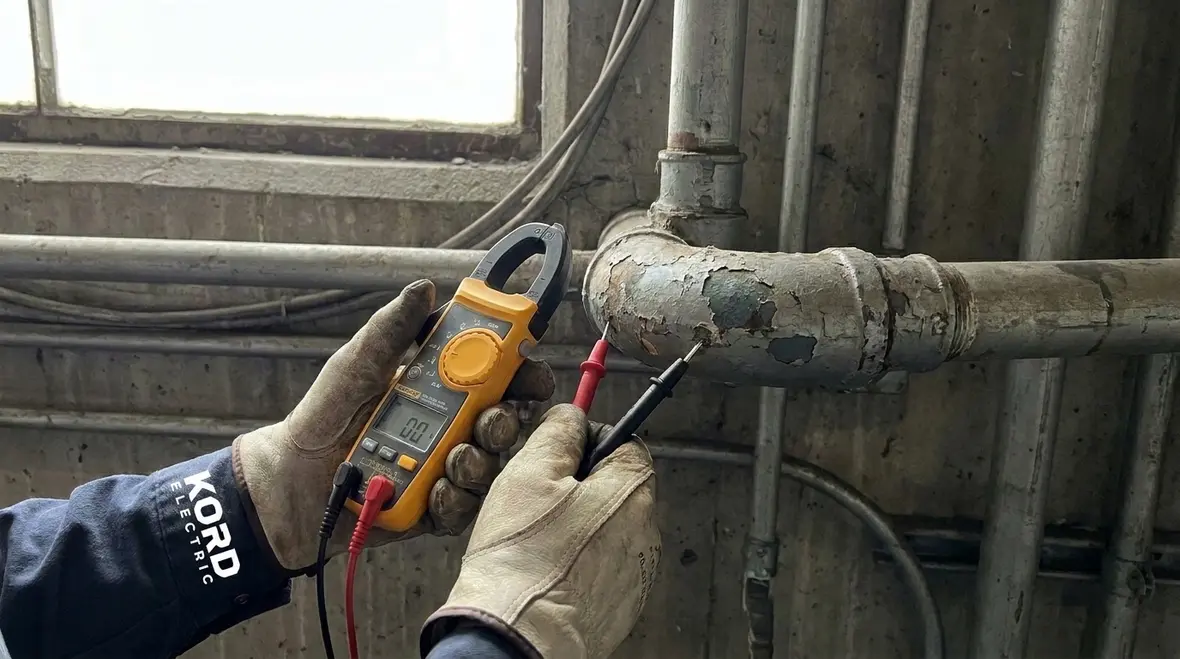
Many people assume that threaded joints, locknuts, or standard couplings automatically provide bonding. However, the real world includes paint, oxidation, minor surface gaps, and install tolerances. Because of that, we cannot rely on “it should connect” when code and engineering demand a designed path.
Our technicians and expert service staff explain this with a simple mindset. If a raceway joint does not make a low impedance connection consistently, then fault current may not flow as expected. And when fault current does not flow, protection may not trip at the right time, which creates risk for people and equipment.
So we plan bonding with intent. We verify how the raceway system is connected throughout the route, how changes in direction occur, and how supports and couplings behave over time. Then we select bonding methods that maintain continuity across joints, including areas that are difficult to inspect after construction.
As a playful reminder, electricity does not care about our optimism. If the joint looks fine but the bonding path is weak, the code still wants the proper correction. We would rather do the right thing once than troubleshoot later during a shutdown, like realizing you left the stove on after dinner.
That is also why we encourage facility teams to read Section 270.98 alongside broader NEC bonding and grounding content. Articles such as our NEC 110.1 general requirements overview and our scope guides for NFPA 70 help explain how a single weak joint can undermine an otherwise solid protective design, especially at higher voltages where even small gaps become serious arcs.
Where the bonding approach shows up in real projects
When we service major property buildings and industrial campuses, we see bonding design decisions show up in several project moments. First, during routing and support selection, teams must ensure the raceway is mechanically supported without breaking electrical continuity. Second, during coupling and expansion transitions, bonding methods must cross the electrical discontinuities.
Third, during inspection prep, we document how bonding was implemented. We coordinate with electricians, electrical contractors, and facility stakeholders, so everyone understands the path and the test approach. Then, when commissioning happens, our team verifies continuity and confirms that bonding supports the protective scheme.
For facilities with multiple systems, we also pay attention to how the raceway bonding interacts with other grounded components. The goal stays consistent: we create a reliable fault current path, while keeping touch potential low for workers and occupants.
We also manage legacy systems. If an owner upgrades feeders or changes protective devices, we evaluate whether bonding remains compliant and functional for the current operating conditions. Codes do not stop because a building ages, and neither should good engineering practice.
In many upgrade projects, our teams pair bonding reviews with broader NEC planning steps, such as revisiting load calculations, confirming wiring methods, and aligning with updated guidance from resources like our NEC application requirements guide. That combined view keeps loosely jointed bonding 2 kV decisions consistent with the rest of the electrical safety strategy.
How we communicate NEC and NFPA expectations to owners and engineers
Code language can sound like it was written to test patience, not to help people build safer facilities. That is why our approach at Kord Electric and our related fire and code resources focuses on clear explanations for real stakeholders. We show our clients what the rule targets, why it exists, and how it affects drawings, installation details, and field verification.
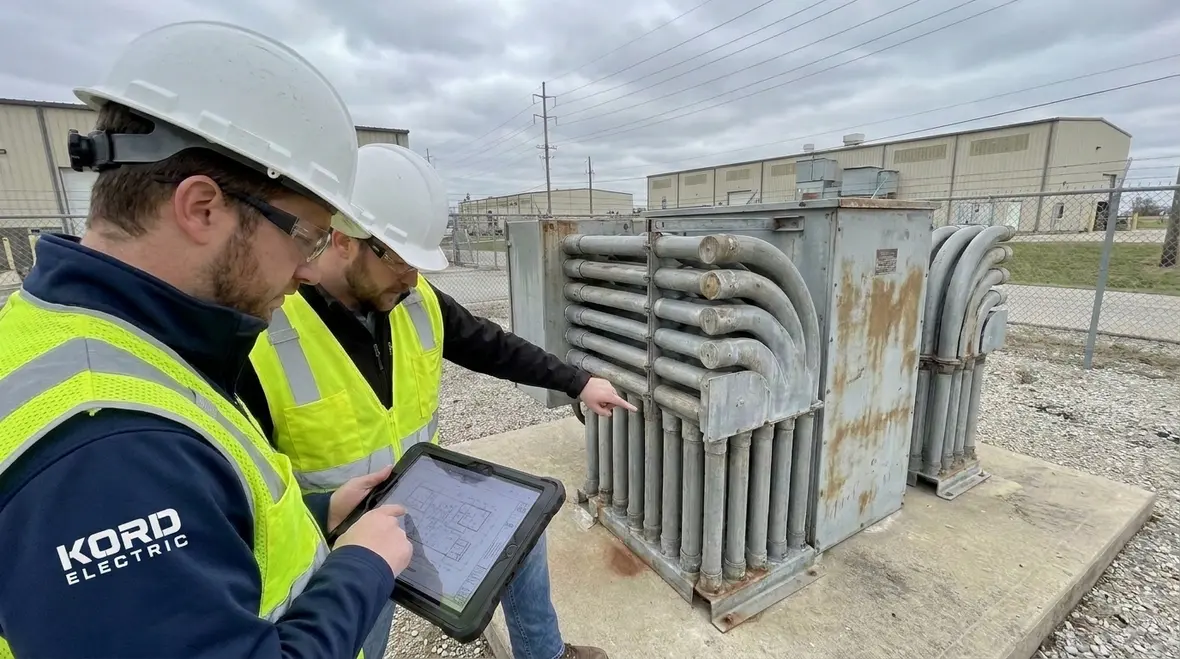
Our process usually starts with review. We look at plans, one line diagrams, and raceway routes, then we flag where loosely jointed segments could exist above 2 kV. Next, we talk through practical installation details and confirm the bonding concept before anyone closes up walls. Then our technicians implement the approved approach and provide documentation for inspection readiness.
To keep things calm and simple, our expert service staff also helps teams connect code requirements to outcomes. We explain that proper bonding supports protective device operation, reduces risk to personnel, and improves long term reliability. And when someone asks, we answer directly, not with vague hand waving.
If a facility manages fire pump systems or critical equipment, we also align electrical bonding practices with life safety goals. Our partners and code guidance across sites, including Kord Fire and broader resources such as firepumps.org, reinforce the same message: life safety depends on dependable electrical systems.
We also encourage teams who are just starting their NEC journey to use foundational learning resources, like our practical guides on how to read NFPA 70 and how the 2026 cycle shapes installation planning. That way, when Section 270.98 bonding questions come up, they are part of a bigger picture instead of isolated “mystery” rules.
Common mistakes we see with high voltage raceway bonding
Even skilled crews can run into problems when schedules tighten and details get skipped. We see repeat issues across many facilities.
First mistake: relying on paint free joints without verifying continuity. Surfaces can look clean during install and still fail later due to oxidation or minor gaps.
Second mistake: assuming couplings create enough electrical bond. Some raceway connections offer mechanical stability but do not guarantee low impedance electrical continuity.
Third mistake: skipping bonding across transitions. Expansion fittings, bends, and changes in raceway type can create discontinuities that the rest of the route does not fix.
Fourth mistake: treating bonding as a one time checkbox. Over time, vibration and maintenance activities can affect connections, so planned inspection and documentation matter.
To prevent these, we use a deliberate approach. We plan bonding paths across the entire route, we coordinate with installation steps, and we verify performance with proper testing and documentation. When we train teams, we focus on outcomes, because a code rule becomes meaningful only when it prevents trouble.
We also tie these lessons back to broader NEC direction. When owners read companion content like our NEC wiring on buildings guide or our discussions on AHJ enforcement, they see that Section 270.98 sits inside a larger inspection story: if bonding details are weak, the whole installation story starts to fall apart during review.
Dual column checklist for compliance and field readiness
What we verify
- Raceway routes above 2 kV for loosely jointed sections
- Bonding continuity across every joint and transition
- Bonding method alignment with the intended grounding path
- Supports and couplings that maintain both safety and stability
- Documentation for inspection readiness
What to do next
- Review drawings and field route details early
- Coordinate bonding plan before closing walls
- Perform continuity verification during commissioning
- Update bonding approach when equipment changes
- Schedule maintenance checks aligned to facility risk
For many commercial and industrial facilities, this checklist becomes part of a wider NEC-driven maintenance plan. When we help a campus build out documentation around Section 270.98, we often connect it to other code topics like workspace guarding, branch circuit equipment verification, and dwelling or unit load calculations in mixed-use properties. That keeps bonding continuity from becoming a forgotten line item stuck at the back of a binder.
FAQ on NFPA 70 Section 270.98 and bonding for high voltage raceways
For owners who want to go even deeper into the NEC framework around these answers, we often recommend pairing this FAQ with broader educational content on what NFPA 70 covers and how authorities having jurisdiction enforce it. That way, Section 270.98 is understood as one part of a connected safety system rather than a standalone obligation.
Conclusion: bring your high voltage raceway bonding into focus
When we handle commercial and industrial electrical systems, we do not treat NEC loosely jointed bonding 2 kV as trivia. We treat it as a safety requirement that protects people, equipment, and uptime. If you are planning new work, upgrading a system, or verifying compliance for a major property, Kord Electric can review the raceway design, coordinate the bonding plan, and support commissioning with clear documentation. Contact us to get a practical field aligned approach, so your next inspection feels less like a surprise test and more like a well run operation.
If your facility is located in Southern California or across the region, our Los Angeles County electrical services team can support everything from high voltage raceway bonding to broader NEC upgrades and maintenance. By pairing Section 270.98 work with systemwide design and troubleshooting support, we help you keep both daily operations and long term capital planning on steady footing.
When you are ready to bring loosely jointed bonding 2 kV, NEC planning, and life safety alignment into one coordinated plan, our technicians and expert service staff are ready to help. From early design conversations through commissioning, documentation, and future renovations, we stay focused on clear communication so your facility team never has to guess what the code is trying to say.


