
NFPA 70 Section 270.102 Bonding Conductors 2 kV Guide
Bonding conductors are not the glamorous side of electrical safety, but they are absolutely the quiet hero of a system that has to work every day in commercial and industrial life. At Kord Electric, we regularly help facility teams stay aligned with NFPA 70 Section 270.102, especially when NEC bonding conductors 2 kV show up in the conversation. Early on, we explain the rule in plain terms, and then we break down what it means for real installs, real equipment, and real inspections. After all, no one wants surprises after the walls go up, and trust us, electricity has zero patience. If lightning strikes are nature’s prank, poor bonding is the industrial version of forgetting your wallet and showing up anyway.
What NFPA 70 270.102 actually tries to prevent
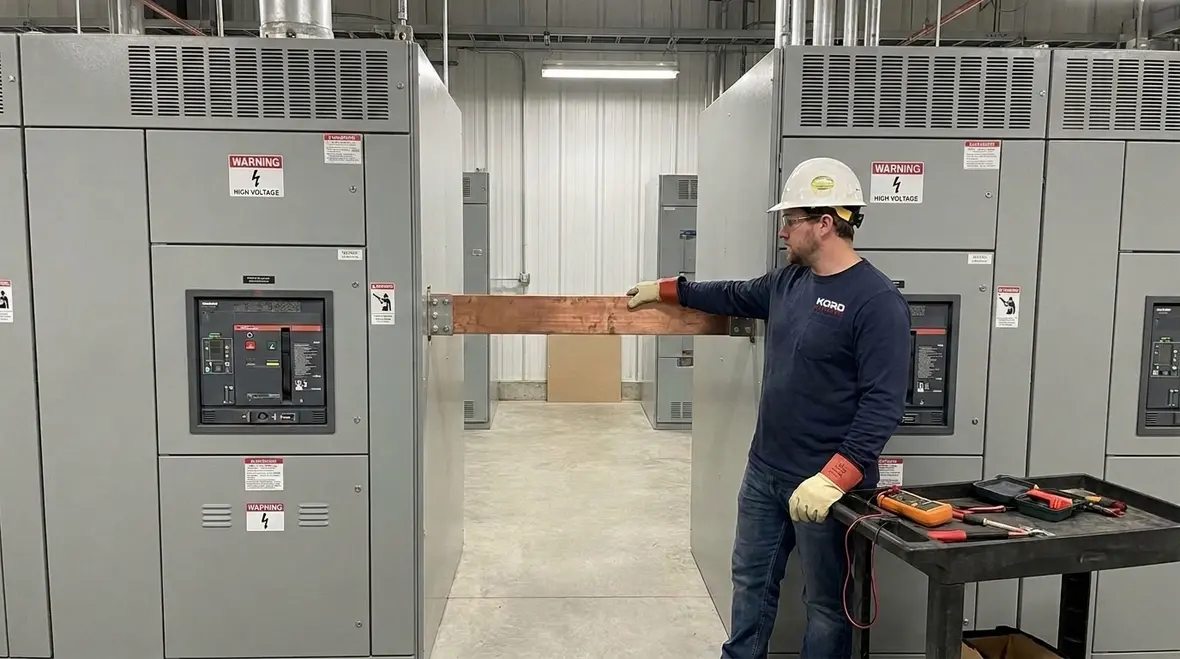
When NFPA 70 Section 270.102 talks about bonding conductors and jumpers above 2 kV, the goal stays consistent: create safe, reliable paths for fault current and limit dangerous differences in electrical potential. In practical terms, this rule helps reduce shock risk to people, helps protect equipment, and supports system performance when something goes wrong.
While the NEC always sounds like it is written by a committee that never slept, 270.102 has a clear purpose. It focuses on how conductors and metal parts connect, and how those connections behave when voltage and fault conditions rise. Therefore, we advise facility managers and electrical contractors to treat bonding as a safety system, not an afterthought.
Our expert service staff often tell customers the same thing: if bonding is done casually, the fault will not be casual. And for commercial and industrial facilities, that is not just a saying. It is a reason we verify connections, routing, materials, and termination quality before energization.
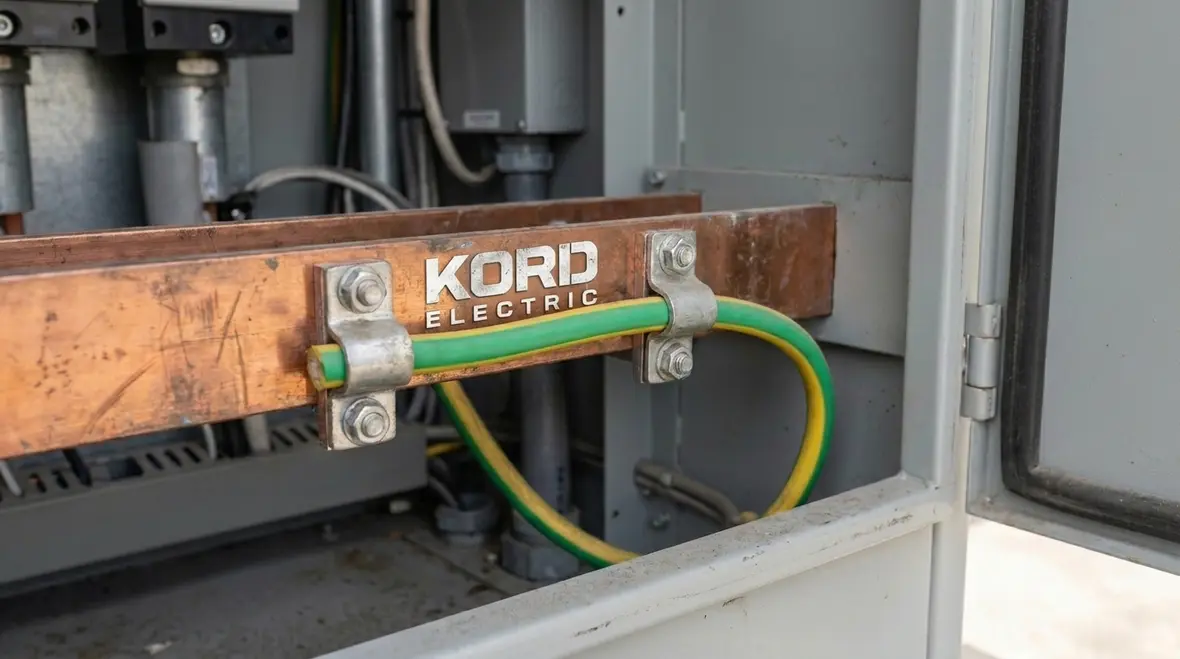
In field practice, Section 270.102 also plays a quiet but critical role in how incident energy behaves. A solid bonding scheme supports fast operation of protective devices, which can limit the duration of faults and reduce the stress on switchgear, transformers, and downstream equipment. This is not about perfection on paper; it is about giving the system a predictable way to respond under stress, instead of leaving people and hardware at the mercy of stray voltages and unintended current paths.
When those fault currents cannot find a low-impedance route back to their source, they go looking for it through unexpected paths: structural steel, raceways, or even someone standing in the wrong spot. NFPA 70 270.102 draws a boundary against that kind of improvisation. It tells you, in effect, “decide up front how the current will behave, or it will decide for you.” That is why we treat bonding as part of the design narrative from day one, not a footnote after the drawings are stamped.
NEC bonding conductors 2 kV and where they fit in real projects
Many teams start by asking where NEC bonding conductors 2 kV applies. In the field, that question turns into a practical walk-through: What voltage level is the equipment operating at? What conductors are involved? Which metal parts need bonding? Then we identify which parts must be tied together so that under abnormal conditions, the system stays predictable.
Because 270.102 covers bonding conductors and jumpers where systems operate above 2 kV, we focus on these kinds of areas for major property buildings and industrial sites.
- Switchgear and switchboards where medium voltage systems feed equipment
- Transformers and transformer secondary and primary connections
- Metal raceways, enclosures, and frames that could become energized
- Grounding and bonding jumpers that connect separate metal parts
- Any place where metallic separation could create a potential difference during a fault
Next, our technicians explain that bonding is not only about meeting a checkbox. It is about building a controlled electrical environment. When a fault occurs, the system must behave in a way that allows protective devices to operate, and it must reduce shock hazards to workers and the public.
And yes, we know people like to “eyeball” connections when time is tight. That is a fun game until the test results show the connection is not consistent. Electricity does not care about your schedule.
We also walk facilities through how bonding expectations interact with other NEC topics. For example, when a project team studies broader NEC direction for 2026, many will review resources like Kord Electric’s guide on understanding NFPA 70 and its impact on real-world upgrades. That wider context helps them see how specific instructions about NEC bonding conductors 2 kV plug into service equipment rules, feeder diagrams, and grounding practices across the building.
Once people see the full picture, the conversation changes. Instead of “Do we have to do this?” the question becomes “How do we design this once, correctly, so we are not chasing bonding problems during every shutdown?” That is where code intent lines up with everyday business logic: reduce rework, reduce risk, and keep the plant running.
In that broader story, bond paths above 2 kV often share the stage with conductor-to-ground requirements and feeder documentation. When we plan a new medium voltage line-up or retrofit, we might be working with NEC conductor to ground choices, bonding jumpers for metallic raceways, and the feeder diagram that shows how these pieces tie together. Each requirement has its own section, but on the drawing board and in the electrical room, they all point toward one outcome: a system that behaves exactly how the NEC expects when something goes wrong.
Bonding conductors and jumpers: design and installation matters
Once we know the voltage level and the equipment, the next step becomes how bonding conductors and jumpers are installed. Section 270.102 emphasizes the importance of correct bonding methods, and in the field, details decide whether the bonding performs.
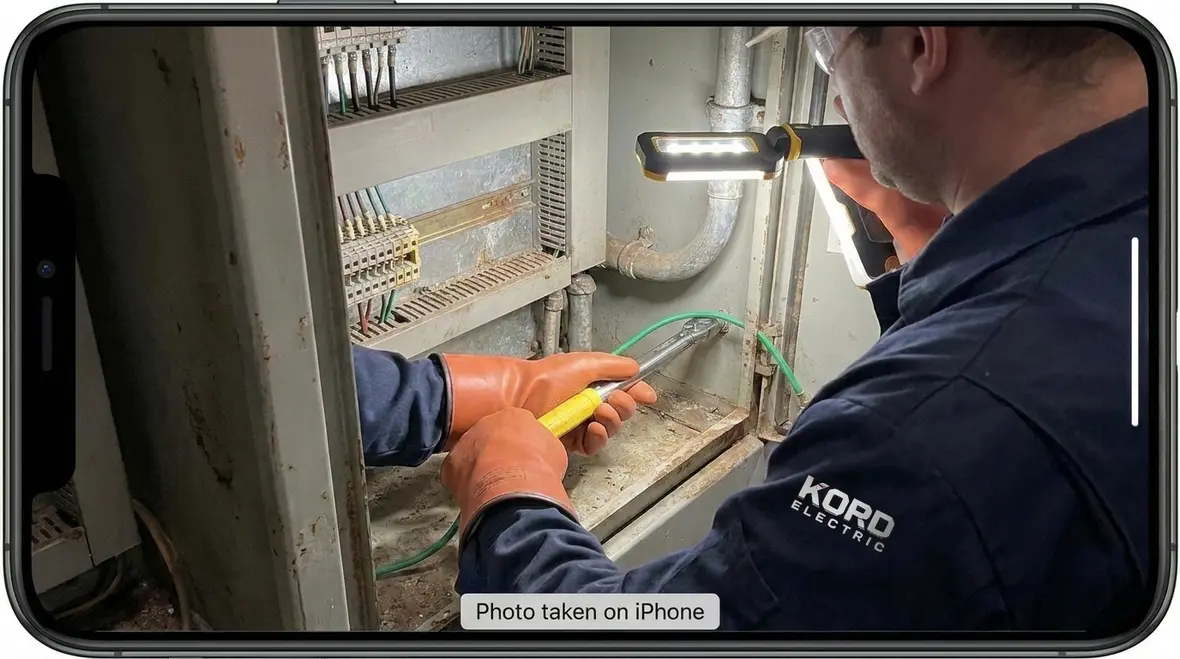
First, we look at materials and conductor condition. Corroded metal, damaged insulation, or mismatched parts can weaken the connection over time. Then we check how conductors are routed and supported. Loose conductors vibrate, and vibration turns into fatigue. After that, we review termination quality. A bonding connection that looks good from ten feet away can still be wrong if torque, contact surfaces, or listed fittings were not used.
Our technicians also pay close attention to jumpers. Jumpers often bridge gaps between enclosures, structural members, or sections of raceway. If a jumper is undersized, improperly routed, or poorly terminated, the fault path can become unreliable. In other words, the bonding might exist, but it might not work when the system needs it most.
To keep things simple for commercial and industrial facilities, we explain the process like this: correct bonding creates a reliable “shortest safe path” mindset for fault current. However, when installations use shortcuts, that safe path grows longer, hotter, and more uncertain. And no one wants “uncertain” during a real fault event.
Design also includes thinking ahead about expansions and maintenance. A bonding conductor that looks perfect when the room is empty can become impossible to access once additional equipment is added. So when we design for NEC bonding conductors 2 kV and higher, we talk about where people will work in five or ten years. Can the connection be inspected without shutting down half the building? Can it be re-torqued, replaced, or tested without gymnastics around energized gear?
By building those questions into design and installation, we help facilities avoid the “just make it fit” improvisation that shows up at the end of a fast-track job. If bonding is treated as a structural part of the system, not a decorative add-on, then inspections, commissioning, and future modifications all move faster and with far less drama.
When we talk through these details with facility teams, we often reference how bonding and grounding decisions connect back to the high-level intent of NFPA 70. Educational resources from Kord Electric and Kord Fire emphasize that grounding, bonding, conductor sizing, and equipment ratings are all part of one continuous safety story. Section 270.102 simply zooms in on what must happen at higher voltages so the rest of that story still holds up when fault currents spike.
Ultimately, a well-designed bonding plan behaves like a seatbelt you never see in action during a normal day, but you absolutely need when something goes off-script. The materials, routing, and terminations are all quiet, routine decisions. Yet during the worst few cycles of a fault, those choices decide whether your system bends and recovers or breaks in ways that send you scrambling for emergency support.
Why inspections and tests hinge on bonding quality
Even when the design intent is correct, inspections fail when workmanship does not match the plan. Therefore, we treat bonding verification as part of the quality system, not a final step after everything else is done.
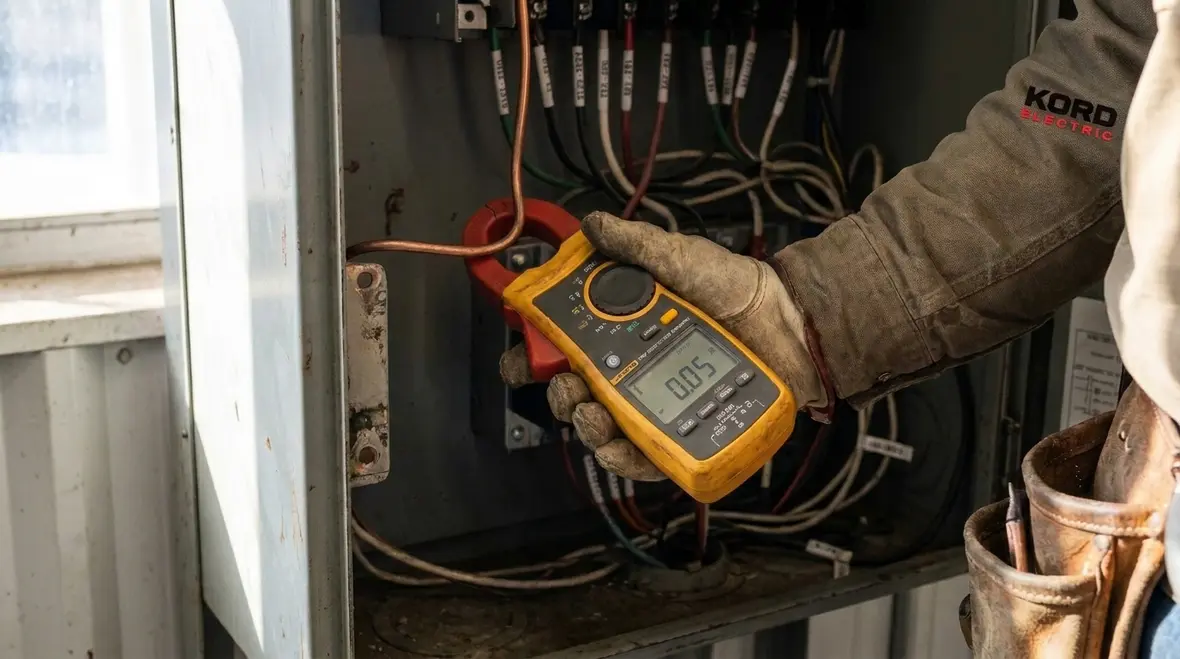
In real facility work, bonding affects several inspection and commissioning checkpoints. Technicians and electricians often coordinate torque checks, continuity expectations, and visual confirmation of proper connections. In addition, field testing may include verification of low resistance paths and review of grounding and bonding integrity, based on the project scope and governing requirements.
Here is the calming part: our team communicates clearly with facility stakeholders. We explain what we are checking and why it matters to safety and reliability. We also help others understand what not to ignore. For example, a loose bonding clamp might not trip any breaker right now, but during a fault, it can create heat, movement, or an unsafe potential gradient.
From a business standpoint, better bonding quality helps prevent outages and rework. From a safety standpoint, it supports predictable equipment behavior. And from a “please do not make us come back” standpoint, it keeps the schedule intact. Electricity already runs on its own timeline, and it is not interested in project management.
We also see bonding quality show up during periodic reviews. When an AHJ or third-party inspector walks a site, they often check whether bonding and grounding look intentional, consistent, and well documented. Facilities that treat these items as living parts of the maintenance plan tend to sail through those reviews. Facilities that treat bonding as a one-time construction chore, on the other hand, find themselves explaining why conductors are missing, corroded, or apparently “temporary” years later.
To keep the process predictable, Kord Electric encourages teams to pair installation records with the educational materials they rely on for planning. Whether they are reviewing conductor-to-ground guidance or the broader National Electrical Code context for 2026, the goal is the same: make sure the real, bolted connections in the field match the safe, code-aligned picture on paper.

When commissioning wraps up, a strong bonding record acts like a receipt for safety. It proves that the system was built intentionally, tested, and confirmed against a known standard. That makes future troubleshooting easier too, because technicians can separate “original design” from “later modifications” without guessing which bonding jumper belongs to which era.
Coordination with the broader NEC approach for 2026 compliance
Commercial and industrial facilities do not live in a vacuum. While this article focuses on NFPA 70 Section 270.102, compliance practices still connect across the NEC. At Kord Electric, we align our project approach with how the NEC is explained in trusted resources and how local requirements get applied to real installations.
As we review guidance from our NEC educational materials and industry discussions, we emphasize a simple strategy: handle bonding as part of an integrated system. That means considering equipment grounding, raceway and enclosure practices, conductor sizing logic, and how jumpers connect metal parts.
We also stay aware of the broader regulatory landscape that affects major property buildings and industrial sites. While rules can change across cycles, the foundation stays the same: bonding supports safety, performance, and reliable fault handling. So even as teams plan for future updates, the bonding mindset should not become weaker. It should get tighter.
Our role does not stop at installing. We help others understand the intent behind the code, then we apply that intent to the site conditions. That approach reduces the chance of confusion at turn over, and it supports smooth maintenance later.
For facility leaders who want a bigger-picture walkthrough of how NFPA 70 frames decisions across feeders, branch circuits, and grounding, we encourage pairing articles like this one with Kord Electric’s in-depth resource on understanding the National Electrical Code for 2026. That guide, along with Kord Fire’s NEC overview content, gives teams a stable reference point before they dive into specialized sections like 270.102, 270.26, or equipment-specific rules.
When all of those resources are read together, a clear theme emerges: the NEC expects systems to be designed, built, and maintained as one interconnected safety plan. Bonding conductors above 2 kV are not a side quest; they are simply one of the many ways that plan is anchored to reality in a medium voltage world.
Service support that keeps facilities moving
Some companies just show up, do a task, and disappear like a magician who forgot the audience. We do not do that. Our technicians and expert service staff stay engaged through the bonding evaluation, the installation verification, and the documentation needed for commercial and industrial operations.
Because major property buildings and industrial facilities run on uptime, we coordinate work so it fits operational needs. That might mean scheduling around production, planning for equipment access, and explaining what downtime is required, if any. Then we follow through with quality checks so the team does not inherit problems later.
Also, we explain the “why” in plain language. When a facility leader understands why bonding conductors and jumpers above 2 kV matter, they can make better decisions during upgrades, expansions, and maintenance cycles. That helps everyone, from the electrical contractor to the safety manager.
If you want a calm experience with code backed work, we are the team to call at Kord Electric.
Our services stretch from design review through field execution. We help teams plan medium voltage layouts, confirm that bonding conductors and NEC conductor to ground choices align with current code language, and document those decisions so future projects can build on a reliable baseline. Whether you are expanding a plant, modernizing a major property building, or coordinating around a renovation, we bring a structured, code-conscious mindset to every step.
Because many of our projects take place across Southern California, we also understand how local requirements and utility expectations thread into the NEC picture. That combination of national code literacy and local familiarity means we can help facilities move from “What do we have to do?” to “How do we do it once, do it right, and keep the lights on?”
FAQ
Request a bonding review with Kord Electric
If your facility uses medium voltage equipment, you cannot afford vague bonding decisions. Kord Electric helps commercial and industrial teams understand the intent behind NFPA 70 Section 270.102 and apply it correctly to real installations. Our technicians explain what we find, why it matters, and how we fix it with workmanship you can trust. Contact us to schedule a bonding review for your site and keep inspections smooth, safety strong, and downtime to a minimum. We will bring the calm, not the chaos.
For teams planning broader electrical changes, our services go beyond single equipment checks. We offer consulting and implementation support for code-driven upgrades, renovations, and new construction, helping you line up bonding conductors, conductor-to-ground choices, feeder diagrams, and branch circuit rules with the evolving NEC. When you are mapping out a long-range strategy for compliance and reliability, resources like Kord Electric’s guide to understanding NFPA 70 for 2026 can sit alongside this article as your code roadmap.
If your operations are based in Southern California, our Los Angeles County electrical services team can support everything from medium voltage bonding reviews to panel upgrades, feeder documentation, and ongoing maintenance. We design our work so that code alignment, uptime, and clear communication move together, instead of fighting each other on every project.
When you are ready to take the next step, we can coordinate a review that fits your schedule, walk your team through the findings in grounded, practical language, and build a plan that ties bonding upgrades directly to safety, reliability, and long-term facility performance.


