
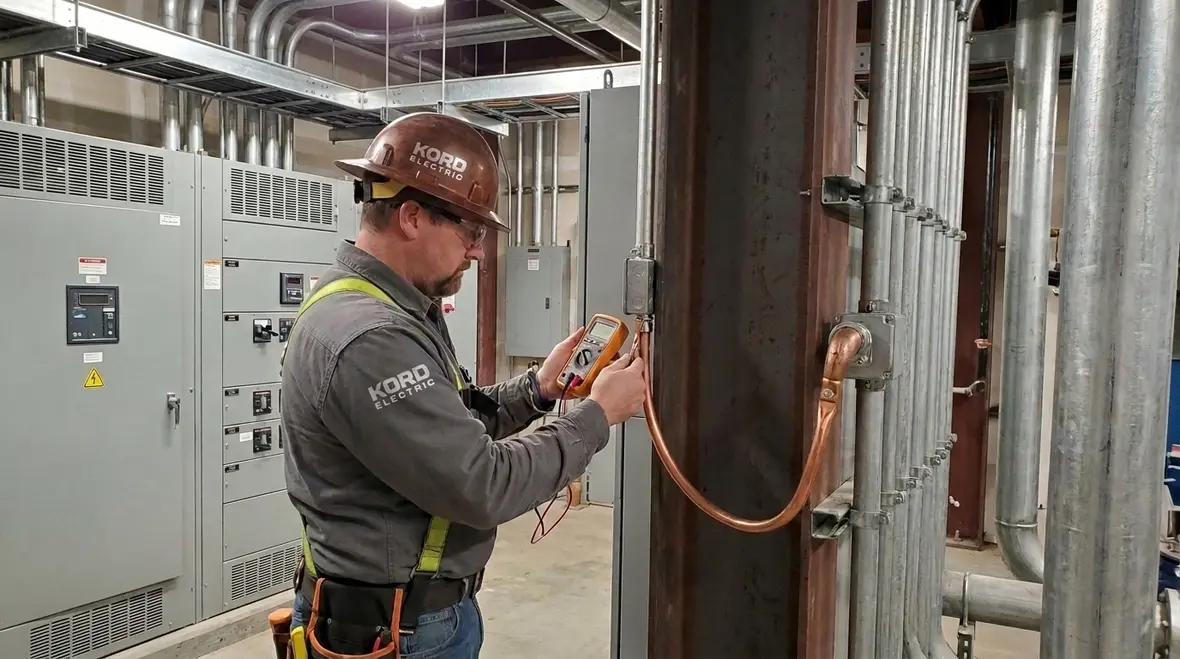
NEC Lightning Protection Bonding 2 kV and NFPA 70 270.106
At Kord Electric, we help commercial and industrial facilities stay safe from lightning and from the confusion that follows it. In this guide, we focus on NEC lightning protection bonding 2 kV and what NFPA 70 Section 270.106 expects when lightning protection systems face higher energy conditions. To be clear, we do not treat lightning like a fun weather event you can ignore. It is more like an uninvited guest who knows where you keep the valuables, and it shows up with perfect timing. So, our team lays out the rules in plain language, then we put them to work on the job. Others may rush. We slow down, explain, and install correctly.
If your facility team wants a broader code roadmap alongside this specific topic, Kord Electric also shares a detailed overview in Understanding NFPA 70: The National Electrical Code Explained for 2026, which connects high voltage bonding rules to the wider NEC story for commercial and industrial sites.
Why NFPA 70 Section 270.106 matters for bonded lightning systems
NFPA 70 Section 270.106 addresses bonding requirements above 2 kV within lightning protection systems. In practice, we see facilities misread these rules, then compensate with guesswork. Unfortunately, guesswork does not bond. It simply makes a problem later.
When lightning strikes, the system handles large current and high voltage stress. Bonding creates controlled electrical connections between the lightning protection components and other conductive elements. Therefore, the goal is to limit dangerous side flashes and reduce the chance that current takes a random route through building paths, equipment racks, or metallic systems.
Our technicians and expert service staff explain this as a chain of controlled pathways. If you skip a link, lightning finds a weak spot. And it always finds one, because lightning has a sense of humor and it is not the friendly kind.
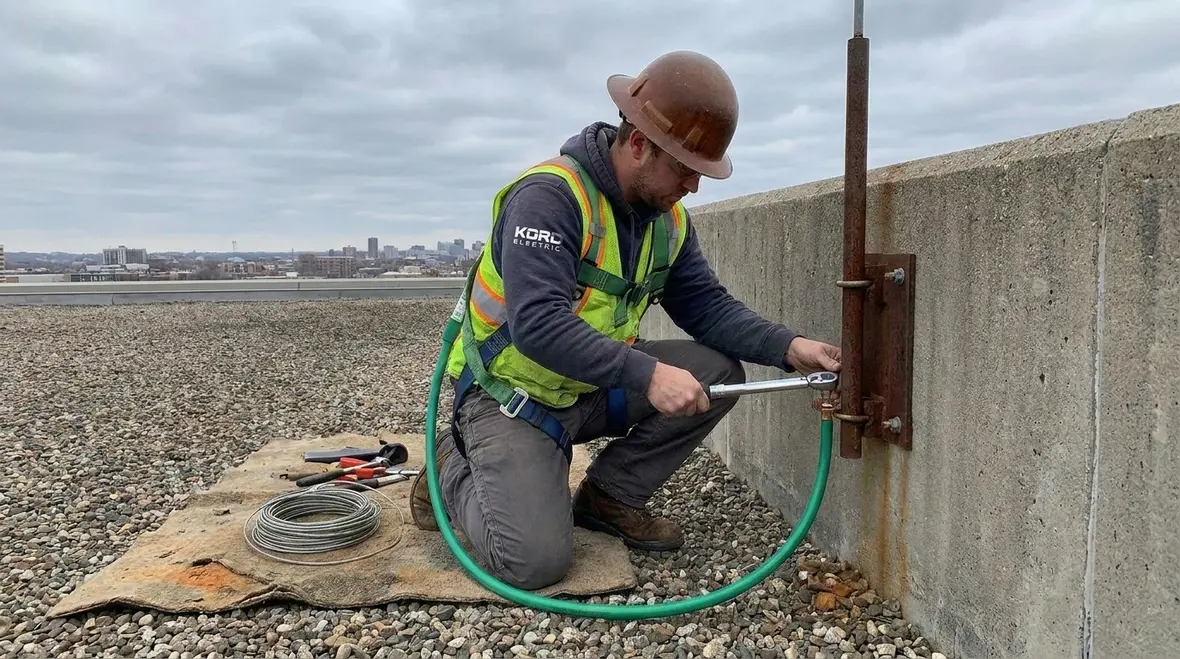
How 270.106 fits into your overall NEC strategy
Section 270.106 does not stand alone. It lives inside the broader NEC grounding and bonding framework that keeps high voltage systems stable and predictable. When our team reviews commercial and industrial layouts, we read 270.106 alongside other grounding electrode and bonding rules so the lightning protection path does not fight with the rest of the electrical design.
This is where having a clear understanding of the National Electrical Code pays off. Articles like What Is NFPA 70? Understanding the National Electrical Code and Kord Fire’s dedicated NEC resources help facility leaders see how lightning bonding interacts with grounding electrodes, fault paths, and life safety systems instead of treating each rule like a separate puzzle.
Where bonding above 2 kV shows up in real building layouts
Commercial and industrial buildings rarely stay simple. Instead, they include multiple grounding systems, metallic piping, structural steel, electrical service gear, HVAC metal, and sometimes renewable energy systems. As a result, bonding points become critical.
Section 270.106 applies where bonding must handle higher energy conditions above NEC lightning protection bonding 2 kV thresholds. We typically run into these scenarios:
Service and distribution areas where electrical equipment rooms connect to building steel and metal raceways
Roof edges and penetrations where conductors transition between roof systems and internal grounding paths
Metal piping and duct runs that feed other systems and create unintended electrical bridges
Large structural steel frameworks where bonding must stay consistent, not improvised
Then, we verify how the lightning protection components connect to the rest of the facility. Additionally, we check whether the existing bonding creates stable, low impedance paths. If it does not, we revise it before the next storm turns into a test you never asked for.
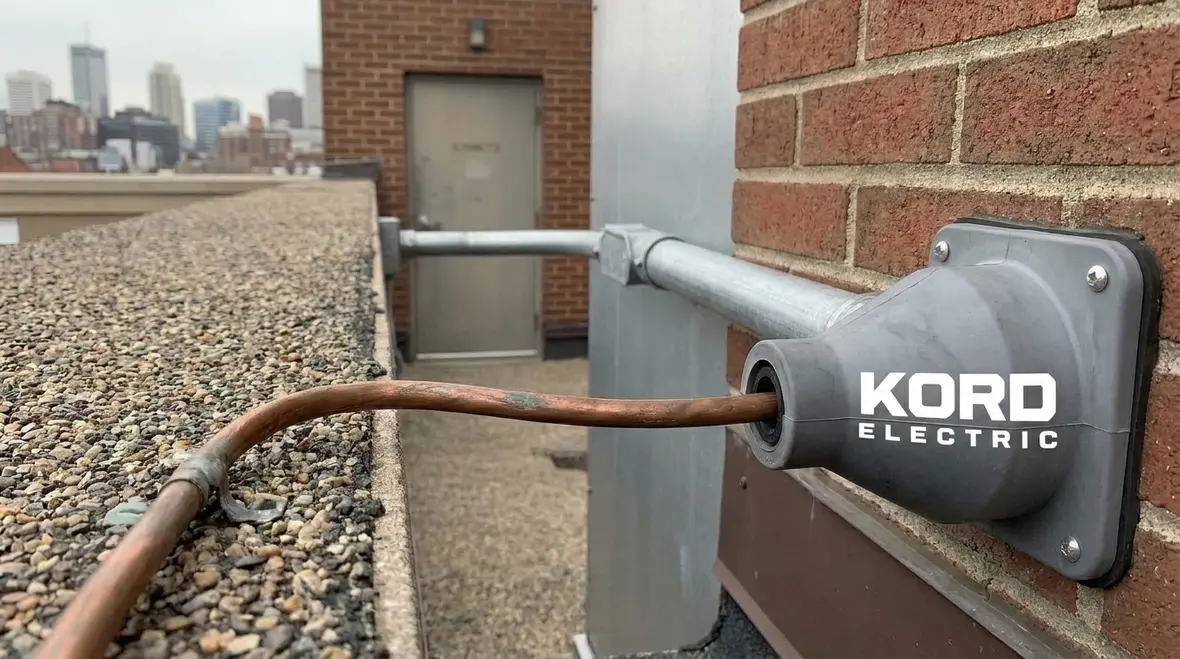
Common trouble spots we find during assessments
On real projects, certain locations keep showing up as “problem corners” for NEC lightning protection bonding 2 kV and above:
Old retrofit transitions where new rooftop equipment ties into legacy bonding without proper review
Mixed metal systems where dissimilar metals introduce corrosion and long-term resistance issues at bonding points
Unlabeled connections that no one can easily trace during an inspection, creating doubt about continuity
Forgotten additions like satellite mounts, communication racks, or HVAC upgrades that never made it into the bonding plan
We treat these as opportunities to tighten the design, document the improved paths, and make sure the next contractor or inspector can see the logic without a guessing game.
Step by step: how we ensure compliant bonding in the field
We follow a careful process, and we keep our work documented for major property buildings and facility managers who need clear proof. First, our field team confirms system design intent and checks the electrical environment around the lightning protection network. Next, we review how bonding conductors and bonding points connect above the 2 kV criteria.
Then we do three practical things, in order:
Identify the bonding interfaces where lightning currents could create side flash or stress other conductive paths
Verify conductor routing and connection integrity so the bond holds during thermal stress and mechanical movement
Confirm grounding continuity with field checks that match the intended design
As we do this, we also explain the “why” behind each step. Our technicians do not just point at wires and say “trust me.” They walk facility staff through the reasoning, because a calm explanation prevents panic when an inspector or an engineer asks questions.
Documentation that keeps inspections painless
For high energy bonding projects, we treat documentation as part of the safety system. Our teams tag bonding points, note conductor sizes, and record test results in a way that lines up with NFPA 70 expectations. When the Authority Having Jurisdiction reviews your site, you have clear evidence that 270.106 bonding paths are not just “somewhere up there on the roof” but part of a designed, verified network.
This approach mirrors the broader code interpretation work we describe in resources such as How to Read NFPA 70: A Practical Guide to the National Electrical Code, where process and clarity matter just as much as the technical details.
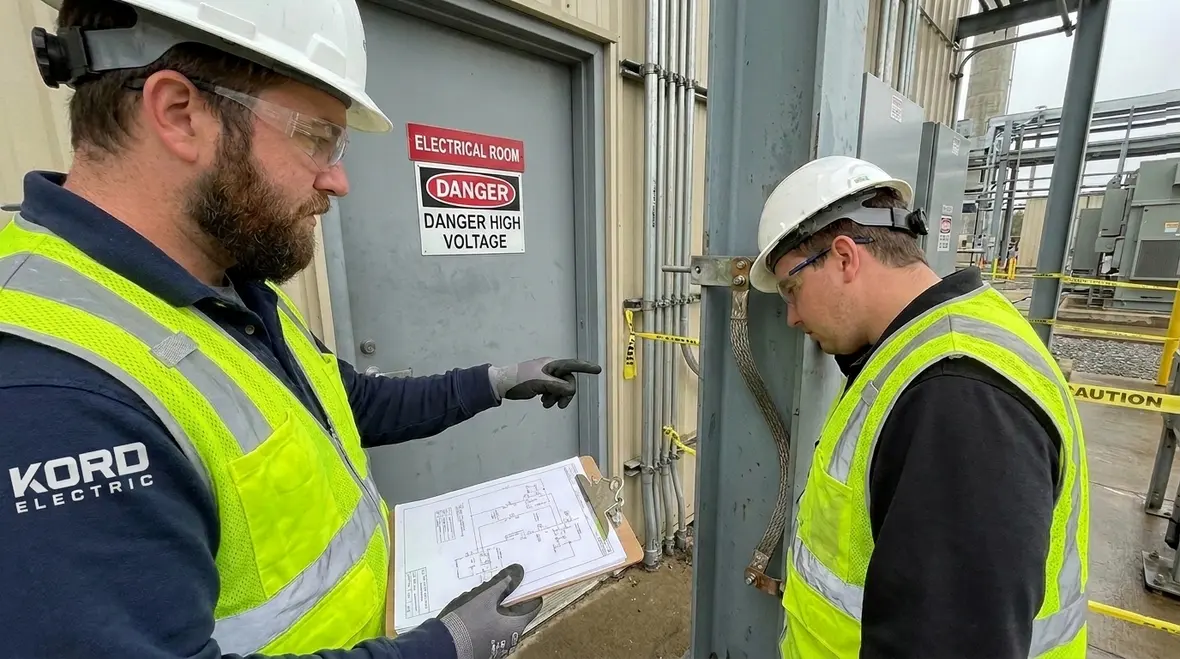
Bonding methods, conductor sizing, and connection quality
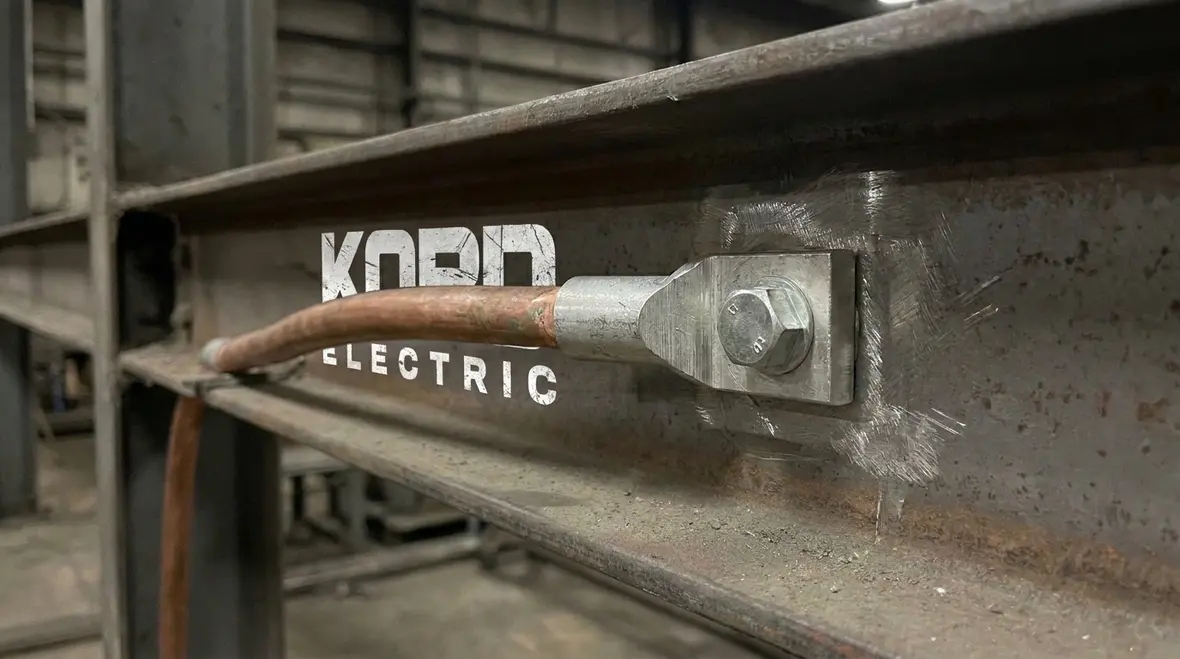
Lightning protection performance depends on more than a bonding label. It depends on the bond itself. Therefore, we pay close attention to bonding methods, connection quality, and how conductors carry fault energy.
In many commercial and industrial facilities, we see three recurring issues:
Loose or poorly prepared connections that resist long-term current flow
Improper conductor terminations that reduce contact area and increase heating
Routing that invites damage from vibration, maintenance traffic, or weather exposure
To handle these problems, our team uses proper termination practices and verifies that bonding conductors maintain the intended electrical path. In addition, we ensure the connection design stays consistent across interfaces, so the system does not rely on a “good enough” weld or a quick clamp that will relax over time.
Now, a quick joke for the road: lightning does not care if your connection “looked fine.” It cares if it is electrically solid. Think of it like Wi Fi. If it drops during the movie, you do not blame the movie. You blame the signal. Lightning is the world’s harshest signal tester.
Matching conductor choices to real lightning energy
For NEC lightning protection bonding 2 kV and above, conductor selection is less about “what fits in the lug today” and more about how that path behaves under severe stress. We look at available fault current, likely lightning surge paths, environmental exposure, and mechanical protection. Then we size and route bonding conductors so they can ride through those events without turning into a weak point.
This mindset mirrors other high voltage grounding topics covered in the Kord Electric blog, such as grounding electrode material and sizing guidance for systems over 2 kV. The goal stays the same: predictable performance, even when the weather and the grid are not cooperating.
Coordination with the facility electrical system and grounding plan
Lightning bonding above 2 kV does not live in a vacuum. It interacts with the facility electrical system, grounding electrode system, and any existing bonding network. So, we coordinate with the rest of the site plan rather than treating lightning protection like a separate island.
That coordination matters because side flashes can occur when a difference in potential exists between bonded parts. Therefore, we focus on reducing potential differences by creating stable connections between the lightning protection system and other conductive elements.
Here is a practical view of how we coordinate. Kord Electric uses a two track check to keep work smooth and consistent:
What we review |
What we confirm |
Bonding points and interfaces |
They stay consistent with NFPA 70 Section 270.106 expectations above 2 kV |
Grounding continuity paths |
Low impedance and no hidden gaps that create stray current routes |
Electrical room penetrations and raceways |
Controlled bonding so equipment does not become the “backup route” |
Documentation readiness |
Clear install details for ongoing inspections and maintenance planning |
Next, our expert service staff explains findings to the building team. Then, we propose fixes that fit commercial and industrial operations, because downtime has a cost too. We plan around your schedule, not the other way around.
Tying lightning protection into broader system upgrades
In many projects, lightning bonding improvements happen alongside panel upgrades, distribution changes, or power quality work. By aligning all of that under the NEC umbrella, we help facilities avoid “patchwork” solutions that pass today’s test but complicate tomorrow’s inspection or outage response.
For example, when facilities in Los Angeles County plan comprehensive upgrades, they often combine lightning bonding reviews with broader Los Angeles County electrical services from Kord Electric, so that surge protection, grounding, bonding, and distribution all tell the same safety story.
Maintenance, inspections, and what we recommend after install
After bonding above NEC lightning protection bonding 2 kV is in place, the work is not “done” like a dashboard progress bar. We recommend scheduled inspections, especially after construction changes, equipment swaps, or roofing work. Lightning protection components experience weather, thermal cycling, and mechanical impacts. So, even a correct install can drift if maintenance ignores it.
Our approach includes:
Visual checks for conductor damage, corrosion, and loose terminations
Continuity verification where connections can change after building work
Bonding review after renovations so new metal interfaces do not create new risks
Additionally, we share simple guidance with facility staff. We tell them what to watch for and what to report quickly. Because if you catch a loose connection early, you fix it before it turns into a lightning story that no one wants to hear.
When to schedule follow up checks
For most commercial and industrial buildings, we suggest routine reviews on a defined cycle and extra inspections when:
Major rooftop equipment is added, moved, or removed
Structural modifications change the path of steel or introduce large new metal runs
The site experiences severe storms or recorded lightning events nearby
An inspection, insurance review, or risk audit flags questions about bonding continuity
This pattern keeps NEC lightning protection bonding 2 kV ready for the next surge instead of hoping the original install will handle every future change.
FAQ
Call Kord Electric for lightning protection bonding in commercial and industrial buildings
When lightning protection bonding above 2 kV gets ignored or misunderstood, the risk lands on your equipment, your safety, and your operating budget. Kord Electric brings expert technicians who explain what matters, then install and verify bonding correctly for major commercial and industrial facilities. If you want a compliant, well coordinated lightning protection setup, contact us for an assessment and a clear plan. We will walk you through the details, keep it calm, and make sure the next storm does not become a surprise audit.
Sources referenced for NEC and lightning protection context include Kord Electric and Kord Fire educational materials, as well as NFPA 70/NEC guidance for bonding and lightning protection practices.
If you are planning broader electrical improvements alongside lightning bonding work, Kord Electric’s commercial and industrial service teams can integrate this effort into your larger project scope so grounding, bonding, surge protection, and distribution upgrades all move in step.


