
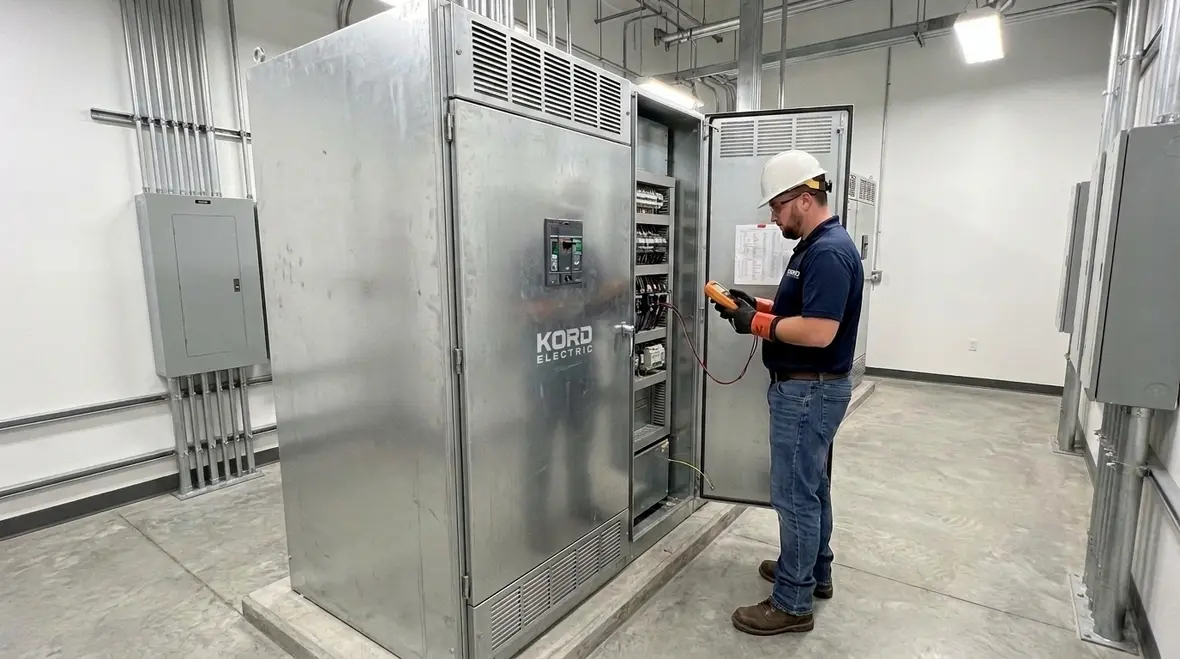
NFPA 70 270.110 NEC Fixed Equipment Grounding 2 kV
Kord Electric teams up with facility leaders who need reliable power protection, not guesswork. In this guide, we explain how NFPA 70 Section 270.110 shapes safe NEC fixed equipment grounding 2 kV practices for commercial and industrial sites, plus major property buildings. We focus on grounded fixed equipment above 2 kV, because when a system goes wrong, it does not do it politely. It does it loudly. And once the smoke starts, no one wants a staff meeting about “who forgot the grounding details.”
Third party rules can sound dry, so our technicians and expert service staff translate the code into practical steps you can verify on site. And yes, we keep it calm, like a steady voice before a fire alarm prank. Now, let’s ground the facts.
NFPA 70 270.110 explained for grounded fixed equipment
NFPA 70 Section 270.110 addresses how we ground fixed electrical equipment operating above 2 kV. In simple terms, the rule expects a clear path for fault current so protective devices can operate. That path reduces the risk of dangerous voltage on equipment frames and metal parts. Further, it supports safe operation during faults, which helps protect workers, equipment, and the building’s electrical system as a whole.
However, the “what” depends on the “where” and “how.” Kord Electric works with commercial and industrial facilities where equipment often includes switchgear, transformers, feeders, and other fixed gear. Therefore, we treat 270.110 as a system requirement, not a box to check during an installation punch list.
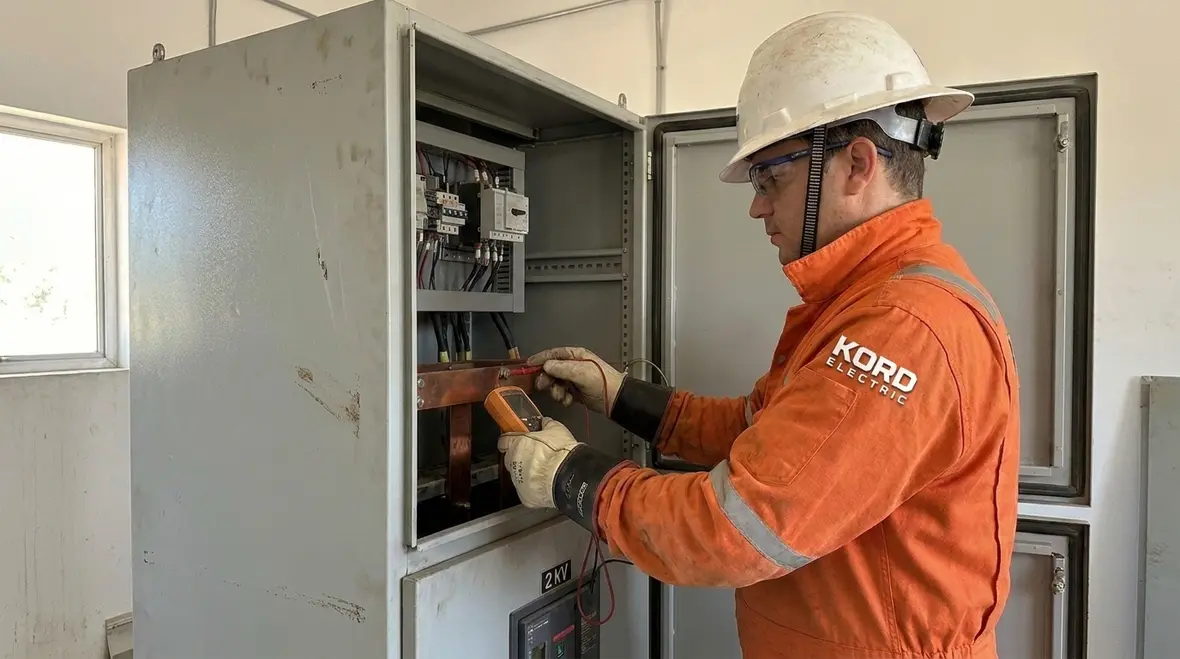
Why grounding fixed equipment above 2 kV matters in commercial buildings
When equipment runs above 2 kV, fault energy can rise fast. Consequently, the job becomes less about convenience and more about control. Proper grounding does not stop every problem, but it helps limit harm and supports quick clearing of faults. In turn, that can reduce downtime and limit damage to switchgear and connected loads.
Also, grounding helps manage touch and step potential during fault events. While codes do not exist to make our lives fun, they do exist to prevent injuries and electrical shock. So when a facility team asks, “Is this required?” our expert service staff answers like we are on the floor with you: yes, because the consequences of missing grounding show up when nobody is looking.
How we interpret NEC fixed equipment grounding 2 kV requirements
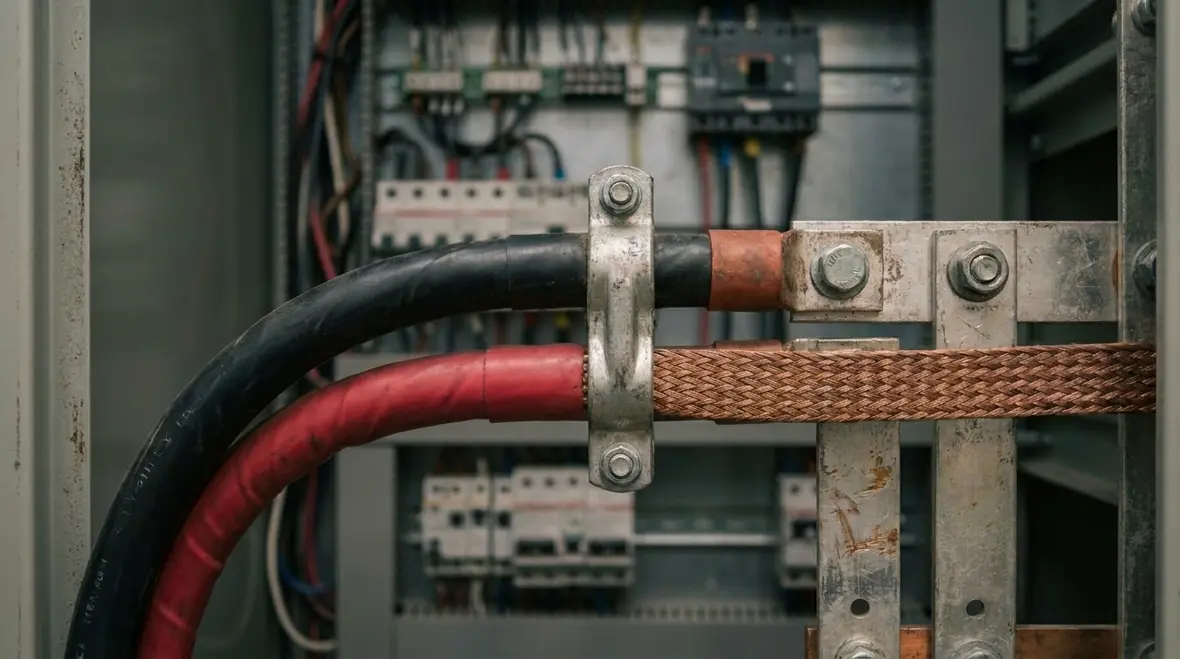
To apply 270.110 correctly, we start with the equipment and its voltage class. Then we confirm how the equipment enclosure, grounded parts, and bonding connections are built. Kord Electric focuses on practical verification, such as reviewing grounding conductor routing, connection methods, and the bonding points that tie equipment metal parts together.
In addition, our technicians pay attention to the details that cause real failures. For example, a loose connection can create heat, which can degrade insulation and lead to further failures. Likewise, corrosion at a connection point can weaken the electrical path over time. Therefore, we treat grounding as both an installation and maintenance task.
Next, we align grounding practices with the broader NEC approach, including proper conductors, bonding, and coordination with protective devices. That way, the system behaves as intended when faults occur. For facility teams who want a broader foundation before diving into section-level details, Kord Electric also maintains resources like Understanding NFPA 70: The National Electrical Code Explained for 2026, which connects high-level NEC guidance to real building decisions.
Common mistakes that hurt protection on 2 kV systems
In the field, we often see issues that look small but create big risks. First, some teams assume that bonding is “close enough.” It is not. If the bonding path is weak, protective devices may not operate quickly, or at all, during faults.
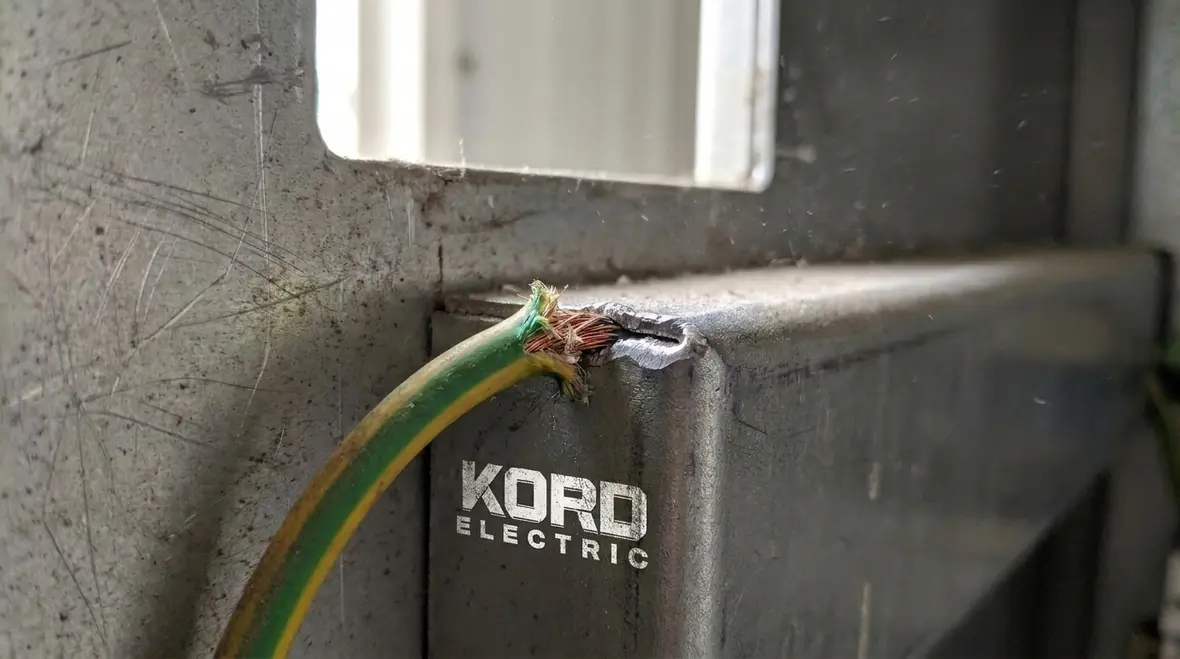
Second, we see grounding conductors routed in ways that invite damage. For example, conductors can end up near sharp edges, chemical exposure, or vibration zones. Over time, that can cause insulation wear or mechanical loosening.
Third, we sometimes find mismatched parts. A connection made with the wrong lug or an improper termination can fail under fault current. Then the fault current does what it always does: it tells the truth about weak connections.
Finally, many facilities do not maintain records that show grounding continuity and connection checks. As a result, troubleshooting becomes guesswork. And guesswork is fun only in trivia night, not in high voltage infrastructure.
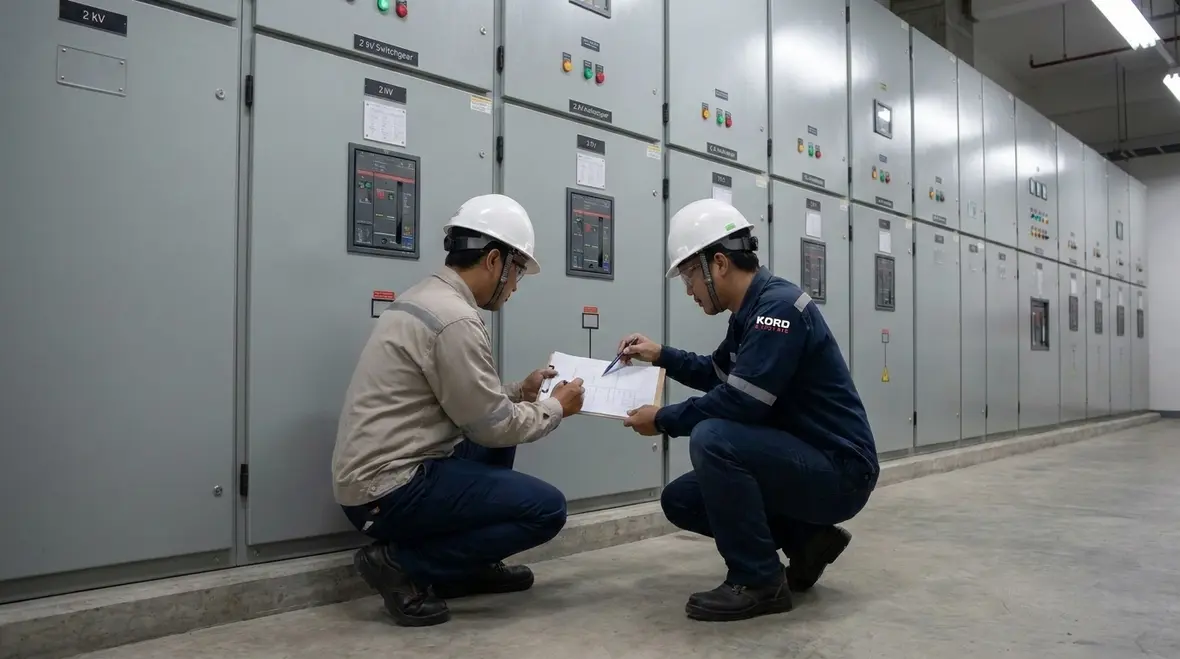
Field steps our technicians use to verify compliance
Kord Electric works with commercial and industrial facilities and major property buildings, so we build a repeatable verification flow. Our expert service staff typically follows steps like these, tailored to the site’s equipment layout and system design:
- Document review: we confirm equipment ratings, voltage class, and bonding/grounding design intent before we touch the field.
- Visual checks: we inspect terminations, enclosures, bonding jumpers, and conductor routing for damage or improper installation.
- Connection integrity: we verify that lugs, connectors, and attachment points are tight and properly made for the environment.
- Continuity verification: we confirm the grounding path is continuous where required and that bonding points connect the intended metal parts.
- Coordination with protection: we confirm protective device design aligns with the grounding method, so faults clear as expected.
- Maintenance recommendations: we provide a practical plan for future checks so the grounding stays reliable as the building ages.
Then, when we explain the results to the facility team, we do it clearly and without “mystery code talk.” We talk like technicians, not like a textbook. And when clients ask for details, we give them details, because transparency earns trust.
Maintenance and future upgrades for large properties
Even when a system starts out correct, grounding can degrade due to aging, water intrusion, vibration, or repairs that happen over the years. Therefore, Kord Electric encourages facility managers to treat grounding above 2 kV as an ongoing program, not a one-time install event.
When a major property building plans upgrades, we also help prevent common side effects. For example, new equipment sometimes gets integrated without matching the original grounding strategy. As a result, the system gains complexity, and weak points may appear in the transition between old and new gear.
We also plan for coordination across trades. Electricians, contractors, and facility crews all touch the infrastructure at some point. Consequently, we help define grounding requirements before work begins, so the team does not improvise later. Nobody wants a “close enough” solution when the consequences are high.
How Kord Electric supports compliance across commercial and industrial sites
Kord Electric serves commercial and industrial facilities, plus major property buildings where power systems must stay dependable. We support teams through inspection, service, and field guidance so your electrical infrastructure follows code intent and performs under real conditions.
Our approach focuses on practical results. We collaborate with your leadership and your maintenance staff, and we explain findings in plain language. Also, we help reduce downtime risks by addressing grounding issues before they become outages. If you want a team that treats your electrical system like it matters, that is exactly where we operate.
And since we are talking about grounding, here is a small pop culture truth: in movies, someone always says, “I can fix it fast.” In real power systems, speed is good only when it stays accurate. We aim for both.
FAQ
Quick answers from the field
Does grounding reduce the chance of equipment damage?
Yes. Proper grounding supports fault clearing and reduces the stress that drives damage during fault events.
Do we need to bond enclosures for 2 kV fixed equipment?
In most cases, yes. Bonding connects metal parts so fault conditions do not leave dangerous voltage on equipment surfaces.
What should a facility team do before upgrades?
Review the grounding design, plan integration points, and schedule verification so new gear matches existing grounding strategy.
Who should perform grounding verification?
Kord Electric technicians and expert service staff with experience in commercial and industrial electrical systems, not informal “trial-and-error” checks.
For facilities planning broader electrical work beyond grounding, this review often pairs well with services highlighted in the Kord Electric blog on commercial electrical infrastructure modernization. And when the project moves from planning to field work, many Los Angeles County property teams coordinate with Kord Electric’s dedicated Los Angeles County electrical services team so code compliance and practical scheduling stay aligned.
Conclusion and call to action
If your facility operates fixed equipment above 2 kV, NFPA 70 Section 270.110 deserves real attention, not rushed sign offs. Kord Electric works with commercial and industrial facilities and major property buildings to inspect, verify, and support grounding practices that help faults clear safely and quickly. Our technicians explain findings in clear terms and help you plan maintenance that stays reliable year after year. Contact Kord Electric to schedule a grounding and compliance review today, and keep your electrical system behaving like the professional it is meant to be.
If you are coordinating larger upgrades that involve service changes, new distribution equipment, or life safety loads, our team can also help you connect NEC fixed equipment grounding 2 kV practices with broader NFPA 70 planning. That includes aligning with guidance from resources like our NEC overview content and integrating grounding checks into your overall electrical modernization roadmap.


