
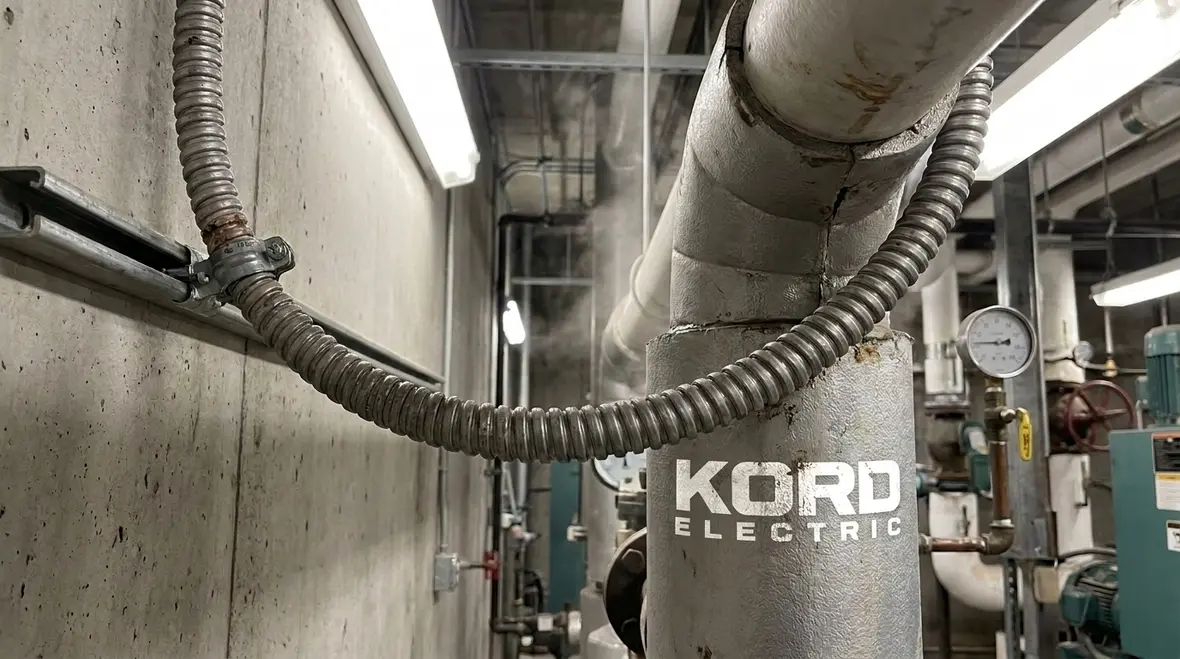
NEC FMC Temperature Exposure and NFPA 70 305.17 Flexible Conduit
NEC FMC temperature exposure and flexible conduit in the real world
When commercial and industrial teams manage electrical systems, one detail quietly drives a lot of outcomes: NEC FMC temperature exposure. In many projects, flexible metal conduit faces varying temperatures during installation, operation, and service cycles. That is where NFPA 70 Section 305.17 matters. It guides how Flexible Conduit should behave when the environment is not calm and steady, like it never is on a busy jobsite. At Kord Electric, our technicians and expert service staff explain the rules in plain terms, then verify them in the field. And yes, we do mean verify, not just nod and hope. The code does not care about hope, it cares about compliance.
For facility teams who want extra context on how this flexible conduit requirement fits into the wider National Electrical Code, Kord Electric also breaks down big picture topics in resources like Understanding NFPA 70: The National Electrical Code Explained for 2026, which connects code chapters to real-world commercial and industrial work.
Why NFPA 70 Section 305.17 exists
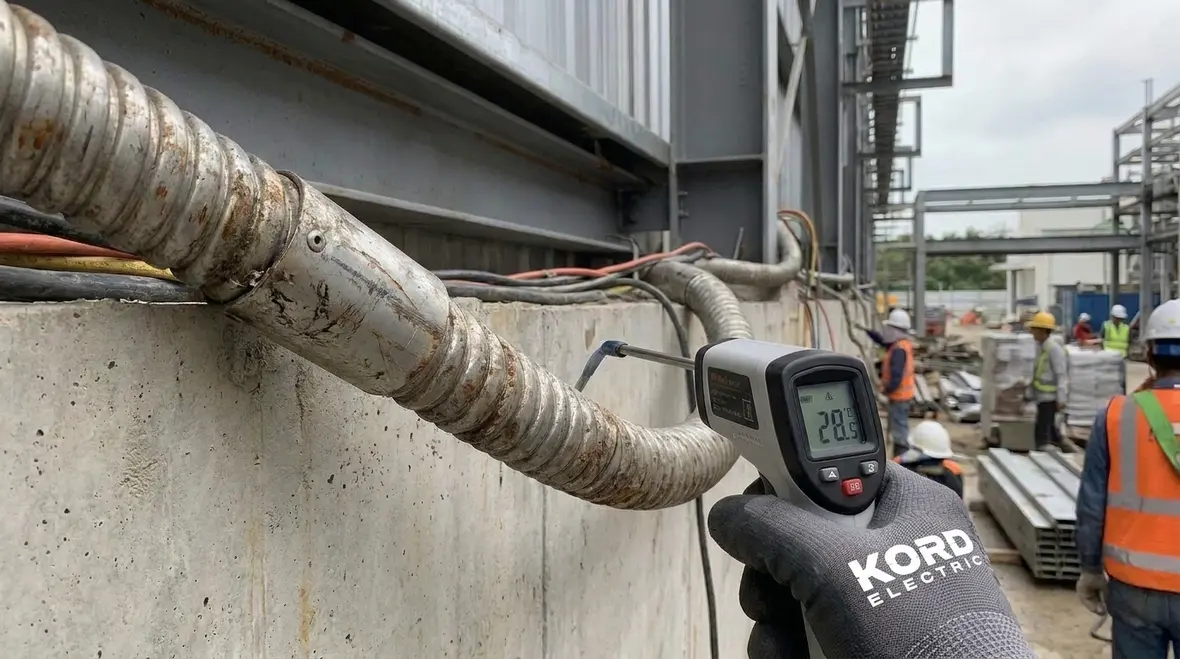
Third person can sound distant, but the problem is very physical. Flexible conduit moves heat, and heat changes material behavior. Over time, temperature swings can affect the conduit’s shape, its flexibility, and how it remains properly supported and connected. Section 305.17 exists to reduce the risk of failure when flexible conduit runs through areas with changing temperatures.
In other words, the code tries to prevent a situation where a conduit looks fine on day one, then behaves like a tired rubber band after a few seasons. That is not just inconvenient. It can create loose connections, damaged insulation pathways, and unsafe operating conditions. So, our experienced team at Kord Electric leans into the “why” behind the rule, then builds a plan that fits the building’s operating realities.
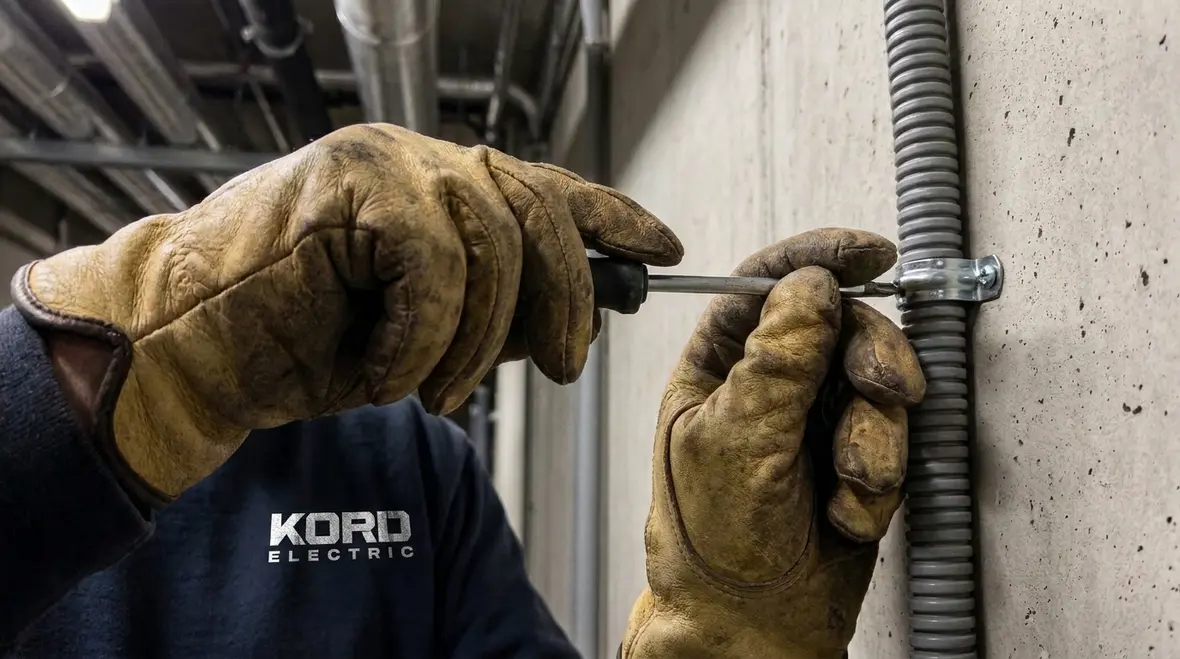
Most facilities do not experience one steady temperature. Some areas warm up during equipment start and shutdown cycles. Others stay cooler due to ventilation zones, outdoor exposure, or process systems. Even interior mechanical rooms can swing from mild to intense. When technicians evaluate varying temperatures, they look at more than the ambient air. They consider heat sources, airflow patterns, and how often the system runs.
Then we connect those observations back to the conduit run. For example, if a flexible run passes near steam piping, motors, or other heat generating equipment, it may see higher surface temperatures than a run in an office corridor. Likewise, flexible conduit exposed near loading docks may experience outdoor temperature effects. Because the “varying” part is real, the installation must match that reality. Our expert service staff often says, “If the building cycles, the electrical system should be built to cycle too.”
How flexible conduit responds when temperatures change
Flexible conduit has advantages, and it also has limits. As temperatures rise and fall, materials expand and contract. That movement can stress terminations and fittings if the installation is not planned. In addition, heat can influence the conduit’s mechanical properties and how it maintains alignment.
When installers treat flexible conduit like it will be frozen in place forever, the system eventually disagrees. Temperature cycling can loosen fittings or change how the conduit routes around obstacles. So, Kord Electric focuses on support strategy, routing discipline, and connection methods. We also pay attention to how the conduit is protected against sharp edges and abrasion during temperature shifts, because vibration and thermal movement often show up together in commercial and industrial environments.
We work on facilities where continuity matters, including major property buildings and industrial sites. So we also look at how long the conduit will live under those conditions, not just how it looks during commissioning. Pop culture comparisons help sometimes. A flexible conduit run should not be like a character in a sitcom who forgets the plot every week. The system must remain reliable through the season, not just through the punchline.
Compliance steps we use to meet NFPA 70 expectations
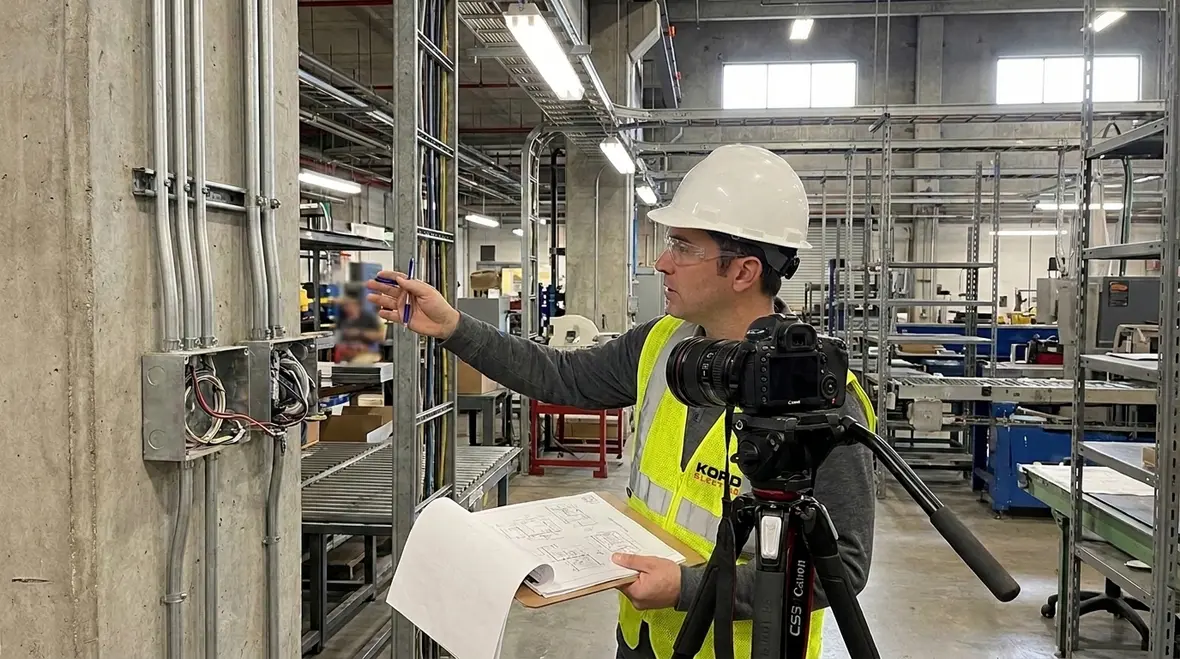
Our process starts with a site walk. Then we document where flexible conduit runs, what it contacts, and what the building does during normal operation. After that, we apply the NFPA 70 Section 305.17 requirements to the specific conditions found in the field.
Here is how we typically manage it
- Identify the temperature exposure zone by reviewing equipment heat sources, ventilation patterns, and operational cycles.
- Confirm proper installation practices including routing, protection from physical damage, and clean termination.
- Support the conduit correctly so thermal movement does not translate into stress at fittings.
- Coordinate with other trades so conduit placement does not get reshaped after the electrical rough-in.
- Verify during commissioning so any irregularities, looseness, or abnormal stresses get corrected before the system ramps up.
At Kord Electric, our technicians do more than follow drawings. They apply the rule with their eyes, their hands, and their field experience. Our expert service staff also explains the reasoning to building teams, so everyone understands what was installed and why. That reduces rework later, and honestly, rework is like paying for the same movie twice. Nobody enjoys that, not even when the plot is good.
Common installation mistakes and how we prevent them
Even careful teams can miss details when a job has tight schedules and lots of competing priorities. Below are frequent issues we see when flexible conduits face temperature swings, along with the prevention methods we use for commercial and industrial facilities.
- Overstretching or forcing the route so the conduit gets stressed at terminations. We plan routing early, then keep bends within practical limits.
- Skipping proper support so thermal expansion and contraction transfer loads to fittings. We place supports to reduce stress and maintain alignment.
- Allowing abrasion risks where conduit passes near edges or equipment. We add physical protection where needed and keep spacing correct.
- Ignoring changes after installation like added insulation, relocated piping, or new equipment. We coordinate and recheck runs when conditions change.
- Assuming one room equals one temperature instead of mapping the actual environment. We verify exposure zones during site review.
We keep the tone practical because the goal is not to impress anyone with code language. The goal is safe, steady performance. And in a major property building or industrial facility, steady performance protects people, equipment, and budgets.
Dual column guidance for design and field teams
To help both design and field teams move faster, Kord Electric aligns expectations using a simple two track approach.
|
Design and planning
|
Field execution
|
When these tracks stay aligned, teams spend less time guessing and more time delivering. And guesswork is like using a screwdriver as a hammer. It might “work” briefly, but the damage shows up later.
How our team supports commercial and industrial facilities
Kord Electric focuses on commercial and industrial work and major property buildings. That means we prioritize systems that must perform under real conditions, including vibration, schedule pressure, and operational temperature changes. Our expert service staff supports clients across planning, installation coordination, and service checks.
When building teams need help interpreting NEC guidance and related standards, we translate the rules into decisions that make sense for your site. For additional NEC background, Kord Electric and partner resources discuss the code basics in approachable ways, including Kord Electric’s 2026-focused explanation and Kordfire resources. For clients with fire system adjacency and coordination needs, we also reference fire oriented compliance perspectives where appropriate, including Kordfire and firepumps.org discussions that help teams connect electrical safety with life safety planning.
In short, we do the legwork so facilities get compliant work that holds up after the ribbon cutting, not just before it. And when NEC FMC temperature exposure shows up as a design variable instead of an afterthought, flexible conduit becomes one more part of a well-coordinated system instead of a surprise during inspection.
For facility leaders coordinating broader electrical improvements, this flexible conduit focus often fits naturally into larger projects like Los Angeles County electrical services for commercial and industrial properties, where code compliance, load growth, and long-term reliability all have to move together.
FAQ: NFPA 70 Section 305.17 and flexible conduit in temperature swings
Conclusion: schedule a compliant conduit review with Kord Electric
Temperature swings are not a theory on a whiteboard. They happen in real commercial and industrial facilities, and NFPA 70 Section 305.17 helps keep flexible conduit systems safe and steady. Kord Electric brings field based experience through our technicians and expert service staff, then we explain the “why” in clear terms so your team can make confident decisions. If you want a focused review of conduit routes, supports, and temperature conditions, contact Kord Electric today and let us set your electrical plan on solid ground.
If your team is actively planning upgrades, it can also help to pair this kind of focused review with broader NEC planning content from the Kord Electric blog, including articles that explain how the National Electrical Code shapes commercial and industrial design decisions for 2026 and beyond.


