
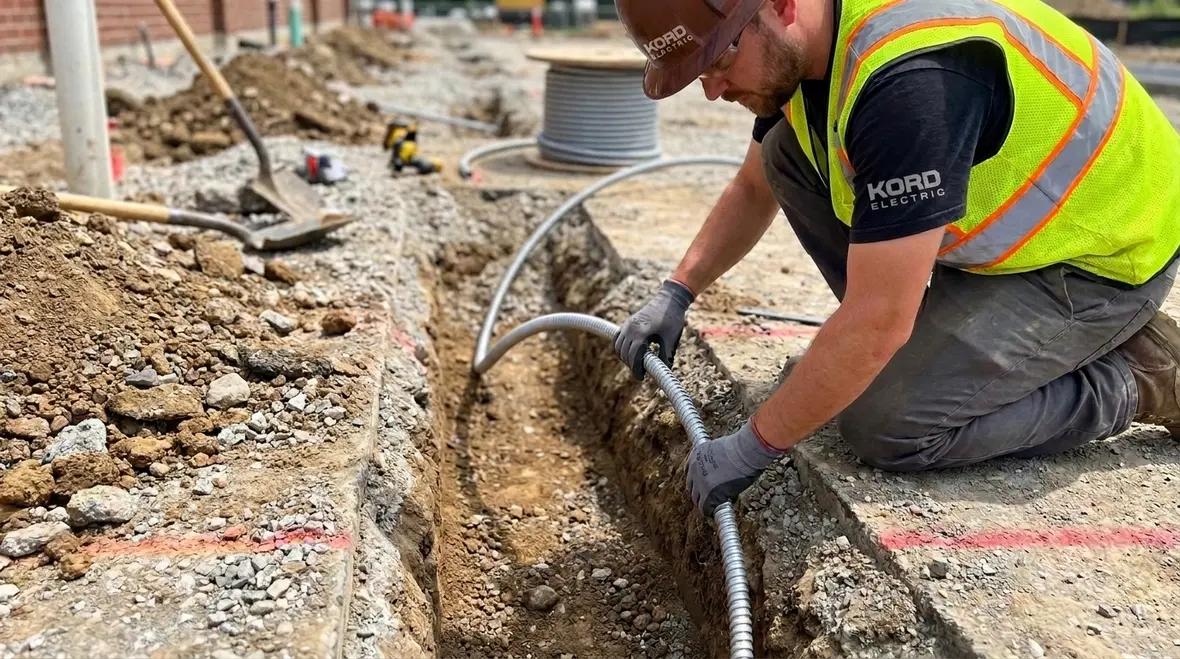
NFPA 70 Section 305.15 NEC Underground Flexible Metal Conduit
When commercial and industrial facilities need power in the ground, we do not treat conduit like a mystery box. At Kord Electric, we specify and install NEC underground flexible metal conduit when the job calls for it, and we back that decision with clear documentation and field-tested workmanship. In other words, we build systems that can survive real soil conditions, inspections, and the kind of construction schedules that make even superheroes late. And yes, we explain it to facility teams in plain language, because nobody wants to hear “trust us” when their assets are on the line.
Here is how NFPA 70 Section 305.15 fits in, what “underground use” really means for flexible metal conduit, and how our expert technicians keep installations compliant and reliable for major property buildings. Along the way, we connect the details to broader NEC planning resources, including Kord Electric’s own Understanding NFPA 70: The National Electrical Code Explained for 2026, so your team can see where this underground work fits into the full code picture.
NFPA 70 Section 305.15 and why Kord Electric designs underground flex right the first time
Underground conduit does not get second chances. Once it disappears beneath soil, slab, or pavement, every shortcut turns into a long-term risk. NFPA 70 Section 305.15 recognizes that flexible raceways sometimes need to go underground, but it expects those runs to be designed and installed with discipline. At Kord Electric, we treat that expectation as the baseline, not the finish line.
When a project requires NEC underground flexible metal conduit, we start with purpose: why flex is needed, where it is allowed, and how it will behave once the trench is backfilled and the site is busy again. Then we layer in protection, support, corrosion considerations, and inspection readiness. That is how we avoid the “mystery box” mentality and keep your underground raceways from becoming a hidden liability five years from now.
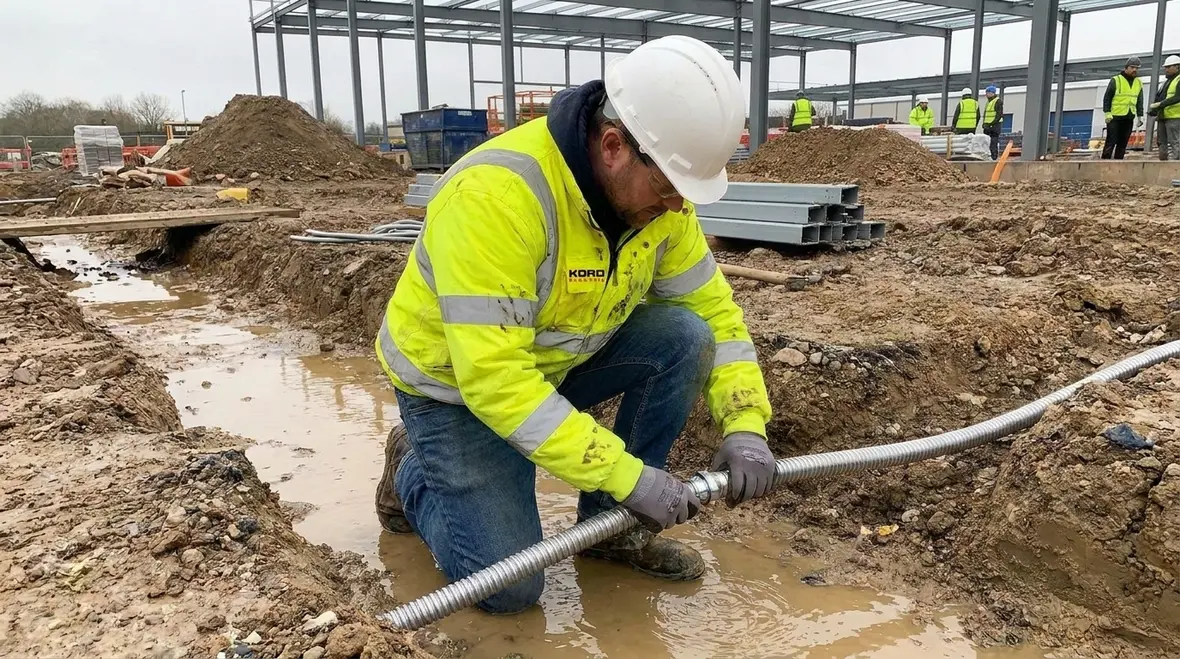
Because we specialize in commercial, industrial, and major property buildings, we also coordinate underground conduit decisions with larger NEC topics like grounding and bonding, overcurrent protection, and conductor protection rules. If your team is digging into broader code context, resources such as Kord Electric’s guides on NEC grounding and bonding basics and NEC installation limitations under Section 300.4 pair naturally with the underground flex decisions we make in the field.
How Section 305.15 handles underground use of flexible metal conduit
NFPA 70, also called the NEC, sets the rules that help protect people and property from electrical hazards. In Section 305.15, the NEC addresses underground use of flexible metal conduit in situations where it can be used safely and effectively. First, the code recognizes that flexible metal conduit has a practical role, but it also demands conditions that reduce the risk of damage underground.
So, what does this mean in real life? When a project team wants a conduit run that can handle movement or routing constraints, we evaluate whether flexible metal conduit suits the environment and whether the installation method matches the NEC intent. Then we plan the path, the support, the protection from moisture and physical harm, and the required fittings.
At Kord Electric, our technicians approach this methodically. They check design details, confirm field constraints, and validate that every segment aligns with the code requirements before anything gets buried. That way, the underground section does not become a “later problem,” which is a phrase that always shows up right before budgets get nervous.
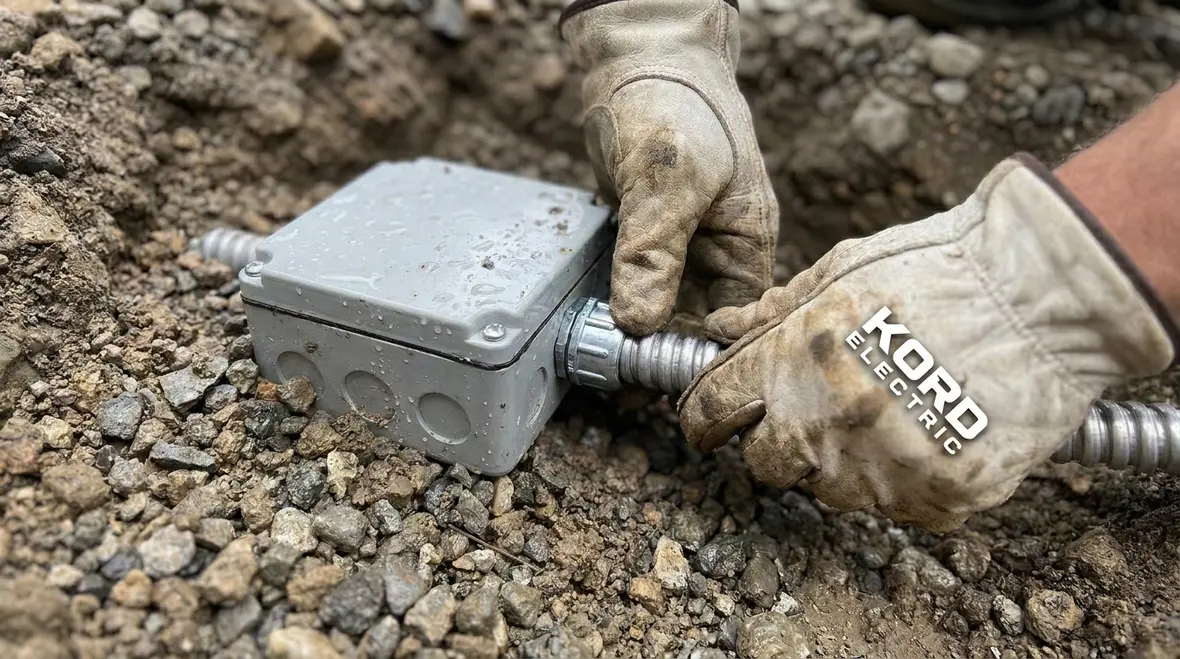
Because Section 305.15 does not live in isolation, our planning also reaches into other parts of the code library. Articles that cover conductor protection, raceway fill, and installation limitations influence how we route and protect flex in and out of the ground. For teams that want to see how different NEC sections interact, Kord Electric’s article on NFPA 70 Section 300.4 installation limitations helps connect the dots between underground raceways and how they pass through or near building elements.
Why underground flex is a precision tool, not a shortcut
Flexible metal conduit earns its keep in tight corners, movement-prone areas, and transitions that rigid raceway simply cannot serve cleanly. Underground, those strengths still apply—but only when the design treats flexibility as a precision tool. When someone treats flex like a bandage for sloppy routing, the result is usually higher risk, not lower cost.
Our teams map every underground flex segment with the same seriousness we use for feeders, overcurrent protection, and grounding conductors. That mindset lines up with the broader NEC approach you will see in Kord Electric’s discussions of feeder minimum rating sizes under Section 215.4 and branch circuit overcurrent protection under Section 210.20. Underground flex is part of the same safety story. It just happens to live beneath your feet.
When NEC permits this conduit type, and how we verify compliance
Section 305.15 does not give a free pass for every underground situation. Instead, it ties usage to conditions and installation practices. Therefore, we verify each project element before we install. We look at the raceway type, the intended use, and how the conduit will be protected throughout its underground length.
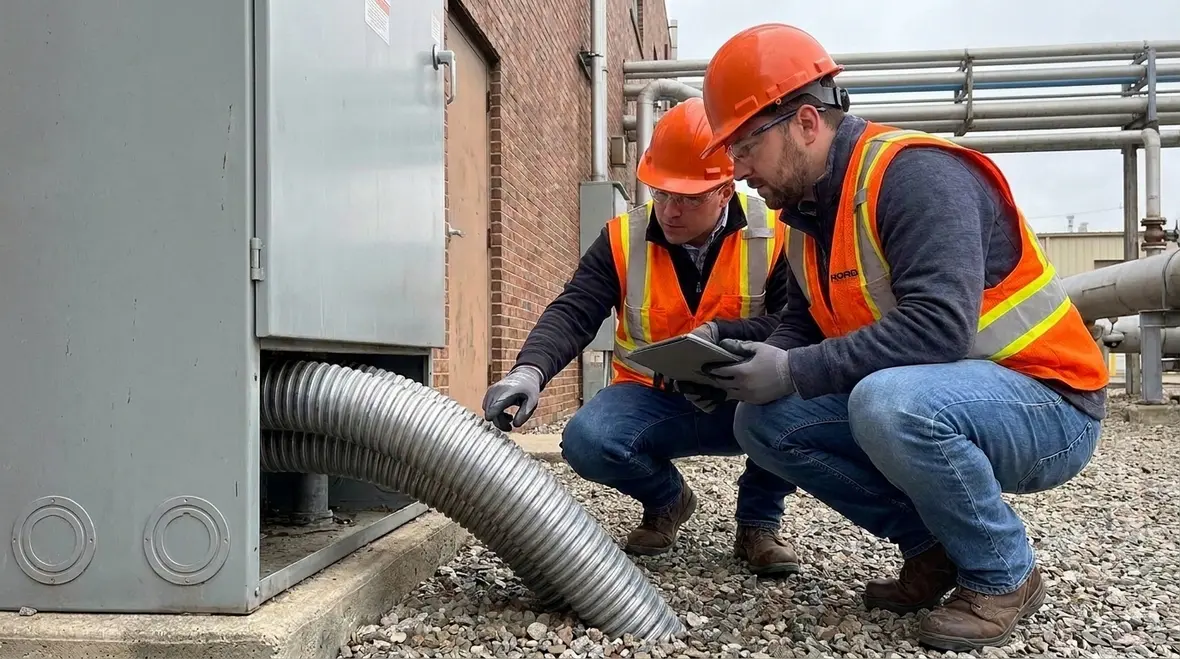
Next, we check transitions and connections. Underground runs often connect to above grade equipment, junction points, or service entrances. If those transitions are sloppy, the entire run can suffer. Our service team makes sure fittings, couplings, and bends meet the NEC expectations for secure connections.
We also verify installation details that inspections care about. For example, we ensure proper support spacing where required, confirm that conduit routes avoid unnecessary exposure, and validate that the conduit system protects conductors against moisture and physical stress.
And if a client asks, “Can we just send it and fix it later,” our technicians answer like professionals. They say that the underground part is not a playground. It is buried infrastructure, and it has to last.
Documented decisions that inspectors can follow
Inspectors do not have time to guess what your team intended underground. That is why we treat documentation as part of the installation, not as an optional extra. Our drawings, photos, and notes spell out where NEC underground flexible metal conduit is used, why it fits within Section 305.15 allowances, and how it is protected along the way.
That same documentation mindset shows up across our code-focused work. When Kord Electric explains topics like 2026 NEC application requirements and NFPA 70 scope or provides a guide on how to read NFPA 70, the goal is the same: make the code traceable, understandable, and inspectable before anyone closes a wall or buries a trench.
Installation practices that protect underground runs in commercial and industrial buildings
In the field, NEC compliance is not only about the right conduit. It also depends on how the conduit system interacts with soil, water, and construction activity. Even if the conduit is correct, a poor installation plan can undermine performance.
To protect the system, we plan the route with stability in mind. We coordinate with civil teams to understand trenching, backfill, and compaction methods. Then we confirm that the conduit sits where it should and that the installation does not introduce stress points along the run.
Next, we handle the conduits and fittings with care. Flexible metal conduit requires proper installation techniques, including secure connections. As a result, our technicians prevent gaps, misalignment, and loose hardware that can lead to corrosion or ingress over time.
We also think about the conductors inside the conduit. We confirm conductor types, insulation suitability, and the equipment side termination requirements. Then, importantly, we manage pulling tension and installation friction so the conductors do not get damaged before they ever reach the panel.
By the time the conduit goes underground, we already treated it like a long-term asset. And because we specialize in commercial, industrial, and major property buildings, we expect the scrutiny that comes with facilities that cannot afford surprise outages.
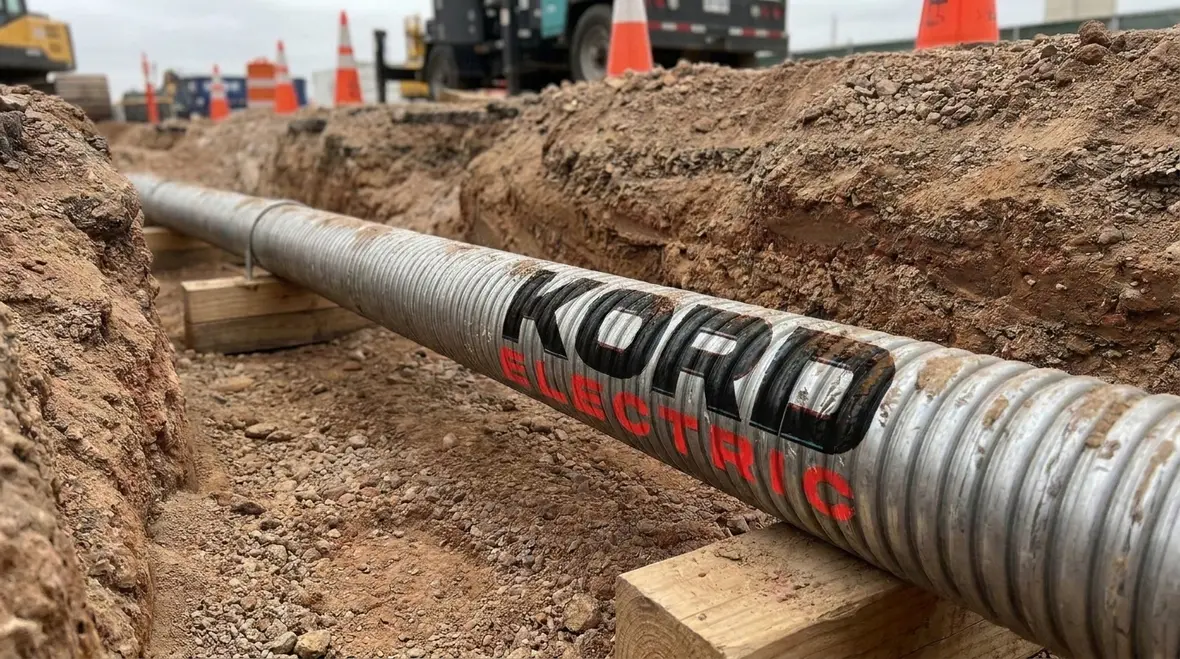
Connecting underground practices to broader NEC expectations
The same mindset that protects underground conduit also supports bigger NEC goals. When we coordinate trenching with feeder sizing, grounding paths, and load calculations, we are applying the same “no surprises” approach that you will see in Kord Electric’s explanations of calculated load determination rules and what NFPA 70 covers in practical terms. Underground flex is just one piece of that code reality, but it is a piece that becomes very expensive to fix if it is done casually.
Common mistakes we see with underground flexible metal conduit
Even in well-run projects, teams can stumble. However, most issues come from a few predictable mistakes. First, some crews assume that “flexible” means “forgiving.” It does not. Flexibility helps with routing and installation, but it does not replace correct installation and protection.
Second, we sometimes see incomplete verification of transitions from above grade to underground sections. If those connection points do not meet the NEC requirements, the system can fail at the joints rather than in the straight runs. That is why our technicians inspect the whole assembly, not only the trench.
Third, facilities teams sometimes overlook support and securement. When supports do not match the installation needs, conduit can shift during backfilling. Then, when the ground settles, the system experiences movement that can stress connections.
Finally, we see rushed work that ignores inspection readiness. Inspections do not just look at what is installed. They look at whether it was installed correctly and consistently. Therefore, we document key steps and coordinate with stakeholders so that the inspection process moves smoothly.
If you have ever watched a contractor say “We will fix it after the inspector leaves,” you know the rest of that story. We prefer the boring path, the correct one, the path that passes inspections on time and keeps operations stable.
Turning lessons learned into better standard practices
We take each of those mistakes and build them into our standard checklists. That means underground flexible metal conduit gets the same attention we give to above ceiling raceways, exposed runs, and equipment terminations. If your team is building a playbook for repeatable, code-aligned work, pairing this underground guidance with resources like Kord Electric’s electrical safety training requirements for facilities helps keep everyone on the same page before the first shovel hits the ground.
How our technicians explain NEC details for property teams
Code text can feel like it was written by someone who never had to explain anything to a busy facility manager. So, we translate. Our expert service staff breaks down what the NEC wants, why it matters, and how the installation meets the standard.
For major property buildings, we align electrical planning with the realities of site work. We discuss conduit routing, transition points, protection strategies, and inspection checkpoints. Then we show stakeholders what we will install, where we will install it, and how we will verify quality.
We also talk about outcomes. When a system uses NEC underground flexible metal conduit correctly, it supports long-term reliability and reduces risk from soil conditions and physical disturbance. Additionally, proper installation helps reduce the chances of future service disruptions caused by hidden failures.
We keep the conversation grounded. We do not use jargon to win an argument. We use it only when it helps a team make a better decision. And if a stakeholder prefers a simple summary, our staff provides that too.
Linking Section 305.15 to the bigger NFPA 70 narrative
When we walk a property team through Section 305.15, we do not treat it like an isolated paragraph. We connect it to how NFPA 70 defines scope, applies installation limitations, and sets expectations for things like conductor routing and grounding paths. For teams that want more than a single section at a time, we often pair our explanation with Kord Electric’s broader NEC content, such as Understanding NFPA 70: The National Electrical Code Explained for 2026 and Section 225.12 open conductor supports. That way, your team sees how one underground decision influences the reliability of the whole system.
Need it for a major facility project? Our Kord Electric workflow
Because we focus on commercial and industrial facilities and major property buildings, we manage these projects with a delivery mindset. First, we review project drawings and the intended scope. Then we confirm how the conduit system connects to electrical equipment and where it transitions between environments.
Next, we plan field sequencing so the trench work, conduit placement, conductor installation, and inspections stay aligned. As a result, we reduce delays and avoid rework. Then we document installation steps in a way that supports internal records and inspection needs.
Finally, we communicate. Our team keeps the facility and property stakeholders informed on what is happening and what comes next. If something changes, we explain it clearly and we adjust the installation approach to protect compliance.
In short, we treat this work like mission critical infrastructure. Because it is.
For facilities across the region, that support also extends beyond individual projects. Kord Electric’s service coverage, including dedicated Los Angeles County electrical services, gives property teams a single partner for planning, installing, and troubleshooting NEC-aligned systems—above ground, underground, and everywhere in between.
Final word from Kord Electric: get the details right before the conduit disappears into the ground
If you manage power distribution for a major facility, you already know the cost of rework underground. At Kord Electric, we design and install NEC-aligned conduit systems using expert technicians who verify compliance and explain the “why” behind every requirement. So before trenching begins, talk with us about Section 305.15 and your specific underground routing needs. We will help you build a system that passes inspection, performs reliably, and keeps operations calm. Contact Kord Electric today for a focused review of your project scope.
If your team wants to connect these underground decisions to the broader NEC environment, you can also explore Kord Electric’s wider code resources, including the main Kord Electric blog index and focused guides that walk through how NFPA 70 shapes modern commercial and industrial electrical design. Together, those resources and a well-planned Section 305.15 strategy turn buried conduit from a guessing game into an asset you can trust.


