
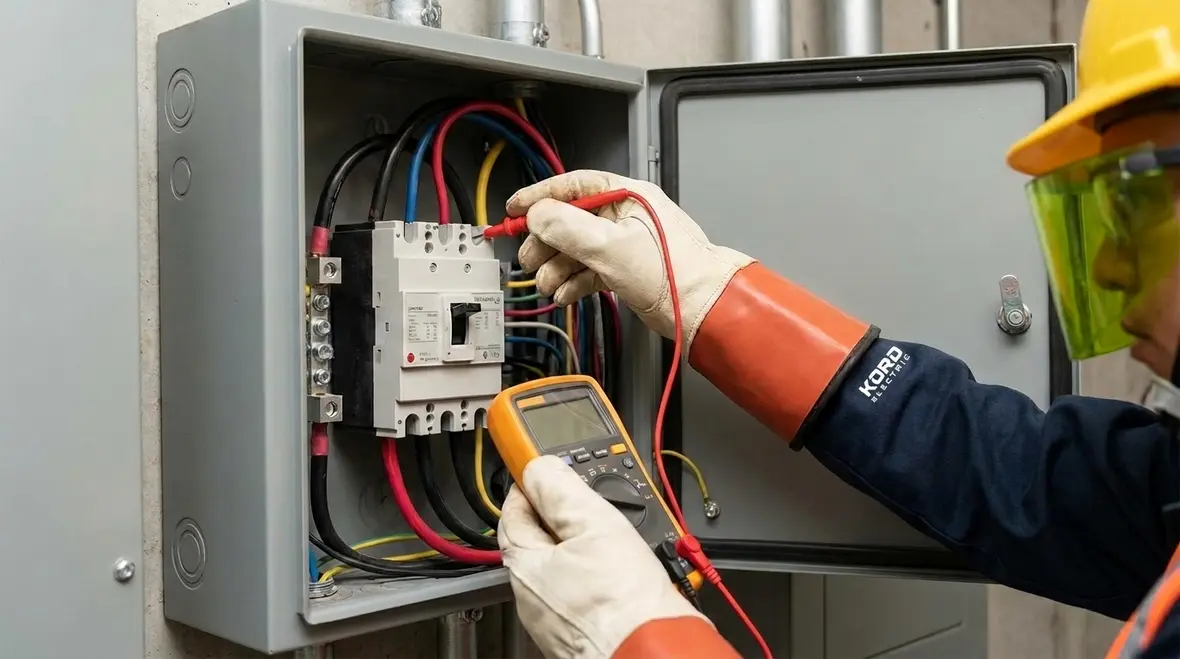
NFPA 70 Section 210.20 NEC Branch Circuit Overcurrent Protection
At Kord Electric, we treat NEC branch circuit overcurrent protection like a serious seatbelt, because when it fails, the fire department shows up before the electrician can finish explaining. In commercial and industrial facilities, NFPA 70 Section 210.20 guides how branch circuits stay protected from overload and short circuit conditions. We also help others understand how the rules work in real buildings, not just in neat code books. Our technicians and expert service staff walk through the requirements step by step, then we help align design, installation, and maintenance with the NEC. And yes, we sometimes see people treat circuit protection like a “set it and forget it” gadget, but electricity does not do that. It keeps receipts.
What NFPA 70 Section 210.20 really controls
NFPA 70, also called the NEC, sets the baseline for safe electrical design and installation. Section 210.20 focuses on branch circuit overcurrent protection, meaning it addresses how each branch circuit gets protection sized for the conductors and the load it feeds. While the code includes details across many sections, this one acts like the spine of the system. In other words, it connects the wiring to the protection devices so the circuit can open fast enough when current goes too high.
To explain it plainly, the code aims to prevent dangerous heat buildup in wires and connections. Furthermore, it reduces the chance of arcing events that can damage equipment and create ignition sources. Our team keeps the conversation grounded in commercial and industrial reality, because those facilities often contain motors, variable frequency drives, lighting panels, and process loads that behave differently than small residential circuits.
Where branch circuit protection shows up in commercial work
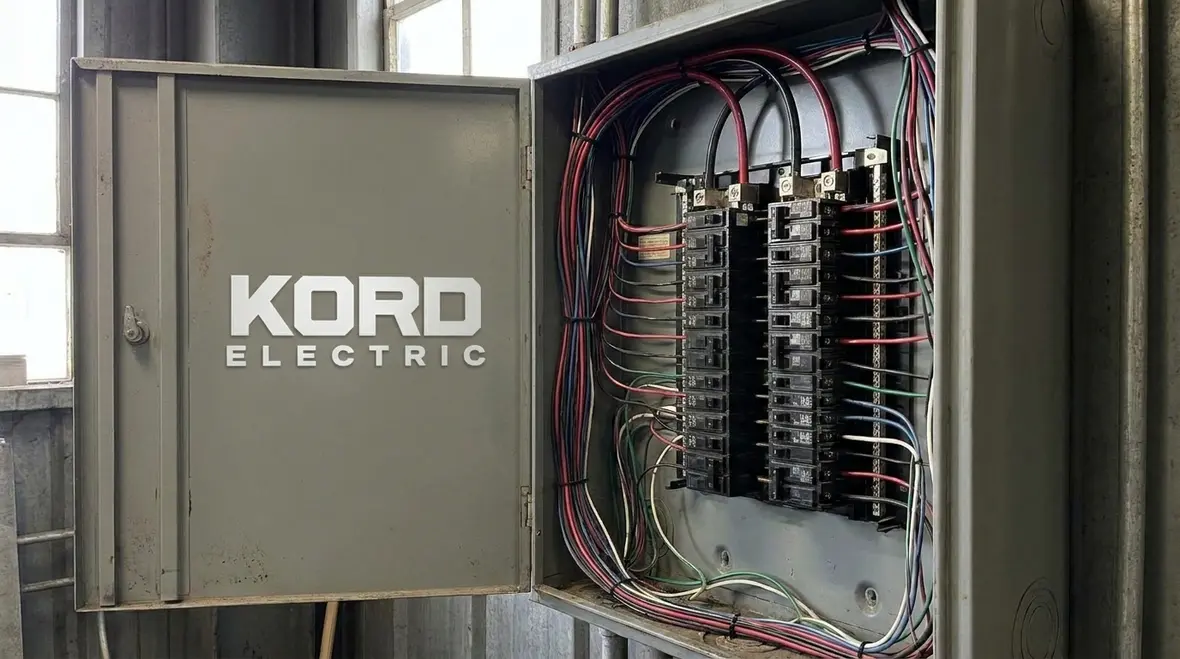
In a major property building, NEC branch circuit overcurrent protection decisions affect more than one panel schedule line. They influence conductor sizing, the breaker or fuse type, the equipment interface, and how maintenance staff troubleshoot trips. Consequently, the protection needs to match the load characteristics, including starting currents for motors and transient behavior for some electronic equipment.
For example, lighting and receptacle circuits may use conventional breaker arrangements, while certain HVAC equipment, pumps, or production machinery may require coordination and careful selection. Our technicians and expert service staff review how the facility actually operates, not just how it is drawn. Then we help teams choose protection that prevents nuisance trips without letting conductors run hot.
If you think it is boring to talk about breakers, remember this: a breaker is not a mystery box. It is the controlled failure point so the wiring and equipment do not become the uncontrolled failure point. Pop culture taught us the villain always gets a monologue, but here the breaker is the one who does the stopping.
How we select protection devices that match the load
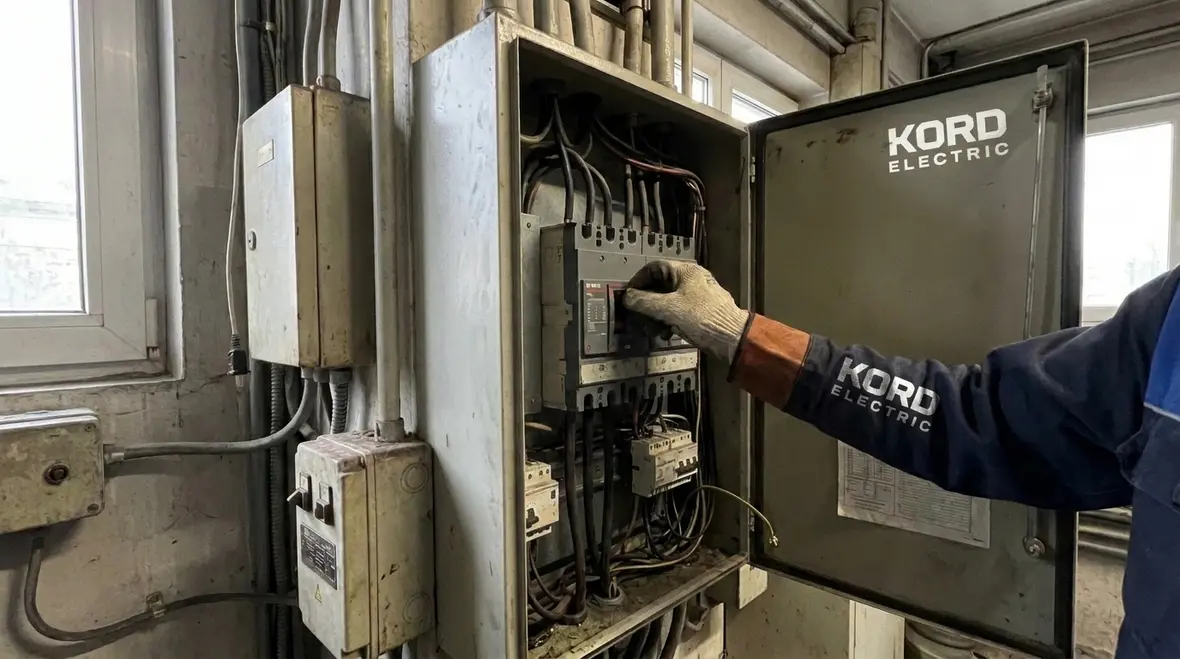
NFPA 70 Section 210.20 works alongside other NEC provisions about conductor ampacity and equipment requirements. Therefore, the process usually starts with the design load and the conductor size. Next, we select a protective device rating that does not leave the conductor under-protected. At the same time, we do not want protection so tight that it trips every time the compressor starts or the system transitions.
In practice, our approach for commercial and industrial facilities looks like this:
- We verify conductor ampacity and insulation type for the specific installation environment.
- We confirm the branch circuit load profile, including continuous operation, motor starting, and any known surges.
- We evaluate the protective device type and rating so the current path stays safe under normal and abnormal conditions.
- We coordinate with upstream protection and downstream equipment requirements where the facility calls for it.
Then, after installation, our team emphasizes inspection and testing workflows that help the facility staff understand what “good” looks like. After all, even a correct device can lose its effectiveness if it gets misapplied or altered later.
Common mistakes we prevent during audits and upgrades
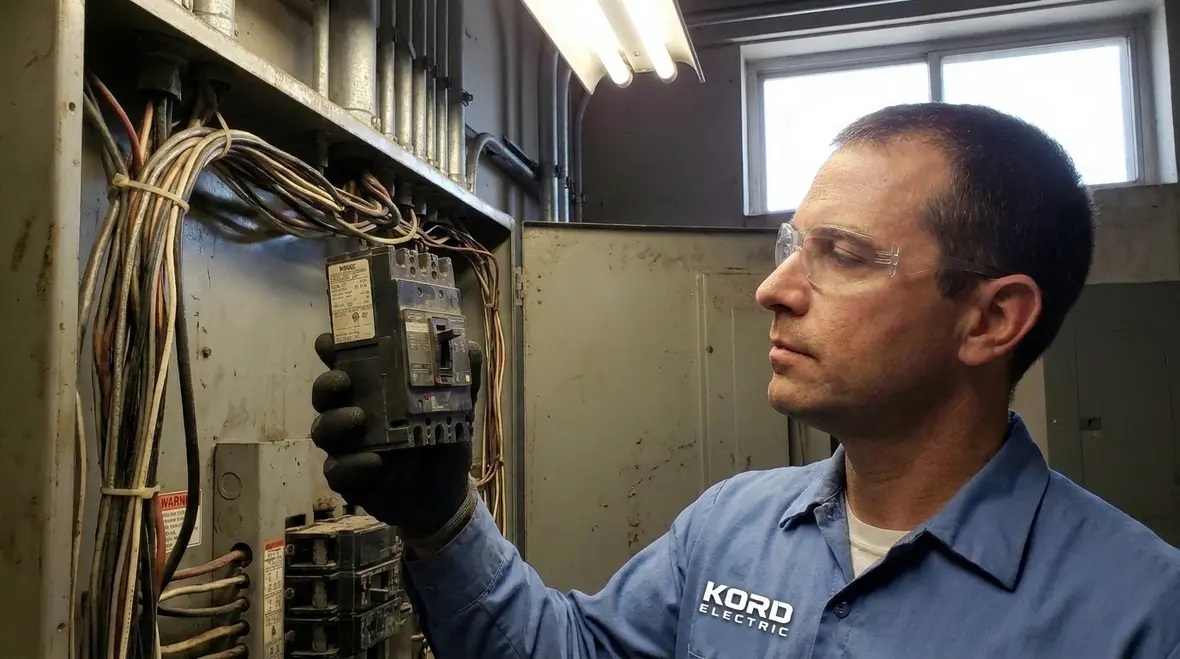
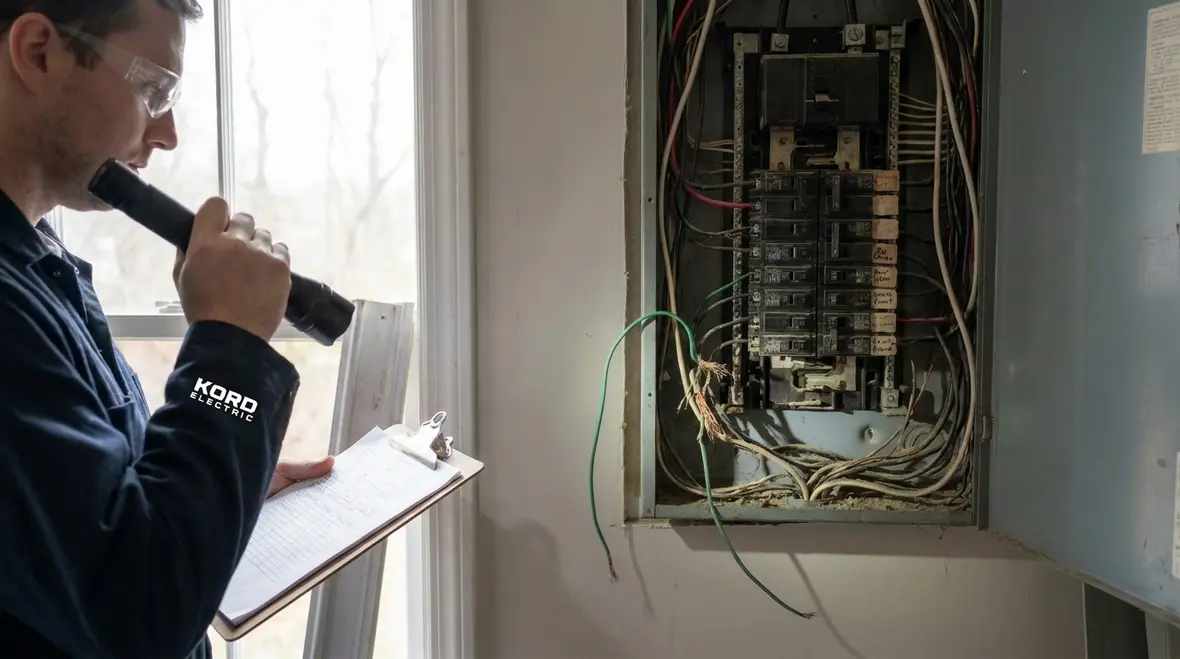
When we visit commercial and industrial facilities for electrical service work, we often see patterns. Some issues come from rushed upgrades, others from well-meaning “fixes” that ignored the code intent. And yes, sometimes a previous contractor replaced a device with whatever was on the truck. Electricity does not care about logistics, it cares about heat.
Here are mistakes we try to stop early:
- Wrong breaker or fuse size that does not align with the conductor ampacity and the branch circuit duty.
- Unclear circuit identification that leads to improper maintenance actions and repeated trips during normal operation.
- Modifications that change the load without revisiting protection needs.
- Loose terminations that can cause overheating, even when the protection device remains “correct” on paper.
- Ignoring coordination needs where equipment starting currents and fault clearing timing matter.
Our expert service staff explains these issues in a calm, straightforward way. We show facility leaders what the code expects, what the existing system does, and what a safe upgrade should accomplish. In the end, the goal is reliability with safety, not just compliance as a checkbox.
Coordination and selective clearing for large facilities
Many major property buildings require a protection strategy that limits downtime during faults. As a result, coordination becomes critical. Even though Section 210.20 focuses on branch circuit overcurrent protection at the branch level, real systems include upstream breakers, service equipment, and control panels. Therefore, we look at how devices behave together so faults clear at the right layer with minimal disruption.
We often recommend coordination reviews when a facility runs in shifts, has critical processes, or depends on uptime. For instance, if a fault occurs on a noncritical load, the facility should not have to lose power to an entire wing. Instead, the system should clear only what is necessary. That way, the building stays operational while technicians respond.
Our technicians also pay attention to how equipment manufacturer instructions align with NEC requirements. In the real world, the instruction manual and the code book must shake hands, or the facility ends up paying for confusion later.
Installation practices that support proper protection behavior
Even with the right protective device selected, installation quality determines whether NEC branch circuit overcurrent protection actually performs as intended. So we stress practices that support safe operation. For commercial and industrial work, that means disciplined installation, correct torque, proper conductor routing, and secure terminations.
Key items our team checks during field service include:
- Termination integrity at breakers, fuses, bus work, and equipment.
- Conductor routing that avoids damage, excessive bending, and exposure to harsh conditions.
- Panel cleanliness and cooling pathways so components avoid overheating.
- Accurate labeling so maintenance staff can identify circuits without guesswork.
And then, once work completes, we support facility staff with guidance on what to monitor. If a breaker trips repeatedly, we do not treat it like a routine annoyance. We treat it like a clue. With the right response, we keep both people and equipment protected.
Helpful guidance from our code education resources
Kord Electric draws on our ongoing code education work and practical field experience. We share insights about how the NEC functions across the full system, including where rules like NFPA 70 fit together across newer editions and major topics. We also coordinate with the broader KordFire and code education community to keep our understanding current, because code adoption cycles can move faster than some people think. For those who want to start with the bigger picture, we encourage review of our NEC explanations on Kord Electric’s blog and the related resources on KordFire.
For direct context on NFPA 70 and NEC concepts, you can explore our educational materials at KordFire NEC resources and broader learning at Kord Electric code education, plus the main platform at KordFire Australia. In some facility planning discussions, fire and life safety coordination also matters, so teams sometimes cross reference topics supported by organizations like FirePumps.org. In our work, we treat those ideas as part of a safety system that includes electrical protection, not as separate worlds.
If your facility is heading toward major electrical upgrades or renovations, our team can also help you connect NFPA 70 concepts with practical project planning. Articles such as our broader NEC guides and related code compliance resources on the Kord Electric blog show how branch circuit rules sit alongside topics like wiring integrity, AHJ enforcement, and long-term maintenance strategies.
For multi-building campuses, manufacturing sites, and complex commercial properties, pairing strong NEC branch circuit overcurrent protection with modern distribution design supports everything from uptime targets to inspection readiness. We treat code education as an ongoing conversation with our clients, not a one-time download.
FAQ
Conclusion and next step with Kord Electric
When a facility depends on steady power, we do not gamble with overcurrent protection. Kord Electric helps commercial and industrial teams apply NFPA 70 Section 210.20 correctly, select protection devices that match the load, and install the system with quality that holds up in the real world. If you are planning an upgrade, auditing existing panels, or dealing with trips and hotspots, contact us. We will review your branch circuit design, explain our findings clearly, and build a safer plan you can run with.
If your site is preparing for larger modernization work, we can also connect branch circuit planning with bigger-picture strategies for modern commercial electrical systems, including distribution, surge protection, and code-driven maintenance. For organizations operating in complex jurisdictions, our experience with Los Angeles County electrical services and similar environments helps keep design, documentation, and inspections aligned from the start.
To explore how NEC branch circuit overcurrent protection fits into your long-term electrical roadmap, you can also review our broader NEC resources and planning articles on the Kord Electric blog. From code interpretation to field execution, we focus on making sure each circuit has the right protection, installed the right way, with clear logic your team can understand and maintain.


