
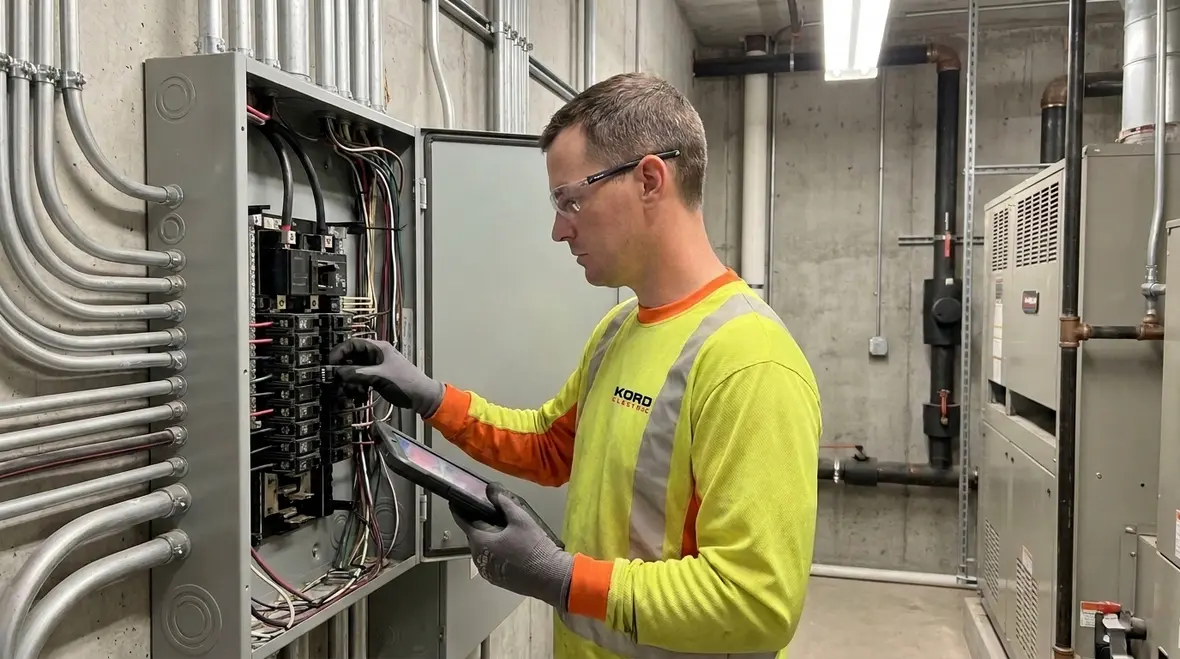
NFPA 70 Section 210.22 Individual Branch Circuit Loads
At Kord Electric, we deal with real-world electrical planning for commercial and industrial facilities, and major property buildings. When we review NEC individual branch circuit loads during design and service work, we do not treat them like a math puzzle for a late-night TV show. We treat them like a safety system that must work, day after day. In this article, our expert service staff and technicians explain how NFPA 70 Section 210.22 handles permissible loads for individual branch circuits, so engineers, facility managers, and project teams can make confident decisions. And yes, we will keep it clear. Because if electrical code reading felt like a sitcom plot twist, we would still want it to end with everyone staying safe.
What NFPA 70 Section 210.22 controls for individual branch circuits
NFPA 70, also called the National Electrical Code, sets rules for how we size and limit loads on branch circuits. Section 210.22 focuses on permissible loads for an individual branch circuit, which means the rules apply to one circuit at a time, not the entire building as a single lump. That matters because a facility has many circuits, and each one must stay within safe limits for current, heat, and component ratings.
In plain terms, if a circuit feeds a load, the wiring, overcurrent protection, and the connected equipment must all be sized so the circuit operates safely. In addition, the rule helps reduce the risk of overheating in conductors, terminations, and devices. Then, the code gives a structure so we can show compliance in a plan review, commissioning process, or inspection.
As our technicians explain it on job sites, most problems come from people assuming “it probably works.” However, code does not run on hope. It runs on defined limits, and Section 210.22 helps us apply them consistently.

How we apply NEC individual branch circuit loads in commercial design
Commercial and industrial projects rarely stay simple. Therefore, we apply NEC individual branch circuit loads with a process that connects the electrical design to actual equipment. First, we identify the load type, the equipment nameplate data, and the intended operating mode. Then, we translate that information into branch circuit loading assumptions that the code allows.
Next, we check the circuit elements. That includes conductors, raceways, grounding, terminations, and overcurrent protection. After that, we verify that the selected devices and wiring methods support the permissible load limits for an individual branch circuit. Only then do we move forward with installation planning.
To keep things practical, our expert service staff often walks facility teams through the difference between “connected load” and “calculated load.” Connected load is what equipment could draw, while calculated load reflects how the code allows we compute the maximum demand. Even so, Section 210.22 keeps the focus tight on the limits for each circuit, so the circuit does not end up carrying more than it should.
On many projects, this approach ties directly into broader NEC guidance. For example, teams who want a deeper foundation on code-wide concepts often review resources like Understanding NFPA 70: The National Electrical Code Explained For 2026, then use Section 210.22 to zoom in on the specific rules for individual branch circuit loading.
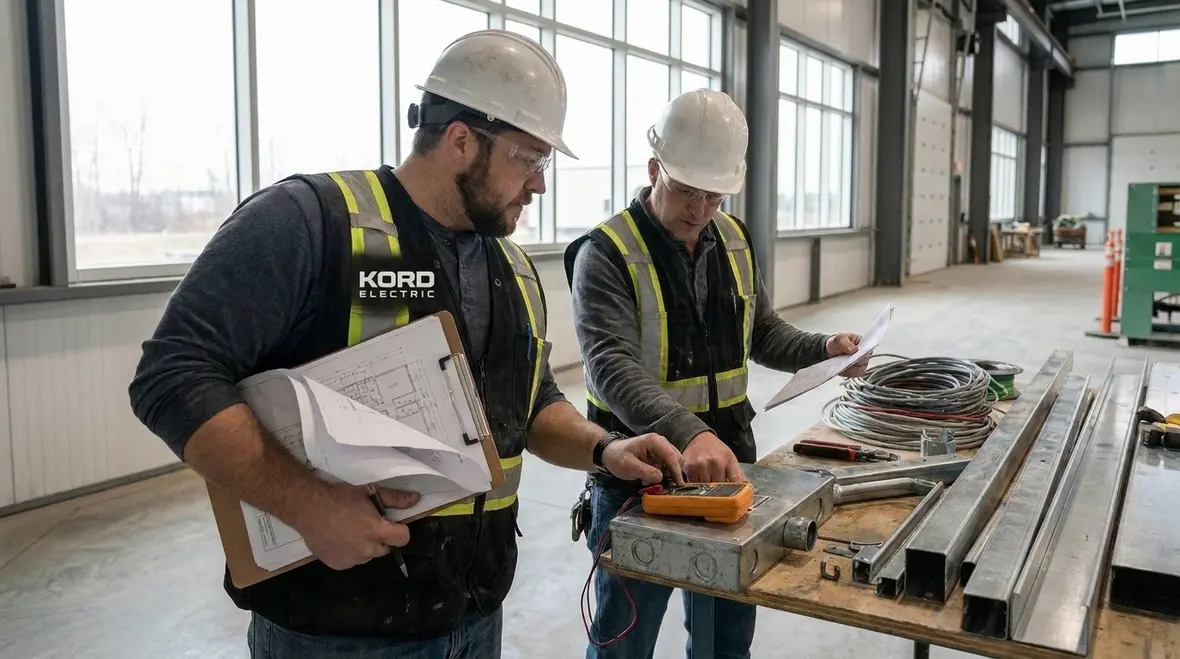
Individual branch circuit load limits and why they protect equipment
The reason Section 210.22 exists is simple: heat and current add up. When current exceeds what conductors or devices can handle, temperature rises. Over time, that heat can degrade insulation, loosen terminations, and reduce reliability. As a result, we see more failures in the real world, especially in high-use areas like mechanical rooms, plant operations, loading docks, and process spaces.
Moreover, an industrial facility can run equipment in ways that vary by shift. Therefore, we avoid a one-size-fits-all approach. Instead, we treat each individual branch circuit as its own safety envelope. Even if the building has strong service capacity overall, the wiring inside a single circuit still has a maximum safe operating range.
Our technicians also point out that many inspections focus on circuit-level decisions. Inspectors want to see that the branch circuit sizing did not drift from the code. And we want that too, because a failed inspection can feel like arriving for a “quick” service call and leaving after dark. Nobody likes that plot.
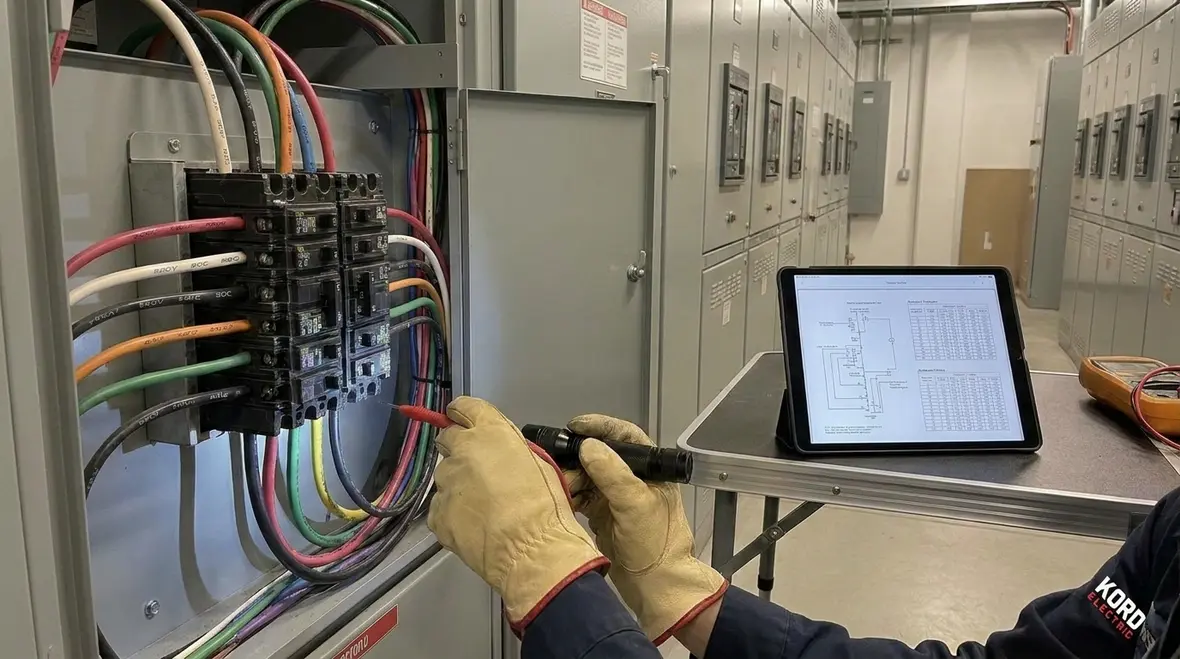
Permissible loads, conductors, and overcurrent protection: the chain we check
Section 210.22 ties into other parts of the code that govern ampacity and protection. In practice, the rule works best when we treat the entire chain as a single system. We size the conductors based on the permitted ampacity, and we set or select overcurrent protection so it coordinates with the conductor rating and the load.
Then we review installation details that can affect how conductors perform. For example, conductor temperature ratings, insulation type, and installation environment can change the effective ampacity we can use. If the environment causes the conductors to run hotter, we need the design to reflect that.
At Kord Electric, we handle this for commercial and industrial facilities because those jobs require documentation and repeatable quality. Additionally, our teams communicate clearly with the rest of the project staff so decisions do not get lost between engineering, procurement, and field installation.
And yes, we sometimes use a simple analogy in meetings. A branch circuit is like a single lane of traffic. You might have a highway with plenty of room, but if one lane exceeds its limit, that lane still gets jammed, and the whole system suffers. Electrical circuits work the same way, just without the horn sound. Unless you count the hum of an overheated connection, which is not the vibe we want.

Common mistakes we prevent during service and commissioning
Even when a plan looks correct on paper, issues can show up in commissioning and later operations. For that reason, our technicians use checklists and field verification. We look for mismatches between equipment data and circuit design assumptions, and we confirm the actual labeling, breaker type, wire type, and connection integrity.
Here are mistakes we help facilities avoid, especially during expansions, remodels, and tenant upgrades in major property buildings.
Using the wrong conductor sizing basis when equipment schedules list one value but the field installation uses another
Ignoring circuit-specific limits and letting a circuit “carry extra” because overall service capacity seems adequate
Overlooking termination quality, which can reduce performance even if the breaker and wire sizes match
Assuming connected load equals permissible load, instead of applying the code’s permitted loading method for the individual branch circuit
After we find and correct issues, we also explain the “why” to the facility team. That is where our expert service staff shines. We do not just swap parts. We walk people through the rule so the next time a maintenance tech touches the panel, they understand what the design team intended.
Working with the code across systems, including NFPA 70 updates
NFPA 70 evolves over time, and we stay current because facilities and major property buildings do not get updated every year like a phone app. Instead, they get updated when systems age, loads change, or compliance requirements tighten. Therefore, our planning approach keeps code changes in mind and we align them with current project goals.
For teams that want additional background on the NEC overall, Kord Electric shares code-focused explanations in our blog resources. Articles like our guide on how to read NFPA 70 and understanding the National Electrical Code for 2026 help connect the big-picture requirements to circuit-level details like NFPA 70 Section 210.22.
We also coordinate with fire safety and code-aligned partners through Kord Fire resources, which help teams connect electrical decisions with broader safety thinking. When a project involves fire pumps or life safety loads, we pay extra attention to how electrical rules interact with equipment performance and testing requirements. Facilities often partner with specialists like firepumps.org for specific pump and life safety guidance, and we respect that expertise while we ensure the electrical side stays solid.
In addition, for planning and updates, our site focuses on service and code understanding that works for business needs, including Kord Electric and our related code resources at Kord Fire Australia and Kord Fire. That way, your project team can link day-to-day NEC decisions with long-term electrical and fire protection strategies.
Frequently asked questions about Section 210.22 and permissible loads
FAQ: featured snippet style answers
Does Section 210.22 apply to every branch circuit? Yes, it applies to each individual branch circuit and how its loads stay within permissible limits.
What is the main purpose of permissible load limits? To control current and heat at the circuit level for safe, reliable operation.
Can we rely on connected load values alone? Usually no. We apply the NEC method for individual circuit loading rather than assuming connected load automatically equals permissible load.
Who helps facilities implement these rules correctly? Our technicians and expert service staff guide design reviews, installation checks, and commissioning for commercial and industrial sites.
Next step with Kord Electric for your next project
If you are planning an electrical upgrade, a tenant improvement, or a major property expansion, we can help you apply NFPA 70 Section 210.22 correctly and align NEC individual branch circuit loads with safe design. Our technicians and expert service staff verify circuit-level decisions, support commissioning, and explain the “why” in plain language. Contact Kord Electric today to review your branch circuit plan, confirm documentation, and keep your facility operating with confidence, not guesswork. Because in commercial and industrial work, “close enough” does not cut it.
For facilities that want project support beyond one panel or one room, our team also provides broader code-minded help for Los Angeles County electrical services and similar jurisdictions where documentation, inspections, and NEC details must line up exactly. That way, your next upgrade, renovation, or expansion has both the big-picture plan and the circuit-by-circuit protection Section 210.22 expects.


