
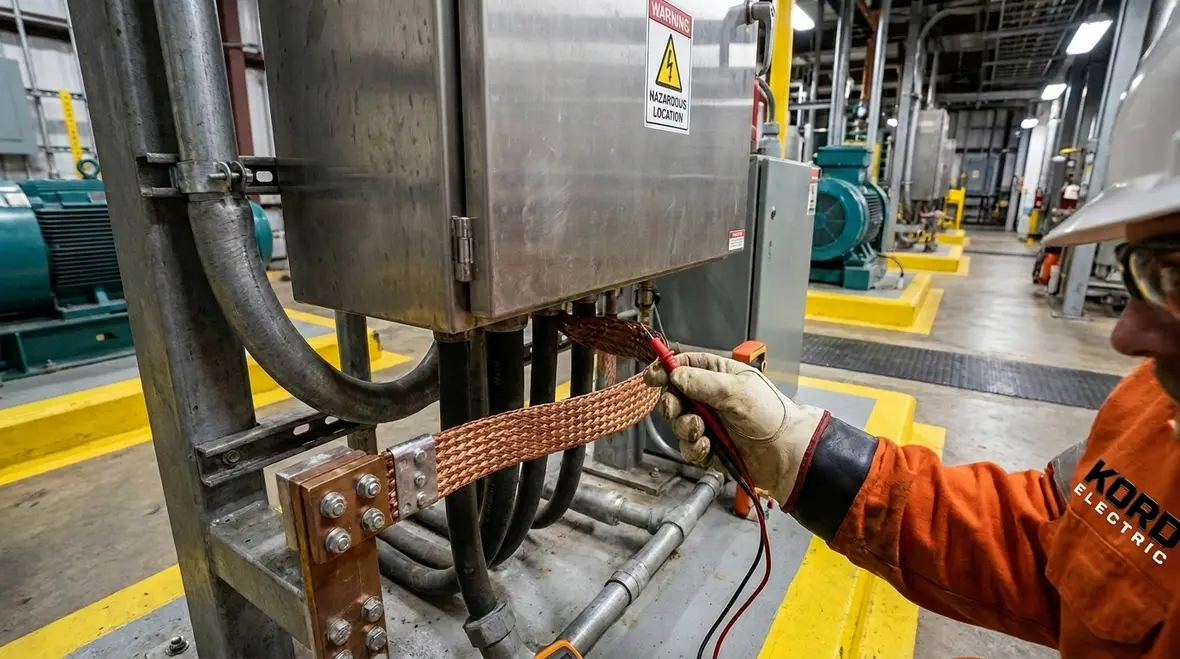
NEC hazardous location bonding 2 kV NFPA 70 270.100
NEC hazardous location bonding 2 kV: what NFPA 70 Section 270.100 really means for facilities
At Kord Electric, we see the same question show up in commercial and industrial buildings: how do you bond equipment in hazardous locations when the system is above 2 kV? In this article, we focus on NFPA 70 Section 270.100 and the rules around bonding in hazardous locations over 2 kV. We explain it in plain terms, and we do it with help from our technicians and expert service staff who know what inspectors ask and what electricians must verify on site. And yes, we will keep it professional, because this isn’t a “guess and hope” world. You do not want your electrical system acting like a sitcom character who forgot the plan.
Where NFPA 70 Section 270.100 fits in the NEC and why it matters
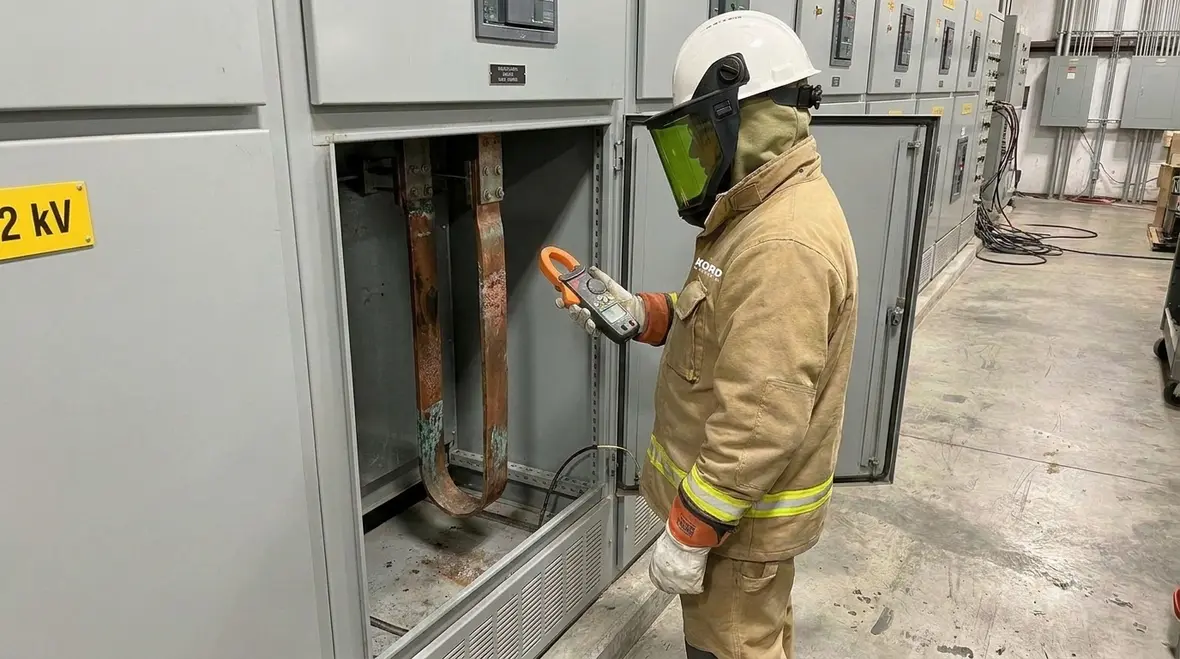
NFPA 70, also known as the NEC, organizes requirements so electrical systems stay safe across different conditions. Section 270 covers grounding and bonding, and it ties directly to how fault energy moves through metal parts. Then, Section 270.100 adds specific requirements for hazardous locations over 2 kV, because higher voltage changes the stakes. When you deal with ignitable vapors, flammable liquids, combustible dust, or similar risks, you cannot treat bonding as a “nice to have.” You must treat it as a control measure.
In practice, we see facilities run into problems when they follow general grounding steps but miss the hazardous-location details for higher voltage systems. Even when the equipment is installed correctly, incorrect bonding can allow harmful voltage differences between conductive parts. Therefore, inspectors pay attention to connections, continuity, and routing. Our service team explains these points step by step, so owners and facility managers know what they are paying for and what documentation matters. If you want a broader refresher on how the code shapes grounding and bonding expectations before you dive into hazardous location details, it can also help to review resources like Kord Electric’s guide to Understanding NFPA 70: The National Electrical Code Explained for 2026, which sets the stage for how Section 270.100 fits into the bigger NEC picture.
What bonding in hazardous locations over 2 kV is designed to prevent

Bonding reduces the chance that metal parts can become at different electrical potentials during normal operation, abnormal conditions, or faults. As a result, you limit sparking and reduce the risk that electrical energy finds a path that can ignite hazardous atmospheres. Moreover, higher voltage systems carry more energy, and that energy can drive current in unexpected ways if bonding is incomplete.
Here is the key idea: hazardous locations demand tight control of conductive paths. When bonding fails, you can get stray currents, unstable potential differences, and unsafe conditions near explosive atmospheres. Then, even if the wiring insulation looks fine, the conductive parts can still create an ignition source. So, we treat bonding as part of the system safety strategy, not just the electrical “plumbing.” That mindset lines up with the way broader NEC resources describe grounding and bonding as core life-safety functions, not just hardware choices.
How we apply NEC hazardous location bonding 2 kV requirements in the field
In real commercial and industrial work, we use a methodical approach. First, we confirm the scope: the electrical system is above 2 kV and the equipment sits within a hazardous location classification. Next, we review drawings, voltage ratings, bonding points, and the locations of conductive components that can interact with explosive gases or dust. After that, our technicians verify physical installation details, because code compliance must show up in copper and hardware, not only in a submittal package.
Our expert service staff also checks how conductive parts connect to grounding electrodes and bonding networks. In addition, we verify that bonding jumpers and connectors meet the expected performance, including resistance to corrosion and secure contact. Finally, we align what we do with the facility’s maintenance plan so the bonding stays intact over time. When needed, we connect those steps with broader upgrade or modernization work so bonding for hazardous locations over 2 kV stays consistent with other code-driven improvements across the site.
Bonding methods, connections, and continuity checks that hold up under inspection
Many facilities can pass an initial visual look, yet still struggle during follow up inspections. That is why we focus on connection quality and continuity. For bonding in hazardous locations over 2 kV, you must ensure that conductive parts get bonded using suitable conductors and fittings. Then, you must ensure continuity so the system does not rely on paint, clamps that never bite, or hardware that loosens with vibration.
During commissioning and service calls, we often see these pressure points:
- Bonding jumper integrity: we verify tight terminations and proper routing so movement and thermal cycling do not weaken connections
- Conductor sizing and compatibility: we confirm the design meets requirements for the hazardous-location setting and the voltage level involved
- Enclosure and raceway bonding: we verify that metal parts that should be bonded actually connect through an approved path
- Continuity testing: we use field checks to confirm that bonding paths behave as intended
- Corrosion and environment control: we select and maintain hardware that can survive the real conditions, not the “clean room” version
To keep things calm and practical, our technicians explain results in plain language. If a measurement suggests a weak bond, they show what it means and where the issue likely sits. That way, facility teams can correct the problem before it turns into a long meeting that no one wants, like finding out your smoke alarm battery died during a surprise fire drill.
Coordinating with designers, inspectors, and facility maintenance teams
NEC hazardous location bonding 2 kV is not something a building owner should handle alone. We work with electrical contractors, engineers, and facility maintenance teams so requirements match real installation and real operations. First, we align on classification boundaries and equipment locations. Then, we confirm how grounding and bonding features connect across the system.
In many major property buildings and large industrial sites, multiple parties touch the same system over time. Therefore, Kord Electric helps maintain clarity. We document what we install, what we tested, and what should be inspected during future service. Moreover, we help teams plan for changes like equipment swaps, upgrades, or modifications to enclosures and cable routes.
When a facility maintains proper bonding, it reduces risk and supports smoother compliance reviews. And when changes occur, a quick, expert check can prevent costly rework. Our team treats this as a long-term partnership, not a one-time job. For facilities across the region that want a broader strategy for keeping electrical work aligned with code, Kord Electric’s Los Angeles County electrical services bring together code-conscious design, installation, and maintenance so hazardous location bonding stays in step with the rest of your system.
FAQ for NEC hazardous location bonding 2 kV and NFPA 70 270.100
Conclusion: call Kord Electric before bonding issues become compliance issues
If your commercial or industrial facility uses electrical systems over 2 kV in hazardous locations, we recommend a focused bonding review tied to NFPA 70 Section 270.100. Kord Electric brings expert service staff, field-tested verification, and clear explanations that help your team act with confidence. Contact us to discuss your equipment layout, documentation needs, and bonding verification plan. Let’s handle this the right way the first time, so your next inspection feels less like a plot twist and more like a smooth, professional routine.
For facilities planning broader upgrades, our team can also integrate hazardous location bonding checks into larger electrical modernization and code-alignment projects. Whether you are updating distribution, adding new equipment, or aligning with future NEC changes, we help you connect the dots so bonding in hazardous locations over 2 kV supports the same level of safety and reliability as the rest of your system.


