
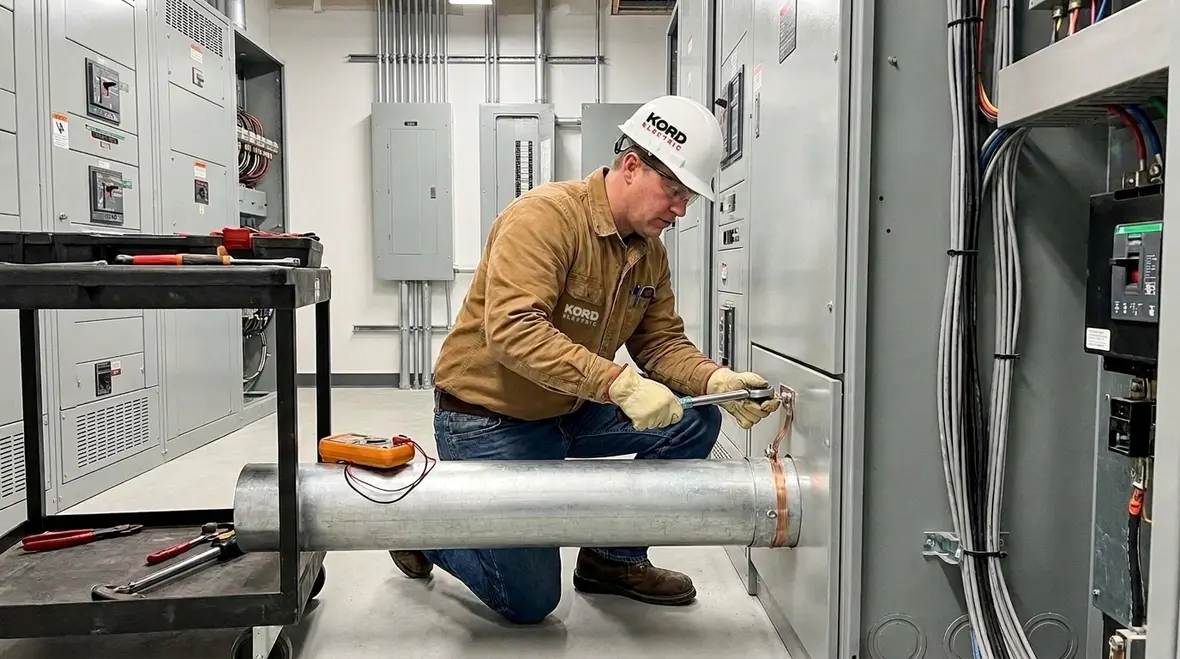
NFPA 70 Section 270.97 Bonding Continuity for Non Service Installs
NFPA 70 Section 270.97 matters most when facilities want equipment bonded so it stays safe under fault conditions. At Kord Electric, we focus on commercial and industrial sites, and we routinely help property managers understand what NFPA 70 requires for bonding continuity for non service installations. In this article, we also explain how NEC bonding continuity 2 kV concepts show up in practical work, from conduit and raceways to connections that do not loosen over time. And yes, we have watched enough “it felt tight” connections to know that intuition is not a code tool. Let’s walk through the intent, the field checks, and the documentation steps our technicians use, with calm clarity and just a little humor.
Why bonding continuity protects commercial and industrial electrical systems
Bonding is not a “nice to have.” It is the system that keeps fault energy moving along a safe path. When bonding continuity holds, the protective devices can operate as designed, and exposed metal parts do not become surprise energizers. In commercial and industrial facilities, the stakes rise because equipment runs longer hours, systems change over time, and maintenance crews often add or modify circuits without fully tracing older bonding paths.
That is where NFPA 70 Section 270.97 enters the conversation. It supports consistent bonding for non service installations, which means that when you are not working directly at the main service equipment, you still must ensure the bonding route stays intact. In other words, the code does not let “close enough” turn into “close to dangerous.”
Our experienced service staff explains this in plain terms on site. We do not just read the code and walk away. We show why the bonding path matters at the exact location being worked on, and we identify where installers commonly miss connections, sleeves, bonding jumpers, or continuity across equipment frames.
NFPA 70 Section 270.97 in plain language, for non service installs
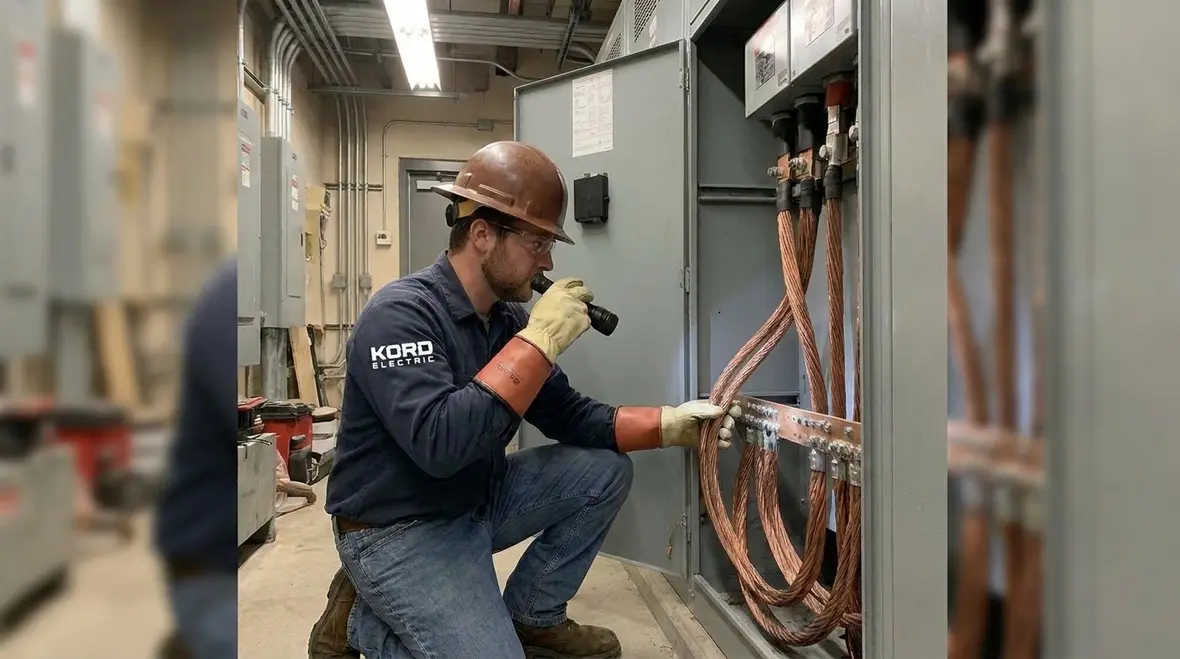
NFPA 70 Section 270.97 addresses bonding continuity for non service installations. In practice, this means the bonding method for raceways, enclosures, and equipment must maintain a reliable electrical connection. When you treat this as a one time task, it fails later. When you treat it as a continuity path that must remain stable, it holds.
To keep the work grounded, our technicians follow the code intent with field logic:
- We verify how metal parts connect across fittings, raceways, and enclosures, not just at the final device box.
- We check for breaks in the bonding route caused by paint, coatings, bushings, or hardware that does not properly engage metal to metal.
- We confirm bonding methods match the installation type and the routing plan, so continuity stays after future maintenance.
As a quick pop culture analogy, think of bonding continuity like a backup generator. If it only works “sometimes,” your facility does not really have resilience. Our crew treats bonding as dependable infrastructure, not a casual side project.
This focus on intent is part of how we align detailed topics like Section 270.97 with broader NEC resources. For facility teams who want to connect individual rules with the full code picture, we often recommend reviewing Kord Electric’s guide Understanding NFPA 70: The National Electrical Code Explained for 2026, which walks through how the NEC shapes everyday design, maintenance, and inspection decisions across commercial and industrial buildings.
How NEC bonding continuity 2 kV shows up in real field work
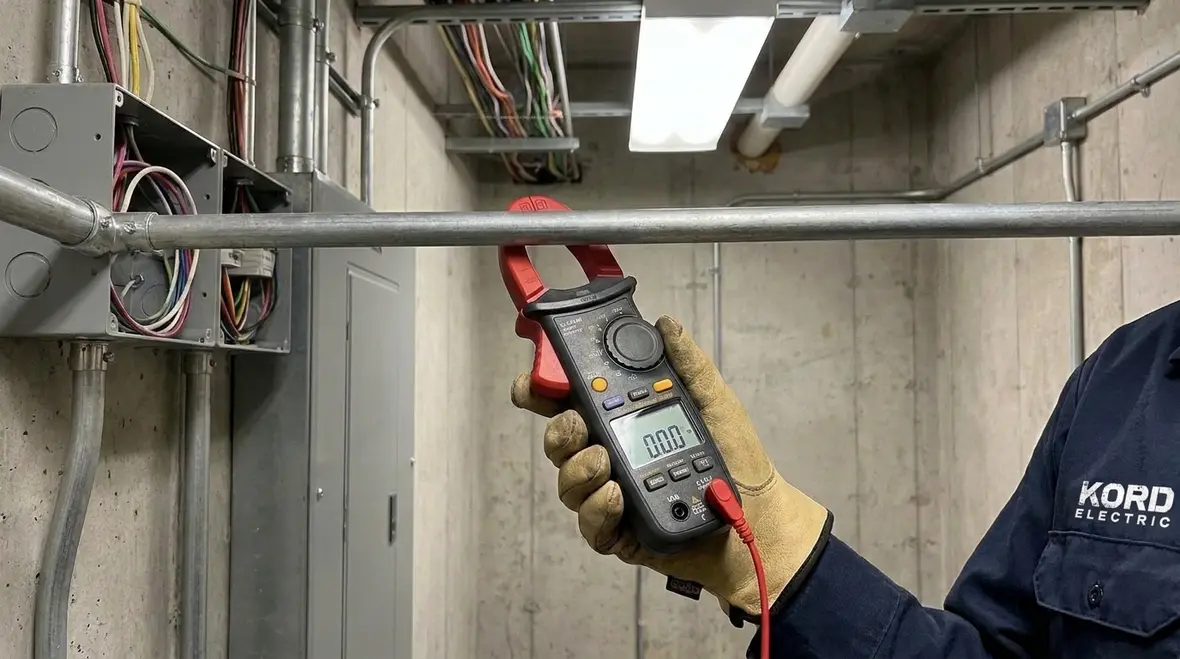
The phrase NEC bonding continuity 2 kV comes up because facilities and contractors often discuss bonding performance in terms of testing and continuity expectations that align with equipment and insulation considerations. While the exact language in a given document may vary by application, the practical outcome stays consistent: bonding must remain effective through the installation conditions, including normal and fault events, and it must support the protective system’s operation.
Here is how this becomes concrete in the field. When we evaluate a commercial or industrial setup, we look at the full bonding pathway that supports fault current flow. Then we confirm the installation details that protect that pathway. That includes:
- Raceway and fitting integrity so the metal path does not rely on corrosion prone joints or loose mechanical contact.
- Equipment grounding and enclosure bonding so doors, covers, and removable panels do not interrupt the bond.
- Connection quality such as proper torque, correct hardware selection, and removal of insulating residue where bonding requires metal contact.
And yes, we have seen bonding rely on paint and hope. Paint is great for branding and walls, not for electrical continuity. Our technicians remove barriers where needed, then rebuild continuity the right way.
When our expert service staff walks clients through this, we connect the “why” to the “how.” We explain how bonding continuity reduces risk, supports fault response, and protects both people and critical equipment in buildings that cannot afford downtime.
Common gaps we see during non service installation reviews
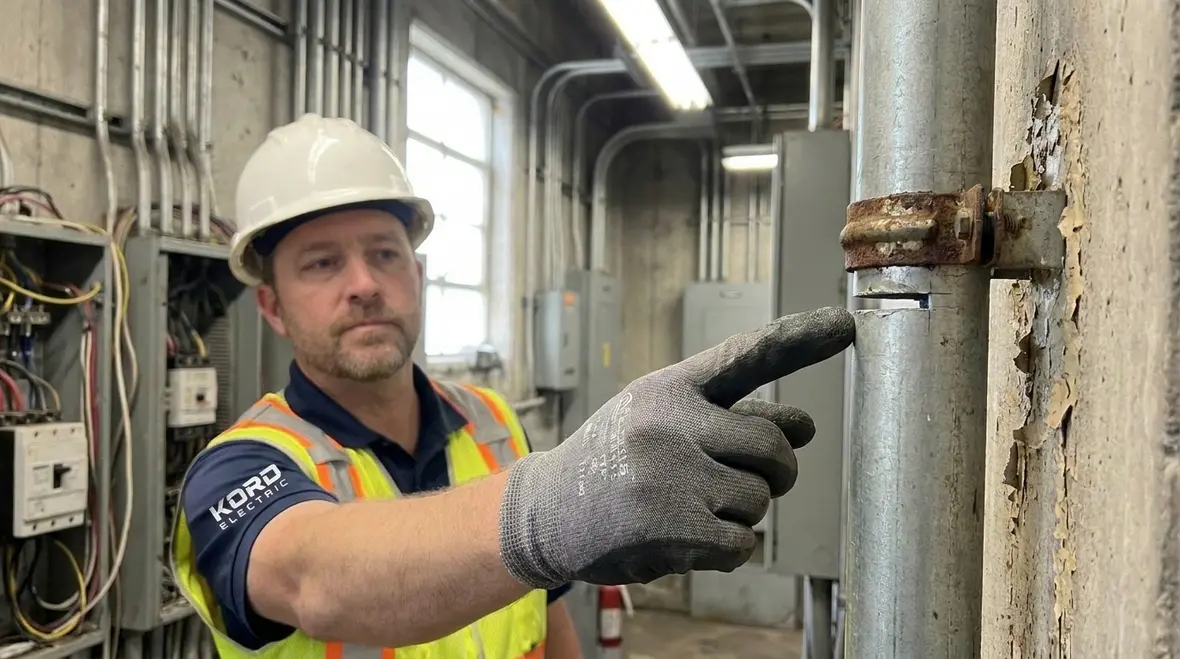
Even well run facilities face bonding issues, especially when multiple trades and vendors touch the same electrical system over years. Therefore, our reviews focus on where continuity breaks most often. We also pay attention to the sequence of work because a bad order can hide a problem until it is expensive to fix.
Some of the most common gaps we identify include:
- Discontinuous raceway bonding across sections that appear mechanically joined but fail electrical continuity due to surface condition or fittings.
- Missing bonding jumpers where transitions happen between different enclosure types or where equipment needs an explicit bond.
- Improper grounding hardware such as incorrect clamps, damaged threads, or components installed over paint without proper preparation.
- Loose or deteriorated connections that were never torqued correctly or that loosen with vibration and thermal cycling.
When we spot these issues, we do not just mark them down. We explain what caused the break in continuity and what change restores it. Transition words matter here because clients need a clear path from observation to corrective action, so our staff uses step by step language on site.
We also connect these practical findings to the broader planning and code strategy many facilities already follow. For example, when teams are coordinating renovations or panel upgrades, they may already be using Kord Electric’s resources on NFPA 70 planning for 2026. Adding a focused bonding continuity review at the same time helps prevent surprises during inspections and keeps the project aligned with the NEC story they are already following through the Kord Electric blog and related Kordfire guidance.
Field methods and documentation our technicians use

Kord Electric treats bonding continuity as a repeatable process. That means we do not depend on memory. Instead, we use a practical checklist approach that supports commercial and industrial projects, including major property buildings that require coordination across tenants and service schedules.
Our workflow often looks like this:
- We map the bonding route for the non service installation, including enclosures, raceways, and equipment frames that interact.
- We inspect connection interfaces and verify hardware meets the intent for reliable electrical contact.
- We document continuity related details so future maintenance teams can understand the bonding pathway without guessing.
- We coordinate with the project team to schedule corrective work without disrupting operations.
That last step matters more than people think. Facilities operate on real time, not theoretical time. In major buildings, we plan access and shutdown windows, and we keep communication tight so the work stays safe and efficient.
We also reference broader code context when needed, because bonding does not live alone. Our team builds the solution in alignment with the National Electrical Code framework discussed in resources across Kord Electric and Kordfire channels, including guidance that supports clear, code focused installation decisions. For commercial building teams who want to see the big picture behind these decisions, pairing a focused bonding review with an overview of NFPA 70 for 2026 helps turn scattered rules into one coherent plan for design, upgrades, and maintenance.
Testing, verification, and long term reliability
Bonding continuity holds only when the installation remains reliable over the life of the building. Therefore, verification cannot end at “the inspector signed off.” Our focus stays on the long term, especially in facilities with frequent panel changes, equipment upgrades, and maintenance activity.
In practical terms, our technicians help clients plan for:
- Verification during installation so the bonding route is correct before cover ups.
- Follow up after modifications since added circuits and swapped equipment can create unintended interruptions.
- Maintenance awareness so staff recognize that bonding points should not be treated like generic hardware.
And because people sometimes compare electrical work to video game difficulty settings, we remind them that “normal mode” installation is not a thing. If a bonding route fails, it fails in real life, and the facility feels it. Our approach stays steady: verify, document, and maintain.
In many commercial and industrial buildings, that long term reliability plan also includes other NEC focused topics such as working space, load calculations, and grounding electrode systems. When those conversations are already happening with your electrical team, adding NEC bonding continuity 2 kV checks to the same review cycle gives you a cleaner, more efficient path to code compliance and inspection readiness.
Why Kord Electric for NEC bonding continuity work
When you manage commercial or industrial facilities, you need service that respects both code requirements and operational reality. Kord Electric supports major property buildings with expert technicians who explain the requirements clearly, then perform the work with careful attention to bonding pathways, connections, and long term stability. We do not treat non service installation bonding like a box to check. We treat it like the foundation of safe fault response.
If your facility plans upgrades, tenant improvements, or equipment replacement, we can help you evaluate bonding continuity and reduce risk before it becomes a shutdown story. In many cases, that review fits naturally alongside broader electrical code upgrade consulting, calculated load checks, or working space evaluations your team may already be scheduling as part of NFPA 70 planning.
For facility leaders in Southern California, this often starts with a focused service visit that reviews non service installations in critical areas and compares what is installed against the NEC intent and your operational needs. From there, we outline practical corrections, prioritize them based on risk, and coordinate with your staff so the work fits your production schedule.
If you are responsible for keeping power stable in Los Angeles County and nearby regions, you can also explore how our broader commercial offerings support this bonding work. Our Los Angeles County electrical services overview outlines how Kord Electric structures code focused maintenance, troubleshooting, and project support for busy facilities that cannot afford trial and error when it comes to NEC compliance.
FAQ
Next step: request a bonding continuity review
If your commercial or industrial facility includes non service electrical installations, do not leave bonding continuity to guesswork. Contact Kord Electric and let our expert service staff review your installation details, explain what NFPA 70 requires in plain language, and map the bonding route so it stays reliable. Then we help plan any needed corrections with minimal disruption to your operations. Call us today to schedule an on site assessment and bring calm, code compliant confidence to your electrical system.
When you are ready to move from “we think it is bonded” to “we know it is bonded,” a structured review makes all the difference. By pairing NFPA 70 Section 270.97 requirements with practical field checks, documentation, and clear communication, Kord Electric helps your facility turn complex NEC language into a straightforward action plan your team can follow for years.
If your operations team wants to connect this focused topic with broader NEC planning, you can also explore the wider code resources on the Kord Electric blog, including the in depth article on Understanding NFPA 70: The National Electrical Code Explained for 2026. Together, these guides and field services give your facility one consistent roadmap from high level code concepts all the way down to the specific bonding continuity checks inside your panels and raceways.
For facilities across Los Angeles County and Southern California, combining that roadmap with our regional service capabilities means you get both the strategy and the hands on support to keep bonding continuity aligned with NEC requirements year after year.
Ready to see how this applies to your site? A focused bonding continuity review is often the fastest way to find small issues before they turn into large interruptions.


