
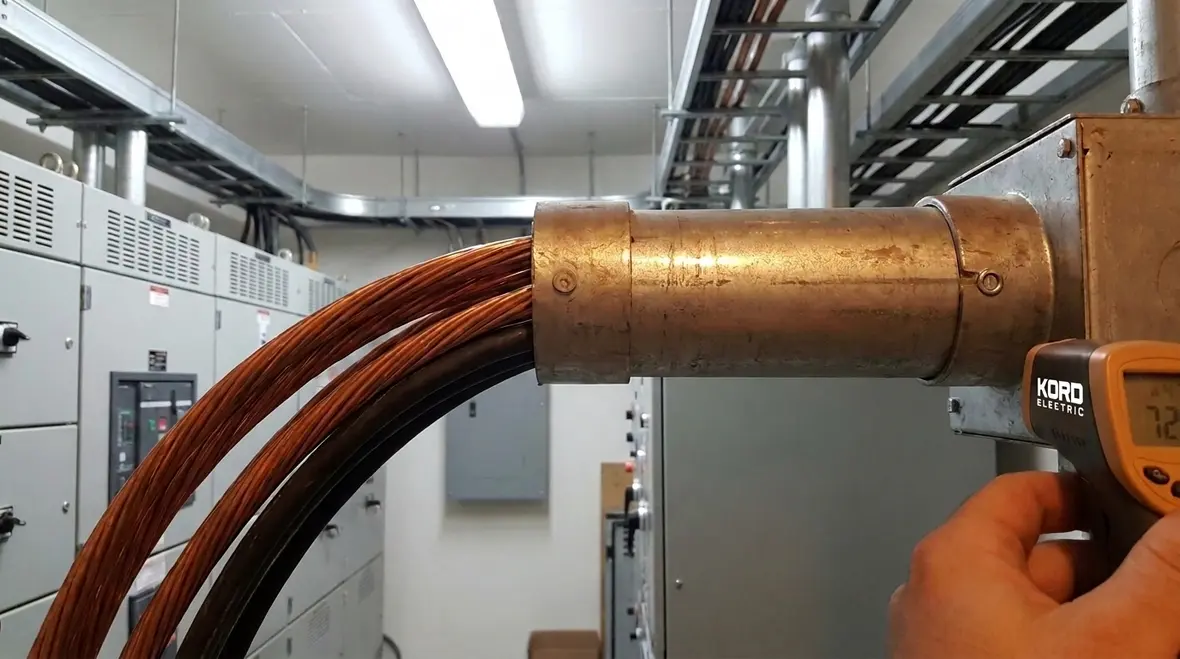
NEC Induced Currents Ferrous Raceways NFPA 70 300.22
In commercial and industrial buildings, electrical systems live close to steel and other ferrous materials. That proximity matters, because NEC induced currents ferrous raceways can create unwanted heating and voltage effects inside metal pathways. In this guide, Kord Electric explains NFPA 70 Section 300.22 and what it means for electrical raceways that carry conductors in environments where magnetic fields can build up. We keep it clear, practical, and written for facility leaders who need real answers, not a mystery novel. And yes, our technicians sometimes joke that physics always collects a late fee. The good news is, we help you avoid the bill.
What NFPA 70 Section 300.22 actually targets in metal raceways
Third party code talk can feel like it was written during a thunderstorm, but the purpose here is straightforward. NFPA 70 Section 300.22 focuses on induced currents in metal raceways that are ferrous. When alternating current flows through conductors, it creates a changing magnetic field. In turn, that field can induce currents in nearby conductive and magnetic metal. Over time, those currents can add heat to the raceway and create other electrical effects.
However, the key detail is not just that metal exists. The code section addresses conditions where the metal raceway itself can become a path for induced current. Therefore, the risk grows when the raceway is ferrous, when magnetic coupling is strong, and when the layout puts the raceway in the wrong spot relative to high current conductors. In commercial and industrial facilities, we see these patterns near feeders, bus ducts, motor circuits, and multi conductor runs that share space.
To be clear, this is not an excuse to panic. Instead, it signals that design teams must treat the raceway as part of the electrical system, not a passive tube that magically stays cool.
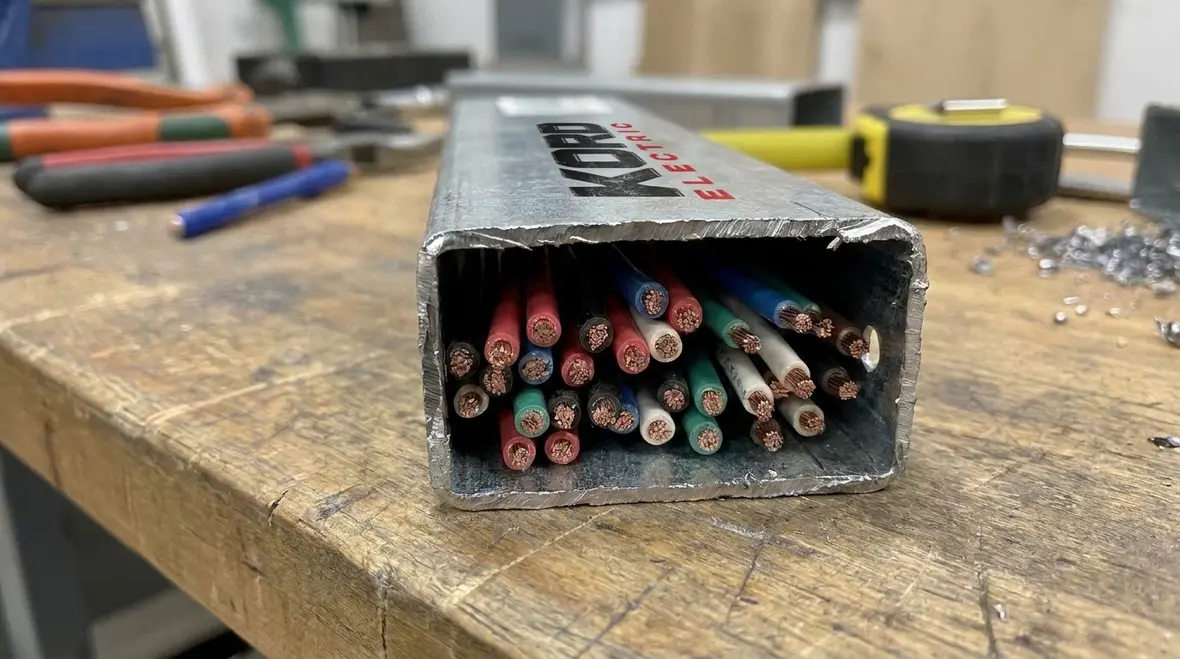
In practice, NFPA 70 Section 300.22 also lives inside a larger NEC story. Facility leaders who want the broader picture can connect this topic with resources like Kord Electric’s article on understanding NFPA 70 for 2026, which zooms out to the full National Electrical Code and how it shapes system level safety decisions across commercial and industrial sites.
Why induced currents show up when crews place conductors in ferrous pathways
At Kord Electric, our expert service staff explains this by walking people through the “energy handshake.” First, conductors carry current. Next, that current creates a magnetic field. Then, the field “reaches” into ferrous raceways and drives currents within the metal. Those currents oppose the change that caused them, which is why the effect can become noticeable as current levels rise.
Furthermore, ferrous materials respond more strongly than non ferrous metals. That means the raceway can heat up more than some people expect. Even when the conductors inside are sized correctly, the raceway can still experience heating from induced current. As a result, insulation, terminations, and nearby components can face extra thermal stress.
So what typically triggers the problem in real projects? It often happens when a design includes:
Large current conductors routed close together
Raceways made from steel or other ferrous metal
Layouts where the magnetic field links strongly to the raceway
High duty cycles, like continuous motor loads in HVAC plants or industrial equipment
And yes, sometimes someone says, “It’s conduit, it’s fine.” Conduit is fine until it becomes the quiet partner that no one budgeted for.
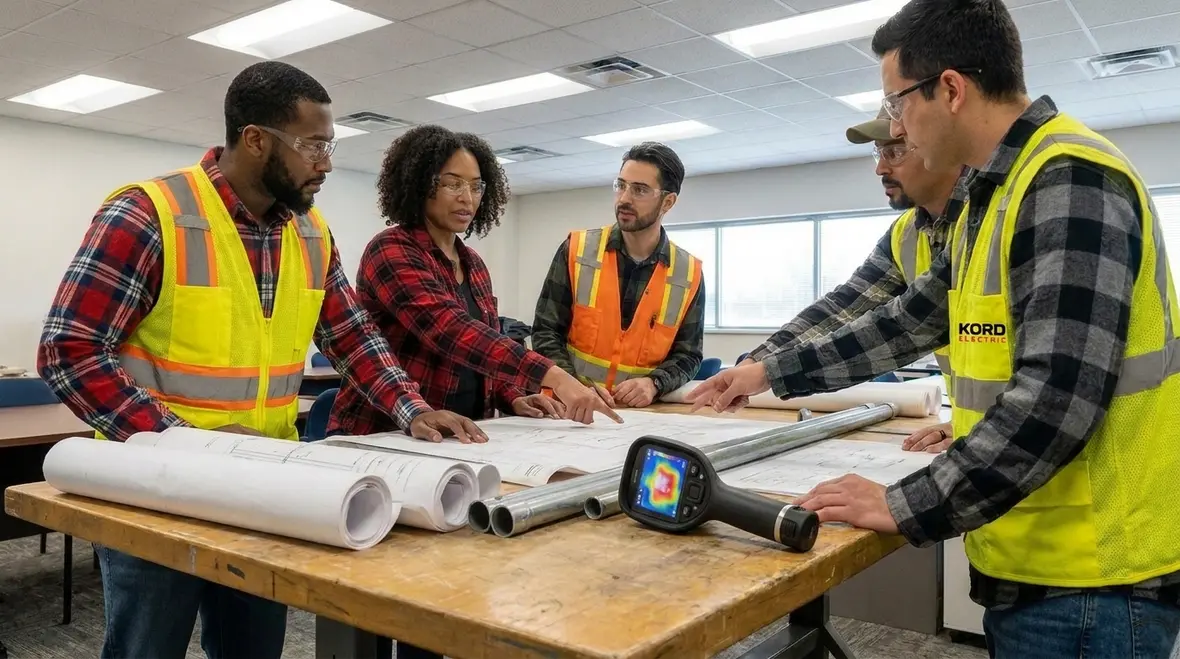
For design teams that want to zoom out beyond one raceway, it helps to connect these magnetic field issues with overall system planning. Articles like Kord Electric’s building electrical system design guide for commercial facilities show how panel locations, feeder routing, and equipment room layouts all influence where ferrous raceways land and how strongly they couple with high current conductors.
How we evaluate NEC induced currents ferrous raceways during design and upgrades
When we support a commercial or industrial facility, we do not treat NFPA 70 like a checklist that gets tossed in a drawer. Instead, our technicians review raceway material, routing style, conductor loading, and operating conditions. Then we look at how the system runs in the real world, not just how it looks on paper.
To guide that work, we focus on three practical areas.
Raceway material and configuration: We identify whether the raceway is ferrous and how it is formed, assembled, and supported.
Magnetic coupling conditions: We review spacing, bundling, and the path geometry where conductors and raceways interact.
Thermal impact on the whole assembly: We consider the heat effect on conductors, insulation, and adjacent equipment.
Next, we coordinate with engineers and electrical contractors so that mitigation measures make sense for the facility. Sometimes that means routing changes that reduce coupling. Other times it means selecting an alternate raceway material or a configuration that limits induced currents. In retrofit work, we also consider how shutdown windows affect design choices. Nobody enjoys a long outage, so our team works to reduce risk while keeping operations moving.
For reference, Kord Electric also aligns its approach with the broader NEC guidance you can find in our related resources and local information from Kord Fire. Those materials reinforce how the NEC supports safe installation practices at the system level, not just component level.
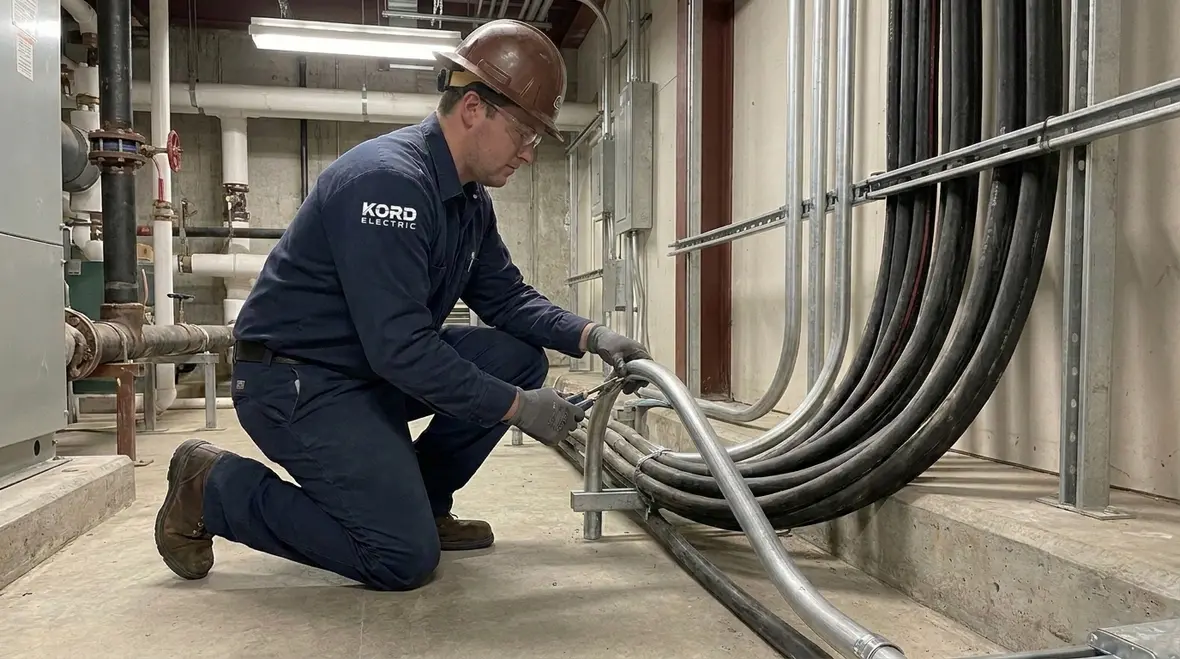
Because NEC induced currents ferrous raceways concerns often appear alongside feeder and guarding questions, facility leaders may also find it useful to read Kord Electric’s guidance on NEC feeder barriers and guarding under NFPA 70 215.15, which explains how physical protection and induced effects work together to keep people away from energized parts and unexpected heat.
Mitigation options that facilities can implement without drama
Let’s talk about what people can do once they spot potential induced current conditions. The goal is to reduce heat, limit the induced current effect, and keep conductor performance within safe limits. Because commercial and industrial sites run on schedules, we favor solutions that install cleanly and reduce long term maintenance stress.
Depending on the project, options may include:
Routing adjustments: We revise the layout so the raceway does not sit in a strong magnetic field zone for long runs.
Raceway material strategy: We discuss whether ferrous raceways are necessary, or whether an alternative better fits the electrical environment.
Conductor grouping decisions: We review how circuits are bundled and separated to reduce field linkage and thermal buildup.
Support and installation quality: We ensure proper installation so the raceway behaves as expected and maintains mechanical integrity under heat and load.
Moreover, we check for secondary issues that often travel with the main problem. For example, tight bends, poor terminations, or damaged insulation can turn a manageable heating event into a nuisance that turns into repairs. We also look at how the raceway interacts with other building systems like fire protection and equipment rooms. For facilities that use fire pumps and related systems, coordination matters because safety systems demand disciplined installation practices.
We do not claim induced currents vanish by wishful thinking. Yet with the right review and design choices, we can bring the risk down to something your team can manage.
When mitigation includes broader system changes, some facility teams combine this work with targeted projects like preventive electrical maintenance or zero downtime electrical strategies for critical facilities. That approach uses one construction window to tighten up raceway behavior, verify load paths, and tune reliability so the building runs cooler and calmer under real conditions.
What inspections and documentation should capture on your job
When your facility wants confidence, documentation becomes part of the electrical safety story. During construction or major upgrade work, our technicians help teams capture the details that matter for induced current conditions. That means more than a drawing set. It means evidence that the design intent matched the field reality.
We recommend your project records include:
Raceway type, material, and routing path notes
Conductor load details and operating conditions, including continuous duty where relevant
Any design changes that address induced currents and heating risk
Verification notes from the install phase that show field alignment
Coordination notes with other trades in equipment areas
Additionally, we tell teams to plan for future edits. Facilities evolve, equipment gets swapped, and load profiles change. Therefore, documenting the decision process makes it easier to evaluate later modifications without starting over from scratch.
And just like any good story, the best time to write it is before the inspector asks for it. The inspector always wins that argument. So we make sure you are ready.
For multi site portfolios, this level of documentation can also plug directly into larger programs for electrical troubleshooting and maintenance across Los Angeles County, so induced current checks become part of how you manage risk across the entire property mix instead of a one time concern on a single project.
Common mistakes we see in commercial and industrial projects
Even experienced teams can miss induced current risks when schedules get tight. Here are some of the mistakes our team often encounters, along with the reason they create trouble later.
Problem to look for: ferrous raceway selection without considering coupling conditions.
Why it matters: induced currents can add heating even when conductor sizing follows typical rules.
Problem to look for: ignoring layout geometry and focusing only on straight runs.
Why it matters: magnetic field linkage changes with routing, spacing, and bends.
Problem to look for: assuming conduit is “neutral” in thermal behavior.
Why it matters: the raceway can become a heat source through induced currents, not just a protective housing.
Problem to look for: incomplete record keeping during upgrades.
Why it matters: later modifications can reintroduce the condition you tried to eliminate.
When we review systems, we act early. That timing saves money because it prevents rework, reduces downtime, and helps teams avoid surprises during testing.
In many cases, we pair these reviews with broader efforts like commercial electrical contractor services in Los Angeles, so raceway issues are addressed alongside panel condition, load balancing, and other performance red flags that tend to show up in the same rooms and on the same drawings.
FAQ: NFPA 70 Section 300.22 and induced currents in ferrous raceways
Ready for a safer raceway plan that stands up to real operations
Kord Electric supports commercial and industrial facilities with practical electrical reviews built around NFPA 70 and how systems behave on site. Our technicians explain the “why” in plain language, then help teams implement solutions that reduce heat and long term risk. If your facility faces a retrofit, a load increase, or a high heat concern in equipment areas, we can evaluate raceway conditions and recommend next steps. Call Kord Electric and let us help you finish the job with confidence.
If you are planning larger improvements, you can align this work with dedicated Los Angeles County electrical services for commercial and industrial properties, so induced current checks, raceway upgrades, and panel level changes arrive as one coordinated project instead of a scattered list of fixes.
For leaders who want to understand how Section 300.22 fits into the bigger NEC framework, Kord Electric’s ongoing NFPA 70 blog series, including coverage of topics like minimum unit load rules and feeder guarding, can help turn code language into practical decisions about routing, raceways, and risk across the entire facility.
When you are ready, our team can review drawings, walk your equipment rooms, and outline a clear path from “we think the raceways are fine” to “we know they behave the way the NEC expects, even on our busiest day.”


