
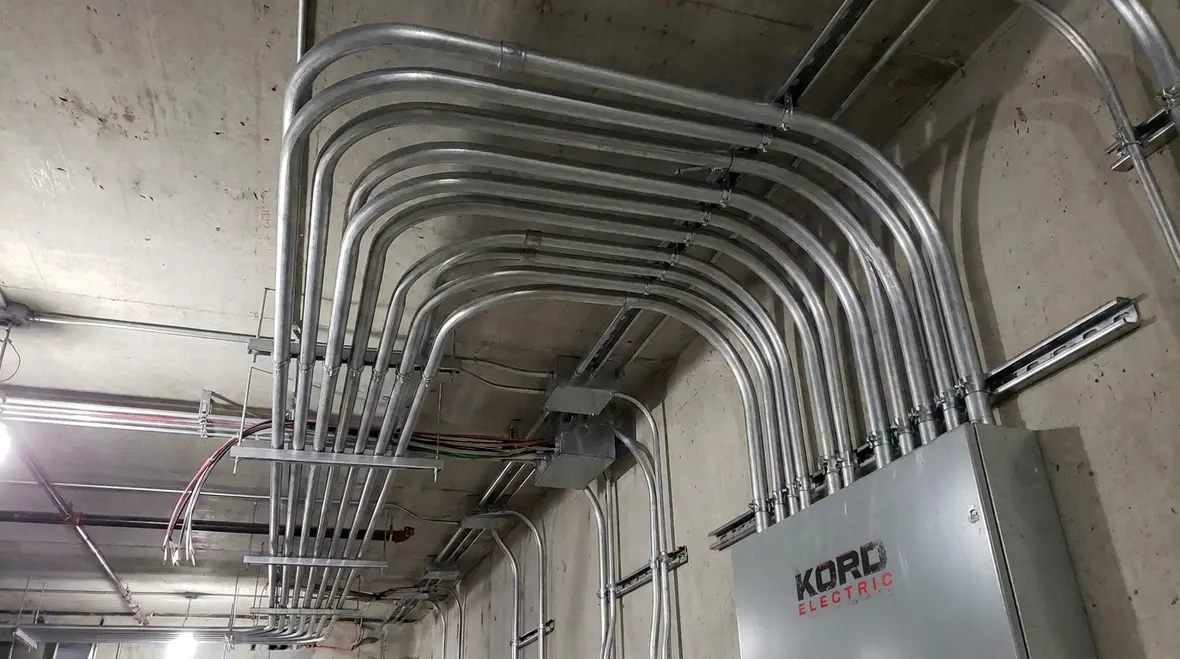
NEC raceway bend requirements limits everyone must respect
When electrical teams plan conduit runs, they often focus on wire pulls and equipment layouts. Yet the bend rules matter just as much, because NEC raceway bend requirements limits shape how a system installs, performs, and stays safe. In NFPA 70 Section 300.24, the NEC places clear limits on how many degrees a raceway may bend and how those bends affect the ability to pull conductors. We see it daily at commercial and industrial facilities, where a “quick adjustment” turns into slow rework, bent conduit, and frustrated electricians. Thankfully, our technicians at Kord Electric explain the rules in plain language, and they document the plan so the job stays steady, not like a sitcom plot twist at the last second.
NFPA 70 Section 300.24: what it really controls
In practical terms, NFPA 70 Section 300.24 controls how raceways bend before they cause trouble. The NEC does not treat bends as decoration. Instead, it treats them as mechanical limits that affect installation, conductor routing, and long term serviceability. Therefore, when we design for commercial and industrial buildings, we plan bends with purpose, not optimism.
Our expert service staff explains that the key concern sits in two areas. First, tight bending creates friction during conductor pulling. Second, too many bends can make pulling impossible without damage. So, we treat Section 300.24 like a guardrail, not a suggestion.
And yes, we have all seen the field humor: “If the wire fits, we quit.” Unfortunately, the NEC rarely agrees. It wants bends that allow safe and reliable installation, not a victory lap with damaged insulation.
Angles, sweeps, and how teams should plan conduit routes
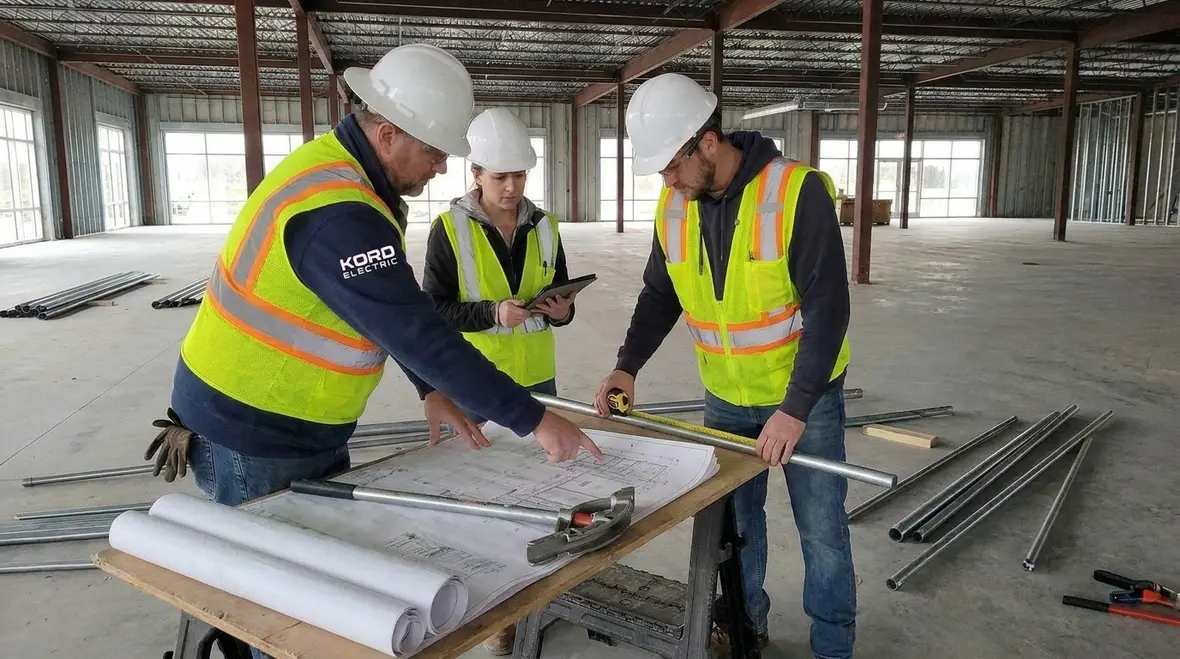
Bends show up everywhere in commercial and industrial work: around beams, through mechanical rooms, and across ceilings that look simple until someone adds HVAC. However, Section 300.24 pushes crews to use raceways with bends that stay within allowed degrees and that use proper fittings. To keep projects smooth, we plan routes early and we coordinate with other trades.
Most importantly, we do not improvise bend locations once drawings leave the room. Instead, our technicians review the route, then decide where to place offsets and where to use sweep fittings. This matters because the NEC rules tie the bend geometry to pulling feasibility. When teams plan properly, conductors pull easier, connectors seat correctly, and maintenance later takes less time.
Furthermore, we account for the total pathway, not just the visible bends. A conduit run can look fine at one corner and become a problem when multiple direction changes stack up. That is why our commercial and industrial planning approach connects individual bend choices to the entire raceway path, so no one discovers a hidden “conduit obstacle course” on pull day.
Limits for bends and what counts as a bend
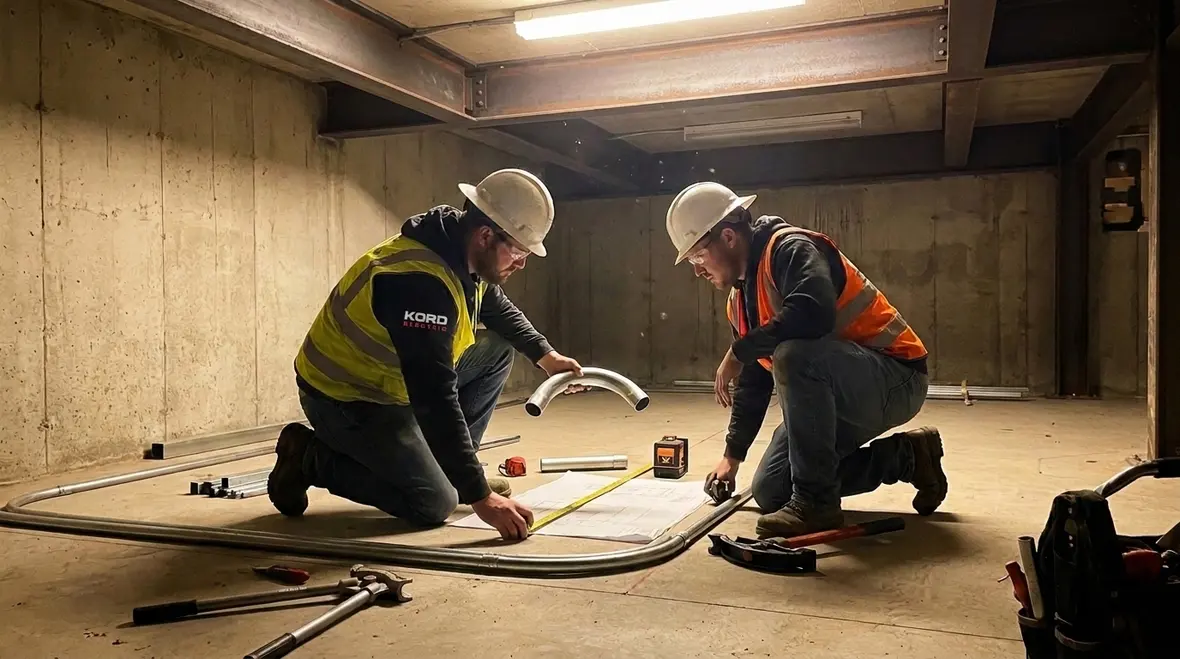
One reason crews get surprised is that “counting bends” can be confusing. Therefore, our team at Kord Electric teaches a simple habit: treat each direction change as part of the pathway behavior. In that view, you do not just count a single elbow like it is a lone event. You account for the total bend pattern and the fitting choices that create the pathway.
In addition, Section 300.24 limits how the raceway may turn and how tight those turns can be. While exact calculations depend on the installation details, the main goal stays constant: maintain a bend configuration that allows conductors to be installed without excessive force and without risking damage.
When we support major property buildings, we also ensure the system design matches the expected conductor types. In real life, pulling a cable designed for one routing condition through a bend heavy path can lead to insulation stress, connector issues, and expensive delays. It is like trying to park a delivery truck in a space meant for a bicycle. You can attempt it, but you will lose time and probably something breaks.
Our technicians keep NEC raceway bend requirements limits in view while they evaluate the bend radius, the material of the raceway, and the number of direction changes between pull points. That mix tells us whether a planned path behaves like a smooth ramp or like a staircase for conductors. In commercial and industrial work, that difference shows up quickly in pull force, installation time, and how many times someone has to say, “Stop, this does not feel right.”
Transition points, access, and why pull boxes matter
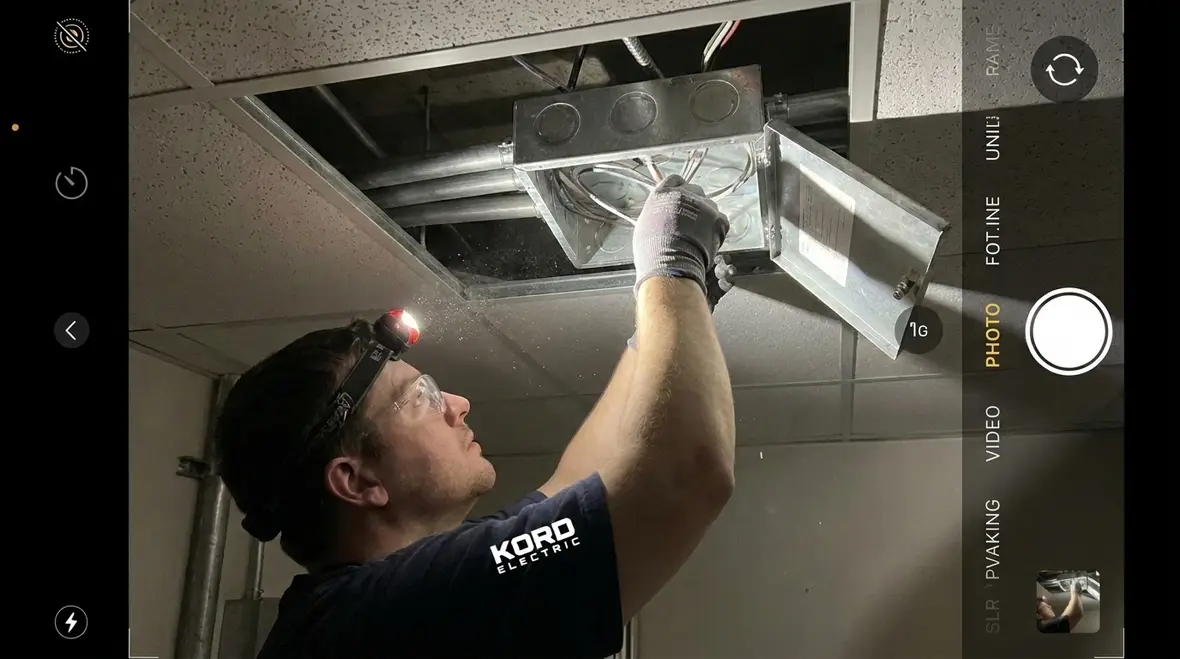
Even when crews respect bend limits, raceway systems need access points that make installation and future service possible. So, access and termination strategy work together with Section 300.24. When bend patterns increase, the system often needs better pull and inspection support to keep conductor installation manageable.
At Kord Electric, we help facility teams plan where access points should land, how they should support the raceway pathway, and how they should stay clear of obstructions. Our technicians also coordinate with building owners who need predictable downtime schedules. After all, in commercial and industrial work, a repair that takes two days can become a week if access and sequencing are wrong.
And if someone says, “We will open it later,” we calmly remind them that later has a way of charging interest. We design for access up front, so future work remains routine, not a scavenger hunt. A well placed pull box or junction point can be the difference between a smooth wire pull and a long day with a stuck cable, a schedule slip, and a lot of unplanned storytelling in the break area.
Common installation mistakes we catch in the field
We do not just read code, we apply it. During site walks and pre installation reviews, our expert service staff often finds predictable issues. First, crews may use fittings that create smaller effective bend radii than the system plan assumed. Second, teams may add extra offsets during coordination, which changes the bend geometry without updating calculations. Third, some installations ignore the raceway pathway total, focusing only on the most obvious bends.
To reduce these risks, we use a straightforward process. We review the route, we verify the bend and fitting plan, and we confirm the raceway pathway supports safe conductor pulling. Then, we document the outcome so the inspection process does not turn into a last minute scramble.
We also remind everyone that NEC requirements apply during construction, not just during inspection day. In other words, the system should work as built, not only as explained. When a conduit run looks like a maze, we do not hope it passes—we adjust the design, add pull points, or rework bends until it behaves like a clear, code aligned pathway.
Across commercial and industrial jobs, we see the same pattern: teams that respect NEC raceway bend requirements limits early in the project spend less time troubleshooting later. Those who gamble on “it will probably pull” often discover that probability is not a reliable project partner.
How our commercial and industrial approach keeps compliance practical
Kord Electric supports commercial and industrial facilities and major property buildings. That focus shapes how we manage compliance. We know these projects run on timelines, budgets, and complex coordination. So, we bring calm structure to the process.
Our technicians explain NFPA 70 rules in a way that helps teams build correct pathways on the first attempt. If a project involves complex ceiling routes or high density equipment layouts, we help owners and contractors understand what Section 300.24 requires and how bend configuration affects installation. Then we align that understanding with the actual field constraints.
Moreover, we communicate early with stakeholders. We provide guidance that fits real schedules and real workflows, so compliance does not feel like an added tax. It feels like an investment in fewer delays and safer installations.
If you want to see more of how we approach NEC education and facility focused guidance, we also share resources through our related sites, including Kord Fire content that highlights the National Electrical Code basics and practical takeaways, such as NFPA 70: All About The National Electrical Code (NEC) 2026. For a deeper Kord Electric perspective on upcoming changes and planning impacts, you can also explore our article Understanding NFPA 70: The National Electrical Code Explained for 2026, which connects high level code cycles to everyday project decisions.
Together, these resources help facility teams turn Section 300.24 requirements into practical routing diagrams, pull plans, and field checks. Instead of guessing what the NEC expects, your crew walks into the job with a shared playbook and a clear picture of how raceway bends, pull points, and access all fit together.
Planning raceways that actually install the way they look on paper
Anyone who has spent time around commercial construction knows that drawings are neat and job sites are not. Steel, ductwork, cable trays, sprinklers, and architectural changes all compete for space. When we plan raceways, we accept that reality from the start instead of pretending that every bend will land exactly where the first drawing suggested.
Our technicians walk the space, compare the layout to current conditions, and then refine the bend pattern so it stays inside NEC raceway bend requirements limits while still weaving around real world obstacles. That may mean swapping a tight elbow for a long sweep, shifting a pull box to a smarter access point, or revising how many conduits share a crowded corridor.
We also consider how future expansions may add circuits or change loading. A raceway that barely meets bend expectations today may become a constraint later if additional conductors are needed. By designing with realistic growth in mind, we help avoid the “tear it out and start again” moment that no facility manager wants to fund.
This planning style works especially well in dense mechanical rooms and above ceiling spaces, where bends can accumulate quickly. Instead of tolerating an accidental “conduit roller coaster,” we deliberately flatten and smooth the route so it behaves like a well marked highway for conductors, not a back road full of surprises.
Coordination with other NEC requirements and related guidance
Bend limits do not live alone in the NEC. They sit alongside rules about wiring methods, support, grounding, and working clearances. When we review a raceway plan, we do not treat Section 300.24 as a single checkbox. We weave it into a broader picture that includes conductor ampacity, fault clearing expectations, and how the raceway interacts with other systems.
Our broader NEC guidance for commercial and industrial clients covers topics like vault work space, grounding for higher voltage systems, and wiring planning fundamentals. Those same principles show up in how we manage bends: clear access, documented intent, and field ready geometry that supports both safety and maintenance.
In many facilities, raceway routing also connects to fire and life safety strategy. That is why our teams coordinate with fire protection professionals who reference NFPA codes for suppression, alarms, and emergency egress. When your electrical and fire protection plans align, inspections move faster and critical systems have the support they need.
For property managers across Southern California and beyond, this integrated approach means fewer conflicts between disciplines, fewer change orders tied to “surprise” routing problems, and a clearer record of why raceway bends and pull points ended up where they did. That documentation becomes priceless during future renovations, troubleshooting, or code updates.
FAQ about NFPA 70 Section 300.24 bends
Ready to keep conduit runs compliant and installable?
When an electrical plan respects NFPA 70 Section 300.24, installation stays smooth and future service stays simple. At Kord Electric, our technicians and expert service staff help commercial and industrial facilities plan raceway pathways with the right bend configuration, proper fitting choices, and practical access points. If you manage a major property building and want fewer surprises, reach out to us for a compliance focused review and installation support. Let us help your raceways stay code ready, not field guesswork.
If your facility is in Southern California and you need hands on help turning NEC raceway bend requirements limits into real world layouts, our Los Angeles County electrical services team provides commercial and industrial support that aligns design intent, field conditions, and inspection expectations. From pre construction planning to troubleshooting existing routes, we focus on keeping your conduits buildable, serviceable, and ready for the next code cycle.
Keywords used: NEC raceway bend requirements limits


