
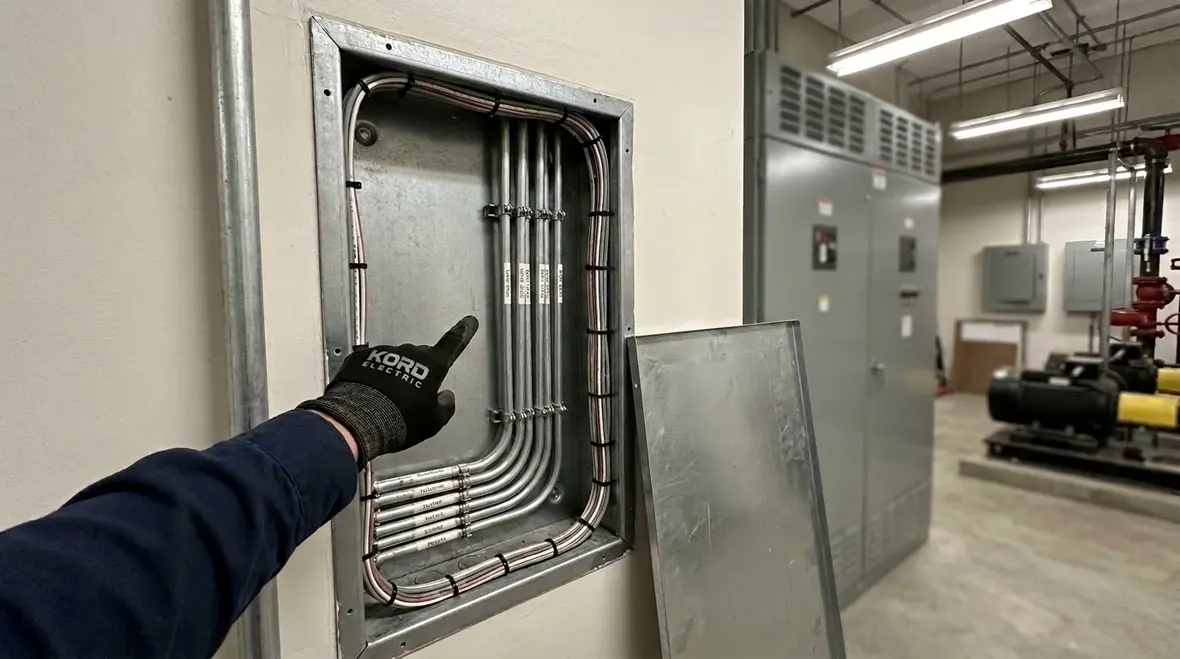
NEC Access Panel Wiring Rules 300.26 Compliance
At Kord Electric, when we talk about NEC access panel wiring rules, we do not treat them like a “nice to know” trivia question. We apply them the moment a device or conductor must be routed near an access panel. That is where NFPA 70 Section 300.26 comes in, and we follow it to the letter. Our expert service staff explains what these rules mean in plain language, and then our field technicians verify the details on site. So, whether a facility owner is upgrading a fire pump room, expanding a control area, or simply keeping compliance tight, we make sure the wiring methods near access openings are safe, supported, and built to last. And yes, we also make sure the work does not turn into an electrical version of “where did the cable go” mystery theater.
NFPA 70 Section 300.26 and why access panels matter in the real world
NFPA 70 Section 300.26 focuses on wiring at access panels. In other words, it tells us what we must do when the installation sits behind an opening used for access, inspection, or service. Then it helps prevent damage to conductors caused by repeated access. Over time, access panels get opened. People lift covers, pull tools, and reach into spaces that were never meant to become conductor trouble zones.
Therefore, we plan the wiring path and termination so that when the access panel is opened, the wiring method does not get stressed, pinched, or scraped. Additionally, we choose support and protection that fit the use of the area. This matters most in commercial and industrial facilities and major property buildings, where systems run all day and uptime is not a suggestion.
What the code expects: protection, support, and a clean access path
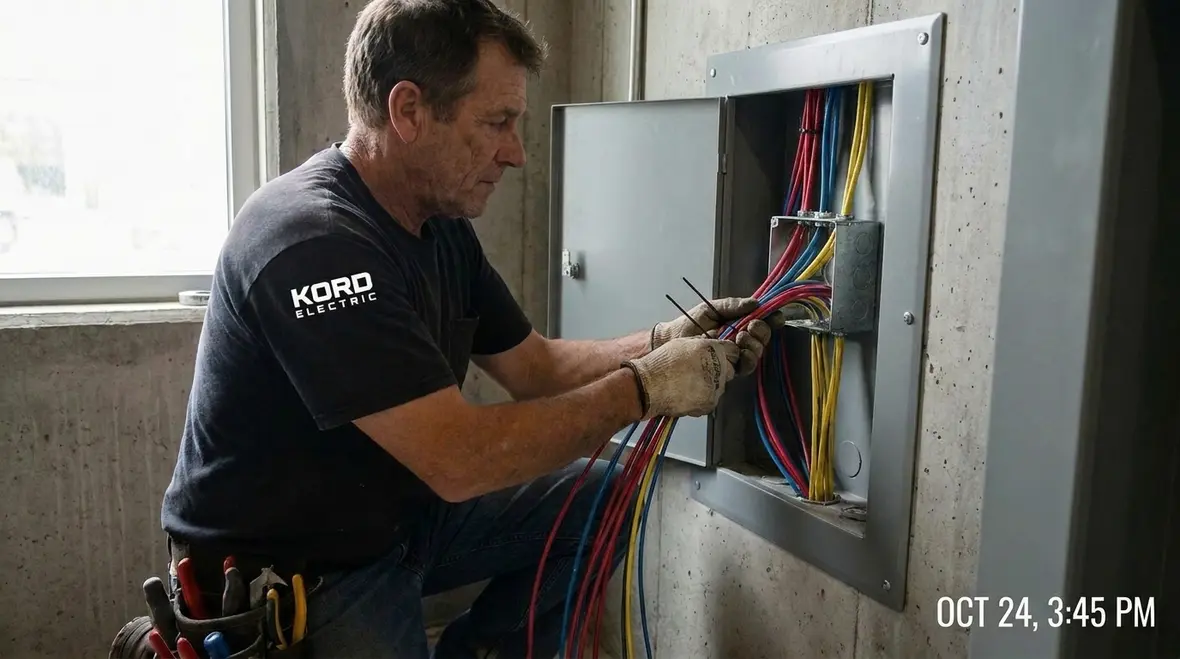
Section 300.26 does not ask for fancy. It asks for performance. That means conductors and wiring methods must remain safe during normal access and servicing. So, we treat the access panel like a work zone with rules, not a decorative wall feature.
In practice, we look at three areas: protection of the wiring, proper support, and the routing that avoids strain. First, we ensure that the wiring method stays protected where it could be exposed to contact during cover removal or reinstallation. Second, we install supports so conductors do not sag or rub. Third, we keep wiring runs arranged so the crew can service the equipment without yanking or bending the cable like it is an uncooperative jump rope.
At this point, our technicians step in, and that is where experience turns into fewer surprises. Our teams also explain the “why” to facility staff, so compliance does not feel like a locked door with no key. Instead, it becomes a clear path that makes future service faster and safer.
How we verify NEC access panel wiring rules during installation
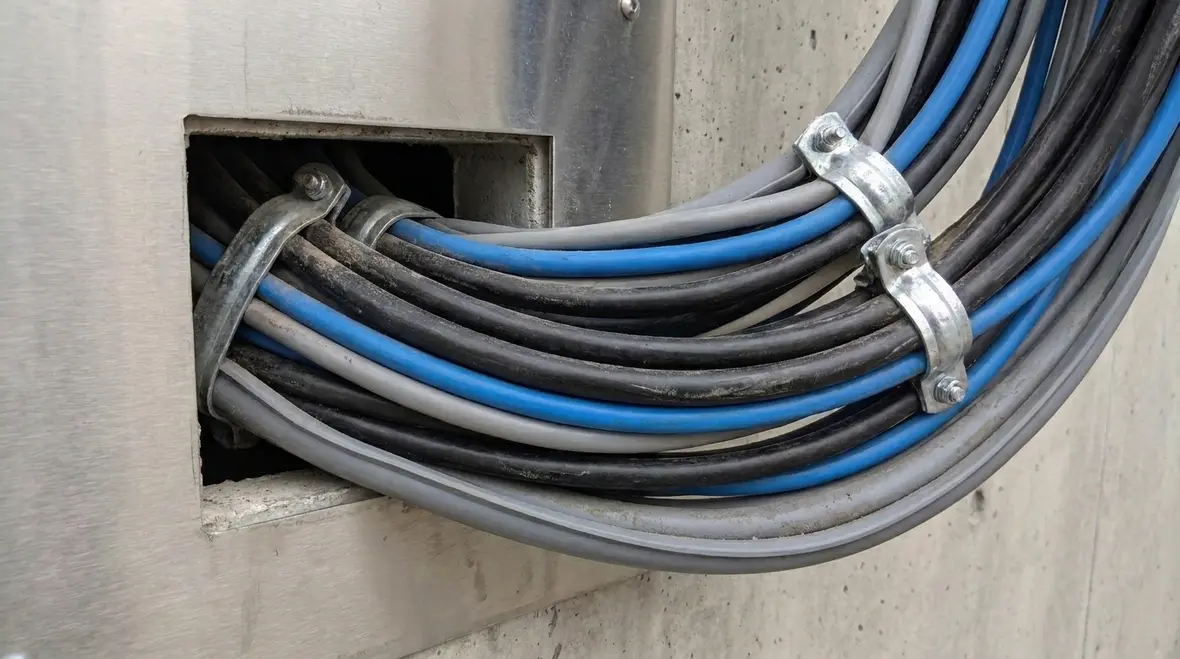
In the field, verifying wiring at access panels is not a one time check. We verify during layout, during rough installation, and again before final close up. As a result, we reduce the chances that an access panel gets closed while a wiring method is still at risk of damage.
Here is how we approach it for commercial and industrial sites.
- We plan the route before we pull wire: we confirm the access path and how the panel opens, so wiring does not end up in the swing zone of a cover.
- We secure conductors and wiring methods: we use appropriate support spacing and securement so the wiring does not loosen when the panel is opened.
- We avoid strain during service: we leave enough working clearance so service crews can work without stressing conductors.
- We protect where contact is likely: where abrasion or impact is realistic, we provide the right protection method.
And because buildings rarely behave like drawings, our technicians also check the actual conditions on site. Floors settle, walls shift slightly, and old conduit runs do not always line up with the “perfect world” plan. When that happens, we adapt within code intent and keep the access panel wiring safe. Think of it as adjusting a seatbelt after you finally learn where you sit, not after the crash.
Common mistakes around wiring at access panels, and how we prevent them
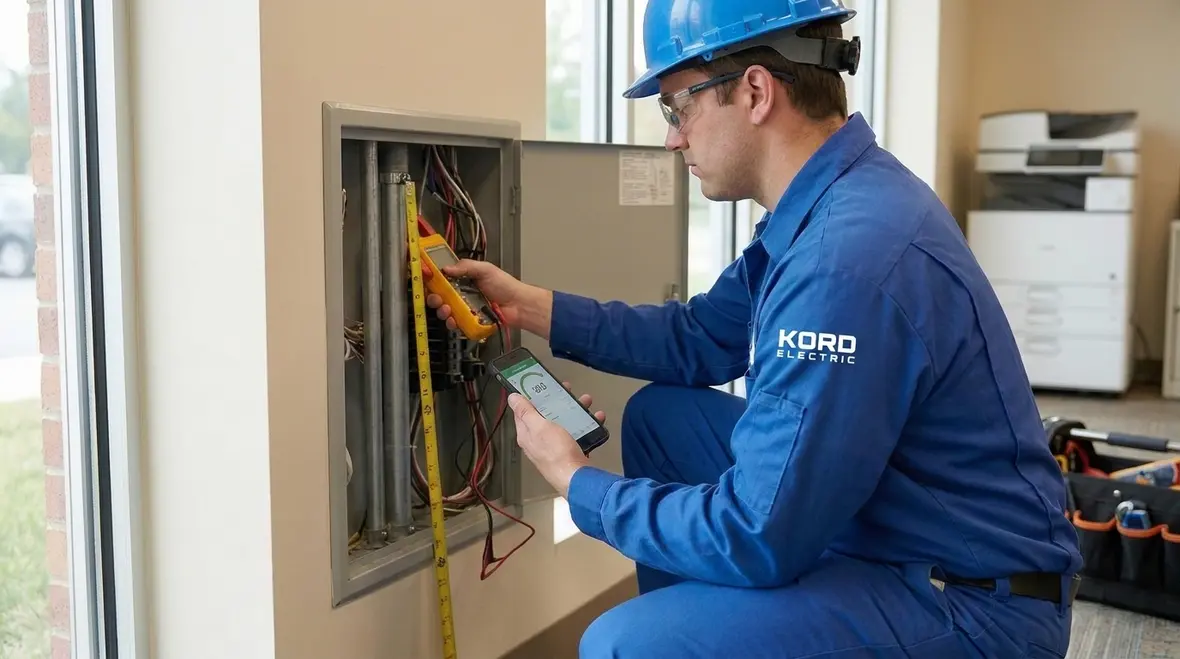
Most installation problems do not come from bad intentions. They come from shortcuts, rushed schedules, or crews working around outdated infrastructure. Then, later, the access panel gets opened and the wiring method pays the price.
Below are mistakes we regularly see on older commercial and industrial systems, and the prevention steps we use.
- Conductor strain from tight routing: we route to prevent pulling on the cable when the cover is moved.
- Missing or weak support: we support conductors so they do not sag toward the access opening.
- Abrasion at the panel edge: we protect wiring where the panel hardware or edges can contact conductors.
- Close up before final fit check: we test panel fit and access clearance before full closure.
- Overstuffed service areas: when many devices share one opening, we manage layout so access does not force electrical stress.
We also remind teams of something simple: the access panel is there so people can reach equipment safely. If the installation makes that harder, the system fails in day to day operation, even if it passes a quick glance. As for the pop culture comparison, think less “Thor’s hammer swings freely” and more “wrench fits the bolt, not the vibes.”
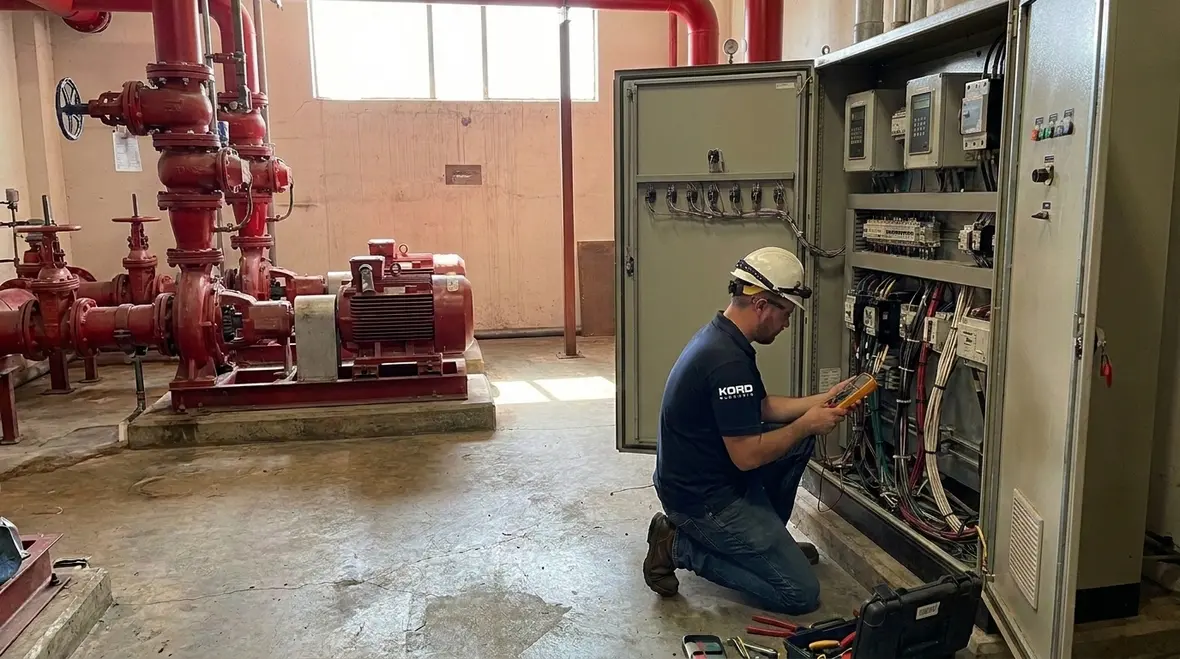
Coordinating with fire pumps, life safety rooms, and major building systems
Commercial facilities rarely live in isolation. Electrical panels, fire pump rooms, and life safety equipment share pathways, corridors, and service access. So, while we focus on wiring at access panels, we also coordinate with the rest of the building electrical design. That reduces conflicts across trades.
For example, when a project touches fire pump systems, facility operators need reliable power, safe access, and stable wiring methods. Fire pump areas demand careful planning because equipment is mission critical. While organizations like firepumps.org highlight best practices in the broader life safety ecosystem, our job at Kord Electric is to ensure the wiring itself supports that reliability.
In addition, we align with code education resources such as Kord Fire pages that explain the National Electrical Code in approachable terms. We also connect this work with Kord Electric’s broader guidance in articles like What Is NFPA 70? Understanding the National Electrical Code, so facility teams can see how NEC access panel wiring rules fit into the larger code picture for 2026 planning and beyond. However, we do not stop at theory. Our field team physically checks where conductors run, where panels open, and how maintenance crews will interact with the space. Then we document what we did in a way building managers and maintenance staff can understand.
Transition matters here too. First we coordinate with the project plan. Next we confirm physical routing on site. Finally, we ensure the access panel experience stays safe and repeatable.
Inspection readiness: documenting compliance for owners and property managers
Once wiring at access panels is installed, owners need proof it was done correctly. In commercial and industrial facilities, that means inspection readiness, clear records, and straightforward labeling.
Our process helps teams stay calm when the inspector arrives, because we already handled the details. Therefore, we keep focus on documentation and traceability. We label as needed, verify terminations, and ensure wiring methods remain properly supported and protected. Then we help facility personnel understand what they should see when they open the access panel later.
We also explain maintenance expectations in plain language. So, when an in house electrician or maintenance lead opens a panel, they know what “good” looks like. That reduces service calls caused by accidental cable damage. And yes, it saves money, because chasing a damaged conductor after a rushed access visit is like buying a second umbrella after the storm hits. Better to prevent the problem.
For owners planning broader electrical projects, these same habits of inspection readiness and documentation carry over into system upgrades, load studies, and design work. Kord Electric’s Los Angeles County electrical services bring those practices together so regional facilities get consistent, code-conscious support from design through maintenance.
FAQ for NFPA 70 wiring at access panels
Conclusion and next steps with Kord Electric
If your facility has access panels tied to electrical equipment, we recommend a focused review of the wiring methods used near those openings. At Kord Electric, our expert service staff explains the rules and our technicians verify the details on site, so your installation supports safe maintenance now and later. Then, when inspection time comes, you are not scrambling. You have records, correct routing, proper support, and protection where it counts. Contact us to schedule a compliance review for your commercial and industrial systems and keep your NEC access panel wiring rules 300.26 compliance as solid in the field as it is on paper.
For facilities planning broader upgrades or design changes, our team can also connect NEC 300.26 access panel practices with larger efforts in electrical system design, load compliance, and modernization. That way, every access opening, from a small ceiling panel to a life safety room door, fits into a coherent strategy for code alignment, safety, and uptime across your building.
When you are ready to move from “we think it is compliant” to “we know it is documented, tested, and ready,” our team is here to help.


