
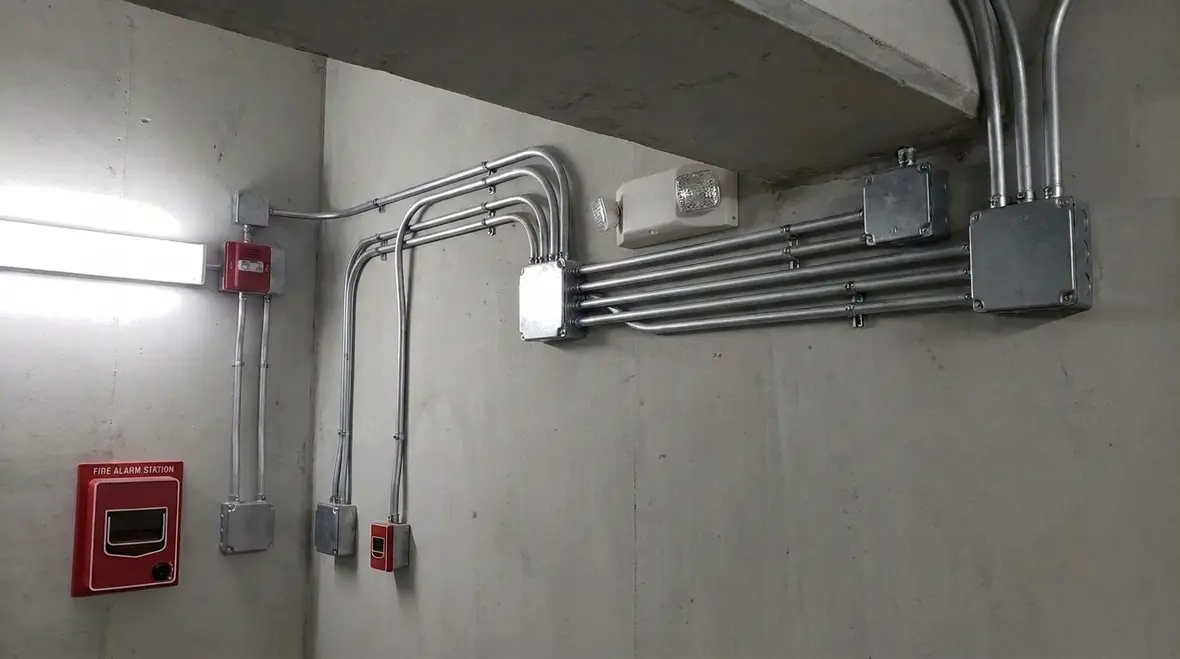
NEC Exit Stair Tower Wiring Requirements NFPA 70 300.27
NEC Exit Stair Tower Wiring: What NFPA 70 Section 300.27 Requires
When people talk about NEC exit stair tower wiring, we at Kord Electric want them thinking about one thing first: safe movement during an emergency. In the first moments of a fire, the goal is simple. Exit stair towers must keep critical electrical paths reliable, clear, and protected so occupants can move without getting trapped by darkness or failed systems. That is exactly why NFPA 70 Section 300.27 focuses on wiring rules tied to exit stair towers. We make it practical too, because our technicians and expert service staff do more than install. They explain what matters, why it matters, and how the code helps prevent the kind of “we assumed it would work” mistakes that haunt building teams.
Why exit stair towers need special wiring rules
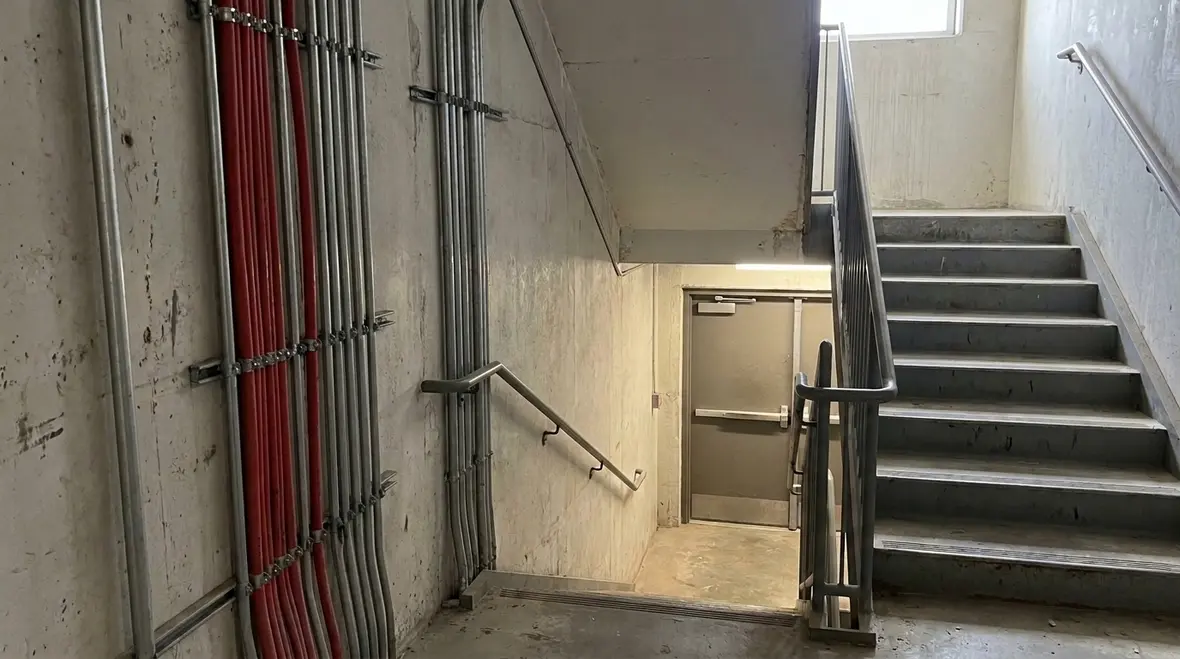
In commercial and industrial buildings, stair towers act like the building’s emergency backbone. Therefore, the wiring within and near these vertical paths must resist the real-world threats that show up during a fire. Heat, smoke, and mechanical damage do not play fair. As a result, the NEC treats these locations with extra care.
We often hear the same story from facilities managers. They say the rest of the building works, so the stair tower “should” work. However, during an emergency, a power failure in the wrong place can erase every other safety measure. So, while general branch circuits may tolerate more flexibility in other areas, wiring that supports an exit path faces stricter expectations. If that sounds dramatic, it is only because fire safety is dramatic. It does not care about our timelines, budgets, or conference-call schedules.

NFPA 70 Section 300.27 in plain language
NFPA 70 is the National Electrical Code, and Section 300.27 addresses how wiring must be installed where it serves exit stair tower needs. In plain terms, the section narrows what methods and routing choices are allowed, so wiring remains reliable and does not become a new risk inside the exit route.
Our expert service staff explain it like this. First, wiring in these areas cannot rely on “whatever is easiest today.” Second, the installation needs to support performance during fire conditions and should not create extra hazards. Third, protection and segregation must align with the intent of the code. If a design team wants to keep occupants moving, the electrical system must not collapse at the worst time.
Of course, the code does not read like a bedtime story. Still, we translate it into actions: the right wiring methods, the right protection, and clear coordination between electrical, fire alarm, and life safety plans. For teams who want a broader foundation on how the National Electrical Code shapes these choices, you can also connect this topic with our in-depth guide, Understanding NFPA 70: The National Electrical Code Explained for 2026, which walks through how current NEC direction affects real projects.
How we design NEC exit stair tower wiring to stay reliable
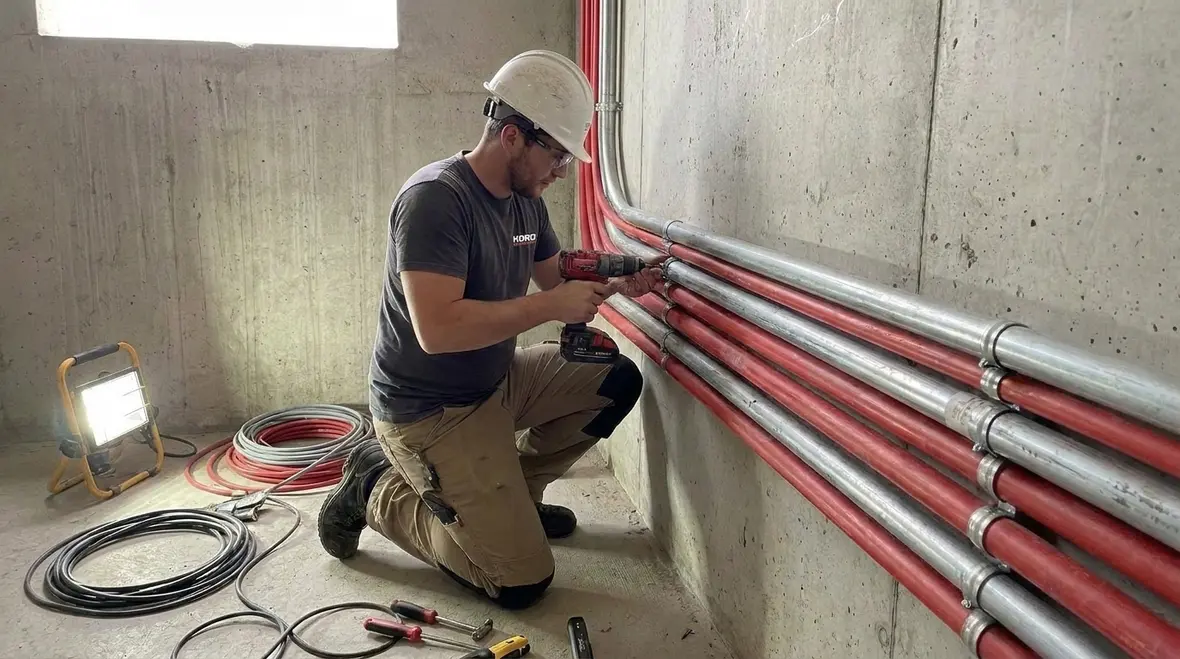
We build these systems with a disciplined approach, because the stakes do not allow guesswork. To do this well, Kord Electric coordinates during design and then verifies during installation. That means we plan routes early, we confirm separation, and we check protection before the walls close.
From a practical standpoint, our technicians focus on four key areas. First, they verify the wiring methods selected match what NFPA 70 expects for these spaces. Second, they ensure the wiring stays in the correct location and follows the plan without shortcuts. Third, they confirm protection measures and supports are installed cleanly, with no loose ends that later become weak points. Fourth, they coordinate with other trades so the final build stays aligned with the life safety intent.
And yes, sometimes we find a “creative” routing idea during the rough-in phase. That is when our team steps in and turns creativity into code compliance. Like a superhero, but with more punch lists and fewer capes.
Coordination with fire alarm and life safety systems
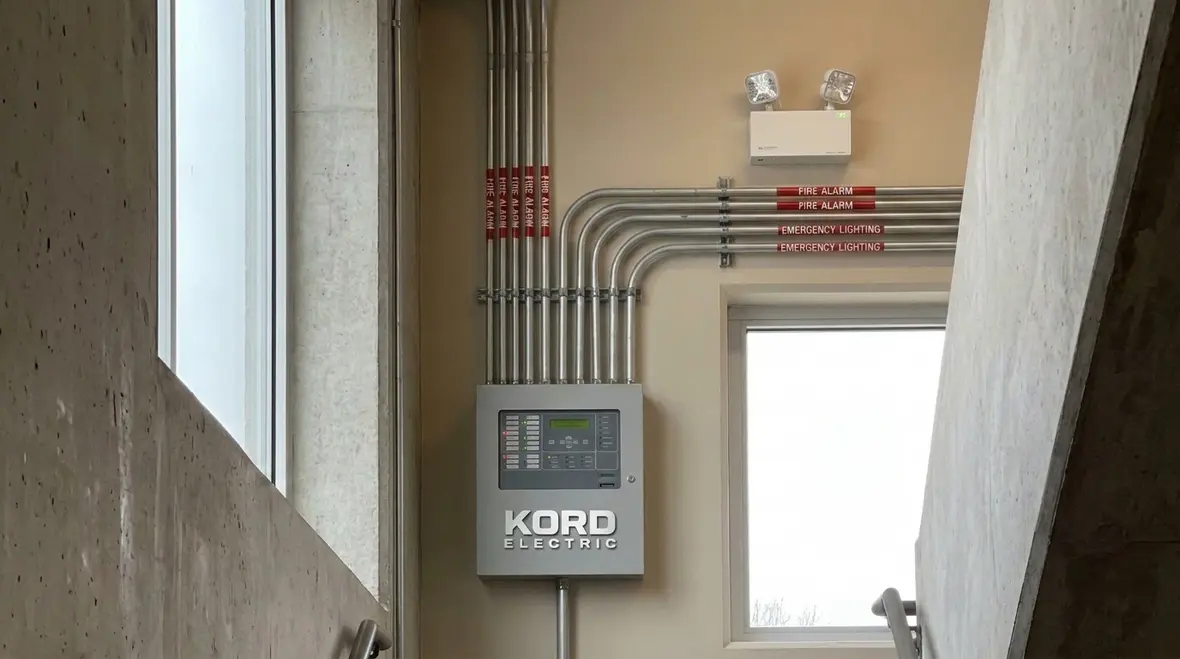
Exit stair towers rarely work alone. They usually connect to other life safety systems such as fire alarm notification, emergency communications, and controls tied to smoke management and door release. Therefore, your stair tower wiring must fit into the broader electrical and fire system design.
When facilities teams coordinate early, systems tend to behave as intended. However, if electrical design drifts away from fire alarm design, the results can be unpredictable. That is why we push for clear documentation and tight review cycles. We align circuit identification, confirm labeling, and verify that installers understand what supports the exit path.
Our service staff also help building teams understand the “why” behind the coordination. If a stair tower circuit shares pathways with nonessential wiring, and that shared environment fails during fire conditions, then emergency behavior may get compromised. So, we treat the whole life safety ecosystem like one system, not a set of independent projects. For a parallel view on how electrical and fire protection standards connect, many facility leaders also review resources like Kord Fire’s NFPA 70: All About The National Electrical Code (NEC) 2026 to see how these requirements support fire and life safety performance.
Common installation mistakes we stop before they become problems
In commercial and industrial facilities, we see a few recurring issues that threaten reliability. First, teams sometimes route wiring in ways that ignore the special intent of exit path areas. Even small deviations can matter when heat and smoke start to press in.
Second, crews may underestimate protection requirements. They might think the cable type or conduit selection offers enough resilience without considering the installation details. Third, support and spacing can fail during installation if the job rushes. Over time, that weakens the system, and in an emergency, “weak” becomes “failed.”
Fourth, labeling and identification can lag behind the build. Then when a test happens later, nobody knows which circuit does what. That makes troubleshooting slower, and in life safety work, slow can become risky.
We prevent these issues with inspection-ready installation practices and by using checklists our technicians follow consistently. We also explain what we find, so the building owner and operations team get clarity, not confusion.
What owners and facility teams should ask during reviews
Because Kord Electric focuses on commercial and industrial facilities and major property buildings, we encourage decision makers to ask the right questions during design review, rough-in walkthroughs, and final acceptance testing. When you ask early, you avoid paying later for rework that could have been prevented in a single coordination meeting.
Our team recommends these review points:
- Are the selected wiring methods appropriate for the exit stair tower requirements under NFPA 70 Section 300.27
- Does the routing avoid conflicts with other systems that could introduce risk during fire conditions
- Are protection devices, supports, and installation details meeting the intent of the code, not just a spec sheet
- Are circuit identification and labeling clear enough for fast testing and service
- Have we coordinated the stair tower wiring plan with the fire alarm and life safety drawings
Meanwhile, we keep communication direct. We do not bury owners in jargon. We show what we checked, what we corrected, and what it means for emergency performance. That is the part that helps real teams sleep at night, even when the building has a lot more “moving parts” than a soap opera.
Quick comparison: code intent vs. real-world outcomes
| Code intent | What good installation achieves |
|---|---|
Maintain reliable power and safety functions related to exit stair towers under fire conditions |
Systems stay available when occupants need them most, and emergency operation follows the plan |
Use wiring methods and protection that reduce added hazards in exit paths |
Wiring stays properly routed, supported, and protected, so it does not become a fail point |
Coordinate with life safety system design so functions work together |
Fire alarm and related controls behave as expected during alarm and evacuation |
How NEC exit stair tower wiring fits broader NEC planning
Exit stair tower circuits do not live in isolation. They connect to panels, distribution paths, and grounding systems that all fall under NFPA 70 direction. When you plan upgrades, it helps to treat stair tower work as part of your overall NEC wiring strategy rather than a one-off task.
Our commercial and industrial clients often pair stair tower design reviews with broader NEC planning efforts, including load calculations, grounding checks, and routing fundamentals. That way, the life safety circuits serving your stairs benefit from the same disciplined planning we apply to vault work spaces, grounding points, and wiring layouts across the building.
If your team is already reviewing topics like NEC wiring planning fundamentals or high-voltage grounding strategy, weaving NEC exit stair tower wiring into that same conversation helps avoid conflicts later. The goal is one coordinated electrical picture, not a patchwork of “special projects” that only meet code on paper.
Practical steps to keep NEC exit stair tower wiring compliant
To keep NEC exit stair tower wiring aligned with NFPA 70 Section 300.27 over the life of the building, owners and facility teams can treat these circuits as critical infrastructure, not background wiring. That mindset shows up in day-to-day decisions during maintenance, modifications, and tenant fit-outs.
Before anyone touches stair tower circuits, we recommend confirming three basics: what the circuit supports, how it is routed, and whether the change could alter protection, segregation, or reliability during a fire. If a proposed change adds new conductors, moves a junction, or shares a pathway with nonessential systems, that change deserves a closer look.
We also encourage facility leaders to keep documentation current. As-built drawings, panel schedules, and labeling should match what is actually installed, especially for exit stair tower feeds, lighting, smoke control interfaces, and fire alarm tie-ins. When that paperwork drifts away from reality, troubleshooting slows down and small issues can hide until the next inspection or emergency.
FAQ: NFPA 70 Section 300.27 and stair tower wiring
Owners, facility managers, and project teams tend to raise the same questions when they first dig into NEC exit stair tower wiring rules. To make those conversations easier, we summarize common concerns below.
Call Kord Electric for life safety electrical work
Building teams deserve clear answers, not guesswork. Kord Electric serves commercial and industrial facilities and major property buildings, and we apply NFPA 70 requirements with care, coordination, and real field experience. If you are planning a project, upgrading a stair tower system, or reviewing existing installations around NEC exit stair tower wiring, we can help your team get it right the first time.
Our technicians work with design teams, facility leaders, and safety stakeholders to connect NEC language with practical, buildable solutions. From NEC exit stair tower wiring to vault work spaces, grounding schemes, and load calculations, we keep the whole picture in view so your life safety systems act like one coordinated network instead of a stack of separate projects.
If your building is in Southern California and you are evaluating upgrades or troubleshooting existing systems, exploring a full-scope partner for commercial and industrial electrical work can streamline the process. You can review our broader capabilities in areas like Los Angeles County electrical services to see how stair tower wiring fits into larger design, construction, and maintenance plans.
When you are ready to turn code requirements into a reliable, inspection-ready installation, reach out to Kord Electric and let our technicians explain the details, confirm the plan, and protect the people who rely on your exits when it matters most.


