

NEC Raceway Installation Best Practices for Safe Schedule
In the first 100 to 150 words, we start where most delays begin: raceway installation. Our team at Kord Electric follows NEC-focused raceway installation best practices tied to NFPA 70 Section 300.20, because good routing, proper support, and clean bends prevent problems before inspectors ever show up. Additionally, our technicians and expert service staff walk job leaders through each step in plain language, so decisions are made with real code meaning, not guessing. And yes, we know “it’ll fit later” is a classic contractor line, like “the dog ate the homework,” but in electrical work the code does not laugh.
NEC raceway installation best practices that keep your project safe and on schedule
For commercial and industrial work, the most reliable projects do not start with a mad dash at the end; they start with raceways that are planned and installed correctly on day one. Kord Electric aligns each step of raceway installation with NEC raceway installation best practices so your project stays safer, inspections go smoother, and schedules feel calm instead of chaotic. From layout and routing to the details of supports, fittings, and protection, we treat each decision as part of a code-ready system, not just another piece of pipe in a crowded ceiling.
Our field technicians translate NFPA 70 Section 300.20 into plain, jobsite-ready direction, and our expert service staff keeps stakeholders informed as installation progresses. Instead of leaving crews to “figure it out” under pressure, we define expectations early, review them during installation, and verify them before the area closes. The result is a raceway system that looks organized, passes inspection with fewer surprises, and supports long-term maintenance instead of fighting it.
Why NFPA 70 Section 300.20 matters for commercial and industrial jobs
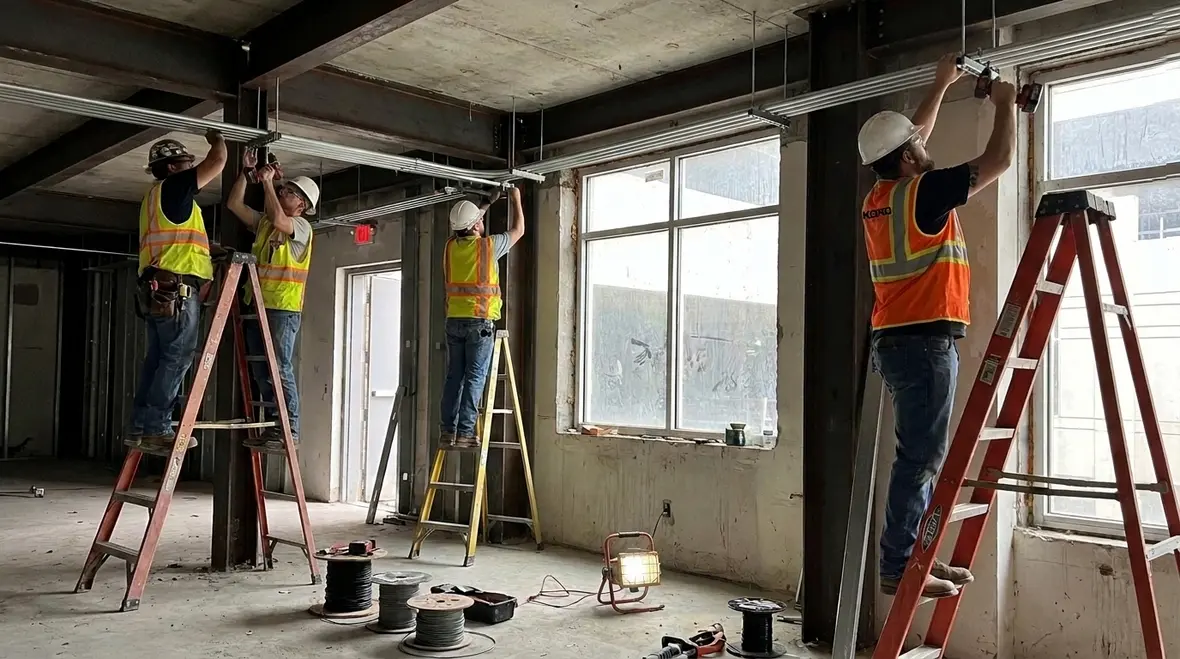
Third person needs clarity here, so let’s be direct. NFPA 70 Section 300.20 focuses on how raceways get installed, so the system stays secure, protected, and accessible for service. For commercial and industrial facilities, this matters even more because equipment loads change, tenants expand, and inspections come faster than a sitcom laugh track. When Kord Electric aligns installation details with the code intent, it reduces risk and helps keep operations steady.
Further, the section pushes the job team to think about the full path of the raceway, not just the starting point. Therefore, the crew plans for physical protection, correct support, and routing that avoids damage during construction and after the building is live. In other words, proper install work is not decoration. It is a foundation.
Because NFPA 70 continues to evolve, our teams reference current guidance, including resources from our own National Electrical Code explainer for the 2026 cycle, so project leads do not have to decode every line by themselves. Instead of guessing what Section 300.20 expects in a modern commercial space, we connect those expectations to field-ready practices that keep your facility on the safe side of compliance.
Planning the route before anyone pulls a wire
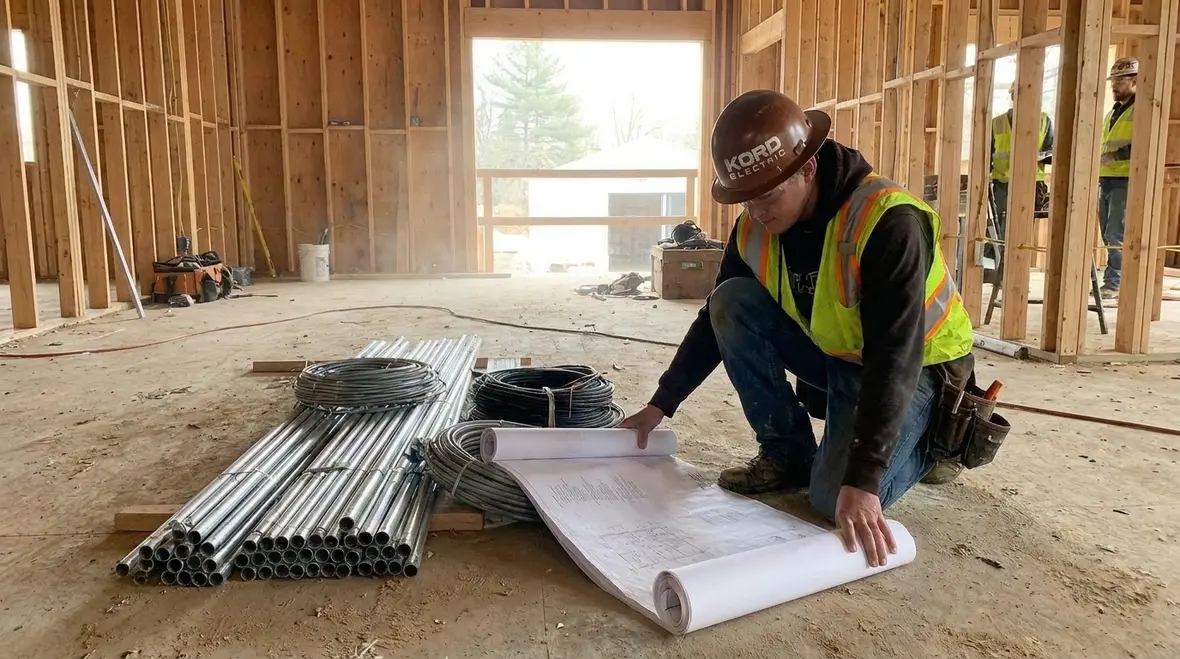
Before installers cut a single piece, Kord Electric reviews the route and the surrounding conditions. This step sets the tone for everything that follows. While designers may specify the system, the field crew has to make it real, within slab conditions, structural steel, and real-world obstacles. So, our technicians verify clearances, turning radii, and how the raceway will travel through ceilings and walls.
Next, they check where the raceway needs access. Even if the building looks finished, inspectors and later maintenance teams will need to service conductors. As a result, the installation must support access needs without turning the ceiling into a maze of regrets. Also, proper planning helps avoid rework, and rework costs money that no one wants to spend, especially on a schedule that already feels tight.
To keep that planning grounded in real code expectations, our team ties routing decisions back to NFPA 70 layout principles and to broader system design thinking covered in our Building Electrical System Design: Planning Power for Commercial Facilities overview. That connection between design intent and field routing helps major property buildings avoid the “drawn one way, built another” trap that so often leads to change orders and schedule slips.
Proper support and secure mounting for long term performance
Correct support turns a raceway system into a stable system. Our approach treats support like a quiet hero: it rarely gets praised in punch lists, yet it prevents bigger failures later. When raceways sag or shift, conductors face stress, fittings loosen, and inspection findings increase. Therefore, Kord Electric follows NEC raceway installation rules for spacing and secure mounting so the raceway stays aligned for the life of the facility.
Additionally, the crew pays attention to how supports connect to the building structure. If the support method does not hold under vibration or weight, the raceway cannot do its job. In commercial and industrial environments, that means we consider motor rooms, mechanical spaces, and areas with frequent movement. Transitioning from planning to mounting, the field team ensures the system remains solid, not flimsy.
On larger upgrades or modernization projects, we often pair these support decisions with broader electrical infrastructure planning, so bracket layouts, seismic considerations, and equipment clearances all move in sync. This coordination keeps cable trays, raceways, and equipment corridors working together instead of competing for the same cramped inches of ceiling space.
Handling bends, offsets, and turns with care
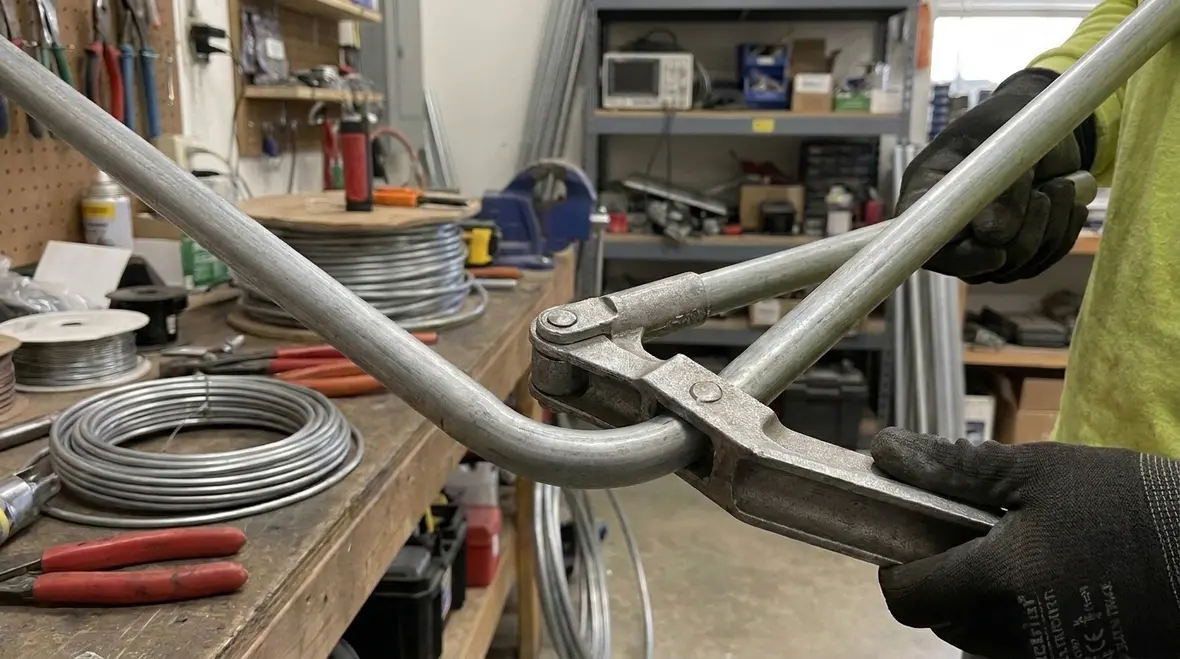
Bends and turns are where projects can go from smooth to stressful. Kord Electric trains its technicians to treat every offset and bend as a measurable task, not an improvisation. Because conductors need a pathway that respects bend limits, the installation must avoid sharp changes and avoid crushing the raceway.
Even when routing seems straightforward, the best results come from accurate fabrication and consistent alignment. Next, installers check transitions at each fitting and keep the raceway run uniform. This is where a little extra time now prevents a “why is pulling so hard” problem later, and pulling problems usually arrive right when everyone is tired.
Our teams also factor in how future conductor additions or changes may interact with today’s bends. By keeping bend radii within NEC limits and avoiding unnecessary compound offsets, we make it easier for crews to work inside the same raceways years from now without turning every pull into a high-friction workout.
Protection from physical damage and environmental conditions
In commercial and industrial facilities, raceways face real hazards: impact from equipment, abrasion during maintenance, moisture in mechanical areas, and even careless forklift traffic. Kord Electric designs installs with those conditions in mind. As a result, our technicians position and protect raceways so the system withstands the environment it serves.
When protection needs to increase, we follow the code intent and select appropriate methods. Moreover, we coordinate with other trades so raceways do not become the casualty of construction. Therefore, Kord Electric uses jobsite coordination as a practical safety tool, not just a nice-to-have meeting.
For facilities working through broader modernization, these protection strategies align naturally with planning for new loads, sensitive electronics, and evolving operational needs. Protecting raceways from physical abuse is part of protecting uptime, not just another checkbox on a spec sheet.
Making raceways usable for inspection, maintenance, and future changes
Another key point is usability. A system can meet the minimum requirements and still cause headaches when someone needs to access conductors later. So we focus on how the raceway installation supports inspection access and future service. Technicians from Kord Electric explain the “why” behind the steps, which helps owners and facility managers understand what they are paying for.
Also, we plan for expansions that often happen in major property buildings. When tenants grow, equipment gets added. When that happens, raceway routes and access points should not trap the facility team in expensive demolition. In short, we build for today and tomorrow.
Because we work across many commercial and industrial facilities, our crews bring lessons learned from real inspections, maintenance calls, and upgrade projects. That experience informs how we place junction boxes, how we route around future walls or ceilings, and how we leave documentation so the next team does not have to play detective.
Quality checks on the jobsite, not just paperwork
Code compliance becomes real only when the field work matches the plan. Kord Electric uses jobsite checks that catch issues early, before they turn into expensive corrections. First, our service staff and technicians review the installation while work progresses. Then, they verify alignment, support, and fitting integrity before the area closes up.
Additionally, we document key steps so the project team can understand what was done and why. This documentation supports smooth inspection conversations and helps owners plan maintenance. And if you are thinking, “paperwork again,” remember this: good paperwork is the difference between “we thought it was fine” and “we can prove it was fine.”
On multi-phase jobs, we align those checks with broader electrical load compliance and data-driven design practices, so the same discipline that keeps raceways in line also keeps panels, feeders, and protective devices behaving the way NFPA 70 expects.
Compliance mindset across NEC updates and related resources
NFPA 70 and NEC practices evolve, and Kord Electric stays current by using trusted code resources and internal training. We reference major code explanations, including articles that summarize the National Electrical Code and how it impacts raceway work for the 2026 cycle. If someone needs a quick overview, our teams point them toward our published guidance and regional code context, because it is easier to build correctly when people share the same understanding.
That context extends beyond raceways themselves. Topics like grounding, fault response, equipment labeling, and modernization planning all interact with how raceways are designed and installed. By treating NEC raceway installation best practices as one part of a larger compliance picture, we help owners avoid fragmented decisions that look fine in isolation but clash when the system is energized.
For facility teams who want to explore that bigger picture, we often connect raceway-focused conversations with articles on modern electrical systems, commercial electrical infrastructure modernization, and planning power for commercial facilities. Those resources make it easier to brief stakeholders on why raceway details matter so much to long-term safety and uptime.
Dual column snapshot
| What Kord Electric focuses on | What it prevents |
|---|---|
Route planning that respects access and clearances | Rework, congestion, and failed inspections |
Support placement and secure mounting | Sagging, conductor stress, and loose fittings |
Careful bends, offsets, and fitting quality | Pulling damage and wiring delays |
Protection from impact and harsh areas | Physical damage and early failures |
FAQ about NFPA 70 Section 300.20 and raceway installation
Call Kord Electric for NEC-ready raceway installation
When an electrical system fails, it rarely fails because of one tiny mistake. More often, it fails because the install details were rushed. Kord Electric helps commercial and industrial facilities build NEC-ready raceway systems with clear planning, solid support, careful bends, and real jobsite checks. If your project needs a calm, code-focused team that explains the work as it happens, contact us now. We will review your raceway approach and guide your team toward an inspection friendly path to completion.
If your facility is also considering broader upgrades beyond raceway work, our Los Angeles County electrical services bring together code-conscious design, compliant installation, and responsive support so operations can stay focused on production instead of power problems.
For deeper background on how the National Electrical Code shapes decisions around raceways, panels, and distribution, you can also explore our related NEC resources, including our guide to understanding NFPA 70 for the 2026 cycle and other modernization-focused articles in the Kord Electric blog. Together, these resources and our field experience give your team a practical map for keeping projects compliant, maintainable, and on schedule.
Plan your next NEC-ready project with Kord Electric
Whether you are planning a new commercial build, a renovation, or a major infrastructure upgrade, involving a raceway-focused team early makes the entire electrical scope easier to manage. From NEC raceway installation best practices to load analysis and modernization planning, Kord Electric is ready to help you build systems that work reliably on day one and stay serviceable for years to come.


