
NFPA 70 Section 300.19 Conductor Count Limits Explained
NFPA 70 Section 300.19 conductor count limits explained for raceways in commercial projects
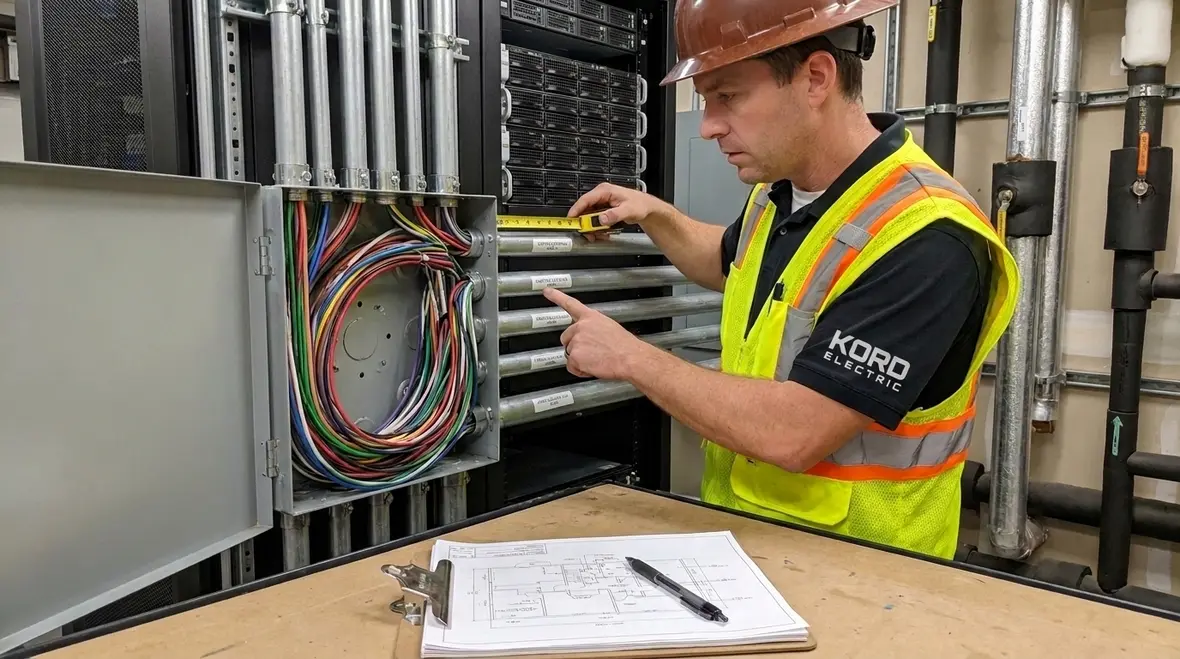
At Kord Electric, we routinely see raceway fills cause confusion, delays, and surprise costs, especially when teams move from “it fits” to “it complies.” In the first place, NFPA 70 Section 300.19 sets conductor count limits in raceways, and those limits matter when a raceway carries more than one conductor, more than one wire type, or more than one future plan. Even so, our goal stays simple: we help facility teams understand the NEC conductor count raceway limits so they can design, install, and inspect with confidence. Our technicians and expert service staff explain the rules in plain terms, because code language should not feel like a puzzle box. And no, it is not supposed to feel like a Netflix mystery with no ending.
What Section 300.19 is trying to prevent
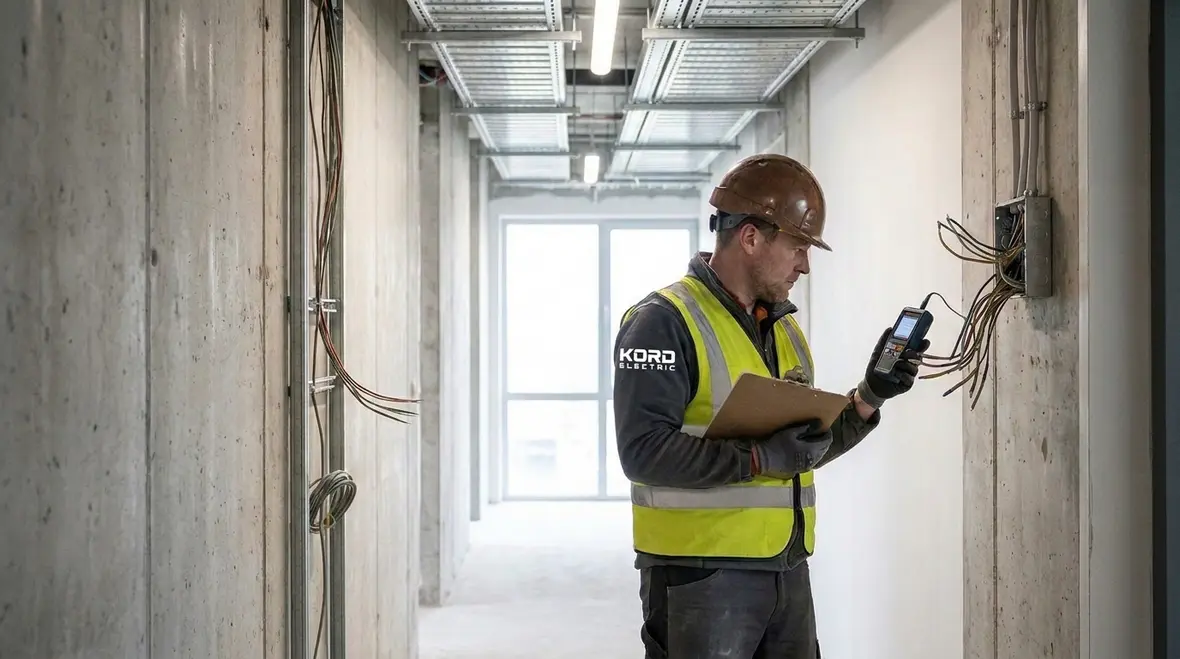
NFPA 70 Section 300.19 exists for a reason, and that reason is heat, space, and safe installation. When you cram too many conductors into a raceway, you reduce airflow, increase installation force, and raise the risk that insulation gets stressed over time. Furthermore, installers often underestimate how conductor jackets, insulation thickness, and bend requirements add up. As a result, inspectors look for more than paperwork. They look for evidence that the wiring method supports safe operation under real conditions.
In commercial and industrial facilities, those consequences can show up fast. A packed raceway can slow pulling, damage insulation during installation, and lead to rework that eats project schedules. Therefore, our expert service staff treat conductor count rules as a planning tool, not a last minute detail. When teams get it right, troubleshooting becomes less dramatic than a pop culture plot twist.
How NEC conductor count raceway limits are applied in real designs
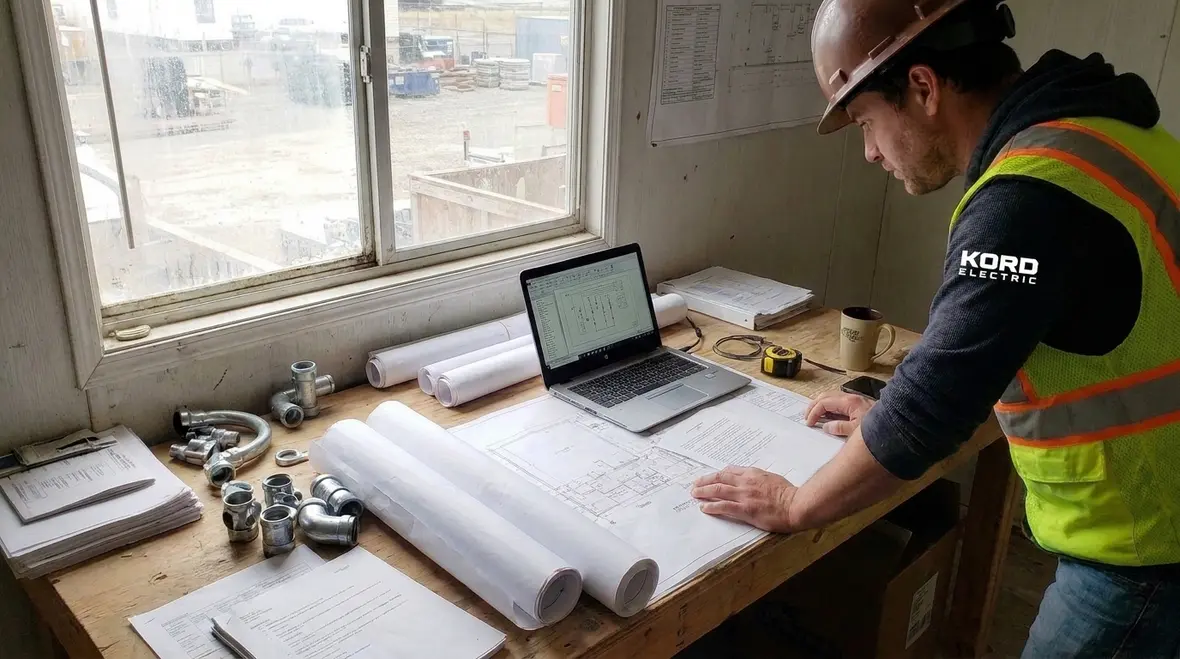
In practice, the NEC conductor count raceway limits require the designer and installer to match the raceway type, conductor size, and conductor arrangement to the allowed fill rules. However, Section 300.19 does not live in isolation. You still coordinate with related requirements that affect the whole wiring method. For that reason, Kord Electric starts with the project plan, then confirms the raceway type, conductor insulation, and intended conductor count before field work begins.
Next, we focus on the “count” approach that teams often misread. Conductor count rules affect how many conductors can sit in a raceway, and this changes based on whether the conductors share space as part of a complete wiring system. Moreover, conduit fill is not just about fitting. It also affects pull tension, ease of installation, and long term performance. When our technicians explain this to clients, they use a simple message: the raceway is a system, not a tube you win by brute force.
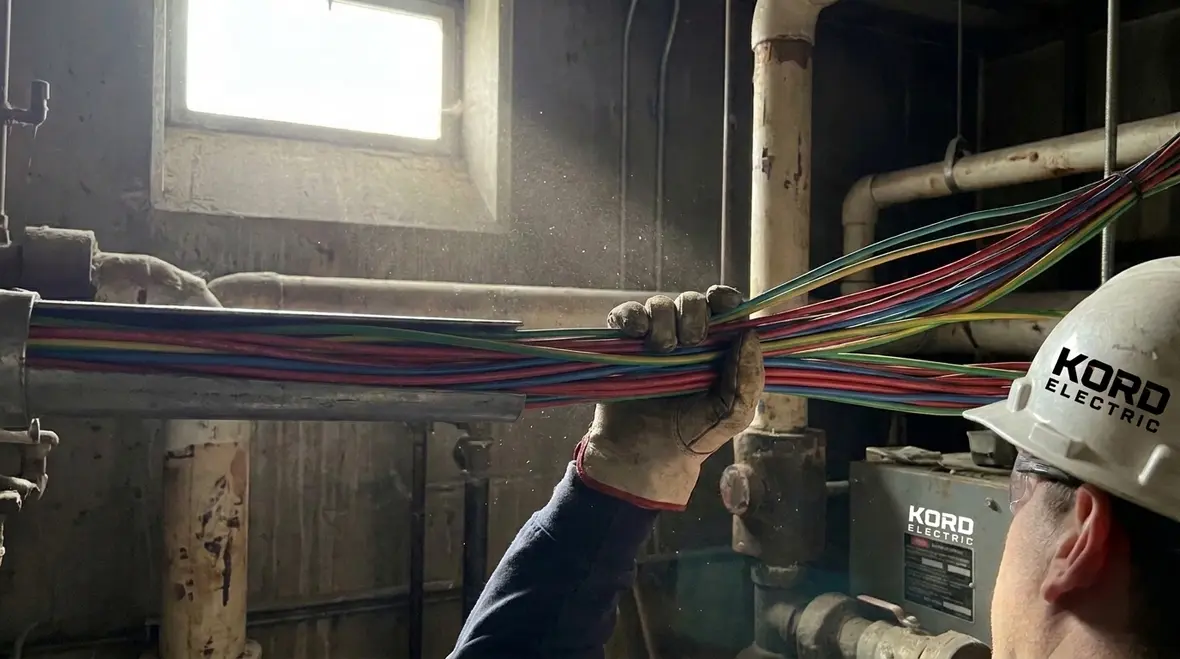
If a design includes spare conductors or future capacity, we encourage teams to treat those as real conductors for fill planning. Otherwise, later upgrades can force expensive retrofits because the physical capacity was never reserved. And unlike a gadget from a movie, raceways do not “expand on command.”
Common commercial and industrial wiring scenarios we see
Our service experience in commercial and industrial facilities shows a clear pattern. Teams often hit conductor count limits when they expand a building, add equipment, or reconfigure power distribution. Then the original raceway plan gets reused in ways it was never meant to handle. As you might expect, those situations become stressful because deadlines do not care about code steps.
Below are typical scenarios where NEC conductor count raceway limits come into play. We explain them in the order that helps planning teams make fewer mistakes.
- High density power distribution: Feeders and branch circuits share raceway space, and conductor size varies. The conductor count matters as much as the sizes.
- Controls and low voltage bundled with power: Teams sometimes assume separation solves everything, but raceway fill rules still apply to conductors inside the same raceway arrangement.
- Tenant improvements and phased construction: Phase one looks fine, then phase two adds conductors to the same run without recalculating fill.
- Generator and emergency systems coordination: When backup power paths get modified, conductor counts shift and the raceway capacity must be rechecked.
In each scenario, Kord Electric helps others avoid the classic mistake of “we will figure it out during pulling.” Pulling is where time goes to disappear. Therefore, we prefer to confirm the fill and count logic before the crews start pulling wire.
Step by step: how Kord Electric and our technicians verify raceway conductor limits
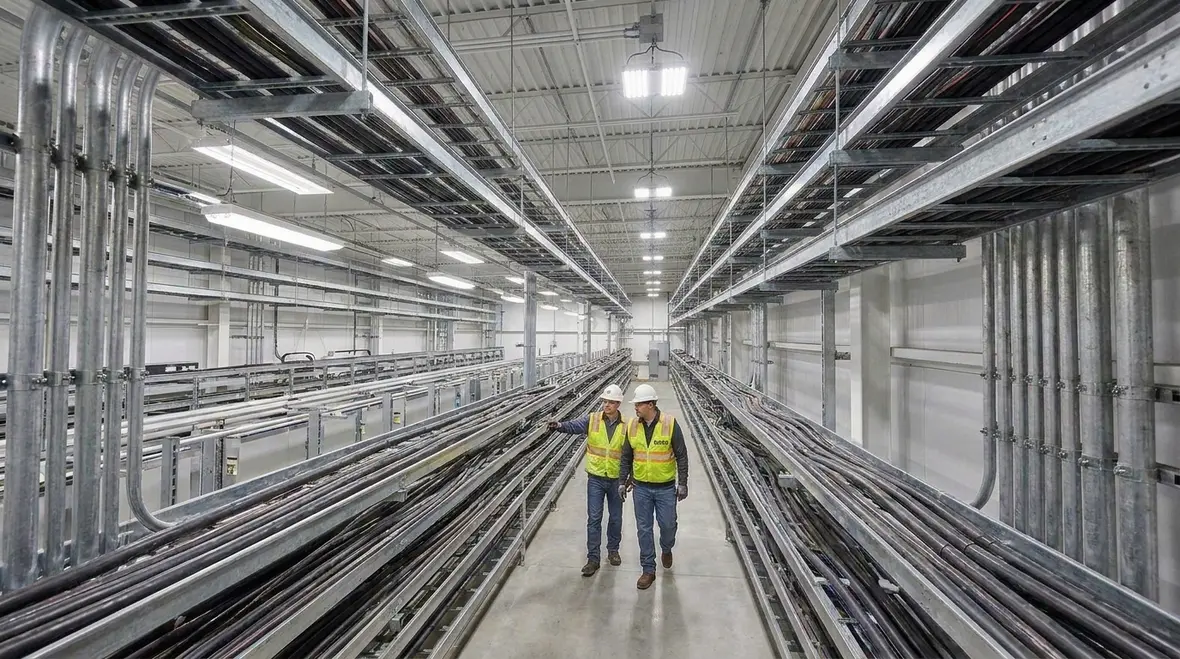
To keep projects smooth, we use a practical verification process. First, we identify the wiring method, raceway type, and the conductor set that must share the raceway. Then we confirm the conductor characteristics that influence fill, including size and insulation type. After that, we compare the conductor arrangement to the rules tied to conductor count and raceway fill capacity.
Next, we check installation feasibility. Even if the math looks acceptable, the field must still handle real bends, supports, and pulling conditions. As a result, our technicians review the route path and note where increased stress might occur. If there are tight turns, heavy conductor sets, or poor access, we adjust planning early. This reduces the chance of damaged insulation and the kind of rework that makes project managers stare at a spreadsheet like it owes them money.
Finally, we document the approach for inspection readiness. When the team can explain the logic clearly, inspections run faster and safer. Our expert service staff also help clients understand the why, not just the what, so the next project starts on stronger footing.
Where people misread Section 300.19 and how to correct it
When we review plans and existing installations, we often find the same misunderstandings. First, some teams treat conductor count as a rough guideline. But in code terms, it becomes a decision point. If the conductor count exceeds the permitted limits for the raceway arrangement, the design fails even if the conductors physically fit during a test pull.
Second, teams forget that raceway fill planning must support actual installation methods. For example, if the plan assumes ideal pulls but the route includes multiple tight bends, the installation could still become unsafe or impractical. Therefore, correct planning involves route review and installation method coordination.
Third, people confuse “available space” with “approved space.” A raceway run might look roomy in the ceiling cavity, yet the approved capacity still limits conductor counts. In commercial buildings, access is tight and crews work fast, which is precisely why planning must be exact.
To help others avoid these errors, we explain the NEC guidance in simple terms and provide clear coordination support for major property building teams. Kord Electric focuses on commercial and industrial facilities, where correct wiring design protects uptime and reduces risk.
Related code context that affects raceway fill decisions
Even though this article centers on NFPA 70 Section 300.19, the real world requires a broader view. The NEC connects conductor fill planning to broader safety and system performance requirements. Additionally, other NEC topics and related guidance influence how teams select raceway type, installation method, and conductor selection. That is why Kord Electric encourages clients to treat code compliance as a connected system, not a checklist.
For teams who want more background, Kord Electric and partner resources also highlight how the NEC is structured and how to apply the code across projects. We point clients to Kord Electric’s educational materials and related NEC content, because the best compliance starts with understanding how the code fits together.
- Kord Electric Blog: an overview of the NEC for the 2026 direction and how people should think about wiring rules. For a deeper primer, many facility teams start with Understanding NFPA 70: The National Electrical Code Explained for 2026, then apply those concepts to detailed topics like conductor count and raceway fill.
- Kord Fire resources: NEC and fire related code context that helps multi system facilities plan safer designs.
- Kord Fire and KordFire.com.au: broader learning paths for teams working in life safety and system integration.
- Fire pumps and systems context at Firepumps.org: helps facility teams connect electrical design decisions to system reliability goals.
When clients use these resources, they make fewer design mistakes, and our field teams see fewer “fix it later” requests.
FAQ: quick answers on conduit fill and conductor count
Get compliant raceway planning from Kord Electric
When your facility team needs dependable electrical work, we help you plan raceway conductor capacity before it becomes a field crisis. At Kord Electric, our technicians and expert service staff explain NFPA 70 Section 300.19 in practical terms, so your design stays safe and your installation stays on schedule. If you are working on a commercial or industrial property building and you want NEC conductor count raceway limits verified, contact us for an assessment. We will help you move forward with clarity, not guesswork.
For facilities in Southern California that need a hands-on partner, our Los Angeles County electrical services team supports design, installation, and troubleshooting for complex raceway layouts and code-driven upgrades. We coordinate conductor count planning with broader NEC topics, from branch circuit protection to equipment grounding and bonding, so your project connects cleanly to the rest of the electrical system.
If you also want to see how conductor count and raceway fill decisions sit inside the bigger NEC picture, resources like Understanding NFPA 70: The National Electrical Code Explained for 2026 make a strong companion read. Together, they help you see why details like Section 300.19 matter for long term reliability, not just inspection day.
When you are ready to review a new project, an expansion, or a tricky existing raceway run, bring us in early. We will help you turn “it fits” into “it complies,” and we will do it with documentation, coordination, and real-world experience that stands up under inspection lights and everyday operation.


