
NEC Instrument Case Grounding 2 kV 270.172
Kord Electric often gets asked how a facility should handle NEC instrument case grounding 2 kV when instrument transformers and protection equipment sit behind switchgear and control systems. In plain terms, we help commercial and industrial teams keep voltage measurement and protection devices safe, stable, and compliant. And yes, grounding can sound about as exciting as a tax audit. However, when we walk through NFPA 70 Section 270.172 with our technicians and expert service staff, the topic becomes clear fast, and the risks become harder to ignore.
In this article, we explain what NFPA 70 Section 270.172 requires, why instrument transformer cases need proper bonding, and how Kord Electric supports major property buildings with real-world installation guidance. We also share practical ways our team verifies details on site, so others do not guess and hope.
NFPA 70 Section 270.172, instrument transformer case grounding essentials
Instrument transformer case grounding essentials in real facilities
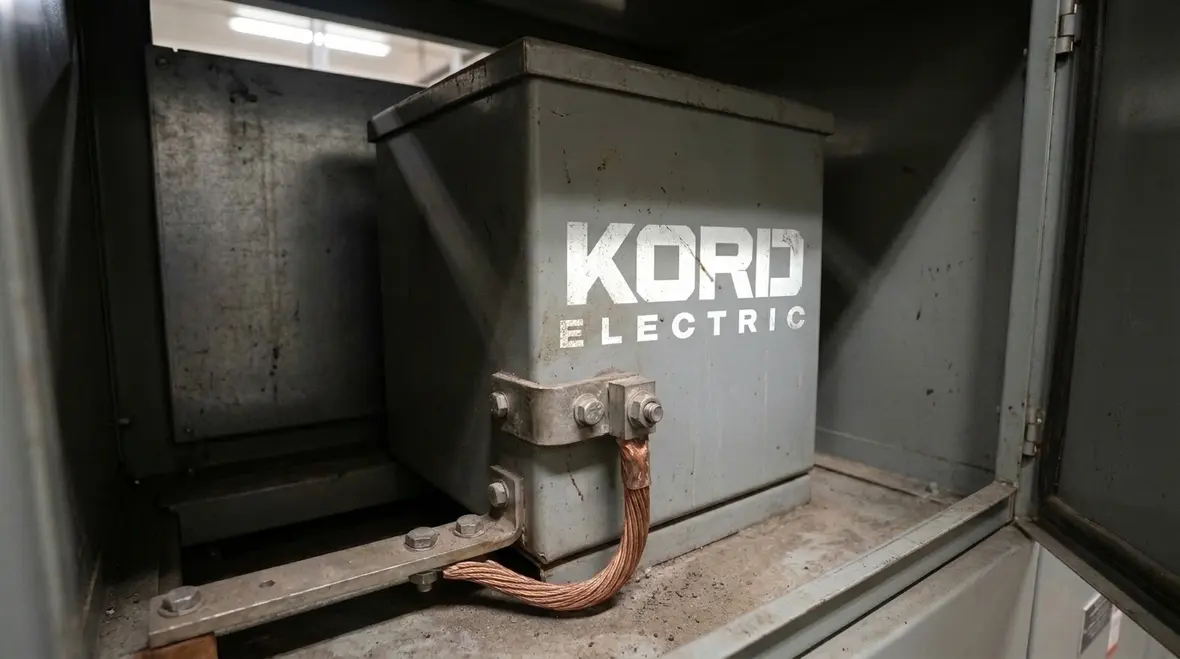
NFPA 70 Section 270.172 covers the grounding and bonding of instrument transformer cases. These cases are not decorative shells. They protect equipment, support wiring, and help limit shock and fault hazards when something goes wrong.
When a transformer case is not grounded correctly, a fault can leave exposed conductive parts at unsafe potential. As a result, the system can create a dangerous condition during a fault, maintenance event, or insulation failure. Then the control building staff might face the worst kind of surprise: the kind that shows up exactly when you need protection systems most.
Kord Electric focuses on commercial and industrial facilities and major property buildings. For those environments, our expert service staff treats grounding as a system issue, not a lone wiring task. We look at transformer location, metallic enclosures, bonding paths, and how the equipment interfaces with switchgear and control cabinets.
Because grounding and bonding rules tie back to the broader National Electrical Code, our technicians often connect Section 270.172 discussions with larger resources like Understanding NFPA 70: The National Electrical Code Explained for 2026. That way, facility teams see how a single section supports the entire protection strategy, not just one transformer case.
Why case grounding matters at 2 kV for measurement and protection
At around 2 kV class systems, measurement transformers and associated cases often live close to metal structures and other grounded components. Therefore, the grounding method must handle fault current paths and keep installed equipment stable during abnormal events.
Consider what the case does. It provides a mechanical barrier, but it also becomes a conductor path during faults if internal components fail. If the bonding connection is weak, missing, or routed poorly, the case may not remain at the intended reference potential. Consequently, operators may see nuisance trips, erratic metering, or damaged secondary circuits.
Our technicians explain it like this during field visits: grounding is the facility’s way of giving electricity a “safe return route.” It should work the first time, even if someone drops a wrench, a cable is nicked, or insulation ages faster than the manufacturer promised. Pop culture wisdom says “hope is not a strategy.” In electrical work, it really is not.
In commercial and industrial environments, that “safe return route” has to stay dependable through expansions and upgrades. As NFPA 70 cycles forward, we also align 2 kV grounding approaches with updated guidance from resources like Kord Electric’s code primers, so a case installed today is not quietly drifting away from tomorrow’s inspection expectations.
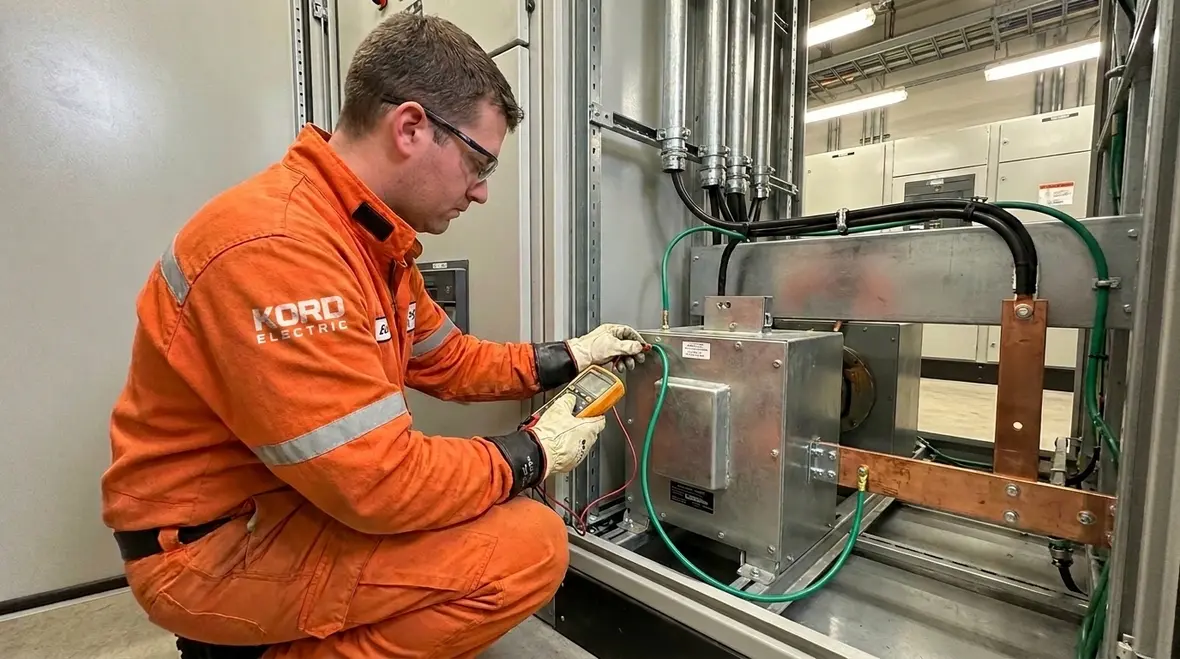
How Kord Electric technicians confirm bonding paths and continuity
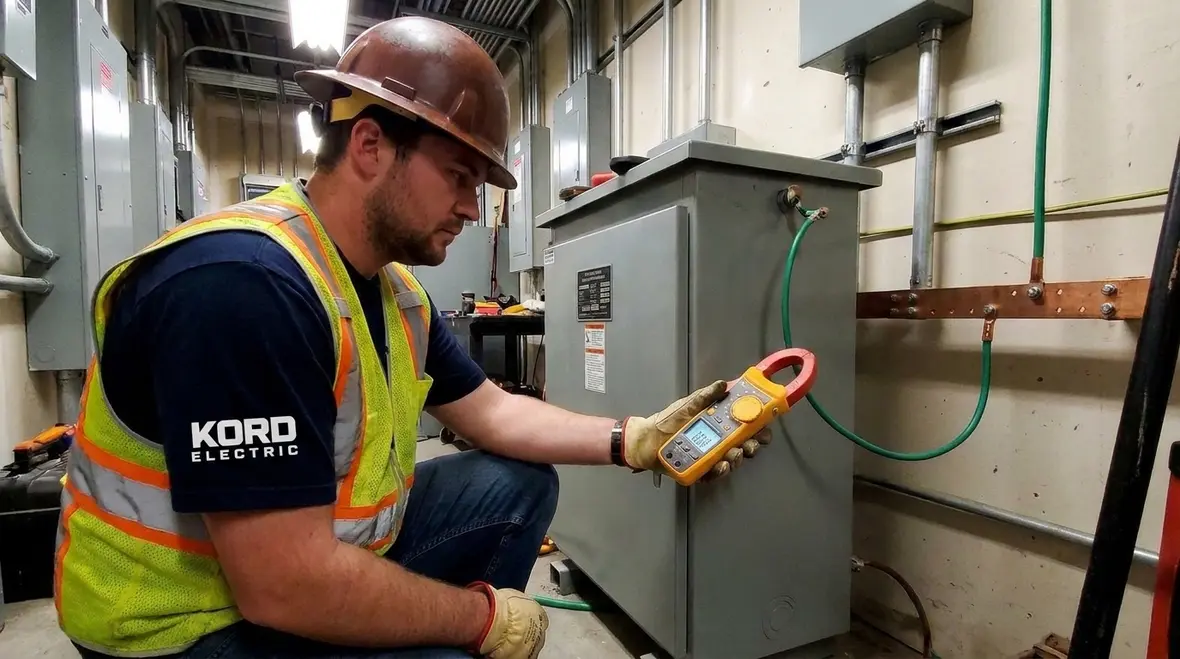
Proper NEC instrument case grounding 2 kV depends on more than tightening a lug. We verify that the bonding path works through the whole path, not just at one point. That means our team checks the enclosure interfaces, cable routing, and the actual contact quality where metal meets metal.
Here is how our expert service staff typically approaches the job in major property buildings and industrial sites:
- Inspect the equipment interfaces for proper bonding points, paint barriers, and correct mechanical fastening.
- Confirm conductor sizing and termination quality so the bonding path can handle fault conditions without becoming a restriction.
- Verify continuity between the instrument transformer case and the facility bonding system.
- Review routing and protection of bond conductors so they stay secure in normal operations and foreseeable maintenance.
Then we document what we find. In commercial and industrial environments, crews need repeatable verification, not one-time luck. Our process helps others understand what passed, what failed, and why we recommended a specific correction. That keeps everyone aligned, including operations teams and electrical contractors involved in the broader project.
Because grounding and bonding expectations intersect with other NEC topics, we often connect these field checks with higher-level reviews of grounding and bonding plans. Articles such as Kord Electric’s grounding and bonding overviews give facility leaders the context they need while our technicians handle the torque wrenches, meters, and test leads.
Common mistakes we see during instrument transformer upgrades
Upgrades often move fast. However, grounding shortcuts can turn a good project into a recurring headache. Our technicians have seen several patterns repeatedly, and we address them proactively.
First, bonding gets treated like an afterthought. A case might get connected “somehow,” but the path may not remain effective across enclosures, doors, and bolted connections. Next, crews sometimes rely on conduit alone, even when additional bonding is needed for stable reference and fault clearing.
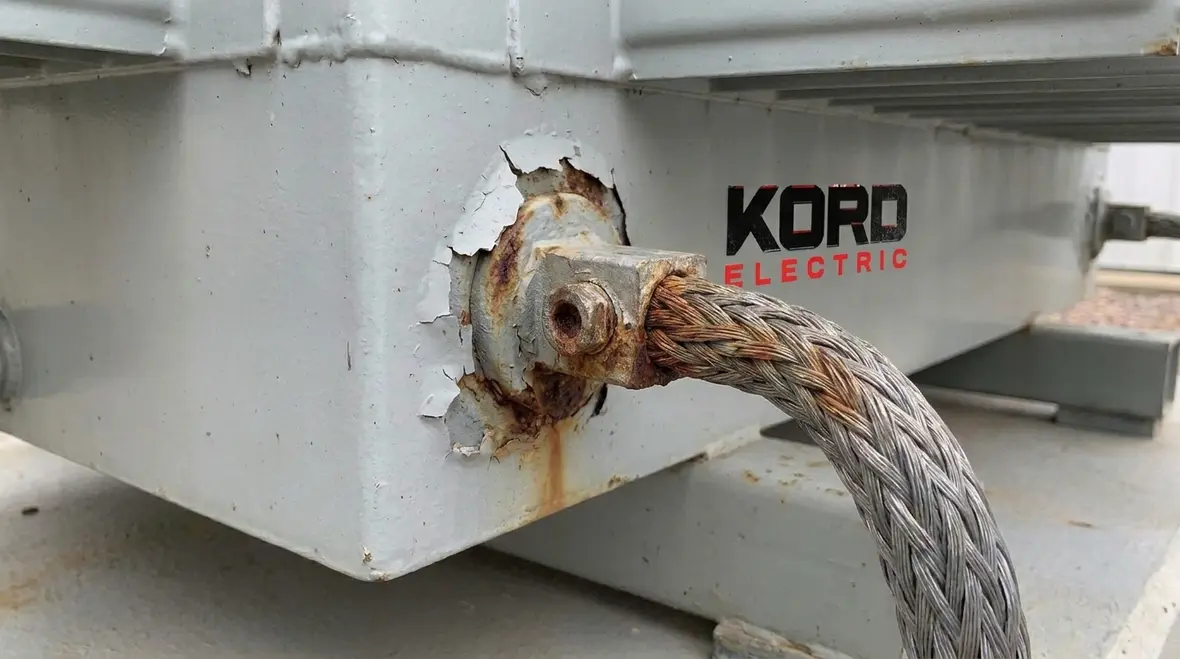
Another frequent issue involves coatings and corrosion. If paint or contamination interrupts metal contact, the bonding may fail under real conditions. Also, some teams route bonding conductors through awkward paths that create mechanical stress or damage risk.
Finally, people confuse “electrical continuity” with “intentional bonding.” Sure, a meter might show a connection today. Yet if the connection relies on fragile contact points, it can loosen over time. As a result, the case can drift away from the intended ground potential later.
Kord Electric focuses on commercial and industrial facilities because these mistakes can have bigger consequences there: more equipment, more interlocks, and higher expectations for reliability. We help others avoid turning grounding into a recurring maintenance line item, the way nobody wants a recurring sitcom plot in real life.
During upgrade planning, our teams often reference broader NEC discussion pieces alongside the specific case drawings. That combination helps facilities keep an eye on both the local details (washers, lugs, and paint) and the system-level impacts (fault clearing, measurement stability, and inspection results).
Grounding design coordination with switchgear and control systems
Instrumentation does not work in isolation. Instrument transformer cases connect into a bigger protection and metering ecosystem. Therefore, the facility needs consistent bonding strategies across switchgear, control cabinets, cable trays, and grounding electrode systems.
When our expert service staff supports a major property building, we coordinate how the instrument transformer case bonding ties into the equipment grounding conductor network. We also consider how the control circuits connect to secondary wiring and panels.
That coordination matters because improper case bonding can create unwanted current paths. It can also increase noise and interference that shows up in metering behavior. Consequently, you may see unstable readings even when the transformer appears mechanically fine.
In our experience, a clean design includes:
- Consistent grounding points for instrument cases within the same functional area of switchgear.
- Stable bonding connections across enclosures so fault current follows the intended path.
- Clear labeling and documentation so future maintenance keeps the bonding method intact.
We do not just install and walk away. We make sure others understand the reasoning behind the grounding approach. That way, when new teams arrive later, they do not “improve” the design in ways that break compliance or performance.
For facilities across Los Angeles County and surrounding regions, this coordination work often links directly with broader service engagements such as Los Angeles County electrical services. Grounding and bonding decisions touch feeders, panels, and emergency systems, so treating them as one integrated project keeps the whole installation steadier over time.
Related requirements and how we keep projects compliant
Section 270.172 supports a broader NEC framework that addresses grounding and bonding practices across electrical systems. While this article focuses on the instrument transformer case requirement, our team keeps projects aligned with the surrounding principles so installers do not miss related details.
Kord Electric references the NEC approach and practical execution that connect to real facility behavior. We also review how NFPA 70 concepts fit the equipment type and installation environment, especially in commercial and industrial settings where teams handle higher loads, more complex layouts, and stricter operating demands.
Because the facility world changes fast, we support projects that follow current code expectations and sound engineering practice. If you also need a general overview, others at Kord Fire and Kord Fire Australia resources often discuss NFPA 70 fundamentals in a way that helps teams understand the “why” behind safety rules. For fire and electrical coordination in critical environments, organizations sometimes also refer to resources like firepumps.org when they plan systems that must work reliably during emergencies.
Our role stays consistent: we help keep equipment grounded correctly, documented properly, and ready for inspections that matter.
For readers who want to zoom out beyond Section 270.172, Kord Electric’s library of NEC-focused guides, including the in-depth 2026 code explainer, offers a structured way to connect article-level rules with real-world planning, budgeting, and maintenance strategies.
Quick FAQ for instrument transformer case grounding
Call Kord Electric for grounding support on major projects
When we support commercial and industrial facilities, we treat instrument transformer case bonding as a safety system, not a checkbox. Our technicians and expert service staff verify bonding paths, termination quality, and continuity so your metering and protection stay dependable. If you are upgrading switchgear, commissioning a new major property building, or correcting inconsistent readings, contact Kord Electric. We will review your setup, explain the findings in plain terms, and help you move forward with confidence.
For teams planning broader NEC-driven upgrades, you can pair this kind of focused grounding work with Kord Electric’s other resources on NFPA 70 and with regional service offerings that cover everything from design reviews to final inspection support. That combination keeps instrument transformer case grounding aligned with distribution design, protective device settings, and the real way your building operates every day.
Whether your next project involves 2 kV measurement circuits behind switchgear, a complex control room rebuild, or a wider infrastructure refresh, Kord Electric is ready to connect code language, field conditions, and practical grounding strategies into one clear path forward.
If you are coordinating multiple upgrades or preparing for a more thorough NEC review, it can be helpful to revisit code overview resources alongside a site visit. Our crews translate Section 270.172 and related guidance into real decisions about hardware, routing, and documentation so your facility is not left interpreting the rulebook alone.


