
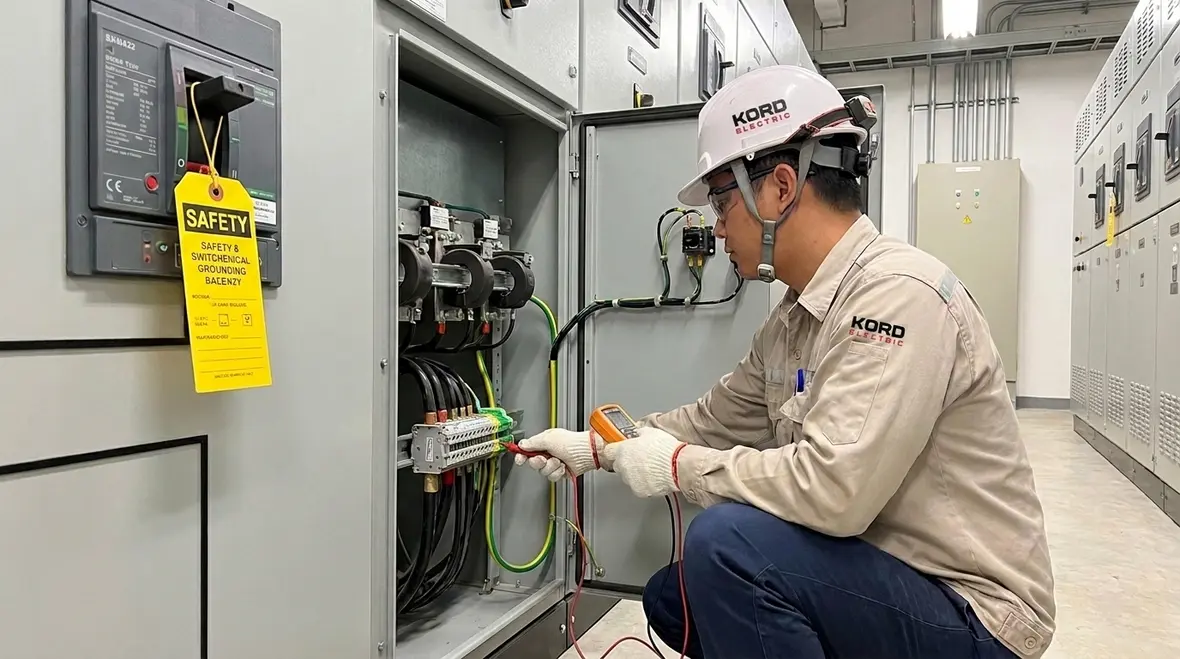
NFPA 70 270.178 and NEC Instrument EGC 2 kV
NFPA 70 270.178 and NEC instrument grounding in real life
In commercial and industrial facilities, we cannot treat high voltage like a hobby project. At Kord Electric, we focus on buildings where reliability matters, crews are on site, and electrical systems must stay safe under real operating stress. That is why we pay close attention to NFPA 70 Section 270.178 and how it guides instrument EGCs for high voltage systems.
In the field, we often work with NEC instrument EGC 2 kV and related grounding conductors that help keep measurement, protection, and control circuits stable. And yes, we explain this clearly to our technicians and expert service staff, because even the best code is useless if nobody can translate it into safe installation and testing.
Now, let’s slow down and make the rules feel less like a textbook and more like what actually goes on in a real switchgear room. The goal is simple: safe grounding, clean installs, and fewer “why is this tripping again” moments.
What the code expects from instrument EGCs
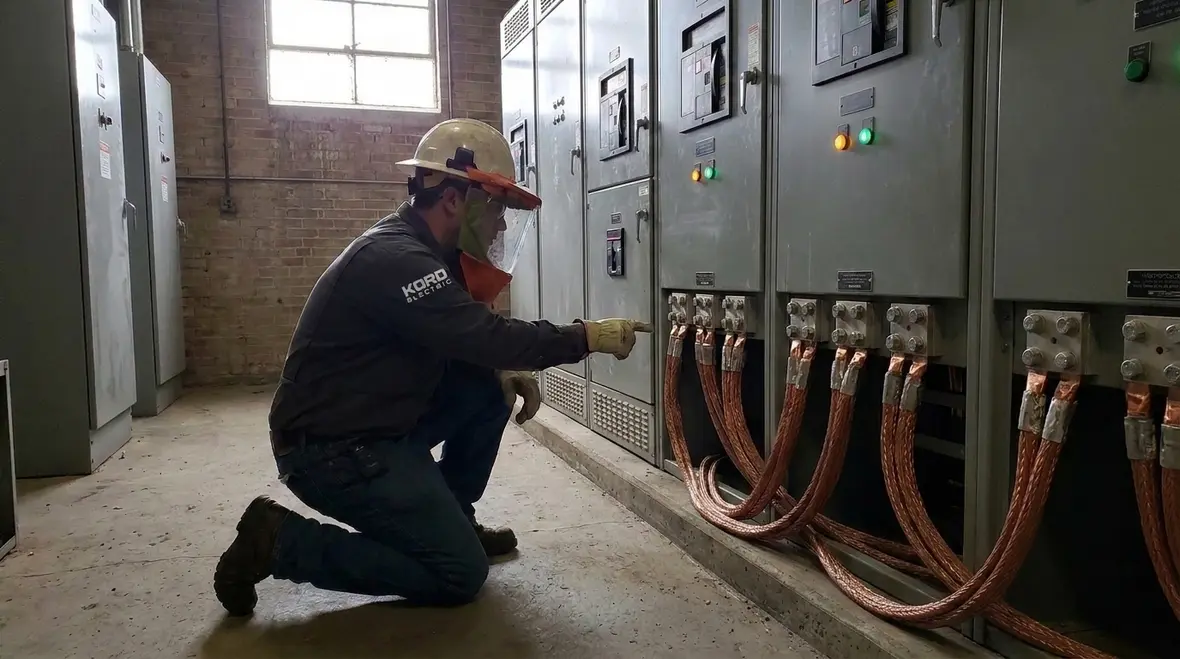
NFPA 70 Section 270.178 addresses how we ground instrument EGCs tied to high voltage systems. The central idea is that when instruments, metering, relays, or other control devices reference high voltage circuits, we need a solid equipment grounding path.
To put it plainly, when insulation fails, or when abnormal conditions appear, that grounding path gives fault current a predictable route. As a result, protective devices can operate, and exposed metal parts can stay at safer voltages.
In our commercial and industrial work, we see a pattern: the systems look fine during commissioning, but the grounding details reveal themselves later when vibration, moisture, thermal cycling, or minor construction changes occur. Therefore, we insist on installs that match the code’s intent, not just what “usually works.” For teams who want more background on how the National Electrical Code shapes these decisions, we often point them to our explainer, Understanding NFPA 70: The National Electrical Code Explained for 2026, as a bigger-picture reference.
How a grounding path supports metering, relays, and control
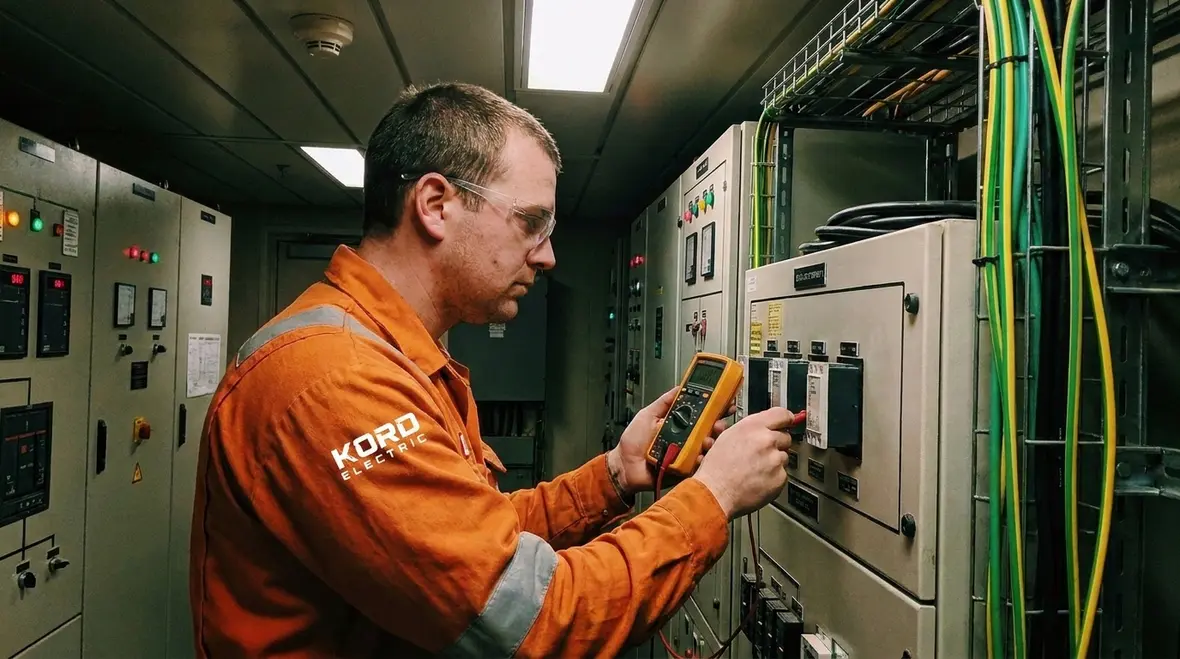
Many people think grounding only matters for safety, and that is true, but it also matters for performance. When instrument circuits connect to high voltage equipment, they must maintain stable references so readings stay accurate and protective logic behaves as designed.
For example, instrument transformers and related measurement circuits often feed devices that monitor current, voltage, and power quality. If the instrument grounding conductor is undersized, incorrectly connected, or routed in a way that creates unreliable contact, the measurement can drift. Then, we get alarms that look real but are partly caused by bad electrical reference behavior.
Meanwhile, relays and protective schemes depend on dependable signals. So, when grounding integrity slips, we sometimes see nuisance trips or missed conditions. Our expert service staff explains this with simple comparisons during site walkthroughs, because the fast route through a switchgear bay is not the safe route. Over time, this kind of training makes code language feel like a practical checklist instead of a rulebook that only shows up during audits.
NEC instrument EGC 2 kV: where it shows up in commercial systems
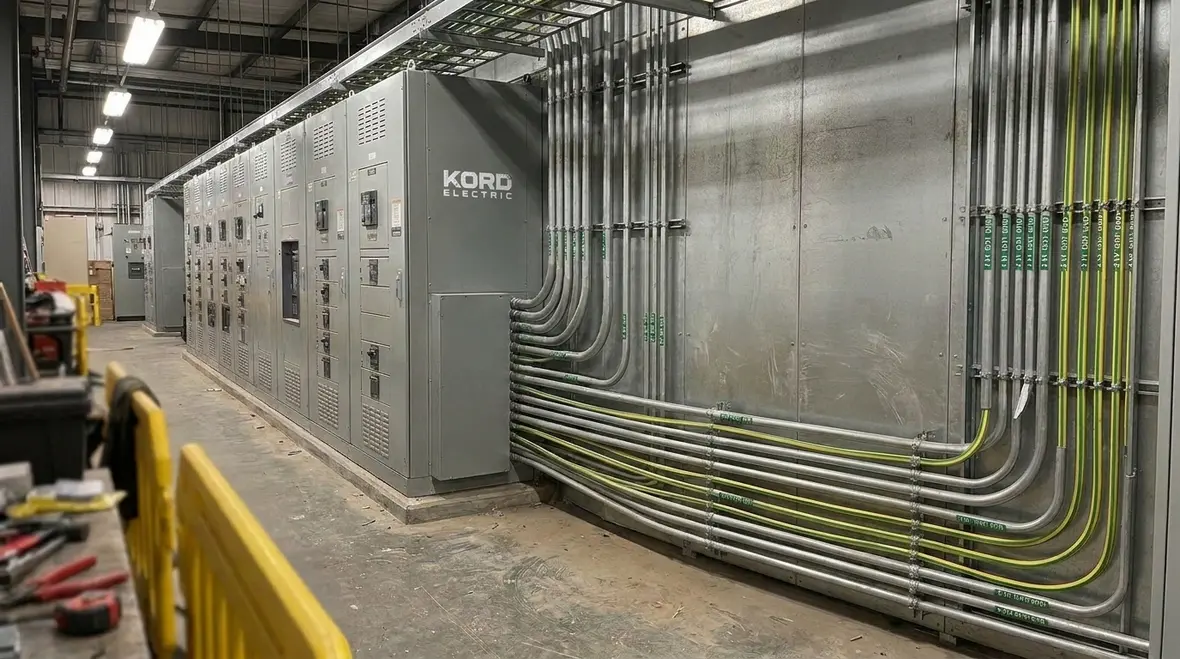
High voltage systems in commercial and industrial settings do not live in theory. They live in switchgear lineups, transformer compartments, motor control centers, generator interconnects, and distribution gear that powers major property operations.
That is where a NEC instrument EGC 2 kV concept often comes up. In practice, installers and facility teams need grounding conductors that match the voltage environment and the function of the instrument circuits. We also encounter common related language such as grounding conductors for instrument circuits and equipment grounding conductors rated for high voltage measurement systems.
To help our clients avoid confusion, we explain how these grounding conductors connect to equipment enclosures and instrument cases, and how the installation method affects continuity. Then, we document what we found and what we corrected, so the next service visit does not start from scratch. That documentation often lives alongside broader planning for emergency power and distribution design, the same way we coordinate in our work on emergency power for business continuity where clear records make the difference during real events.
And if you are thinking, “So it is just a wire, right?” we gently remind people that the wire is only half the story. The terminations, bonding points, routing, and testing plan are the other half. A sloppy splice can turn a whole system into a mystery novel.
Installation details that prevent weak points
Code language matters, but so do the hands-on steps. Therefore, we focus on details that cause failures in the real world, not just on paper.
1) Bonding quality at enclosures
We make sure instrument enclosures and relevant metallic parts connect with strong mechanical contact. When we see loose hardware, we fix it right away, because loose bonding can turn into heat, oxidation, and poor conductivity over time.
2) Routing that avoids damage
We guide routing practices that reduce strain, abrasion, and exposure to water paths. Additionally, we avoid routing that traps moisture or allows contact with sharp edges. You would be surprised how often “it was fine yesterday” becomes “it is arcing now.”
3) Continuity and termination verification
We verify continuity and we test as required by applicable procedures. Our technicians do not just install; they confirm. That difference saves time later, especially when facilities need uptime and cannot afford long outages.
4) Clear labeling and documentation
We document bonding points and conductor details for major property buildings, so future maintenance teams can follow the system without guesswork. In other words, we keep the next person out of the “Where did that ground go?” puzzle.
Common mistakes we see in high voltage instrument grounding
Mistake 1: Treating instrument grounding like general grounding
Instrument circuits that interface with high voltage systems require grounding that stays dependable under abnormal conditions. General shortcuts can lead to unreliable performance.
Mistake 2: Using the wrong connection strategy
Sometimes teams connect grounds, but they skip key bonding practices or use methods that degrade over time. In that case, the equipment might pass first inspection and then fail during later stress.
Mistake 3: Poor conductor support and physical protection
When conductors lack proper support, they can loosen at terminations. Then, vibration and thermal cycling do the rest. It is like leaving a pop quiz note on your desk and pretending it will not come due.
Mistake 4: Skipping proof checks
We do not rely on “it looks connected.” We confirm. When our expert service staff explains this, the message lands: a visible bond is not the same as verified bonding.
How Kord Electric supports NEC and NFPA compliance
We stay focused on one kind of work: commercial and industrial facilities and major property buildings. That scope shapes how we plan, install, service, and document. Instead of generic advice, we build systems that teams can operate safely and confidently.
Our approach combines field experience with careful code interpretation. When we review NFPA 70 requirements for instrument EGCs, we translate them into install steps that technicians can execute the same way every time. Then, we help facility teams understand what we did and why. For leaders looking at broader standards and fire protection interactions, we may also coordinate with guidance from our sister fire protection resources, so electrical design, grounding, and life safety systems move in the same direction.
For clients who want the broader picture of the NEC, we also point teams to our NEC explainers and related resources at Kord Electric, plus additional guidance from industry sources. Our goal stays steady: help you reduce risk, improve system behavior, and keep operations moving without surprises.
When facilities in Southern California need help applying these practices in real projects, we often start with services like our Los Angeles County electrical services, where grounding, bonding, and NEC alignment show up in everything from panel work to emergency system upgrades.
FAQ
Ready for a confident grounding plan?
If you run a commercial or industrial facility, you deserve grounding that holds up under real conditions, not just during inspection day. At Kord Electric, we work with your teams to review instrument grounding needs tied to NFPA 70 and the NEC, including high voltage instrument EGC requirements. Then we install, verify, and document so your systems stay safe and predictable. Call us to schedule a site review today, and let our technicians and expert service staff walk you through it like adults. No mystery, no guesswork.
If you want to go deeper on how the code shapes your broader electrical system beyond instrument EGCs, pair this discussion with resources like Kord Electric’s guide on understanding NFPA 70 for 2026 planning, then bring those questions to a site walk. We will tie the book knowledge back to the busway, panels, and switchgear standing in front of you.


