
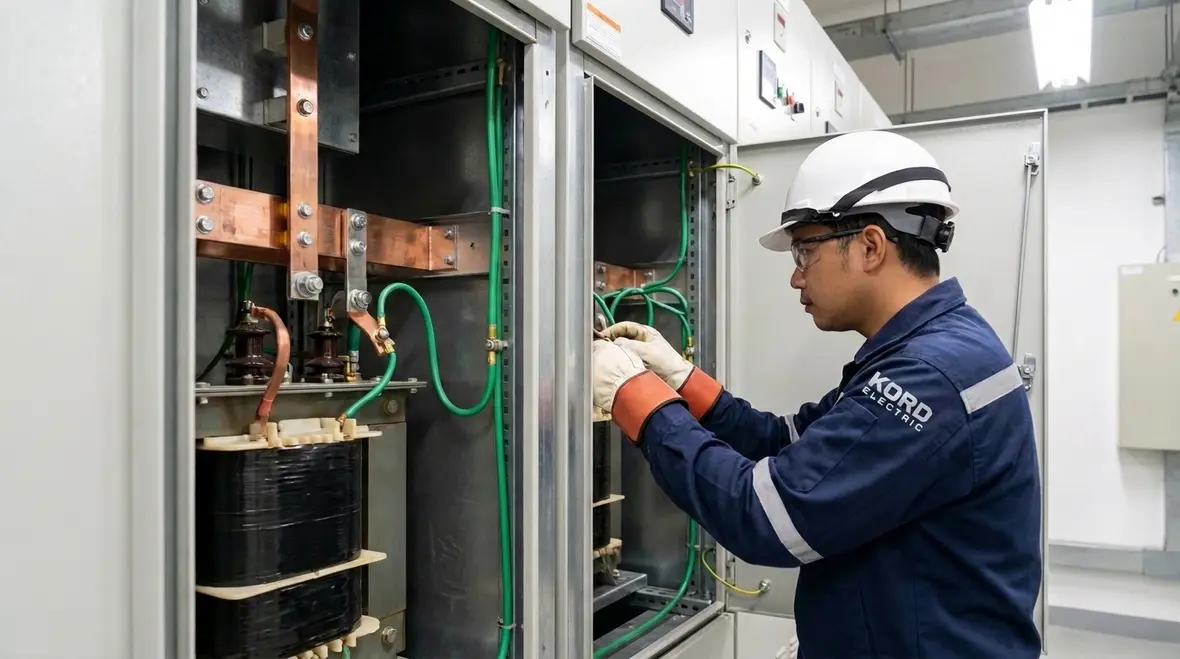
NEC Instrument Transformer 2 kV Grounding 270.170
Kord Electric works with commercial and industrial teams who need power systems that stay safe, code compliant, and ready for real life, not just a perfect diagram. In practice, that often starts with an NEC instrument transformer 2 kV system, where grounding decisions matter more than most people think. In this article, a third person team at Kord Electric explains NFPA 70 Section 270.170, specifically how to ground instrument transformers above 2 kV. And yes, our experienced technicians do not just point at the code and walk away. They slow down, explain what it means, and then verify the field setup so the system behaves the way it should.
NFPA 70 Section 270.170 and grounded instrument transformers above 2 kV
NFPA 70 Section 270.170 sets clear rules for grounding instrument transformers when the system voltage rises above 2 kV. In plain terms, these transformers feed measurements and control signals, so they must connect to ground in a way that protects people, equipment, and control circuits. If the grounding is wrong, then faults can create dangerous voltages on secondary circuits, misreadings can occur, and protective devices might not operate as intended.
At Kord Electric, our expert service staff treats this as a safety and reliability topic, not a paperwork topic. First, they identify what transformer type exists in the switchgear or metering lineup. Then, they confirm the voltage class, the intended use of the secondary circuits, and the available grounding points. Finally, they align the installation details with the grounding requirement described in 270.170. It sounds simple until someone tries to “make it work” with a loose connection that only survives until the next power disturbance. That is where we step in.
Why grounding instrument transformer secondaries protects commercial systems
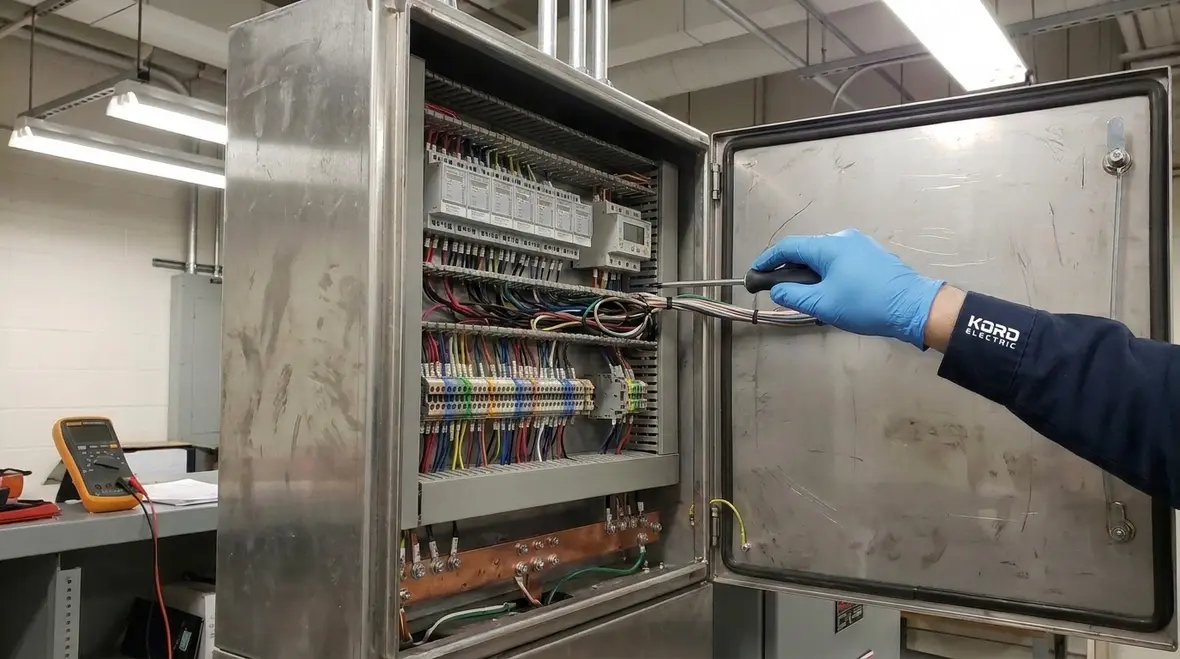
Commercial and industrial facilities deal with higher loads, tighter operating windows, and expensive equipment. Therefore, the grounding of an instrument transformer impacts more than safety. It also impacts measurement accuracy and fault response. When current transformers and potential transformers send signals to meters, relays, and protection panels, the secondary side must maintain a predictable reference to ground.
Meanwhile, faults happen at the worst times. A lightning event, a switchgear failure, or a phase to ground fault can push abnormal voltages through parts of the system. If the grounding method fails, then the secondary circuit may float. As a result, protective relays might see an incorrect zero point, and an alarm might look calm while the system quietly misbehaves.
That is why Kord Electric trains our technicians to treat grounding as part of the full protection chain. In addition, we verify cable shields, bonding, and termination practices so the measurement path does not become a surprise antenna.
How to apply the 270.170 grounding rule in the field
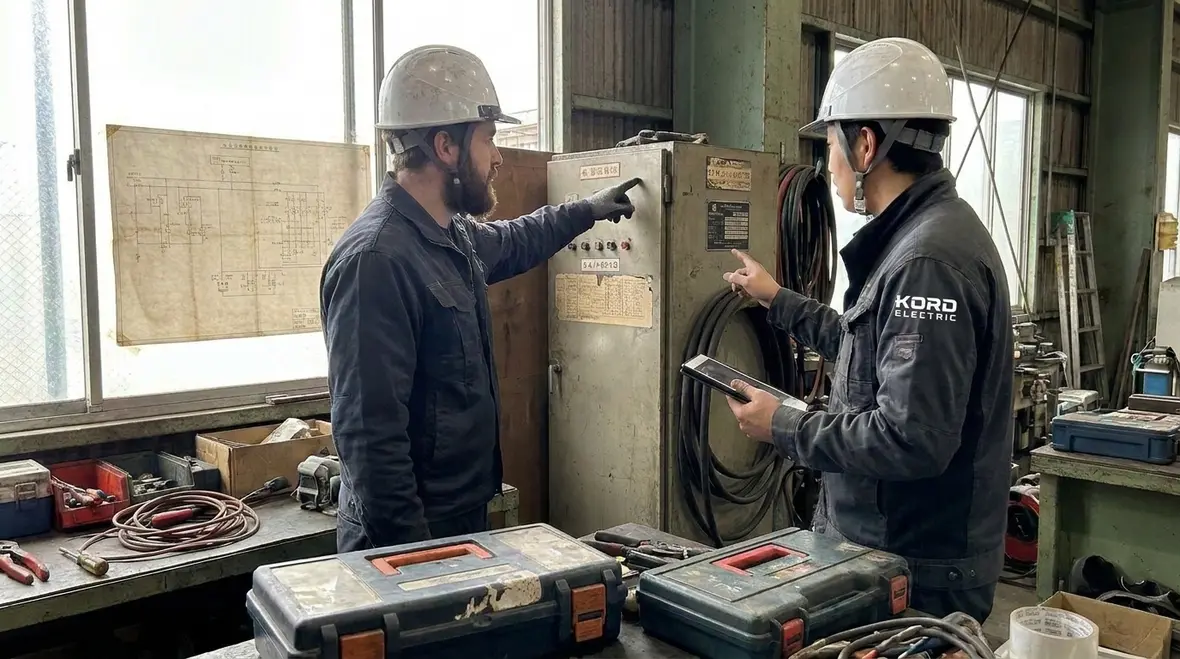
To apply Section 270.170 correctly, the field work must match the intent of the code. First, installers must determine that the instrument transformer is above the 2 kV threshold. Then, they must ground the transformer in a manner that meets the rule for the specific transformer configuration and system arrangement.
Our approach at Kord Electric follows a method that keeps teams moving. We start by reviewing the one line diagram and the transformer nameplate data. Next, we identify where the secondary circuits terminate, such as metering cabinets and protective relay panels. Then, we confirm how the transformer is bonded to the facility grounding system, including what the installer used for bonding and how the conductor route supports long term reliability.
Finally, we check the practical details that often get missed. For example, we verify that grounding conductors connect to approved grounding points and that terminations remain tight and corrosion resistant. We also confirm that someone did not break the continuity chain with a “temporary” method that lasted longer than the warranty period. That is not a joke. It just sounds funny when we say it, because we see it.
Coordination with protective relays and metering circuits
Grounding does not work alone. It coordinates with protective relays, metering, and any devices tied to the transformer secondaries. Therefore, when Kord Electric designs or upgrades an installation, we map the secondary circuit journey from transformer to terminal block to relay and meter. Then we confirm how the grounded reference affects the relay logic.
In many commercial and industrial facilities, operators rely on accurate load readings for billing, energy management, and demand planning. At the same time, maintenance teams rely on protection accuracy to reduce downtime. So, if grounding fails, the effects show up in multiple places. Protective relays may trip during transient events, or they might refuse to trip when they should. Meanwhile, metering could show odd values, which pushes engineers to chase phantom faults.
To prevent that cycle, our expert service staff explains grounding impacts in a way that teams can use. They show how the grounded reference supports proper relay operation and how the wiring practices keep noise from corrupting signals. And yes, we keep it business casual, because nobody wants a code lesson delivered like a lecture hall. They want a safe system, and we help them get there.
Common mistakes that show up around instrument transformer 2 kV systems
Even careful teams can slip when they move fast. Kord Electric frequently finds recurring mistakes during field audits and commissioning support. First, some installers bond the transformer incorrectly, assuming that any ground connection works. However, the grounding method must support the rule in 270.170 and the system design intent.
Second, teams sometimes neglect proper bonding of the secondary circuit enclosures and shields. As a result, stray currents and induced noise interfere with measurements and relay inputs. Then, operators blame the transformer, when the issue came from grounding and bonding details.
Third, crews may mix grounding practices across different panels. For instance, one cabinet gets a solid bond, while another relies on a questionable link. That creates uneven reference points. Therefore, protective performance becomes inconsistent during disturbances.
Lastly, documentation can lag behind the actual build. If the as built drawings do not match how the grounding conductors connect, then troubleshooting becomes slow. Kord Electric helps teams fix that gap by documenting the verified method and explaining it to the facility staff so the next service call does not start from scratch.
Verification steps Kord Electric uses before startup
When Kord Electric supports a facility, verification does not end at visual inspection. Instead, we combine code aligned checks with practical electrical verification to confirm the grounding scheme supports safe operation. Our technicians focus on both the big items and the small ones.
First, we confirm the installed grounding conductor route and size for the instrument transformer setup. Then, we verify bonding points, tightness, and continuity. After that, we check termination quality at the transformer and at the secondary terminal blocks and panels.
Next, we verify that enclosures and cable shields connect properly, which helps control electrical noise. Then, we coordinate with relay settings and metering connections so the grounded reference matches the protection design. Finally, we communicate results to the team so others understand what was verified and why it matters for ongoing operations.
In other words, we do not just “pass” the job. We make sure the job stays correct when reality arrives, because it always arrives. It might arrive as a planned outage, a load change, or a short duration fault. Either way, the grounding method holds.
Code context: how the NEC instrument transformer rules connect to broader safety
NFPA 70 sits inside a larger safety picture. Kord Electric also helps clients understand how grounded systems, bonding practices, and equipment protection work together in a full facility approach. That is one reason we reference related NEC guidance in our project planning, especially when teams handle switchgear, metering, and protection systems in one electrical room. And because many projects include other compliance needs, we align the electrical grounding work with the facility’s fire and life safety objectives through coordination with appropriate partners.
For teams who need quick context, Kord Electric’s related resources also explain how the National Electrical Code supports safe installation and how teams can avoid gaps between design and field execution. Our blog covers topics ranging from branch circuit overcurrent protection and feeder diagram requirements to practical guides on understanding NFPA 70, the National Electrical Code explained for 2026, helping facility staff see how NEC instrument transformer 2 kV decisions fit into the wider safety picture.
Meanwhile, partners at Kord Fire and related organizations focus on ensuring electrical safety decisions connect with real fire protection planning. The goal stays the same: reduce risk, avoid downtime, and keep critical systems dependable.
FAQ
Conclusion and call to action
Kord Electric helps commercial and industrial facilities apply NFPA 70 Section 270.170 with confidence, especially when instrument transformers work above 2 kV. Our technicians and expert service staff explain the “why” behind grounding decisions, then verify the field installation so metering and protective relays perform correctly. If your team plans an upgrade, commissioning, or an audit of an existing NEC instrument transformer 2 kV system, contact Kord Electric. We will walk through the setup, confirm compliance, and keep your power system steady when conditions get real.
For facility teams in Southern California, our Los Angeles County electrical services support commercial and industrial projects that need grounded, code aligned work on everything from instrument transformers and switchgear to preventive maintenance and surge protection. When you combine that service with clear NEC guidance from our blog, you get a grounded system, a grounded plan, and a partner who stays with you past energization day.


