

NEC Load Calculation Methods Explained by Kord Electric
At Kord Electric, we approach NEC load calculation methods explained the way NFPA 70 Section 120.5 intends: we start by choosing a load calculation method that fits the facility’s use, then we document how we sized the conductors and overcurrent protection. In the field, this matters because a good estimate stops you from overspending on equipment, while a cautious one prevents the “surprise” failures that show up after move in, when everyone suddenly finds time to panic.
Others may rush the math. We do not. Instead, our technicians and expert service staff walk through the process in plain language, because electrical calculations should not feel like a mystery novel. And yes, we know pop culture says “wing it” is heroic. In commercial and industrial facilities, winging it usually ends in paperwork.
NFPA 70 Section 120.5 sets the rules for load sizing
NFPA 70 Section 120.5 lays out how a designer or electrical contractor should perform load calculations. It does not just ask for a number. It asks for a method that reflects the actual reality inside a building: equipment type, operating patterns, and the way loads combine.
Most importantly, Section 120.5 supports safe decision making by pushing users toward recognized calculation approaches rather than guessing. Therefore, when our team at Kord Electric evaluates a site, we treat load calculation as a disciplined workflow. First, we confirm the facility type and operating conditions. Next, we identify the connected load categories. Then, we apply the proper calculation steps to determine demand loads and feeder sizing logic.
In other words, we build a load picture that holds up under inspection and holds up under real use.

How we choose the right NEC load calculation methods explained
When a project involves offices, warehouses, manufacturing lines, or major property buildings, the load profile changes from floor to floor and from hour to hour. So we do not pick a method based on convenience. Instead, we pick based on the rules that fit the building and the equipment.
During our planning stage, our expert service staff reviews the facility’s electrical single line, equipment schedules, and any utility requirements. Then we select the most suitable approach consistent with NEC demand and calculation guidance.
Here is how this plays out in practical terms.
- We group loads by function, like lighting, receptacles, motors, and appliances, so the math matches how the building actually runs.
- We apply diversity and demand where permitted, so the service rating and feeders do not become oversized “just in case” purchases.
- We account for continuous and non continuous duty, because some equipment carries the daily weight while other equipment spikes only at start up.
And if it sounds like we are taking this seriously, that is because we are. Load calculations affect conductor ampacity, breaker sizing, and the entire upstream design. One small shortcut can ripple into bigger changes later, and nobody enjoys redesign meetings that happen after demolition.

Demand, diversity, and why buildings do not load like calculators
Load calculation methods only work when they represent how a building behaves. A commercial tenant space can look steady, but it may carry intermittent loads from HVAC cycles, kitchen equipment, production tasks, or security systems. Meanwhile, industrial facilities can shift during shifts and change output as operations scale.
So we translate equipment information into a demand concept. We also consider diversity, meaning not every device runs at full capacity at the same time. In addition, we consider start up currents for motors and the effect of multiple motors starting in the same period.
Our technicians handle this with careful cross checks. Therefore, we compare what the calculation predicts to what the site’s operating schedule indicates. When the numbers feel off, we do not “hope.” We verify data, review nameplate ratings, and clarify control sequences and typical duty cycles.
It is like rehearsing a play. The script matters, but the actors still have to hit the marks.
Lighting and receptacles: the part everyone underestimates
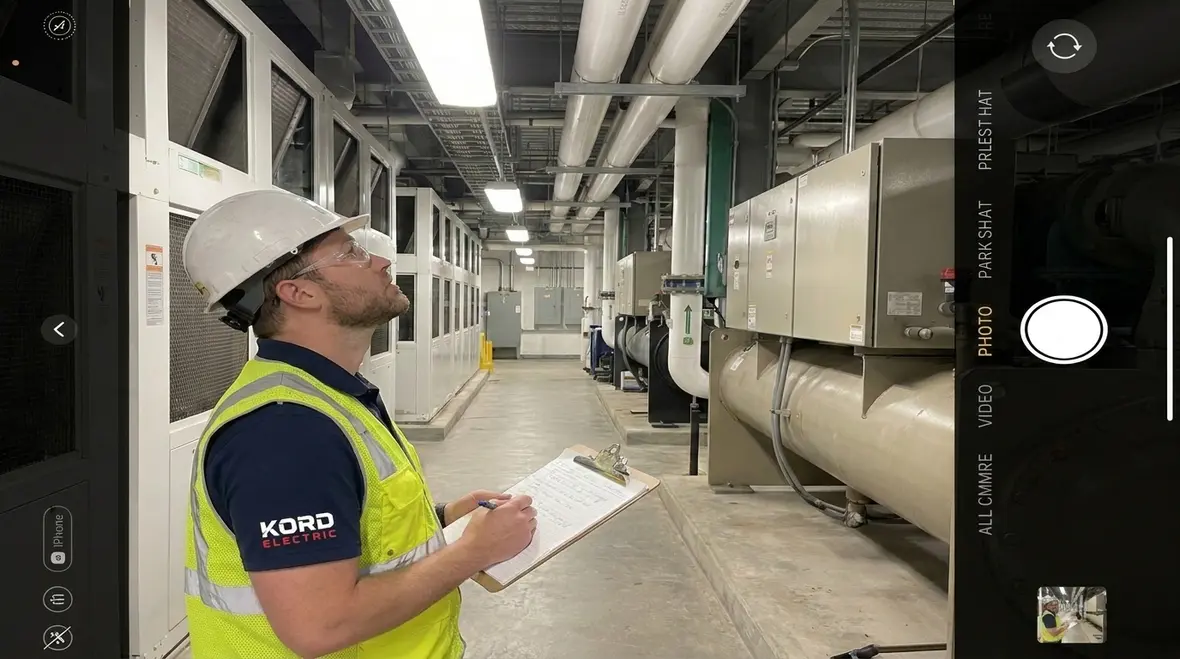
Lighting and receptacle loads often get treated as routine. However, in commercial and industrial facilities, the routing, zoning, and control layout can change the effective load picture.
We start by confirming fixture counts, wattage, and control method. Then we map receptacle circuits by area and intended use, because a manufacturing floor is not a café, even if the break room looks similar. After that, we evaluate how loads distribute across the building. That distribution influences feeder demands and upstream service capacity.
When a project involves major property buildings, common area circuits, parking structures, and life safety related loads add complexity. So we build the calculation carefully, and we keep our reasoning documented for reviewers.
From our experience, this is where good teams win. If the early stages get messy, the design team later pays for it. Nobody wants to pay twice, unless it is for premium coffee, and even then, only sometimes.
Motors and equipment loads: the real heat, the real risk
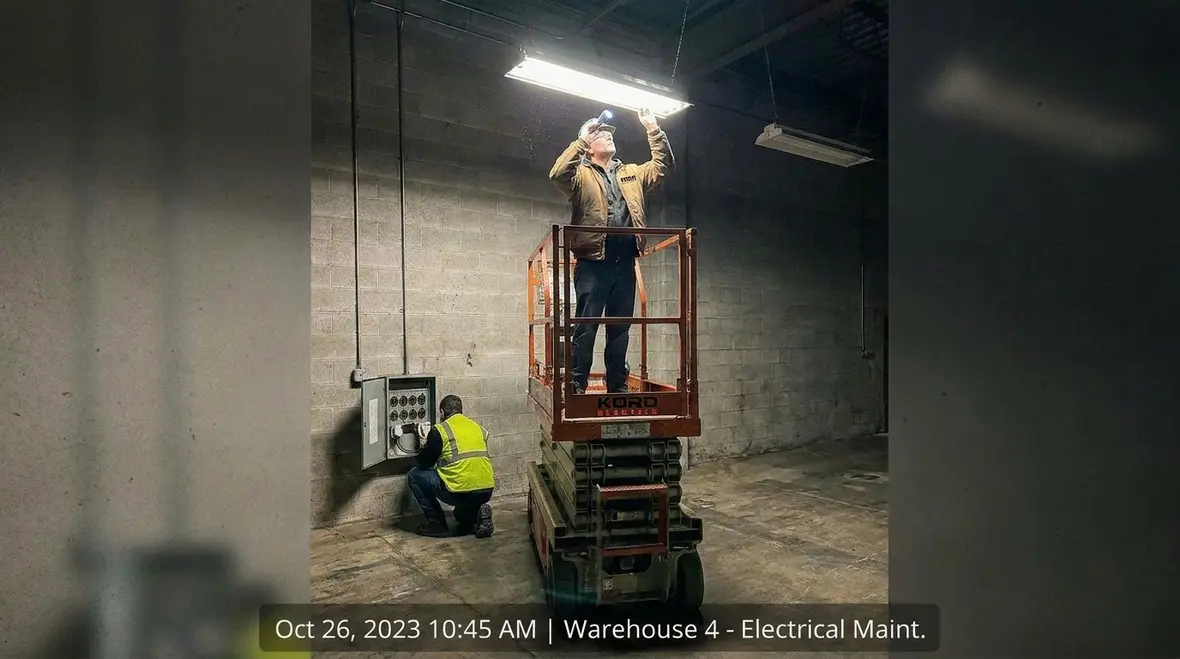
Motors and motor driven equipment introduce factors that static loads do not. Start up current, locked rotor conditions, and duty type can reshape how you size conductors and protective devices. Because of that, we treat motor load calculation as a distinct phase rather than an afterthought.
Our technicians and expert service staff review motor nameplate data and verify horsepower, voltage, efficiency, and full load current where available. We also evaluate whether motors operate continuously, intermittently, or only during certain production steps.
Then we apply NEC demand and load logic in a way that respects those operating patterns. As a result, the final design avoids both extremes: undersizing that threatens safety and uptime, or oversizing that inflates cost and complicates installation.
For many facilities, this is also where coordination with fire and life safety design becomes essential. When circuits support smoke control, fire pumps, or emergency loads, the load picture connects to the whole emergency system strategy.
For readers who want to look deeper into fire and code context, external resources provide helpful background materials on fire pumps, while industry partners such as Kord Fire share practical NEC related discussions that our service teams often reference during planning. You can also pair this article with our related Kord Electric blog resource Understanding NFPA 70: The National Electrical Code Explained for 2026 to see how broader code themes connect to load decisions.
Documentation and field coordination keep the project clean
Load calculations are not only numbers. They are evidence. During design reviews and inspections, we provide a clear trail showing where the connected load came from and how we arrived at demand values.
At Kord Electric, we document key steps, including circuit grouping decisions, equipment data sources, and the calculation basis used for each load category. Then we coordinate results with our electrical drawings and equipment schedules.
This is also the stage where we align with real field conditions. For commercial and industrial work, conduit runs, voltage drops, panel schedules, and future expansions often affect whether the final system performs as intended. Therefore, we confirm that the load calculations match the electrical distribution plan, not just the spreadsheet.
We also keep communication open with property managers and facility leads, because they understand how the building operates better than anyone who only visits it once. In many cases, those conversations prevent costly surprises during commissioning.
Why this matters for commercial and industrial safety and cost
When we apply NFPA 70 guidance through NEC calculation logic, we protect safety first. Yet we also protect budgets. Overly cautious designs can force bigger service equipment, larger feeder sizes, and more expensive switchgear. Conversely, an underestimation can create overheating risk, nuisance trips, and equipment wear that shortens service life.
In commercial and industrial environments, the cost of downtime can dwarf the cost of a careful calculation. So we design for reliability. We also design to reduce change orders, because those rarely arrive with a friendly smile.
That is why our company culture emphasizes learning and clarity. Our technicians do not just “calculate.” They explain. And our expert service staff takes the time to help others understand the decisions, so the design stays aligned through installation and testing.
For facility leaders who want to connect these decisions with broader planning, our other Kord Electric resources on NFPA 70 and NEC application, such as scope and wiring fundamentals, can help tie code intent to real world project choices across a full electrical infrastructure upgrade.
When these calculations feed into upgrades or expansions, many commercial and industrial clients also review how the work fits into our broader Los Angeles County electrical services for commercial and industrial buildings, so load decisions stay aligned with permitting, inspections, and long term reliability goals.
FAQ
CTA: Let our team size it right before the project locks in
If you plan electrical work for a commercial or industrial facility, do not wait until the last meeting to question your load sizing. Kord Electric helps property owners, engineers, and electrical contractors build NEC compliant designs using the NEC load calculation methods explained in a practical way that protects safety and controls cost. Contact us to review your load data, confirm the calculation basis, and keep your design aligned from drawings through commissioning. We will explain it clearly, then we will make it work.
When you are ready to move from calculations on paper to a field-ready plan, our team can also connect these steps with related commercial services, from infrastructure assessments and distribution upgrades to troubleshooting common post installation issues. That way, the same care that went into the math shows up in the installation, commissioning, and long term operation of your electrical system.


