
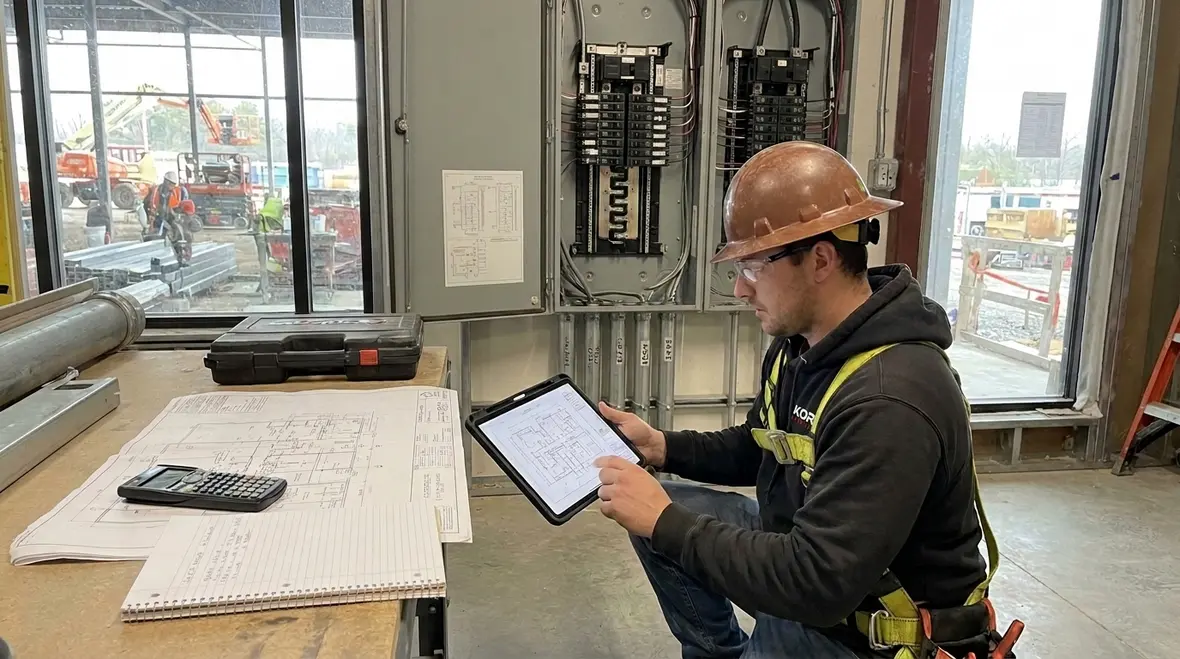
NFPA 70 Section 120.4 NEC Specific Purpose Load Calculations
NFPA 70 Section 120.4 and NEC specific purpose load calculations for commercial and industrial builds
At Kord Electric, we help commercial and industrial facilities build dependable electrical systems by using NEC specific purpose load calculations as a disciplined starting point. In the first place, NFPA 70 Section 120.4 focuses on how engineers and electricians handle specific purpose loads so the math matches real-world equipment and real-world operations. Next, our approach makes sure the totals drive the right equipment sizing, panel planning, and coordination. And yes, we know electrical calculations can feel like a video game where the boss never stops moving, but our technicians slow it down, explain it clearly, and keep the process grounded in the code.
Third, we use plain explanations and jobsite context. Therefore, owners and facility teams can make smarter decisions before installation, not after a costly surprise. Finally, this guide walks through Section 120.4, how it ties to the NEC, and how our expert service staff documents the logic so nobody has to guess later.
What Section 120.4 actually requires for specific-purpose load math

NFPA 70 Section 120.4 does not treat every load like it is the same. Instead, it tells you how to apply calculations when loads serve a specific purpose, like certain types of equipment that do not behave like everyday lighting and plug loads. In practice, this means a facility does not just add everything and hope for the best.
For commercial and industrial facilities, this matters because duty cycles, starting currents, and operating modes can change the demand picture. Consequently, Section 120.4 pushes the design toward a more accurate representation of how the system runs under load. Moreover, it encourages consistency. So when we design, estimate, and verify, we can trace how the numbers connect to actual equipment.
Our technicians also explain the “why” in a way that teams can use. When they talk through the calculations, they connect the code logic to the job. That reduces handoffs where the details get lost, and it helps others review the plan without opening a thousand tabs in their brain.
How Kord Electric treats load diversity and planning without guesswork

In the real world, not every motor starts at the same time, not every process runs at full speed, and not every area draws peak power every minute. Therefore, electrical planning must consider diversity. Yet diversity should not turn into a blind assumption. Instead, we align diversity choices with the NEC rules that apply to the specific purpose of each load.
When Kord Electric performs NEC specific purpose load calculations, we look for the categories that the code treats differently. Then we apply the correct method, based on the equipment purpose and the system arrangement. As a result, the load schedule reflects how the facility operates, not how someone wishes it operated in a perfect world.
And let us be honest, perfect worlds do not exist. Buildings are messy, operations shift, tenants expand, and processes evolve. However, if the design begins with accurate specific purpose load planning, the building can adapt more safely. That is the calm part: good foundations keep later changes from becoming “surprise remodeling.”
Common commercial equipment where specific purpose rules matter most
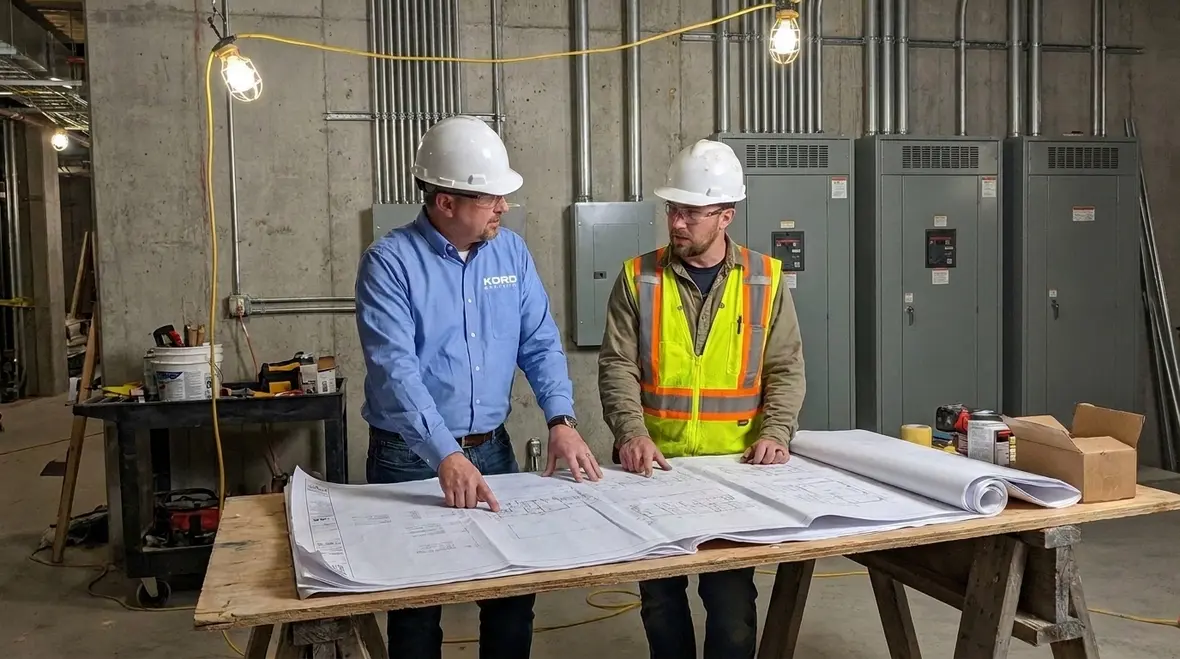
Some loads behave like normal loads, and others behave like you just told a forklift to “chill.” Specific purpose rules matter most when a load has a known role, a defined operating pattern, or unique electrical characteristics.
- Motors and process equipment where start behavior and duty cycle can push the demand picture
- Lighting systems where code assumptions influence how design totals get formed
- Heating, ventilation, and similar building systems that follow control logic and run modes
- Specialty loads used in major property buildings that drive power needs beyond typical everyday use
- Systems with clear operating intent where “specific purpose” means the equipment serves a defined function in the facility
Next, we do not treat these items as a one-size-fits-all add-on. Instead, we sort the equipment by purpose, then apply the NEC method that matches that purpose. After that, we document the calculation path so project teams can review it. Therefore, when someone asks, “Why is this feeder sized this way,” the answer does not rely on memory or vibes.
Our service staff also helps with the follow-through. They explain how the load totals connect to equipment selection, overcurrent protection planning, and coordination. And yes, sometimes someone cracks a joke about transformers being “moody.” We let them. Then we show the math, and the mood usually improves.
Documented calculations that survive plan review and field reality
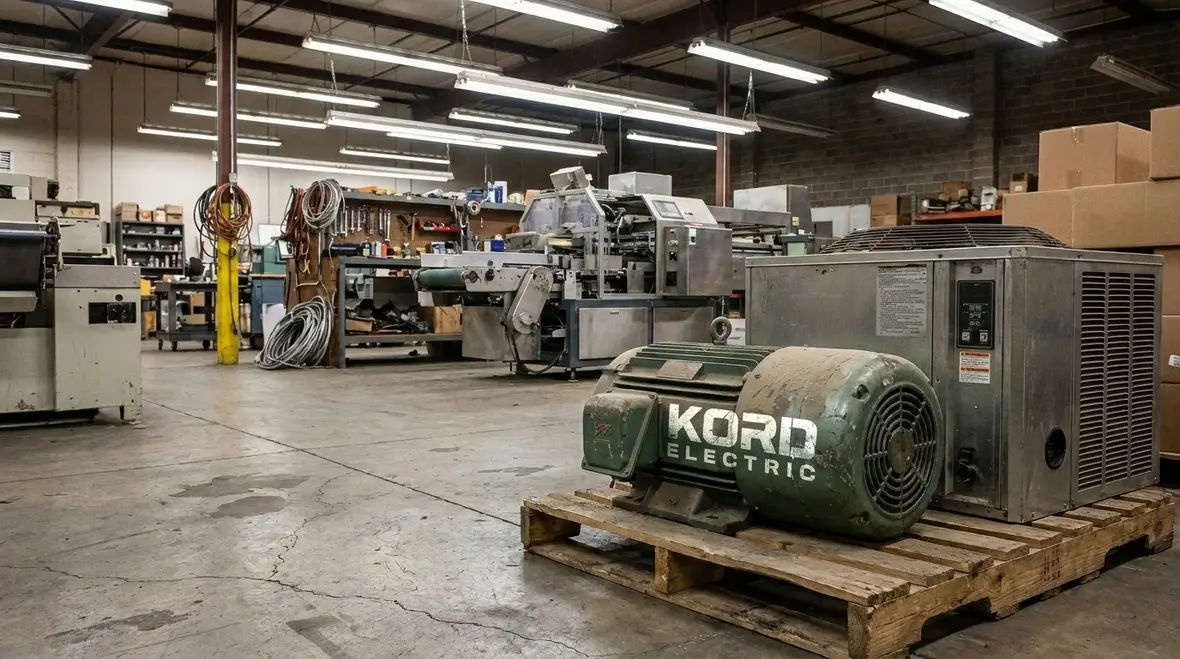
Commercial and industrial electrical work rarely stays still. Engineers, contractors, inspectors, and facility teams all touch the documents. So our process at Kord Electric emphasizes clarity and traceability. We build calculation notes that show what inputs we used, what rules we applied, and how the totals support the intended design.
In addition, we align the calculation outputs with the electrical one-line expectations. This includes how loads feed panels, how feeders route to distribution, and how the demand picture ties into protection choices. Because if the documentation does not match the one-line, field changes become likely. And field changes are where budgets go to hide like Waldo.
When our technicians explain the results, they focus on decisions rather than just numbers. They highlight what the totals mean for conductor sizing, equipment ratings, and service planning. Consequently, owners and building stakeholders can make informed choices early, when changes cost less and coordination feels human.
How NEC specific purpose load calculations support safer sizing and future changes
Load calculations do more than satisfy a code section. They set the stage for safe electrical sizing, reliable operation, and repeatable planning as the building evolves. For major property buildings, this matters because upgrades often come in waves. When new tenants or new processes arrive, demand patterns can shift.
By applying NFPA 70 Section 120.4 logic through proper specific purpose planning, the design can better accommodate realistic operating behavior. As a result, feeders and panels stand up to the load they were meant to serve. Moreover, this reduces the risk of undersizing or overconservatism. Undersizing leads to stress and nuisance trips. Overconservatism wastes money. Either way, nobody wins, and the building does not get the memo.
Also, good documentation makes future changes easier. Facility teams can review the basis of design without chasing old emails. Engineers can update the load forecast with confidence. Therefore, planning becomes a living system rather than a one-time paper exercise.
Quick cross references for the NEC and code context we follow
Kord Electric stays grounded in the NEC framework and the code resources used across industry. Our team also points stakeholders to practical code explanations that connect the dots between requirements and real projects. For additional background, we reference resources and guidance similar to those found in the broader Kord Fire and Kord Electric educational materials, including NEC-focused explainers like Understanding NFPA 70: The National Electrical Code Explained for 2026 and Kord Fire’s NFPA 70: All About The National Electrical Code (NEC) 2026. Those references help teams understand how the NEC supports fire and life safety thinking and how electrical planning fits the wider building safety story.
Additionally, when projects involve life safety systems and related equipment, facility teams benefit from code-aware coordination. We also respect how fire pump planning interacts with electrical design, and we keep safety minded decisions connected across disciplines when major property buildings require it. For broader context, some stakeholders also consult fire pump education from organizations like Fire Pumps International, where the electrical planning link becomes easier to see.
Still, for the actual project work, Kord Electric applies the NEC rules directly, documents the logic, and then lets the design stand on solid ground. We do not outsource accuracy to luck.
FAQ about NFPA 70 Section 120.4 and specific-purpose load calculations
Final thoughts and next steps with Kord Electric
NFPA 70 Section 120.4 sets a clear expectation: specific purpose loads deserve clear, accurate math. At Kord Electric, we support commercial and industrial facilities with NEC specific purpose load calculations that connect code logic to your actual equipment and operating patterns. Our technicians explain the process, our expert service staff documents the decisions, and we help teams plan with confidence.
If you are planning a major project or updating a facility, our broader electrical services across Los Angeles County can help you move from concept to compliant installation. You can explore our Los Angeles County electrical services lineup for support that ranges from new system design and upgrades to troubleshooting and preventive maintenance, all aligned with the same NEC-focused planning used in our load calculations.
If you are planning a major project or updating a facility, contact Kord Electric and let us handle the electrical math the right way, the first time.


