
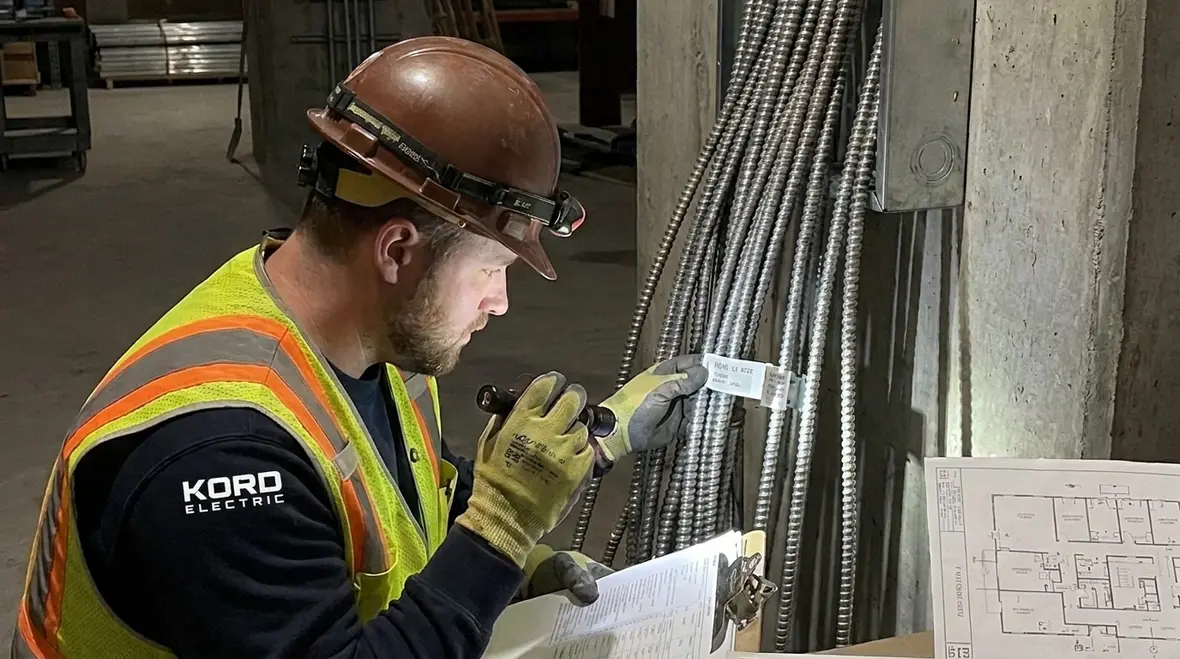
NEC MC Cable Not Permitted in 322.12: Compliance Guide
Kord Electric sees it every day on commercial and industrial sites: a plan set calls for one thing, an installer brings something else, and suddenly the job is playing electrical roulette. Early on, people often ask why the NEC MC cable not permitted issue keeps coming up, especially around Section 322.12. We get it. The cable looks familiar, it’s widely sold, and it seems like it should work. However, the National Electrical Code does not care how convenient a product feels.
As our technicians and expert service team explain on site, the “why” matters as much as the “what.” When a building owner or facilities manager understands the rule, the project stays safer, more consistent, and easier to approve. And yes, we also want fewer surprise inspections that feel like the finale of a bad sitcom.
What NFPA 70 322.12 actually restricts for MC cable
In NFPA 70, Section 322.12 sets specific limits for where metal clad cable choices can apply. When a design team or contractor uses a type of cable in a location that the Code does not permit, the installation can fail inspection even if the cable “works” electrically. Therefore, the real point is compliance with the intent of the Code: protection, durability, and predictable performance in real building conditions.
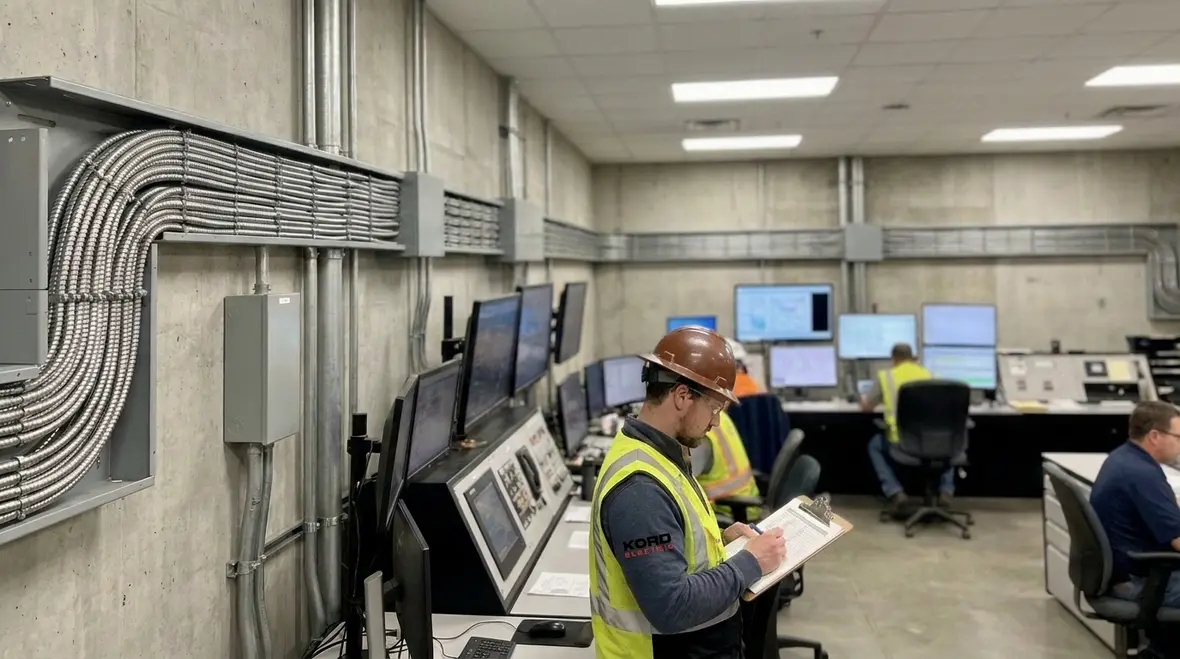
Our expert staff breaks it down like this. First, the Code considers the environment where the cable runs. Next, it considers how the system must perform under conditions like moisture, mechanical damage, and building use patterns. Then it assigns permitted methods for different wiring systems.
So when someone says, “But we always used MC before,” we answer with the calm confidence of people who have read the same requirement for years. Past practice does not change the current rule. And for commercial and industrial facilities, the consequences of noncompliance can grow fast, from failed inspections to expensive rework.
Why Code compliance matters for commercial and industrial buildings
Most commercial and industrial facilities operate under steady pressure. Schedules run tight, tenants expect uptime, and operations teams hate downtime almost as much as they hate unexplained invoices. Meanwhile, electrical systems must keep working safely through heat, vibration, and heavy traffic conditions.

Because of that, the NEC takes a structured approach. It does not treat every cable type as interchangeable. Instead, it links cable use to the type of building setting and the wiring method’s ability to hold up. As a result, when the wrong method gets installed, it can leave the system more exposed than the Code intends.
Kord Electric supports major property buildings and corporate facilities, so we focus on field realities. We confirm the location, the routing, and the protection method before the system goes live. Then we help teams align the final installation with the NEC standard, so the inspector sees a plan that matches the work.
For deeper background on how NFPA 70 fits into planning decisions, many facility teams also review our resource Understanding NFPA 70: The National Electrical Code Explained for 2026, then apply those concepts when they evaluate specific wiring methods like MC cable.
Where the mismatch happens during installation and plan review
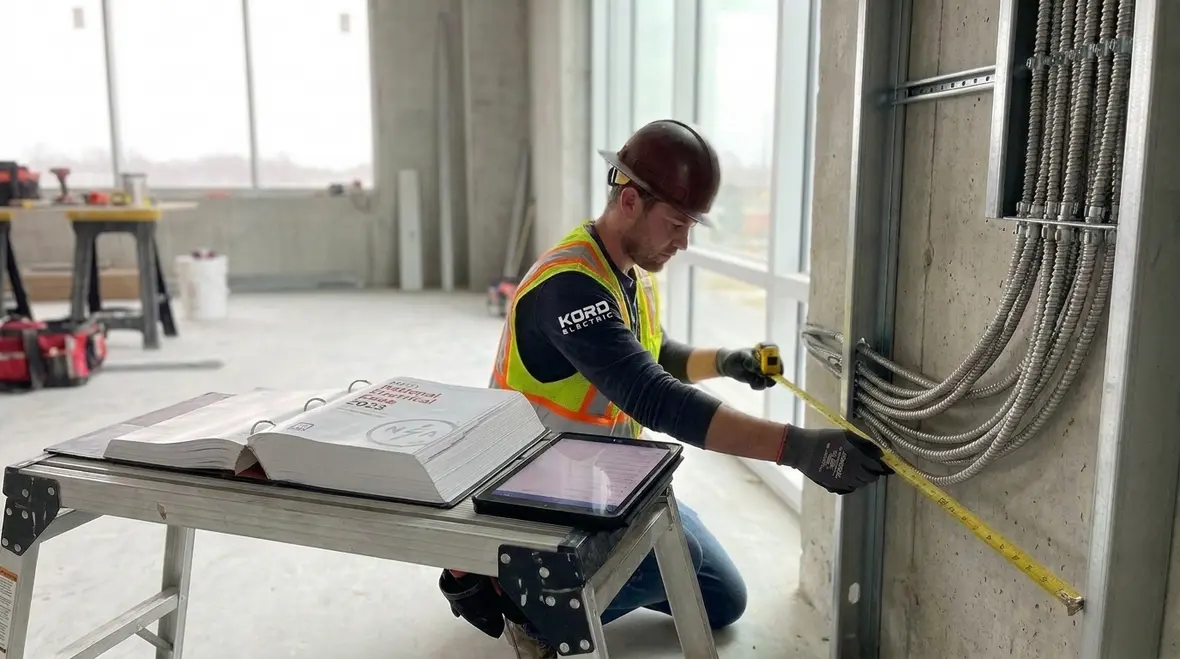
Typically, the conflict shows up in a few predictable places. First, the drawings may specify a wiring method, but the cable submittal swaps to something “equivalent.” Next, the installer may follow a shortcut during routing and relies on the cable jacket or armor to do the job that the design assumed a different method would do. Finally, the electrical contractor may not coordinate with mechanical trades, so the cable ends up in a location the design did not anticipate.
Once those steps happen, the problem rarely stays small. Even if only a short run is installed incorrectly, the inspection authority may flag the entire approach. And when electrical corrections start, they rarely stay limited. You might need patching, rerouting, new terminations, and time to re-test the circuit. In other words, it becomes an expensive “oops.”
Our technicians and service experts help commercial teams reduce that risk early. We review the details, then we talk through the intent in plain language. As we explain it, the Code is not trying to make life hard. It is trying to make the building safer and the process more consistent.
How the NEC and MC cable design intent connect in 322.12
NFPA 70 does not list rules just to fill pages. It reflects how wiring systems behave in the field. Section 322.12 ties the permitted use of metal clad wiring to conditions where the structure and protection support safe operation and reliable performance.
When someone chooses NEC MC cable not permitted practices for the location, they often misunderstand one key idea. Cable that works in one setting does not automatically behave the same way in another setting, especially when the environment changes. Therefore, the Code uses specific allowances and limits to match the cable to the job.
To keep it simple, Kord Electric treats the wiring method as part of the system. That means we check the pathway, how the cable gets supported, how it gets protected, and how it gets terminated. Then we verify that the final design aligns with the NEC rule and the project goals for commercial reliability.
On large commercial and industrial projects, that same disciplined approach also supports broader reliability goals like emergency power, surge protection, and distribution planning, which we explore in related topics such as data-driven design and power quality throughout the Kord Electric blog.
Field checks our technicians recommend before cable is pulled
In our experience, the best time to solve this problem is before the cable gets pulled. So we encourage facilities teams and contractors to complete practical checks that prevent costly rework. When our expert staff works on a major property building, we often follow a simple sequence.
Verify the exact location classification
Confirm the routing and the space type. The permitted use can depend on where the cable runs and how it connects to the system.
Confirm the cable type matches the approved wiring method
Do not assume “close enough” passes. A submittal mismatch can become a stop work order.
Inspect routing for mechanical exposure
Look for areas that see impact, vibration, or frequent access. Then confirm the protection plan supports that reality.
Review support and termination details
Even a correct cable choice can fail if support spacing, bending limits, or terminations do not align with the design and the Code.
Next, we document what we verify, because commercial owners need clarity. Then we help teams explain the outcome to stakeholders, including facility managers and project leadership. And yes, we also make sure the explanation does not sound like a legal brief. We try to keep it understandable, even when the wiring method acts like a character on a reality show that refuses to follow the script.
Common compliance mistakes we see on major projects
Even strong contractors can stumble when a project gets complex. However, our team notices patterns. First, some teams treat MC cable decisions like a procurement choice only. They order a cable that seems popular, then they attempt to make it fit after the fact. That approach rarely helps when the rule calls out specific limitations.
Second, teams sometimes confuse what is allowed in general use with what is allowed for the specific setting covered by Section 322.12. Therefore, they might believe the cable belongs there because it worked in a different building. Different buildings carry different conditions, and the NEC account for that.
Third, the project may lack coordination between electrical and other trades. If mechanical work changes the route after design approval, the cable may end up in an area that changes the compliance outcome. For major property buildings, this coordination matters even more because multiple systems share pathways.
Kord Electric helps reduce these mistakes by focusing on commercial and industrial work flows. We support large facilities that need dependable schedules and clear compliance paths. When our technicians explain the requirements, they also point out how to prevent the same issue on future projects.
On projects across Los Angeles County and Southern California, these lessons tie directly into broader scopes like Los Angeles County electrical services, where NEC compliance, plan review, and field verification all show up in the same inspection report.
FAQ: quick answers for featured snippets
How Kord Electric supports NEC compliance on real jobs
Kord Electric works with commercial and industrial facilities where uptime, safety, and inspection readiness matter. We do not treat NFPA 70 like a guessing game. Instead, our technicians and expert service staff walk teams through the intent behind the rules, then we help ensure the installation matches the approved design. When decisions get made early, fewer cable corrections land late in the schedule. If your project is wrestling with NEC MC cable not permitted concerns, we can help you move forward with confidence.
On many projects, that support begins with concept review, continues through detailed design and submittals, and ends only after final inspection. We confirm how Section 322.12 interacts with other NEC articles, local amendments, and the specific demands of your facility. Then we translate that picture into practical field steps: what gets installed, how it is routed, and how it is documented so the inspector can clearly see that the wiring method matches the environment.
If a project calls for upgrades or new infrastructure, our team coordinates MC cable decisions alongside panel schedules, distribution strategies, and power quality measures, using the same kind of data-driven and planning-focused approach described throughout our guides on supply planning, emergency power, and surge protection.
If you are planning a retrofit, a tenant improvement in a major property building, or a new electrical scope, contact Kord Electric. We will review the details, explain the requirement in plain terms, and help your team align the wiring method with NFPA 70. Then your schedule stays intact, your inspections feel less like surprise plot twists, and your facility runs the way it should. Reach out today to apply these same NEC principles through our comprehensive commercial and industrial services across Los Angeles County and Southern California.


