
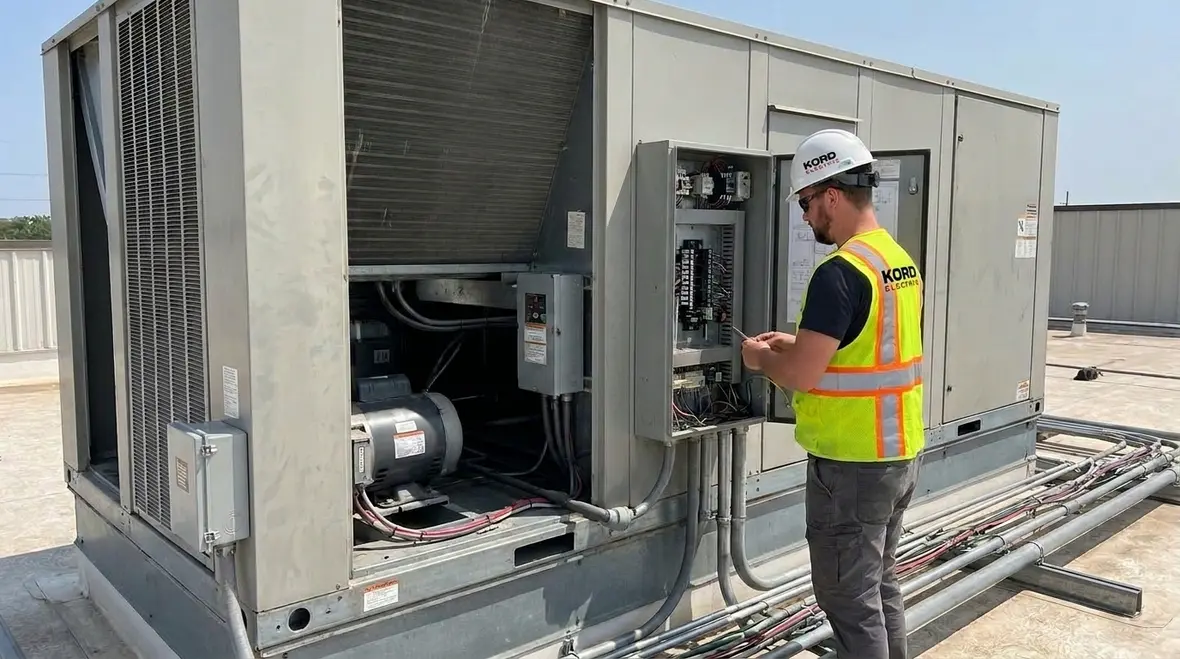
NEC Motor Air Conditioning Loads for Commercial Safety
Why NEC motor air conditioning loads matter for commercial and industrial safety
When a building runs HVAC, motors, and cooling systems all day, the NEC motor air conditioning loads stop being a technical footnote and start acting like the backbone of the electrical plan. At Kord Electric, we regularly support commercial and industrial facilities and major property buildings, where a single weak link in the motor or A C equipment branch can cause nuisance trips, heat buildup, and costly downtime. In the first part of our process, we focus on what the system actually draws under real conditions, not what it claims on paper.
Now, NFPA 70 Section 120.50 helps set expectations for how those motor and air conditioning loads should be treated when designing power systems. And yes, it is detailed enough to make most people reach for coffee like it is a survival tool. Still, we break it down clearly with our technicians and expert service staff explaining each step, so your facility stays reliable and your team feels confident.
NFPA 70 Section 120.50 sets the rules for how motor loads behave
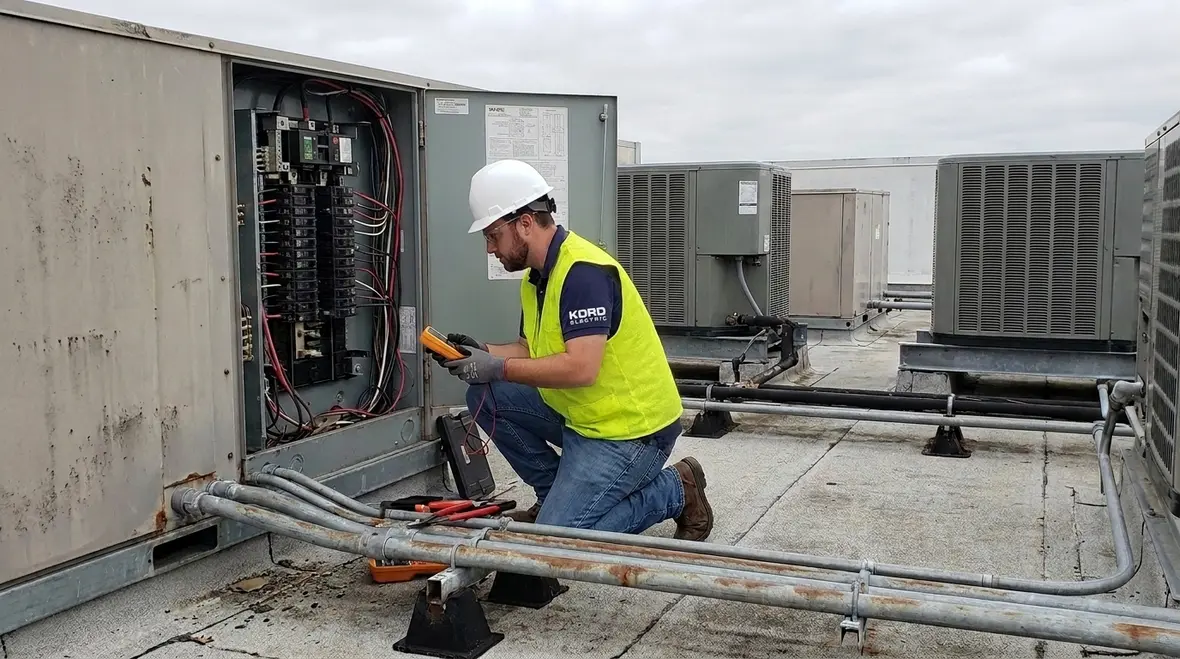
NFPA 70 is the National Electrical Code, and Section 120.50 focuses on motor and A C equipment loads. In practical terms, it supports safer design decisions by helping engineers and electricians account for how motors start, how they run, and how air conditioning equipment can impact the electrical system.
Motors do not behave like a calm, well trained pet. When they start, they can draw high current for a short time. That surge can stress conductors, switchgear, and protective devices. Therefore, we work with building teams to ensure the electrical design matches the equipment duty cycle. Then, we coordinate the load approach with the rest of the system, so panels do not become the building’s unofficial weak point.
As our expert team explains, the big goal is to prevent both electrical overheating and unsafe operating conditions. After all, no one wants a system that trips at the worst possible time, like the first day a new tenant moves in.
For facility teams who want to see how this fits into the larger NEC picture, resources like Kord Electric’s guide to Understanding NFPA 70: The National Electrical Code Explained for 2026 help frame how Section 120.50 connects to overall safety planning across commercial systems.
How we calculate motor and A C equipment loads for real jobs
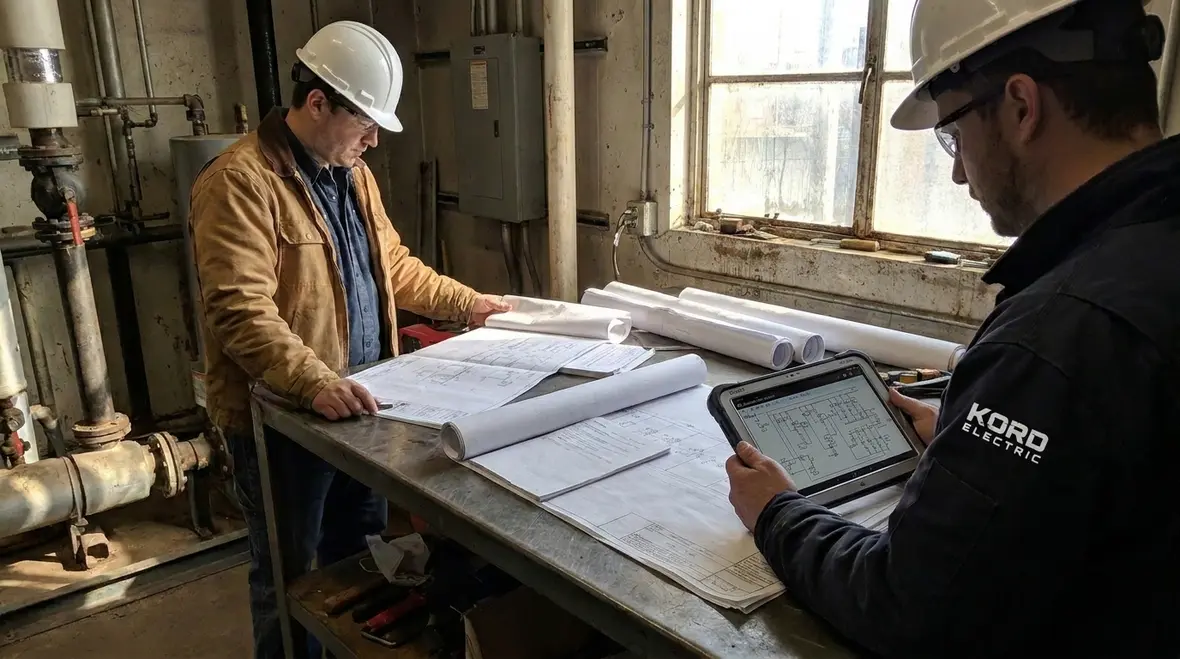
In commercial and industrial sites, calculations must reflect how equipment operates in the field. That includes starting conditions, equipment ratings, and the way multiple loads can operate together. So we do not treat the calculation like a one time checkbox. Instead, we verify how the building actually runs: peak hours, cycling patterns, and demand from connected systems.
Our technicians start by reviewing equipment data and installation intent. Then they coordinate with engineering drawings, single line diagrams, and the panel schedule. From there, we apply the guidance that Section 120.50 supports, so the design does not ignore load behavior. Next, we confirm that protective devices and bus ratings align with the expected motor and air conditioning load profiles.
At Kord Electric, we also stress the human part. Many crews can follow the math, but fewer crews understand the consequences when the math meets reality. That is why our expert service staff walks teams through each assumption and explains what changes if equipment selection changes. If the design team swaps out a motor or the mechanical schedule shifts, the electrical plan should shift too.
NEC guidance for starting conditions and equipment sizing
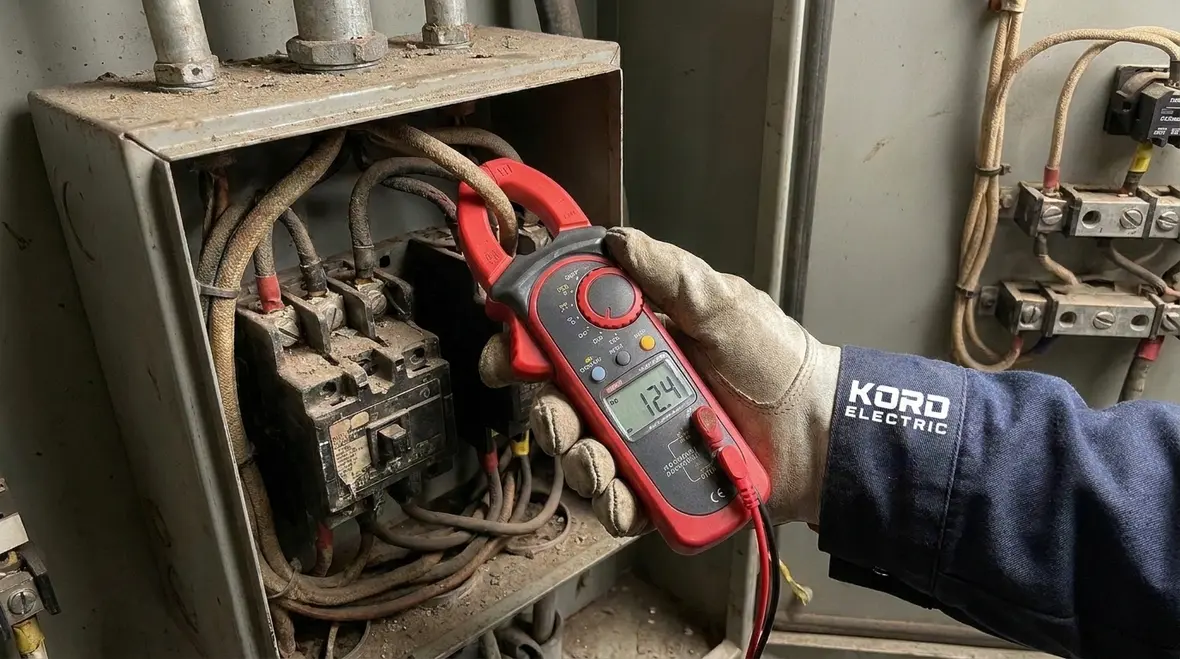
Starting current and system stability matter because motor and air conditioning loads often include intermittent or frequent starts. Consequently, the electrical system must handle transient demands without damaging equipment or nuisance tripping. Section 120.50 supports planning for those motor and A C equipment loads so the system can tolerate the start up surge and steady running draw.
We see common issues in the field. For example, a facility installs equipment with a higher starting demand, but the switchgear, conductor sizing, or overload settings remain based on outdated assumptions. As a result, operators experience random shutdowns, and electricians get blamed for something that was really a planning gap.
When we help a major property building, we also account for how the facility coordinates with other loads. A large chiller or rooftop unit does not run alone. It shares power with lighting panels, process equipment, elevators, and sometimes standby generators. Therefore, the motor and A C equipment load method should fit into the whole system, not just one circuit.
Choosing protection that matches the motor air conditioning loads

Protective devices are where theory meets the real world. If the overcurrent protection does not match the motor and A C equipment loads, the system either becomes too fragile or too forgiving. Too fragile, and you get trips during normal starting. Too forgiving, and you risk overheating or damage under fault conditions.
So we work through a coordinated approach. First, we verify conductor sizing and insulation limits. Then we confirm protective device ratings and coordination settings. After that, we check how overload protection interacts with motor starting behavior. Finally, we verify the A C equipment load profile aligns with the electrical architecture.
In our technician led explanations, we describe it like this: protection must act like a smart guard at the front door. It should stop real threats, but it should not tackle the delivery driver every time a box arrives.
Using safe design practices for commercial and industrial facilities
Commercial and industrial facilities require design discipline. You often have higher demand, more equipment on shared systems, and stricter reliability expectations. That is exactly why we focus on repeatable processes at Kord Electric, especially for major property buildings where a small issue can become a big business headache.
We also align our work with broader NEC themes from resources such as the explanations available at Kord Fire sites and related code summaries. While the code base is large, the message is consistent: safe design depends on correct load assumptions and correct coordination. Moreover, fire pump and life safety systems add another layer of responsibility, which is why many teams cross check guidance found in resources like FirePumps.org. We support coordination thinking early, before construction locks in the electrical layout.
Then, we verify how the facility will maintain and operate these systems. For example, how will crews access panels and disconnects? How will they adjust settings during replacement? When our experts explain the plan, we keep it practical, so your operations team can run the facility without guesswork.
How our expert service staff supports teams through the code maze
Code work can feel like it was written by someone who only drinks black coffee. Still, the objective is simple: deliver electrical systems that stay safe and perform as intended. Our expert service staff helps teams interpret NFPA 70 and NEC direction for motor and A C equipment loads, and we do it in plain terms that construction and facility leadership can use.
When we take over a project, we typically support these steps. We review equipment schedules and mechanical intent. We map those loads to the electrical one line. We check protective device compatibility. We coordinate with commissioning plans for start up behavior and verification. And if the project involves service upgrades, we confirm that existing systems can safely carry the updated load set.
Third party guidance also matters, and we respect how official and industry resources explain the NEC. For teams referencing the national electrical code overview and updates, Kord Fire pages such as Kord Fire Australia help frame the larger context. Yet, our field experience stays the anchor: we make sure the design decisions survive real operation.
Dual column summary: what to verify for NEC motor air conditioning loads
Below we summarize the checks our technicians emphasize for commercial and industrial installations, especially where NEC motor air conditioning loads drive sizing and protection choices.
Design verification
- Review equipment data and operating schedule
- Confirm load assumptions for starting and running
- Match conductor and bus sizing to load needs
- Align panel schedule with the single line diagram
Safety and reliability verification
- Coordinate protective devices with starting behavior
- Check overload and trip settings interactions
- Verify commissioning steps include start up checks
- Plan for maintenance and future equipment changes
FAQ about NFPA 70 Section 120.50 motor and A C equipment loads
Connecting NEC motor air conditioning loads to broader code strategy
Motor and A C equipment loads rarely live in isolation. They sit inside a larger story that includes feeders, service equipment, emergency systems, and life safety circuits. When we help commercial clients shape that bigger picture, we lean on structured NEC reading habits and practical code resources so the project never feels like guesswork in a high stakes environment.
For example, our team often pairs Section 120.50 work with scope and application guidance from NFPA 70 Section 90.2, because knowing where the code applies is just as important as knowing what it says. We also use internal checklists that echo the ideas from our 2026 NEC application guides, so HVAC and motor planning stays aligned with how the authority having jurisdiction will read the installation during inspection.
That coordination mindset helps us support everything from equipment selection meetings to commissioning walkdowns. When NEC motor air conditioning loads, feeder sizing, and overcurrent protection all match the story the drawings tell, start up days become boring in the best way: the lights stay on, the chillers start, and the complaint calls never show up.
Where NEC motor air conditioning loads meet local operations
Local conditions always matter. Facilities in hot climates, dense urban cores, or strictly regulated jurisdictions put extra stress on HVAC systems and on the people who run them. When those facilities also operate on tight schedules or support critical operations, the NEC motor air conditioning loads become more than a line item; they become the guardrails that keep outages and overheated gear out of the daily plot.
In regions that follow detailed review practices similar to those used for Los Angeles County electrical services, we see how much value there is in documenting every assumption behind the motor and A C load plan. Clear calculations, labeled panels, and well chosen protective devices make it easier for inspectors to follow the story of the system and for facility teams to maintain that story over the life of the building.
That same mindset influences how we structure upgrades. When a tenant improvement adds new cooling loads or process equipment, we revisit the motor and A C equipment demand, cross check it against the NEC requirements in force, and confirm that there is enough headroom in the upstream infrastructure. This avoids the “install first, troubleshoot later” pattern that drains budgets and patience alike.
Final word from Kord Electric: let us verify your motor and A C equipment load plan
If your facility depends on motors and air conditioning equipment, we recommend you validate the electrical plan early, not after the first shutdown. Kord Electric works with commercial and industrial teams to align NFPA 70 Section 120.50 expectations with your equipment schedule, protection choices, and commissioning needs. Our technicians and expert service staff explain the logic, answer questions, and help you avoid the kind of surprises that make everyone act surprised, like a sitcom twist. Contact us to review your motor and A C equipment load approach and keep operations steady.
When you are ready to look beyond a single project, we can also help you build a long range roadmap that connects NEC motor air conditioning loads to other code driven priorities, such as panel upgrades, emergency system coordination, and lifecycle maintenance planning. That roadmap keeps your facility prepared for inspections, tenant changes, and technology shifts without scrambling every time a new piece of cooling equipment appears on the drawing set.
However complex your building may feel today, the combination of clear NEC guidance, practical tools like our National Electrical Code explainer for 2026, and hands on field experience can turn the code maze into a walkable path. Start with the loads that keep your building cool and comfortable, verify them against the NEC, and let our team help you keep that backbone strong.


