
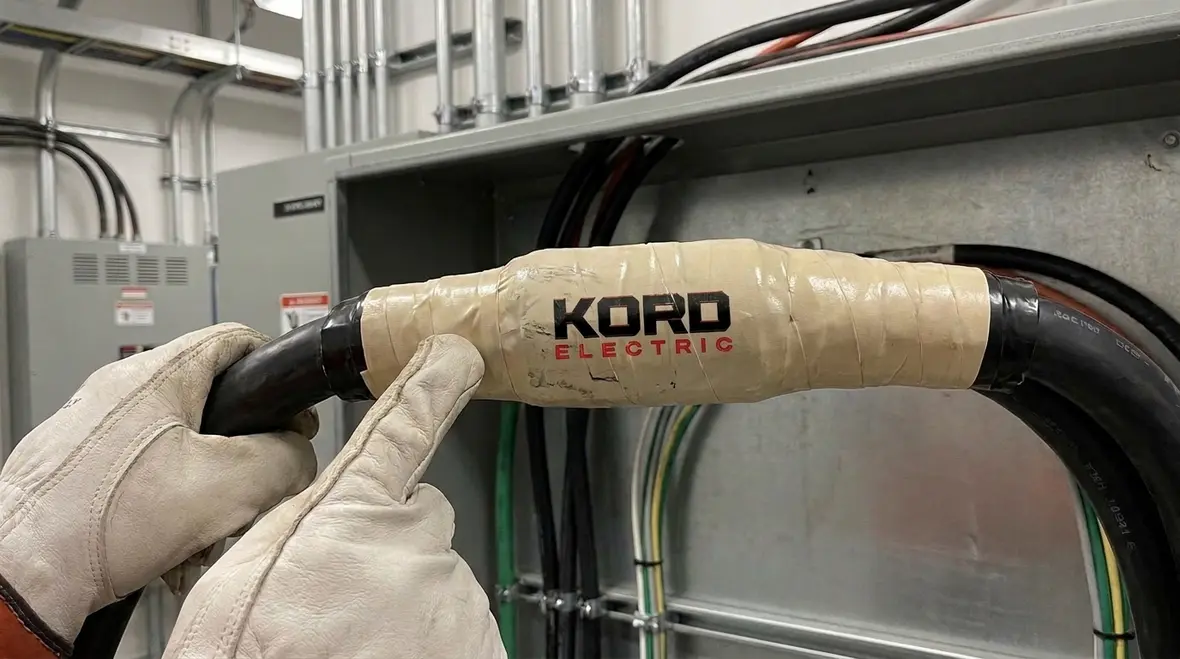
NEC MV Joint Marking Requirements for Medium Voltage
In commercial and industrial work, details do not just matter. They decide whether a system stays safe, reliable, and compliant. That is why we at Kord Electric pay close attention to NEC MV joint marking right at the start of any project that involves medium voltage cable work. We want facility teams to see clear identification at joints and terminations, so maintenance staff can find the right component without guesswork. Also, our expert service staff knows that surprises are fine in movies, but not in electrical rooms. In the sections that follow, we explain what NFPA 70 Section 315.17 expects, how MV joints and terminations should be marked, and how our technicians verify the work so your facility stays audit-ready.
What NFPA 70 Section 315.17 requires for medium voltage cable joints
NFPA 70, also known as the NEC, lays out installation standards that protect people and equipment. In Section 315.17, the NEC focuses on how medium voltage cable joints and terminations must be identified. In plain terms, it tells us that the cable system should not become a mystery novel where nobody remembers the plot. Instead, workers should be able to locate, understand, and service the specific joint or termination without tearing through walls or chasing outdated drawings.
First, the rule targets cable joints and terminations within medium voltage wiring systems. Then it ties identification to safe operation and future maintenance. As a result, we plan marking before we close anything up, and we document it as part of the job record. If a facility handles high value power equipment, that process saves time during troubleshooting and reduces risk during repairs.
In practice, we treat identification as a control measure. It supports proper inspections, speeds up corrective actions, and helps keep the facility compliant during routine reviews. Moreover, when our technicians explain the marking scheme to the owner’s team, everyone shares the same understanding. That clarity matters in commercial and industrial facilities where multiple trades and service providers may touch the system over the years.
How MV joints differ from terminations and why marking must match
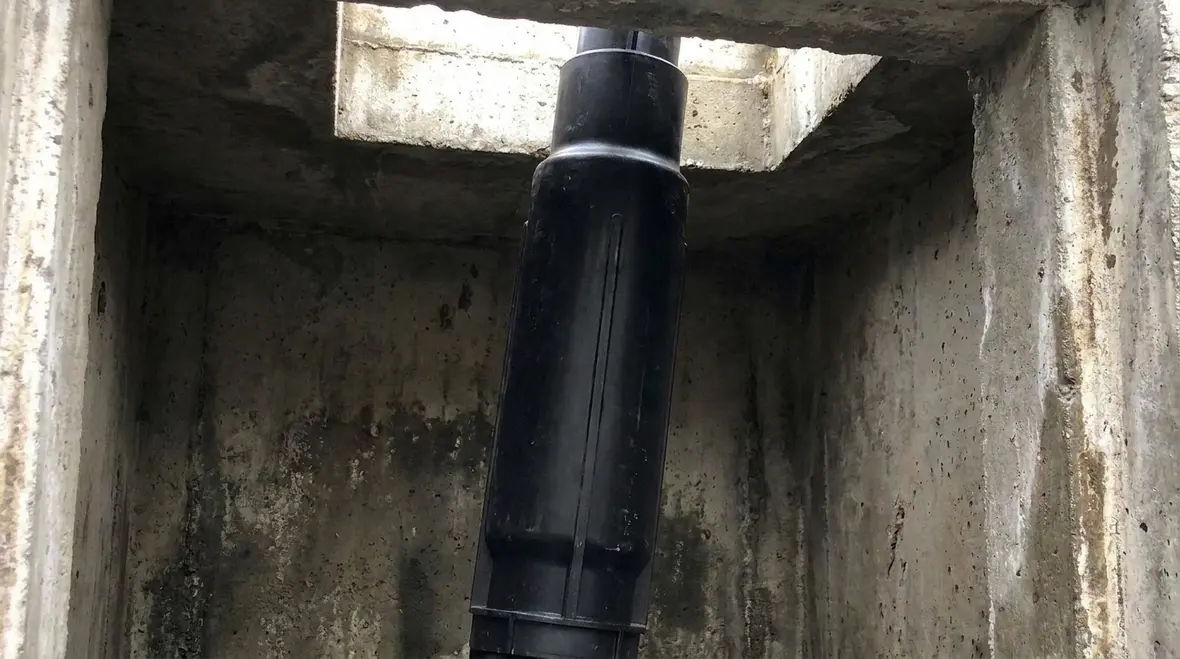
Although joints and terminations both connect or end cable, they behave differently. Therefore, marking cannot be generic or vague. A cable joint connects lengths, and it often lives in a splice vault, duct bank, or other accessible area depending on the facility design. A termination ends the cable and connects it to switchgear, transformers, or other equipment. Because of that difference, marking should tell the right story at the right location.
Our expert service staff often hears the same problem from facility teams: “We can trace the circuit, but we cannot quickly identify the exact joint or termination we need.” So we design marking to support both operational needs and maintenance workflows. We ensure the markings align with the system layout and the facility’s single line diagrams. Then we verify the marking stays durable in the installation environment.
Additionally, proper identification reduces downtime. For example, when a crew isolates a section of medium voltage cable, they need to confirm what joint belongs to that cable run. Likewise, when equipment is serviced, the technician needs fast confirmation of the termination location and identity. As a result, correct labeling becomes a practical part of safety, not just paperwork.
What “good” NEC MV joint marking looks like in real projects
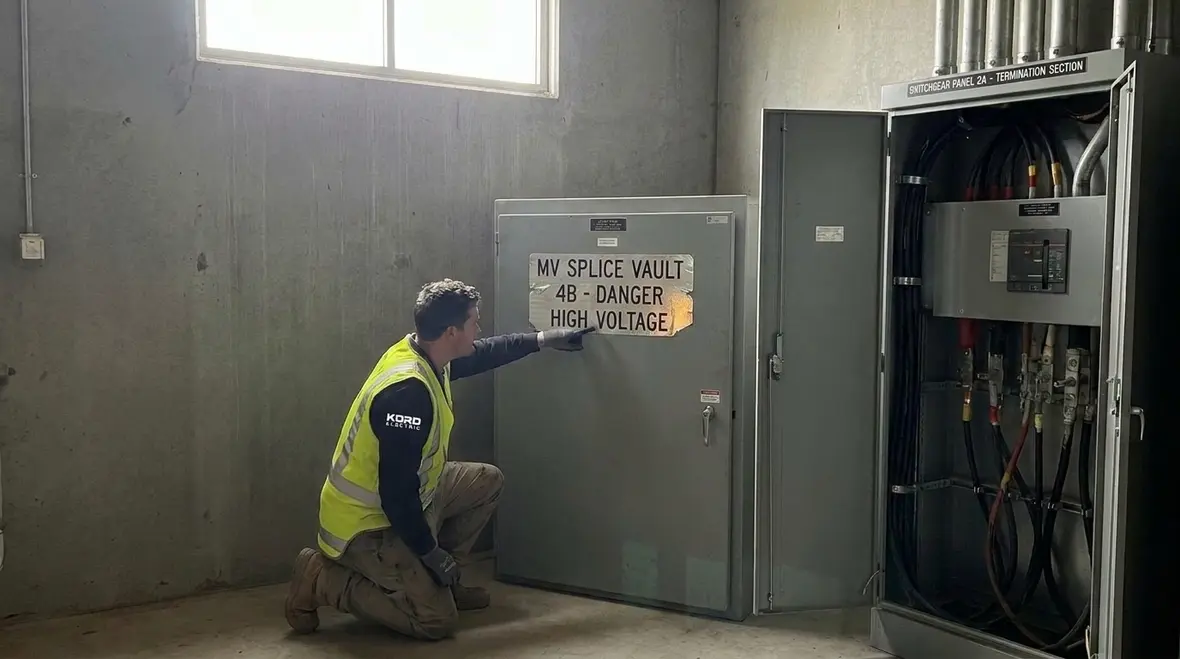
When we talk about NEC MV joint marking, we mean clear, durable, and location specific identification that matches the installed system. Our technicians treat it like a map: if the map is smudged, faded, or ambiguous, nobody benefits. First, we choose a marking method that can withstand typical job conditions. Then we place labels where they can be seen during inspection without requiring risky access.
Next, we ensure the marking includes enough information for field use. This usually means a joint or termination identifier tied to the documentation set. The goal is straightforward. A maintenance tech should not have to “guess and check.” Instead, they should confirm the installed item and proceed with confidence.
In addition, we coordinate with the facility’s standards. Many major property buildings already have preferred labeling styles and asset coding rules. We work with those rules rather than fighting them, because that is how you keep the facility consistent.
Finally, we document what we installed. Then, when inspections or audits happen later, the facility team has evidence that the work meets the NEC intent. And yes, we also make sure the markings are readable. We have seen labels placed so neatly that they are still useless because they sit behind hardware like a pop singer behind backup dancers. Neat, but not helpful.
For teams that want a broader view of how the National Electrical Code shapes commercial projects, our internal planning often references Kord Electric’s resource Understanding NFPA 70: The National Electrical Code Explained for 2026, which helps connect high level NEC direction to everyday field decisions.
Where marking must be placed so crews can actually use it
Marking does not help if nobody can find it under normal working conditions. Therefore, we consider access during installation and we place identifiers where qualified crews can view them. If the joint sits in a splice area or vault, we plan marking so the identifier remains visible after normal inspection covers and access steps. If the termination connects to switchgear or transformer compartments, we place the marking so a technician can confirm the asset without removing more components than necessary.
Moreover, we think about how facilities operate. Many commercial and industrial sites use layered maintenance cycles. That means identification must support both scheduled inspections and emergency response. When trouble appears, the team moves quickly. Then, accurate identification helps them isolate the correct circuit and verify which joint or termination is involved.
Our process includes a final check by our technicians before closeout. They confirm visibility, alignment with the documentation, and durability. In addition, we explain the marking scheme to the facility’s responsible staff so future work stays consistent.
How we verify compliance on MV cable work for commercial sites
We at Kord Electric focus on commercial and industrial facilities and major property buildings. That focus shapes our workflow. We plan marking and documentation early, we coordinate with electrical design requirements, and we confirm installed details before we turn the system over. Then we keep the project record organized so the facility team can retrieve it fast.
During verification, our expert service staff reviews labeling against the approved layout and the installed cable route. They check that each MV joint and termination has an identifier that matches the documentation set. Also, they confirm the markings support safe maintenance and inspection routines. If a label style looks temporary or becomes hard to read over time, we correct it before closeout. We do not leave the facility with a “looks good today” outcome. We build for the next five, ten, and twenty years.
When needed, we also align our approach with guidance about the NEC and fire related safety considerations offered through our broader resources. For example, Kord Fire supports facilities with an eye toward code based safety planning, and we connect that safety mindset to electrical identification practices. Similarly, when teams use references like fire pump resources from FirePumps.org to improve system readiness, we see the same theme: clarity during emergencies saves time and reduces risk.
NEC documentation, field updates, and keeping your asset data clean
Marking alone does not fix the long term problem if the documentation falls behind. Therefore, we treat identification as part of the asset data system. First, we ensure the marking identifiers connect to the documentation set used by the facility. Then, we confirm that any field changes get reflected so the installed reality matches the record.
Next, we encourage facilities to keep a simple update loop. When maintenance work affects joints or terminations, the responsible team updates the documentation and the marking scheme as required. That way, future crews do not inherit outdated data.
To keep this easy for our clients, we offer our technicians’ explanations in plain language. We walk facility managers through where the markings sit and what each identifier means. As a result, the facility team feels confident maintaining the system rather than relying on memory or rushed phone calls.
Quick comparison: joint marking and termination marking
|
MV Joint Marking Placed to identify the splice or connected section Supports troubleshooting within a cable run Helps maintenance teams confirm the right section fast |
Termination Marking Placed to identify the cable end at equipment Supports safe service of switchgear or transformers Helps crews confirm the correct connection point |
FAQ
Planning NEC MV joint marking alongside broader electrical services
For many organizations, NEC MV joint marking does not show up as a standalone task. It becomes part of a broader electrical strategy that covers power distribution upgrades, lifecycle maintenance, and safety reviews. When Kord Electric supports a project in this way, we treat labeling as one of the tools that keeps the system traceable from main service down to individual terminations.
On renovation or expansion work, that strategy often includes code consulting, load planning, and coordination with the authority having jurisdiction. As part of that effort, our teams help facility leaders connect MV identification details with the bigger picture decisions that show up in resources like our NEC educational guides and service planning articles.
If your site sits within Southern California, and especially if you operate across complex campuses or major property portfolios, Kord Electric’s Los Angeles County electrical services support can integrate NEC MV joint marking into a wider program that includes preventive maintenance, system assessments, and code driven upgrades so that labeling, documentation, and field conditions stay aligned.
CTA: talk with Kord Electric before closeout
If your medium voltage system includes joints and terminations, do not wait until the room is closed and the labels are “somewhere in the paperwork.” Kord Electric works with commercial and industrial facilities to plan, install, and verify NEC compliant identification that supports maintenance and inspections. Our technicians explain the marking approach clearly, then we document what we installed so your team stays audit ready. Contact us for an assessment of your current MV labeling practices and a compliance focused plan for upcoming electrical work.


