
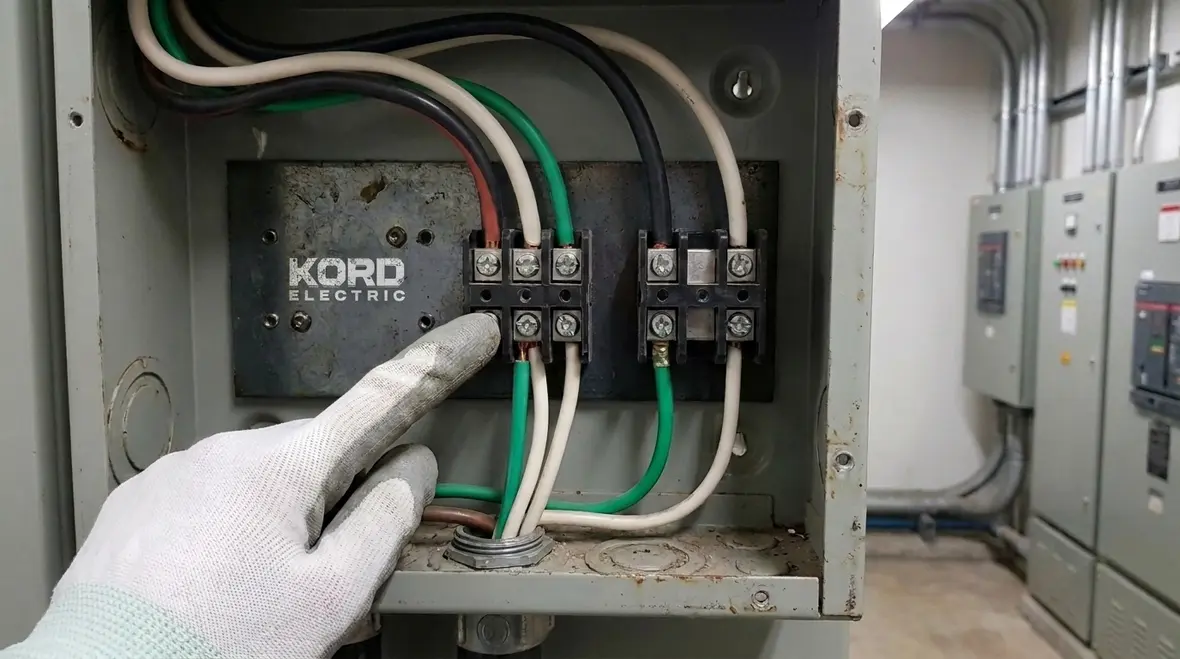
NEC neutral equipment grounding banned 2 kV explained
NEC neutral equipment grounding banned 2 kV: what it means and why it matters
In commercial and industrial buildings, we treat grounding like we treat fire alarms and doors that actually close. We do not gamble. That is why the NEC neutral equipment grounding banned 2 kV rule shows up in the conversation when teams try to “save money” or “simplify” a system. In simple terms, the code prohibits using the neutral as a grounding path, and it also restricts certain neutral related practices that can create unsafe conditions, especially around high energy faults. Kord Electric explains this clearly with our expert service staff on site, because we know that when a system is wrong, reality does not care about the theory.
In this article, our third person guide walks through NEC 270.142, what the prohibition is really protecting, and how facilities teams can make compliant choices during design, upgrades, and troubleshooting. And yes, we sometimes hear the same joke: “Let the neutral do the job, it already has wires.” That joke is funny in a break room, not in a switchgear room.
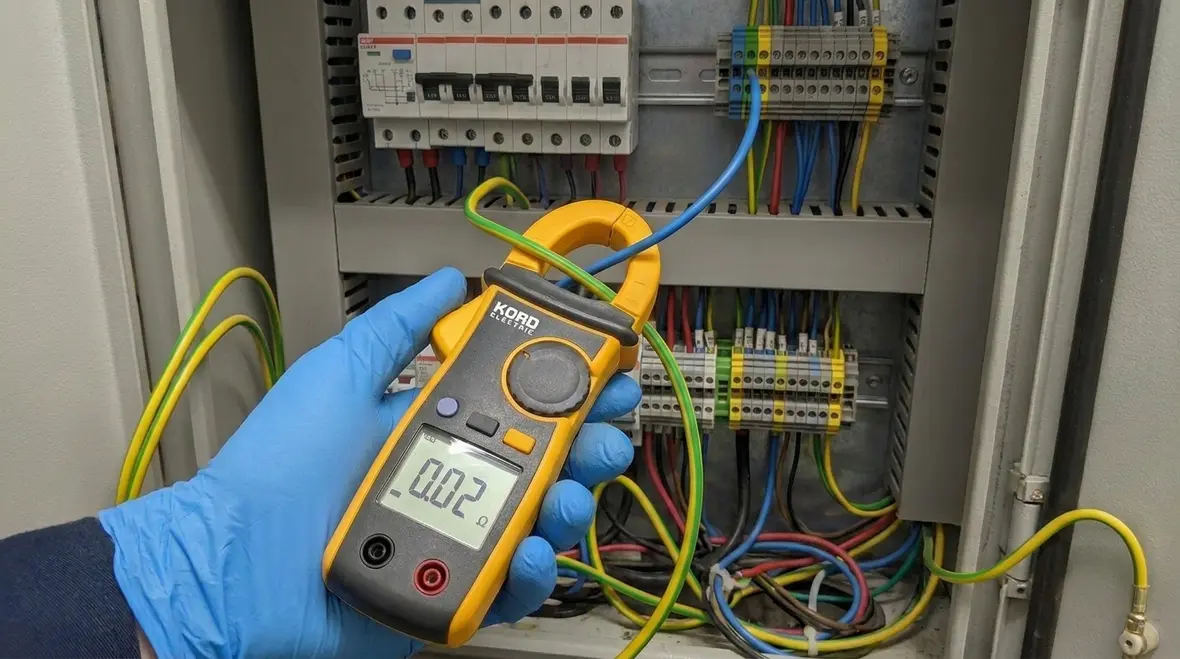
NEC Section 270.142 and the core safety idea
NEC Section 270.142 states that a neutral conductor must not serve as the grounding conductor. In other words, the electrical system needs separate roles for neutral and grounding paths, even though they may connect at certain points under specific conditions. Meanwhile, the grounding system exists to handle fault current and stabilize voltages in a predictable way. When people merge neutral and grounding functions, they change how fault current flows and how voltages behave during abnormal events.
So, why does the code care so much? Because grounding is not just about continuity. It is also about how equipment responds when something fails. When a neutral-as-ground approach slips into a design, a fault can drive unexpected current through equipment enclosures and metallic parts. As a result, touch voltages can rise, bonding can become less effective, and protective devices may operate in ways that do not match the design assumptions.
Our trained technicians at Kord Electric routinely see the same pattern. A system starts as a “temporary wiring fix,” and then it becomes a “permanent plan.” However, the NEC does not treat temporary shortcuts like they are cute. It treats them like hazards.
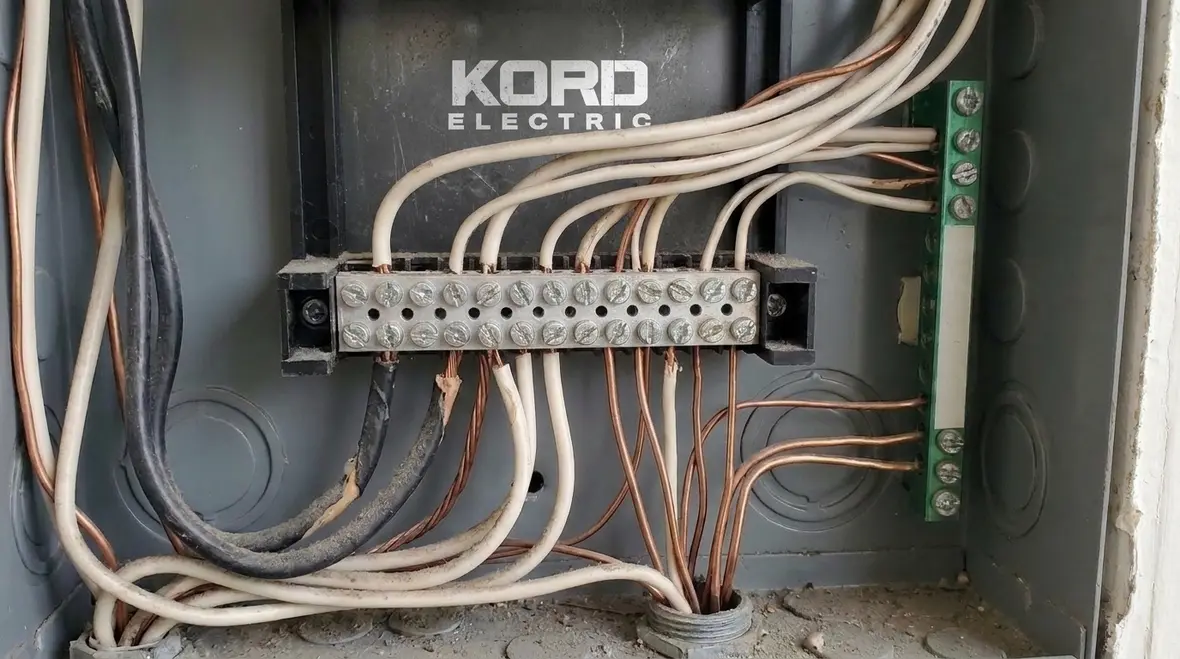
What goes wrong when teams try to use neutral as a grounding path
When a facility team uses neutral to act like grounding, the risk grows in several ways. First, neutral current can carry load currents, harmonic currents, and unbalanced currents. Then, during a fault, the current paths can shift. Instead of sending fault current where the code expects it, the system pushes current through unintended conductive paths.
Second, equipment bonding depends on a reliable grounding reference. If neutral becomes part of that reference in the wrong way, bonding effectiveness can change under load. Therefore, metal enclosures and raceways may not sit at the expected potential. This situation can create dangerous shock conditions, especially for people standing near grounded metal, damp floors, or grounded HVAC cabinets.
Third, protective device coordination depends on predictable impedance and fault paths. If the neutral and grounding roles blur, fault current magnitude and duration can change. As a consequence, circuit breakers and fuses might not clear fast enough, or they might nuisance trip in ways that tempt crews to bypass safety controls. And once people bypass safety controls, the building becomes a “choose your own adventure” book where the plot does not end well.
Kord Electric supports commercial and industrial facilities, so we focus on the practical outcomes our clients care about: reliable clearing of faults, stable equipment potentials, and compliance that passes real inspections.
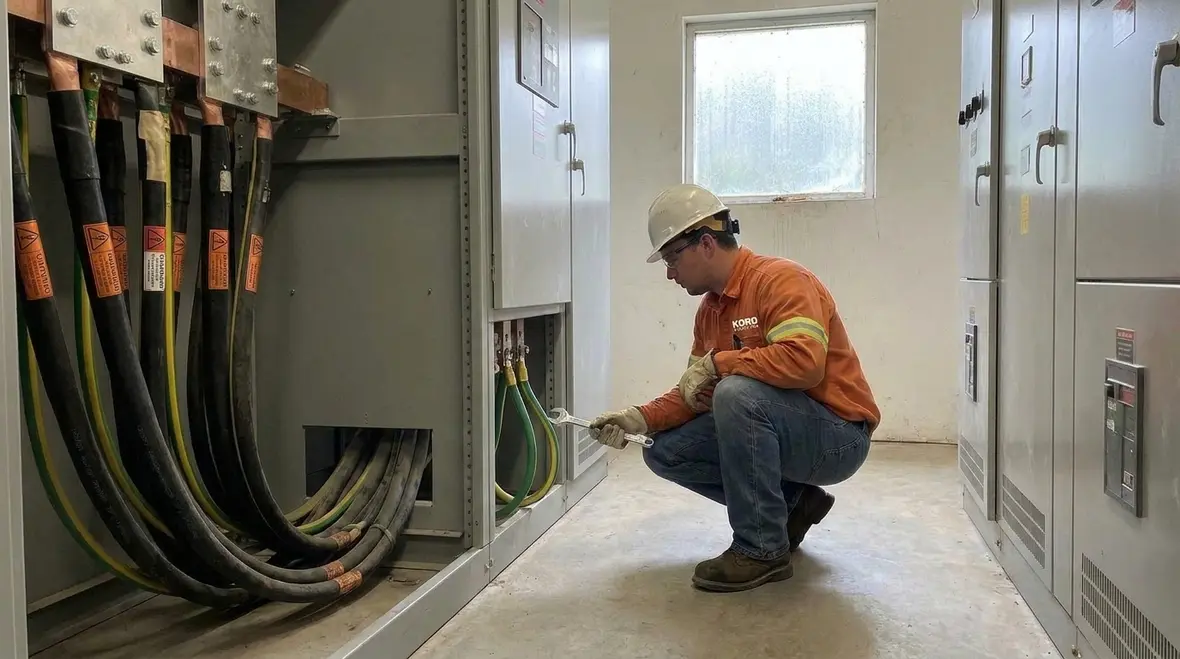
Neutral versus ground: how bonding and system layout keep fault energy under control
In a correct design, neutral and grounding conductors handle different duties. The neutral conductor carries the return current for the system. The grounding conductor provides a low impedance path for fault current and keeps conductive parts at a safe reference potential. Additionally, bonding links connect metal parts so that, during faults, current has a controlled route.
Now consider how the NEC thinks about system layout. At the service, the system may bond neutral and grounding at the proper point. However, downstream from that point, the neutral and grounding conductors should not be blended into a single “do it all” conductor. If someone tries to do that, the grounding system may no longer behave like a fault clearing system. Instead, it can behave like a second neutral, which is exactly what the rule tries to stop.
Our expert service staff explains this with a simple facility mindset. In a large building, the grounding system is like a well built escape route. It needs a clear path, stable wayfinding, and predictable access. If someone repaints the sign and claims the escape route is the same as the main hallway, everyone eventually walks into the wrong corridor. Meanwhile, the building code says no.
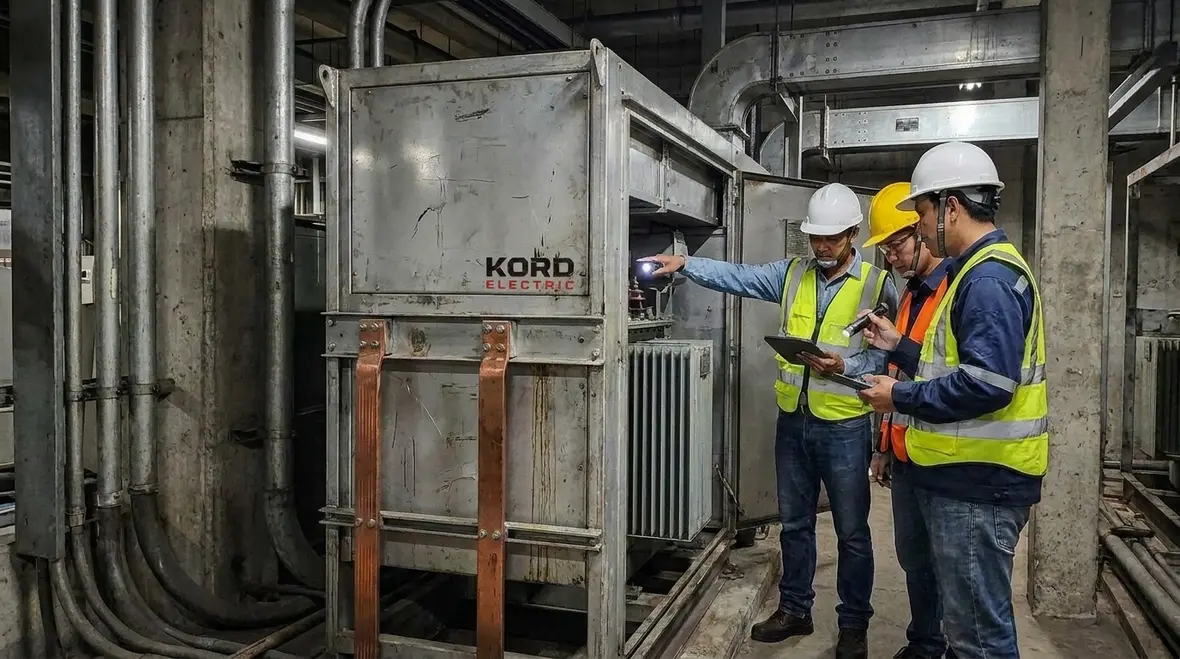
Field examples from Kord Electric technicians: corrections that keep systems compliant
In the real world, issues do not always arrive wearing a “violation” sign. They arrive as loose ends, old labels, and last century wiring choices. Then, someone adds a generator transfer change, replaces a panel, or upgrades a motor starter, and the system becomes something new and uncertain. That is when we step in.
One common scenario involves modifications to equipment grounding conductors. Technicians might find that a neutral conductor gets reused as a grounding path in a subpanel. Even if the installation “looks tidy,” the neutral carries load current, and it may not provide the correct fault path. Accordingly, Kord Electric technicians correct the routing and ensure the equipment grounding conductor stays dedicated to grounding duties.
Another scenario involves improper bonding points during a renovation. For major property buildings, teams often open ceilings, replace conduit runs, and reterminate conductors. However, they sometimes treat bonding like a checkbox. Instead, bonding must follow the NEC intent and the designed system topology. Therefore, our service staff verifies bonding continuity, checks conductor sizes, confirms connection types, and tests that protective devices respond as expected.
Finally, some facilities attempt neutral grounding adjustments during troubleshooting. For instance, if a crew sees an alarm or a nuisance trip, they may try to “stabilize” the system by rerouting neutrals. Yet, that can create a hidden hazard. So we approach it like fire pump logic and electrical logic should work together: step by step, with proof at each step, not guesses. In many cases, Kord Fire resources also help clients understand how electrical design choices intersect with life safety systems. You can explore more at kordfire.com.au and kordfire.com.
How facility teams can plan compliant upgrades without downtime chaos
Commercial and industrial facilities need reliability, not drama. Therefore, when a team plans upgrades related to grounding and neutral bonding, it should start with documentation and end with verification, not vice versa. Kord Electric recommends a practical workflow that reduces risk.
First, the team gathers as built drawings, one line diagrams, and panel schedules. Then, they confirm what conductor types are present in each raceway and cabinet. Next, they inspect bonding jumpers and termination points. After that, they compare field conditions to the designed roles for neutral and grounding paths.
Second, they plan testing that matches the purpose. Grounding verification and protection checks should confirm that faults clear as intended. Additionally, they confirm that conductive enclosures remain at safe potential during normal load and during abnormal conditions.
Third, they coordinate work windows. For major property buildings, we schedule and stage work so that life safety circuits and critical loads remain protected. Fire pump related components and monitoring systems also demand care. For teams that manage fire protection systems, you can refer to guidance at firepumps.org, because electrical design decisions can affect how life safety equipment operates and how it reports trouble.
Lastly, we educate the in house stakeholders. Our technicians explain what we see, why it matters, and how the fix affects the system. That reduces repeat calls and helps the facility team keep the building compliant over time. If you have ever tried to explain grounding to a frustrated contractor, you know the value of a calm, clear explanation delivered the first time.
FAQ: NEC neutral-as-ground rule in plain terms
Resources from Kord Electric and related NEC guidance
Kord Electric keeps its explanations practical and aligned with how facilities operate day to day. For more NEC context, our teams reference our educational guides such as Understanding NFPA 70: The National Electrical Code Explained for 2026. We also share related fire and electrical code perspectives at Kord Fire’s NEC overview, and we invite clients who manage larger safety programs to use kordfire.com and firepumps.org for focused equipment topics.
Meanwhile, our technicians use these references to support what they find in the field. If the system is correct, we confirm it. If it is not, we document it and correct it. That is how we keep the work calm, controlled, and inspection ready. For facilities across the region, our Los Angeles County electrical services overview shows how these NEC principles translate into inspections, upgrades, and long term maintenance support for commercial and industrial electrical systems.
Conclusion: get a compliant grounding review before the next alarm
In commercial and industrial buildings, grounding and neutral rules are not “paperwork stuff.” They protect people, equipment, and downtime budgets. Kord Electric helps facility teams understand why NEC neutral equipment grounding banned 2 kV practices and neutral-as-ground ideas fail under real fault conditions. Our technicians explain what they find, why it matters, and how to fix it without turning your next project into a comedy series. Call Kord Electric for a grounding and bonding review and get a clear plan you can trust.


