
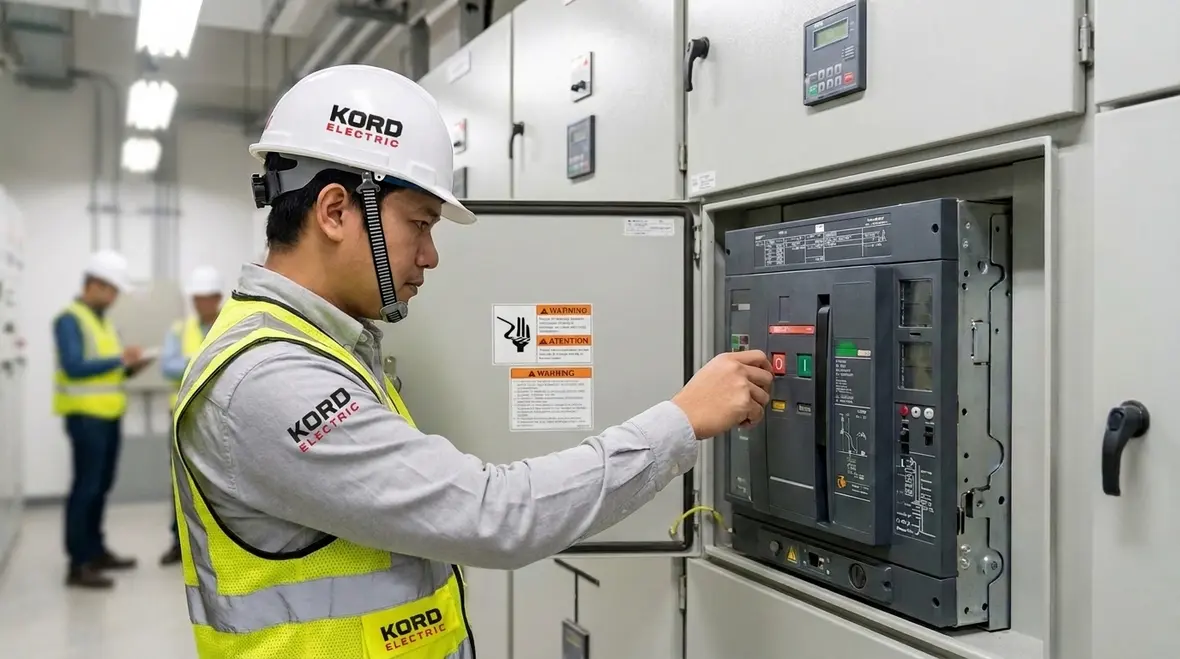
NEC NFPA 70 240.80 Breaker Method of Operation Compliance
Kord Electric helps commercial and industrial facilities follow the NEC breaker method of operation requirements in NFPA 70 Section 240.80. In other words, we make sure the way a circuit breaker is built and used matches what the code expects, so a system behaves the same way every time. Now, nobody wakes up excited about breaker handles and control logic, but when a facility depends on power during a storm, a shutdown, or a peak load event, details stop being boring and start being life support.
Our approach stays calm and practical. First, we review how the breaker actually operates, not how someone hopes it operates. Then, we verify that the circuit breaker method of operation meets the rule set out for trip and reset actions. Finally, our technicians explain the findings in plain language, so facility teams can make decisions without having to guess, cross fingers, or consult three different “experts” who all disagree like it is a reality show.
NFPA 70 Section 240.80: What the breaker must do
NFPA 70 Section 240.80 focuses on how a circuit breaker performs its method of operation. Therefore, it goes beyond rating labels and digs into how the device carries out its trip and reset behavior under specified conditions. In most commercial and industrial environments, the breaker must deliver a predictable operational response, especially when the system needs protection rather than guesswork.
In simple terms, the code expects the breaker to follow a defined approach for operation. That includes how the breaker responds during overcurrent events and how it returns to service. Additionally, the requirements aim to prevent unsafe or inconsistent behavior that can confuse maintenance teams and endanger occupants or critical assets.
At Kord Electric, our expert service staff typically starts by mapping the facility’s electrical one line to the actual equipment in the field. After that, they compare the installed breaker configuration with the operational method the code requires. As a result, the facility gets a system that works the way it should, not the way it “seems like it should.”
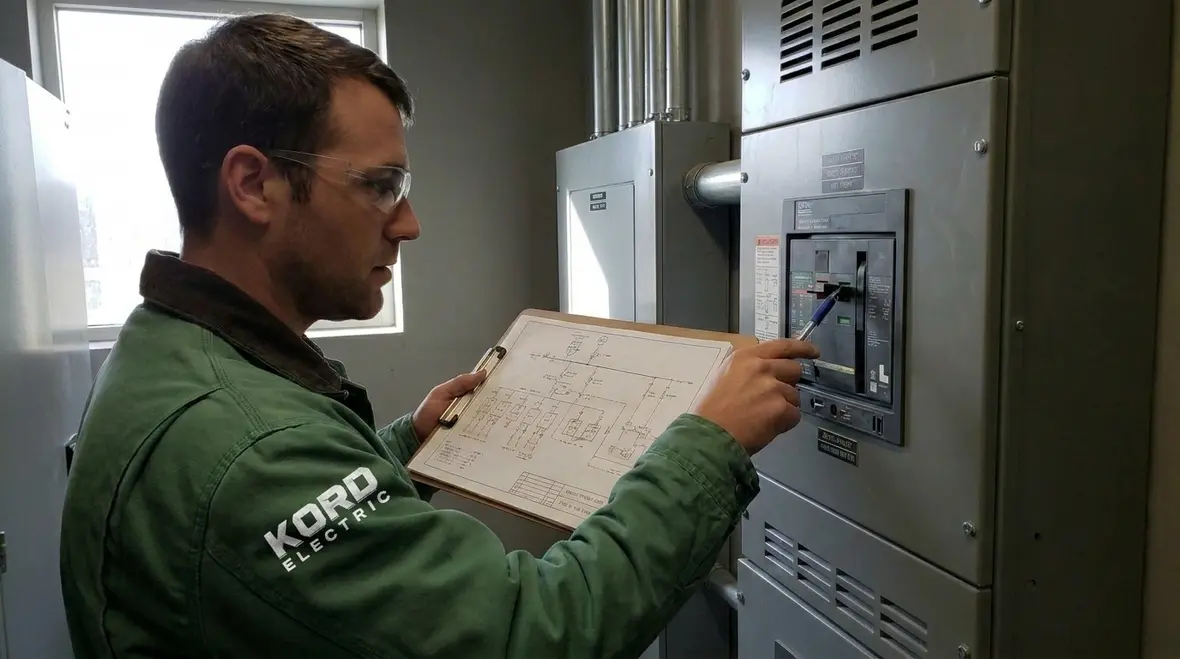
NEC breaker method of operation requirements in the real world
When a facility runs 24 7, “good enough” fails faster than a cheap adapter at a networking event. However, the operational method of a breaker matters even when everything appears fine, because problems often show up during abnormal conditions. For that reason, Section 240.80 pushes teams to treat breaker operation as a safety and coordination topic.
We often see confusion around what people mean by “reset.” Some teams reset breakers after a nuisance trip without checking why the trip happened. Others assume the breaker will behave exactly the same way every time, even though the system conditions vary. Therefore, Kord Electric guides teams to treat each trip event as information, not as an annoyance.
Our technicians explain what the breaker is doing and what the system is doing at the same time. Then we help the facility verify proper coordination so that upstream devices and downstream devices behave in a consistent way. In short, the code requirement leads to better engineering decisions and better operations.
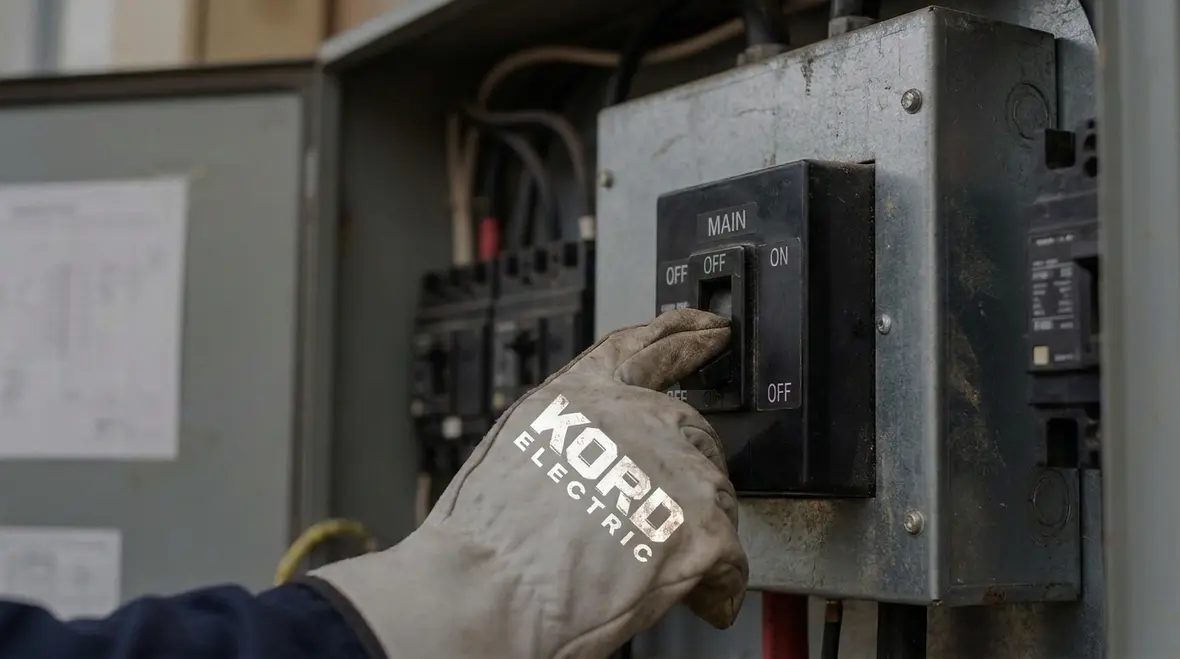
How the trip and reset behavior affects power reliability
Power reliability in commercial and industrial facilities depends on more than generation and switchgear. It also depends on how protection devices behave during faults and abnormal loads. Consequently, Section 240.80 supports reliable operation by requiring the breaker method of operation to meet set performance expectations.
Consider what happens when a short circuit or overload occurs. The breaker must trip in a way that matches its intended operation. Then, the reset action must follow a method that does not create unsafe states. If the breaker operation is unclear, facilities can experience repeated trips, delayed restoration, or awkward maintenance steps that increase downtime.
Furthermore, some systems include interlocks, relays, or remote monitoring. Those features often make a breaker’s operational behavior feel “smart.” Yet, smart control still depends on the physical breaker’s method of operation. So, the code requirement becomes even more important when automation enters the chat, because automation can amplify confusion if the underlying breaker operation does not match expectations.
Kord Electric typically checks the coordination sequence, the control scheme, and the actual breaker mechanism behavior. Next, we help the team plan maintenance so that restoration actions stay consistent during real events.
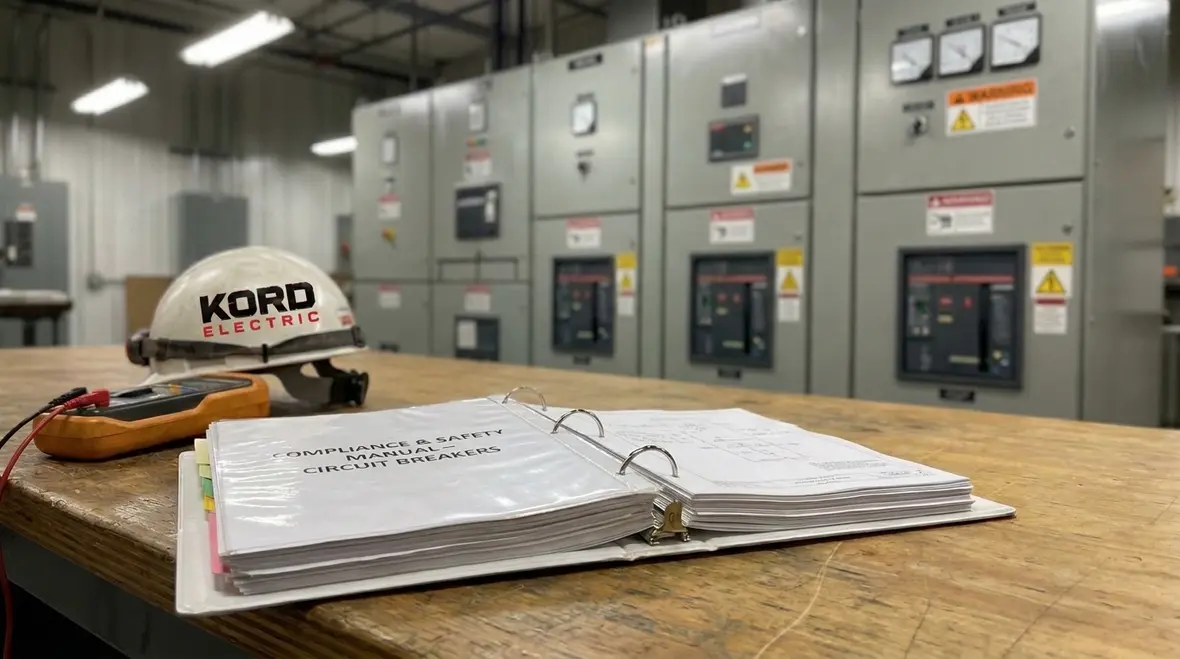
Commercial and industrial compliance: coordination and documentation
Commercial and industrial electrical systems usually include multiple voltage levels, feeders, and downstream loads. Therefore, a single breaker does not operate alone. It works as part of a protection chain. For that reason, we treat NFPA 70 Section 240.80 as a coordination and documentation requirement, not just a component rule.
First, we help facilities ensure the breaker’s operation aligns with the documented method of operation in the project record. That includes field verification, nameplate checks, and confirmation of the operational features the breaker uses for trip and reset. Second, we verify that protective device settings and coordination plans match the reality of how the devices will act under fault conditions.
Our technicians also help build a clear paper trail. In many major property buildings and large industrial sites, inspectors and facility managers want proof, not vibes. So, we provide notes, test summaries where applicable, and plain explanations tied to the code language and the equipment in service.
To keep this practical, we organize findings around what the facility can act on immediately. Then, we recommend next steps that reduce risk and protect uptime, which is the only kind of “compliance” that truly matters.
Popular failure points we see during inspections
Even careful teams can run into trouble when equipment changes over time. For example, facilities sometimes replace breakers without updating documentation or without confirming the new breaker’s method of operation matches what the system expects. As a result, the protection chain can become inconsistent, and troubleshooting becomes more painful than a long line at a holiday coffee shop.
Here are common issues that our expert service staff often uncovers in commercial and industrial facilities.
- Unclear reset procedures that do not match the breaker operation method used in the system
- Missing or outdated records that fail to show the installed breaker configuration
- Coordination gaps between upstream and downstream devices that lead to repeated nuisance trips
- Control scheme assumptions that conflict with the actual physical breaker operation
- Maintenance actions taken without confirming why a trip occurred
When these show up, we step in quickly. Next, we verify the installed equipment behavior, review the coordination plan, and align the documentation. After that, we explain the findings in simple terms so the facility team can maintain safe operation without a second guessing spiral.
Where Kord Electric fits for major property buildings
Kord Electric serves commercial and industrial facilities and major property buildings. We focus on making electrical protection systems work as intended under real conditions, not under ideal test bench conditions. Therefore, our process connects code language, equipment reality, and facility operations into one clear plan.
In many projects, it helps to compare the “what the code says” with the “what the building has.” To make that easier, we typically use a simple two level review that our teams follow.
Review focus What our team checks
Operational method How the breaker trips and resets under fault and overload conditions, and whether it matches the required method
System behavior Coordination between breakers and the control approach that influences restoration actions
Then, our technicians explain the results with direct language and clear next steps. If changes are needed, we recommend options that match the facility’s risk profile and operational needs, because downtime costs more than a good checklist.
Related code context: NEC, labeling, and ongoing upkeep
NFPA 70 sits at the center of electrical safety expectations, and the NEC broader framework supports consistent equipment performance and safe installation practices. Even though Section 240.80 focuses on circuit breaker method of operation requirements, the facility still needs to connect that with labeling practices, coordination planning, and routine maintenance.
Moreover, teams often overlook that breaker operation behavior must remain correct as the facility evolves. Equipment gets added, loads shift, and maintenance crews may replace components over time. Therefore, Kord Electric helps keep the system current, so the method of operation stays aligned with what the NEC expects.
For teams that also work with fire and life safety related systems, coordination across electrical and fire protection domains becomes even more important. We collaborate with the people who manage those systems so protection strategies align across the building, which helps prevent surprise failures during emergencies. In the same spirit, teams can also explore the broader NEC context through resources such as Kord Electric’s guide Understanding NFPA 70: The National Electrical Code Explained For 2026 and Kord Fire’s coverage of NFPA 70: All About The National Electrical Code (NEC) 2026, especially when their facilities use electrically tied controls and emergency functions.
FAQ: NFPA 70 240.80 breaker operation and compliance
Call Kord Electric for breaker operation clarity and safer uptime
If your facility needs a clear, code aligned path for circuit breaker method of operation requirements under NFPA 70 Section 240.80, Kord Electric is ready. We bring experienced technicians who verify what the breakers do in the field, check coordination across the system, and explain every finding in plain business language. Then, we help your team take next steps that reduce risk and protect uptime. For a deeper look at how we support commercial and industrial power systems across Southern California, you can also review our Los Angeles County electrical services overview to see how NEC-driven protection work fits into your broader electrical strategy.
Reach out to us today so your electrical protection stays dependable, not dramatic.


