
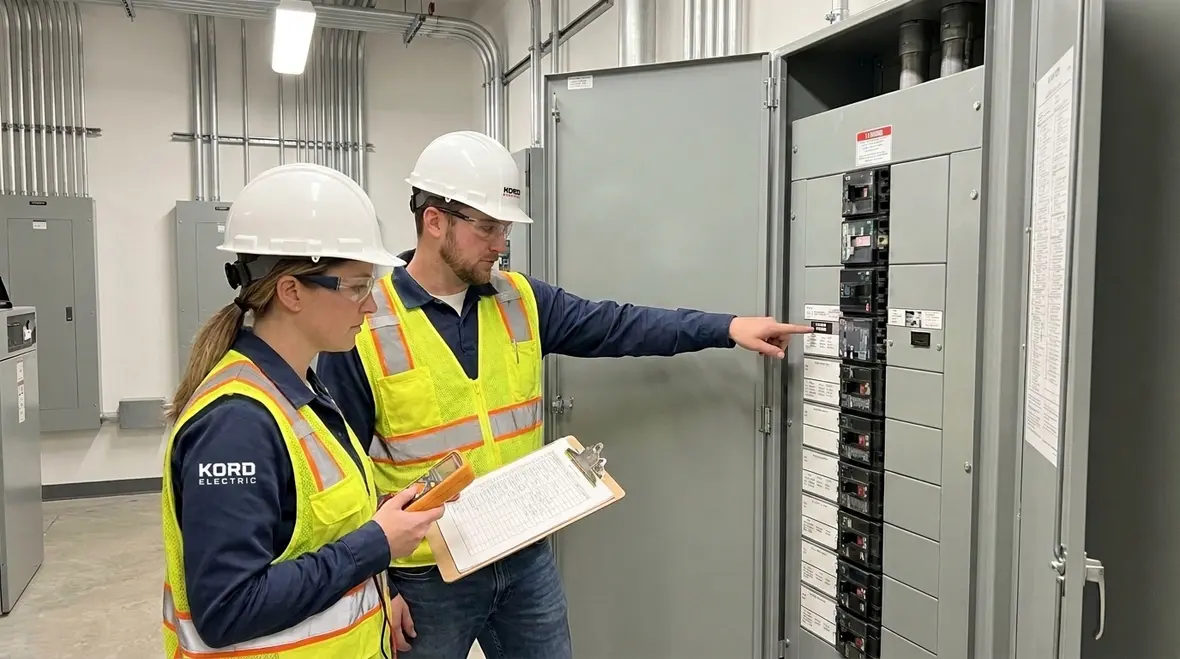
NEC Circuit Breaker Classification NFPA 70 240.61
NEC circuit breaker classification: why it matters on real job sites
In commercial and industrial facilities, we do not treat wiring rules like suggestions. We treat them like a contract. That is why NEC circuit breaker classification rules under NFPA 70 Section 240.61 gets our attention first. In plain terms, this section tells us how circuit breakers get classified, so the protection you install matches the job you expect. And when those classes do not line up, the results can get ugly fast: nuisance trips, weak fault clearing, and a compliance issue that always seems to show up during the busiest week of the year.
As Kord Electric, we build our approach around what the code actually demands. Then we explain it with our technicians and expert service staff present, because if you cannot understand the decision, you cannot manage the risk. And yes, we have all heard the joke about breakers that “trip for attention.” In our world, the only attention that matters is from the inspector with the clipboard and a schedule that does not care.
What NFPA 70 Section 240.61 really governs
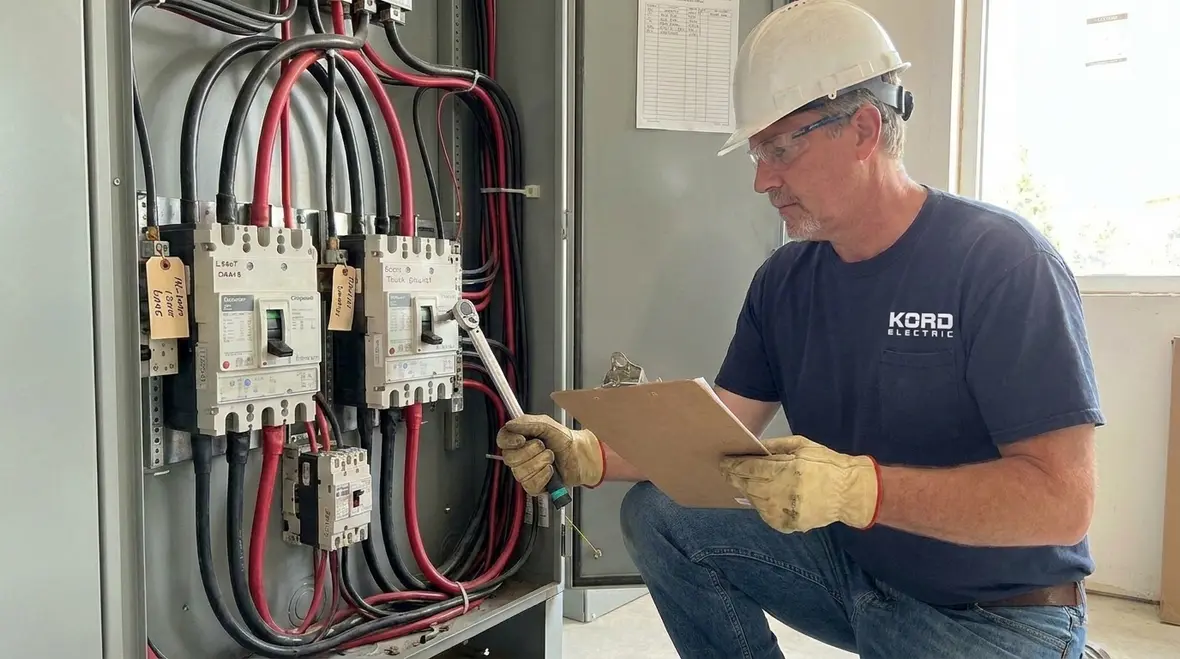
NFPA 70 Section 240.61 focuses on the rules used to classify circuit breakers. However, it does not do it in a vague way. It ties classification to performance expectations so the breaker can handle specific conditions tied to the wiring system.
First, it links breaker behavior to how the device should respond to faults and overloads. Next, it supports correct application across different parts of a facility. For commercial and industrial sites, this matters because you often have multiple loads, varied conductor sizes, and long runs where fault levels and coordination challenges show up in the field.
Our expert service staff often tell teams the same story: electricians can install gear quickly, but the system still has to protect the system. Therefore, we recommend starting with the classification expectations before equipment procurement. That way, when the panel schedule lands on the desk, it reflects intent, not guesswork.
How breaker classification supports correct protection and coordination
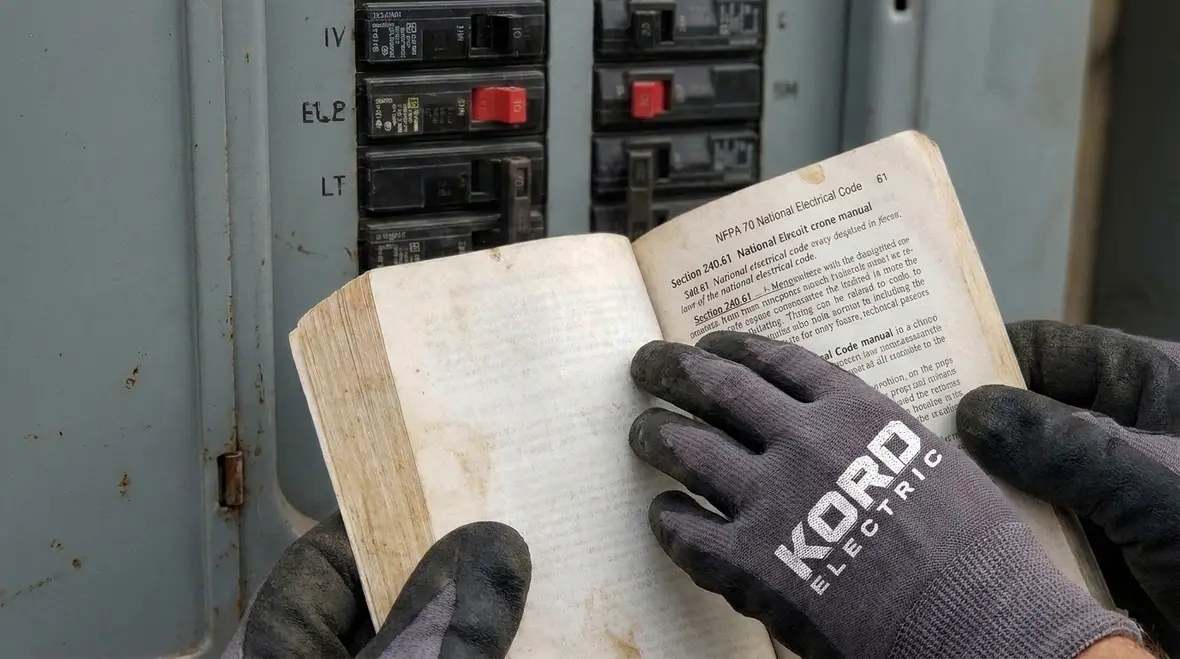
Many people focus on the breaker label. Then they forget the label has a job. NEC circuit breaker classification decisions guide how equipment clears faults while limiting damage. Additionally, the right classification helps with coordination between upstream and downstream protection. That coordination matters in layered systems like typical commercial buildings: feeders, mains, branch panels, and disconnects all have to work as one chain, not as a pile of parts.
We also see how classification affects nuisance tripping. When a team selects a breaker without matching the expected load behavior, the facility can suffer interruptions that management does not plan for. And if the interrupt becomes frequent, people stop trusting the protection. That is when small issues turn into big ones, because someone bypasses the process to “keep the lights on.”
So we take a deliberate path. We help others review the system goals, then we align the breaker classification with the load and fault environment. Our technicians explain the “why” during walkthroughs, so engineers, facility managers, and electrical contractors share the same mental model. In other words, we reduce surprises before they can start charging interest.
Field factors that change breaker performance
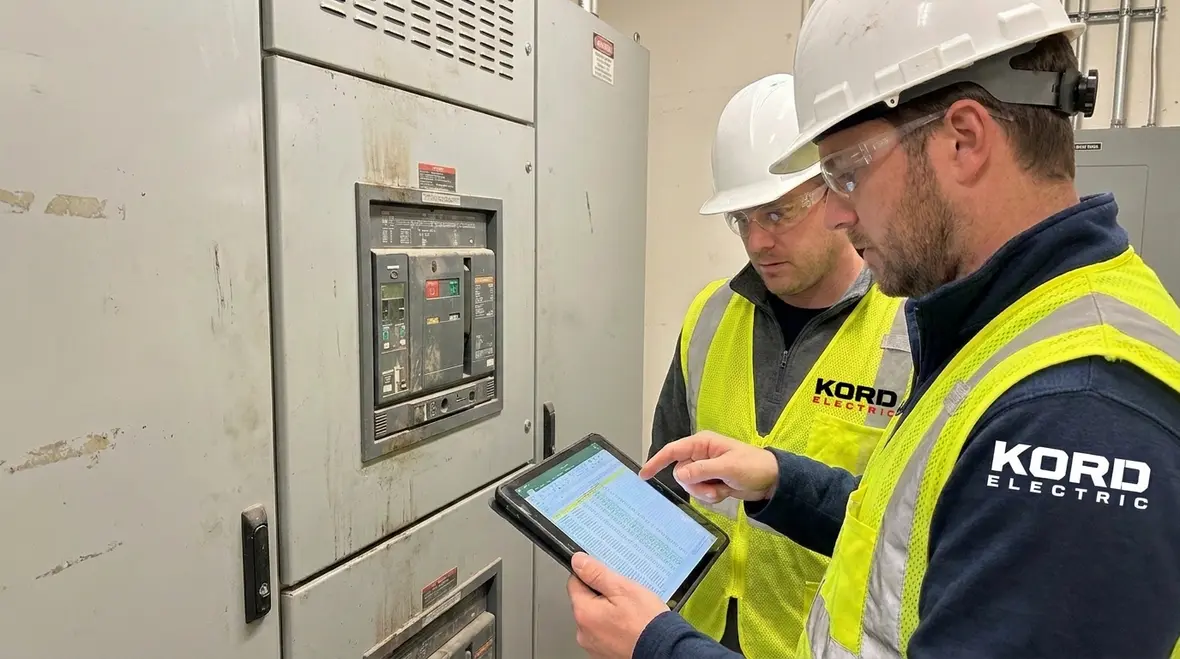
Classification does not exist in a vacuum. Even when the selection follows the code, real conditions still influence outcomes. For commercial and industrial facilities, these factors come up regularly.
Load type and duty cycle. Motor loads, UPS systems, variable frequency drives, and process equipment do not behave like simple resistive heaters. Each type can affect current waveforms and the way protective devices respond.
Service conditions and fault levels. Utility configuration, transformer size, available fault current, and conductor lengths all affect fault currents. Then the breaker needs the right classification to interrupt properly.
Ambient temperature and installation style. Enclosure ratings, ventilation, and grouping can impact thermal performance. Therefore, the same breaker classification can perform differently if the installation environment changes.
Our approach at Kord Electric stays practical. We do not just point at a table. We ask how the building actually runs, then we map those realities to the protection plan. Our technicians also show the specific checkpoints during commissioning, because the best time to catch a mismatch is before the equipment starts acting like it has a personality disorder.
Conductor sizing and system design choices that must align
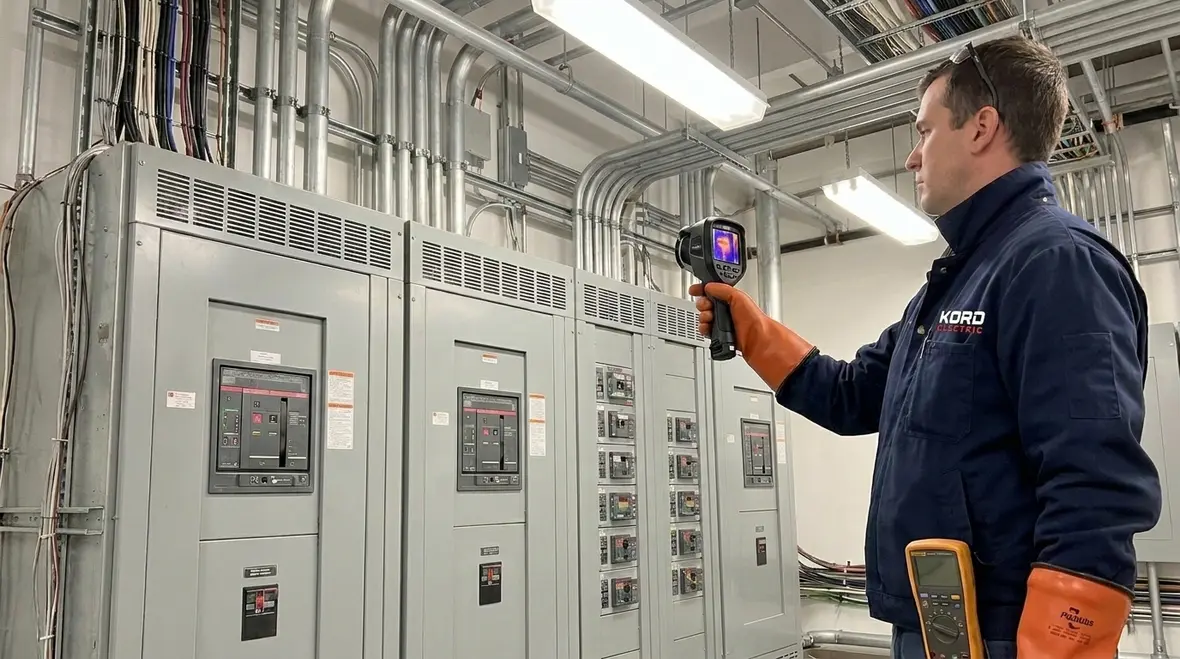
Breaker classification and conductor sizing work together. If a facility team sizes conductors without considering how the breaker will clear faults and limit energy, the design can drift away from the intent of the NEC.
For example, conductor ampacity rules, insulation ratings, temperature adjustments, and equipment termination ratings all shape the safe current carrying ability of the system. At the same time, the breaker rating and trip characteristics shape how the system responds when something goes wrong. When those pieces align, protection works predictably. When they do not, the protection may fail to clear in time, clear too easily, or allow excess stress through a device that should have been protected.
That is why we recommend a design review step for major property buildings and commercial projects. We help others validate that the breaker classification matches the application, and then we verify that the conductors and terminations support the plan. Our technicians explain this in plain, job site language, so the team can trace the logic from code requirement to final installed condition.
Compliance planning for commercial and industrial facilities
Compliance does not happen when the inspector arrives. It happens earlier, during design, procurement, and commissioning. Additionally, it happens through documentation that ties the design intent to what gets installed.
When Kord Electric supports a facility, we help others build a smooth path through the process: review the single line diagram, confirm the correct breaker classification rules for each protective device, and align the plan with the intended load behavior. Then, we ensure the installation matches the schedule. After that, we help coordinate testing and labeling so the site remains clear and audit friendly.
Quick coordination checklist we use on major commercial jobs
- Confirm protective device classification matches the application
- Match conductor ampacity and termination limits to the protective plan
- Verify upstream and downstream coordination goals
- Document settings, device types, and commissioning results
- Train facility staff on what the breakers protect and why they trip
And yes, we still include a human moment in the plan. When our expert service staff explains the system during handover, people stop treating breakers like mystery boxes. Instead, they understand how the protection strategy protects people, assets, and operations.
Where electrical protection connects to life safety
Electrical protection and life safety share the same mission: prevent harm and limit damage when problems occur. We see this link clearly in facilities where fire pumps and emergency power systems operate under strict reliability expectations.
Organizations that serve fire protection communities often highlight the need for dependable power systems and coordinated electrical design. We take that seriously on commercial and industrial sites, because emergency systems cannot shrug off faults like ordinary equipment. Therefore, the NEC circuit breaker classification approach becomes part of the bigger reliability story, not just a compliance checkbox.
For teams that manage or specify emergency systems, we recommend treating the electrical protection plan as part of the life safety design. Then you can align emergency loads, fault clearing strategy, and coordination with the expected operating conditions. At Kord Electric, our technicians help teams connect those dots so the electrical system supports the fire and emergency goals.
If you want a broader overview of the NEC framework that supports these protection choices, it can help to review our guide Understanding NFPA 70: The National Electrical Code Explained for 2026 as a companion resource. That way, your NEC circuit breaker classification decisions sit on top of a clear understanding of the overall code structure, not just isolated sections.
How NEC circuit breaker classification supports long-term reliability
When you zoom out beyond any single panel, NEC circuit breaker classification becomes part of a long-term reliability story for the entire facility. The choices you make on day one shape how gracefully the system handles growth, renovations, and everyday wear.
A well-classified breaker lineup supports predictable selective coordination. When a fault occurs on a branch circuit, the correct device clears first, and upstream equipment stays online. That behavior matters in real life when data center racks, production lines, or tenant spaces depend on upstream feeders that cannot take repeated hits from misapplied protection.
It also supports realistic maintenance strategies. When technicians know exactly which breakers protect which conductors and loads, they can schedule testing, infrared inspections, and maintenance outages without playing guessing games. That level of clarity makes it easier to integrate NEC circuit breaker classification work into broader programs like electrical asset site analysis and emergency power planning instead of treating it as a one-off task.
At Kord Electric, we regularly connect this classification work to larger initiatives, such as data-driven electrical design for commercial and industrial facilities and targeted surge protection strategies. When the classification, coordination, and protection layers all speak the same language, the facility sees fewer “surprise episodes” and more calm operating days.
Design review and documentation that inspectors actually trust
Another practical benefit of getting NEC circuit breaker classification right is how it simplifies conversations with inspectors and authorities having jurisdiction. When your documentation clearly shows breaker classes, ratings, settings, and coordination intent, the inspection stops feeling like a defensive debate and starts feeling like a walkthrough of a plan well executed.
We encourage project teams to capture three layers of information before commissioning:
- Design intent: how each breaker’s classification supports conductor protection, fault clearing, and coordination goals
- Device data: manufacturer information, trip units, interrupting ratings, and any field-adjustable settings
- As-built verification: field notes, test results, and confirmation that conductors and terminations match the design
When that package is ready before the inspector steps onto the site, questions shrink, surprises fade, and everyone moves faster. The team can focus on confirming safety instead of scrambling to explain last-minute changes or undocumented substitutions.
Integrating NEC circuit breaker classification into broader electrical strategy
In a busy commercial or industrial building, electrical strategy does not live in one binder or one drawing set. It lives in the way systems are upgraded, expanded, and maintained over time. NEC circuit breaker classification fits into that bigger picture when every change triggers the same question: “Does this new work still align with our protection and coordination plan, or are we creating a hidden mismatch?”
We often see classification decisions revisited when tenants add technology, when a facility adds EV charging, or when a plant upgrades production equipment. In each case, available fault current, load profiles, and conductor paths can shift. Treating NEC circuit breaker classification as a living part of the electrical strategy keeps the system honest as those shifts accumulate.
This is also where a regional partner matters. For facilities across Los Angeles County and surrounding areas, our team at Kord Electric aligns classification reviews with local requirements and practical field experience. Whether you are planning new construction, a major renovation, or targeted protection upgrades, we help you see how each breaker decision fits into the long-term reliability story.
If your facility is considering deeper upgrades beyond protection alone, you can see how we support complex projects on our Los Angeles County electrical services page, where we outline how design, installation, and maintenance all work together to protect uptime.
FAQ
Ready to validate NEC circuit breaker classification for your facility?
Kord Electric supports commercial and industrial facilities that need dependable power protection, not guesswork. Our technicians and expert service staff review breaker classification rules, coordinate protection strategy, and help align conductors, documentation, and commissioning to the intent of the NEC. If your project is large or your systems are critical, reach out early so we can catch mismatches before they cost downtime. Call us today or request a site review, and let us make your electrical protection plan feel as calm as it should.
External references consulted by our team during research: Kord Electric blog and Kord Fire resources, including NEC background explanations.


