

NFPA 70 240.54 Type S Fuse Adapters and Fuseholders
Kord Electric helps commercial and industrial facilities keep power systems safe, and we do it with practical, code minded guidance. Recently, our team has noticed a common problem: people treat the fuse adapter like a quick hardware fix instead of the safety device it really is. That is why we often begin with NEC type S fuse adapters and the intent behind them. In this article, others learn the “why” behind NFPA 70 Section 240.54, and our experienced technicians explain what changes in the field, what stays the same, and how to avoid the costly mistakes that look harmless in the moment.
What NFPA 70 Section 240.54 actually protects in real life
NFPA 70 sets rules so electrical equipment behaves safely under normal operation and during faults. Section 240.54 focuses on Type S fuse adapters and fuseholders and it targets a simple reality. When a fuse operates, the system must support the proper current interruption path. If the wrong adapter or fuseholder gets used, the fuse may not clear safely, heat can rise, and the enclosure can end up in a situation it was never designed to handle. In other words, your breaker panel might look fine until it does not, and then everyone suddenly becomes an expert electrician on the internet. We would rather you skip that part.
Our service staff explains the goal this way: Type S fuseholders and adapters must be matched so the fuse sits correctly, the contact pressure stays reliable, and the mechanical and electrical environment stays within the expected limits. Therefore, the code is not just paperwork. It is a design requirement for safety and performance.
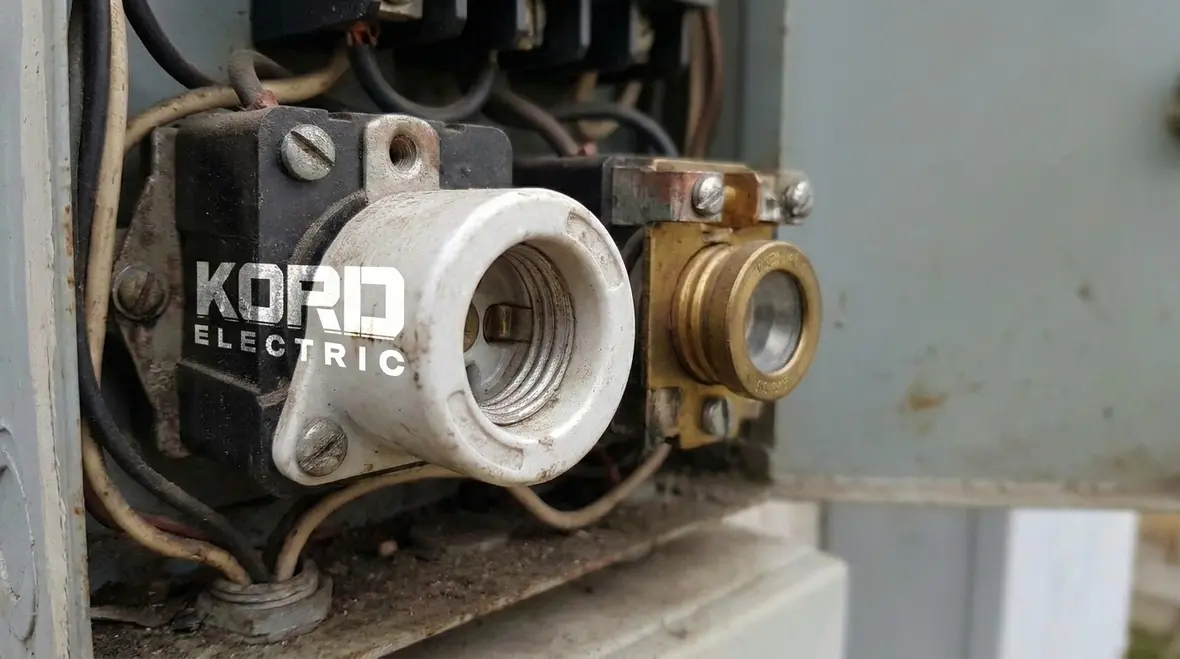
What a Type S adapter and fuseholder setup must achieve
Section 240.54 does not treat these components as interchangeable. Instead, it requires that Type S fuse adapters and fuseholders work together as a tested system. Even when the fuse itself is the right rating, the adapter and fuseholder still control how the fuse mounts, how it interfaces with the equipment, and how it completes the electrical circuit.
At Kord Electric, our technicians focus on four practical outcomes during inspections and service work:
- Correct fuse alignment so the fuse terminals and contacts engage as intended
- Reliable electrical connection so heating does not occur at loose or misfit interfaces
- Proper mechanical support so the fuse stays secure under vibration and thermal cycling
- Expected fault clearing behavior so the fuse can interrupt without creating unsafe conditions
Meanwhile, we also remind facility managers that “works today” is not the same as “safe for the next fault event.” And if you have ever watched a door that squeaks for years until it finally jams, you already understand the difference.
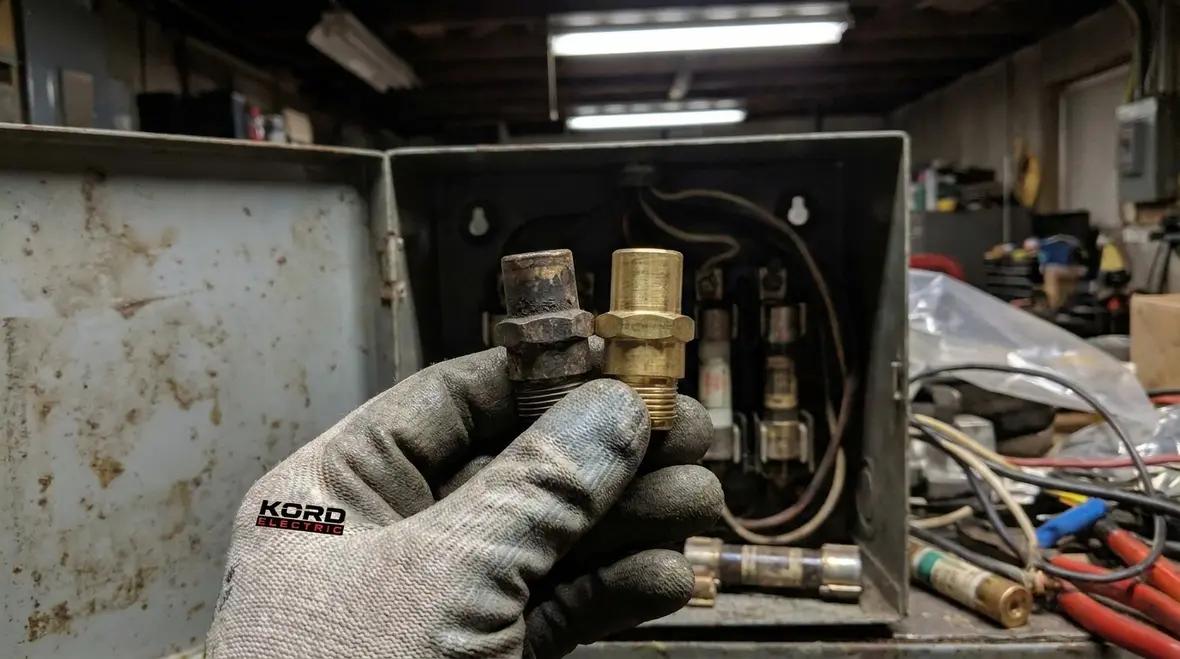
NEC type S fuse adapters in the field: common compliance traps
Commercial and industrial sites face real constraints. Technicians get rushed, labels go missing, and maintenance teams sometimes replace parts quickly to keep production running. However, when a team uses an incorrect fuse adapter or changes the setup without confirming compatibility, problems can show up later, or they can show up immediately. Either way, nobody wins.
Based on the kinds of issues we see at Kord Electric, these traps appear again and again:
- Using a “similar looking” adapter instead of a listed and compatible Type S fuse adapter
- Mixing components across breaker sections or enclosures without verifying the manufacturer instructions
- Replacing a fuseholder without checking the adapter requirements and then assuming the fuse rating solves everything
- Relying on visual fit only rather than confirming the device is intended for that application
Additionally, some facilities follow a maintenance rhythm that ignores code intent. For example, they might focus on the fuse rating and skip the fuseholder and adapter pairing. Yet the code emphasis in Section 240.54 exists for a reason: the fuse adapter and fuseholder shape the safety path when faults occur.
How our expert service staff explains code in plain language
When people ask us about NFPA 70 and fuseholder rules, we do not hide behind jargon. Instead, our technicians explain the logic behind the equipment. They start with the basic idea: a fuse is not just a metal strip that breaks. It is a protective device designed to interrupt fault current in a specific way. Therefore, the fuse adapter and fuseholder must support that interruption safely.
To make this clear, our team often walks clients through a simple workflow. First, we confirm the equipment’s intended fuse type and adapter family. Next, we compare what is installed with what the listing and manufacturer guidance supports. Then, we check the physical condition of the fuseholder, because wear and heat damage can create resistance and reduce reliability over time. After that, we document what we find so the next maintenance visit does not become a mystery novel.
We also coordinate with facility electrical teams for major property buildings and larger commercial operations. That coordination matters because shutdown schedules, spare parts, and loading conditions create pressure. Still, when we handle Type S fuse adapter and fuseholder replacements, we do it in a way that supports safe performance and reduces repeat issues.
Design and maintenance practices that support safer fuseholder use
Code compliance does not end at the moment parts get installed. We help customers build safer habits around fuseholder systems. That is how you prevent small problems from turning into big outages. And yes, outages have a way of showing up at the worst possible time, like a villain in a superhero movie who only appears during the final act.
Here are practical practices that our technicians apply during inspections and service visits:
- Use listed, compatible components and follow equipment manufacturer instructions
- Verify installation details including contact condition, mounting security, and correct fit
- Document the part numbers so future work stays consistent and traceable
- Inspect for heat related damage because loose connections can mimic other faults
- Plan replacements with downtime awareness so you avoid rushed substitutions
Furthermore, we align our work with the broader NEC approach to safe electrical design. If you review NEC guidance for the 2026 cycle, you will see a consistent theme: proper equipment selection and correct installation create safer outcomes. You can read more context from our related materials at Kord Electric and Kord Fire, including NEC overviews and NFPA code guides that connect electrical rules with practical building decisions. Our clients often find that the “big picture” helps them make better choices during field work.
For readers who want a companion reference on the wider National Electrical Code framework, Kord Electric also provides an in depth article on the NEC and commercial facilities in the 2026 cycle. You can explore that resource at Understanding NFPA 70: The National Electrical Code Explained for 2026 to see how Section 240.54 fits into the broader system of protective devices, overcurrent coordination, and safe equipment application across your building.
Where these rules show up beyond the panel
Section 240.54 may seem like a detail clause, but in practice it affects how sites manage power distribution reliability. Fuseholders and adapters can show up in distribution boards, control circuits, and protective setups that support ongoing operations. When a facility uses proper NEC type S fuse adapters, the system can handle fault scenarios more predictably because the fuseholder setup supports the listed interrupting design.
In addition, facilities with life safety systems, motor controls, and critical loads often face higher scrutiny. Even when the end goal is continuity of service, compliance plays a role. Our commercial and industrial clients know this, and our technicians help them connect the dots so the protection system works as designed. That approach reduces confusion during audits and reduces the chance of “temporary fixes” that stay in place far too long.
The same attention to detail that protects fuseholder performance also supports broader reliability efforts. Many of our customers coordinate fuseholder reviews with larger projects like lighting upgrades, data center power improvements, and zero-downtime strategies. Those programs are often supported by our wider Los Angeles County electrical services, so your Type S fuse work does not sit in isolation from the rest of your power system planning.
FAQ about NFPA 70 Section 240.54 and Type S fuseholders
Final word from Kord Electric
If your facility uses Type S fuses, we recommend treating fuse adapters and fuseholders as a matched safety system, not a casual replacement item. NFPA 70 Section 240.54 exists to prevent unsafe fault clearing and reliability failures, and our technicians help you confirm compatibility, correct installation, and proper maintenance. Kord Electric serves commercial and industrial facilities and major property buildings, and we make the code practical. Contact us to review your fuseholder setups and plan safe service before the next fault turns into a surprise.
When you are ready to connect safer fuseholder practice with broader electrical reliability, our team can also align your NEC type S fuse adapters work with structured maintenance programs, troubleshooting support, and project planning through our regional services. That way, your panels, feeders, and protective devices follow the same standard of care as the rest of your mission critical electrical infrastructure.


