
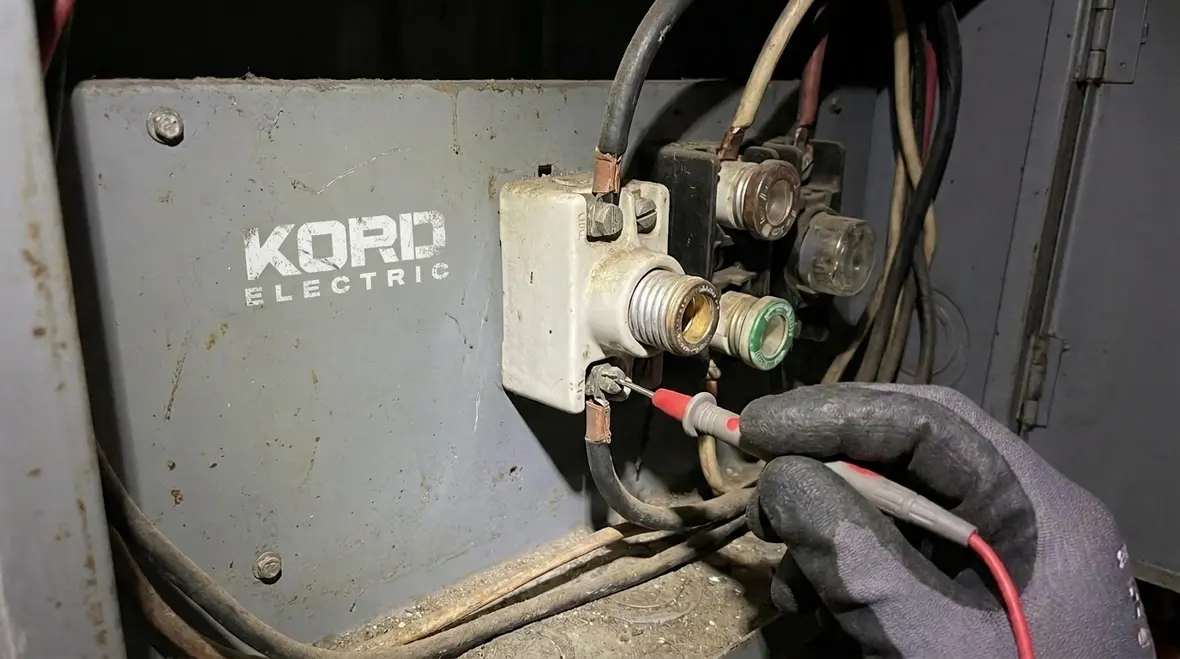
NFPA 70 Section 240.52 Edison Base Fuseholders
Kord Electric often starts with a simple reality for commercial and industrial sites: the protective gear you trust has limits, and those limits matter. That is why our electricians and expert service staff pay close attention to NEC edison base fuseholders and how they behave under real load conditions. In the field, we see people treat fuseholders like set dressing, the electrical version of a “one size fits all” hat. Then, when something overheats or a fuse fails, the hat no longer fits. So, we take a slow, careful look at NFPA 70 Section 240.52, so building owners, facility managers, and contractors can plan safety, not just repairs.
Commercial and industrial sites need fused protection that stays within limits
In commercial and industrial buildings, protection systems must do more than “work.” They must work predictably, at the right temperature rise, with the right fuseholder construction, and with the right derating and replacement practices. Therefore, when we discuss NFPA 70 Section 240.52, we do it with the mindset of a site manager: what happens during normal operation, what happens during faults, and what happens after the system runs long enough to build up wear.
Our service staff explain it this way. If a fuseholder cannot safely accept the fuse rating and the current path design, the fuse may not clear faults the way the design assumes. And when a fault happens, assumptions do not clear themselves. They just sit there like that one coworker who always misses the meeting and still insists they were “almost there.”
Additionally, we follow the NEC logic in plain terms. When the Code sets limits for a specific class of fuseholders, we respect those limits because the safety margins depend on them. As a result, the right selection reduces nuisance issues and helps prevent damage to conductors, panels, and upstream components.
NFPA 70 Section 240.52: what it restricts and why it matters
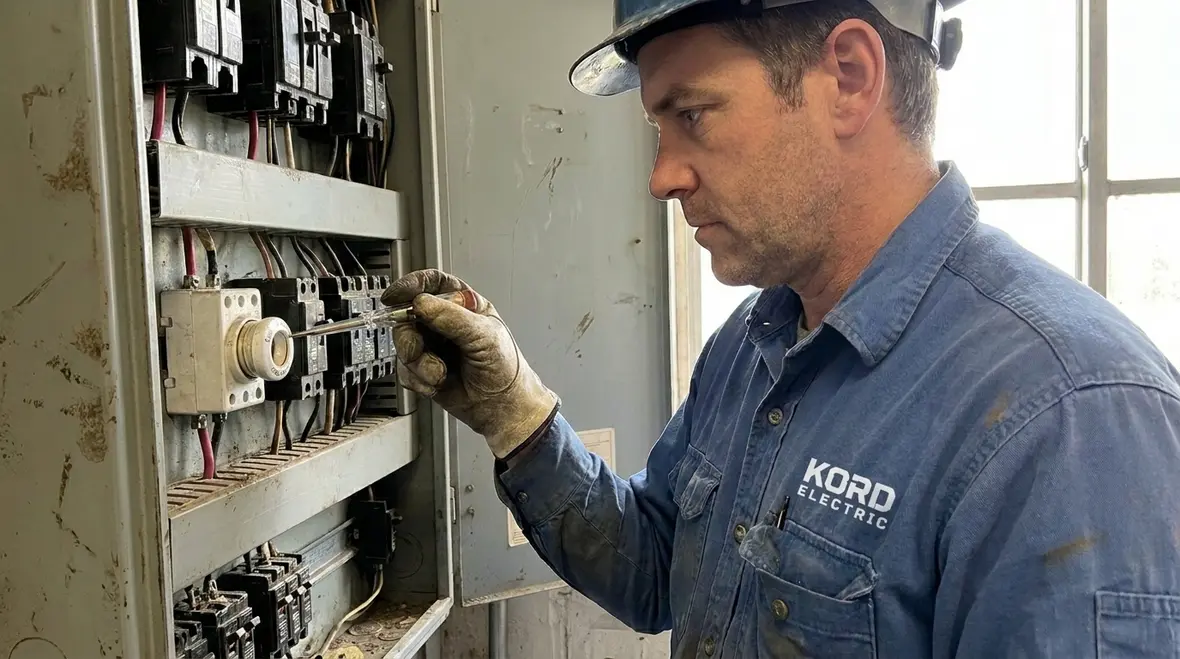
NFPA 70 Section 240.52 addresses Edison-base fuseholders and their limits. In practical terms, this section focuses on the construction, connection, and application boundaries that keep these devices safe when used as intended. Even though people may call them “Edison-base holders,” the Code treats them as engineered components with specific behavior under load and fault current.
First, the section helps prevent mismatched use. A fuseholder designed for one set of fuse characteristics should not be used as if it were universal. Therefore, when a site wants to “save time” by using a substitute holder, we usually stop that plan early.
Second, the section protects against dangerous temperature rise and insulation stress. Fuseholders experience heating during operation, and they face even more stress during fault conditions. As a result, if a fuseholder fails those limits, it can create hazards such as loose connections, arcing, or damage that spreads beyond the original device.
Third, it supports consistent clearing behavior. The fuse needs to work with the holder design so the current path, contact pressure, and enclosure behavior match the expectations that the Code uses when it sets requirements. In short, the fuseholder does not just “hold.” It participates.
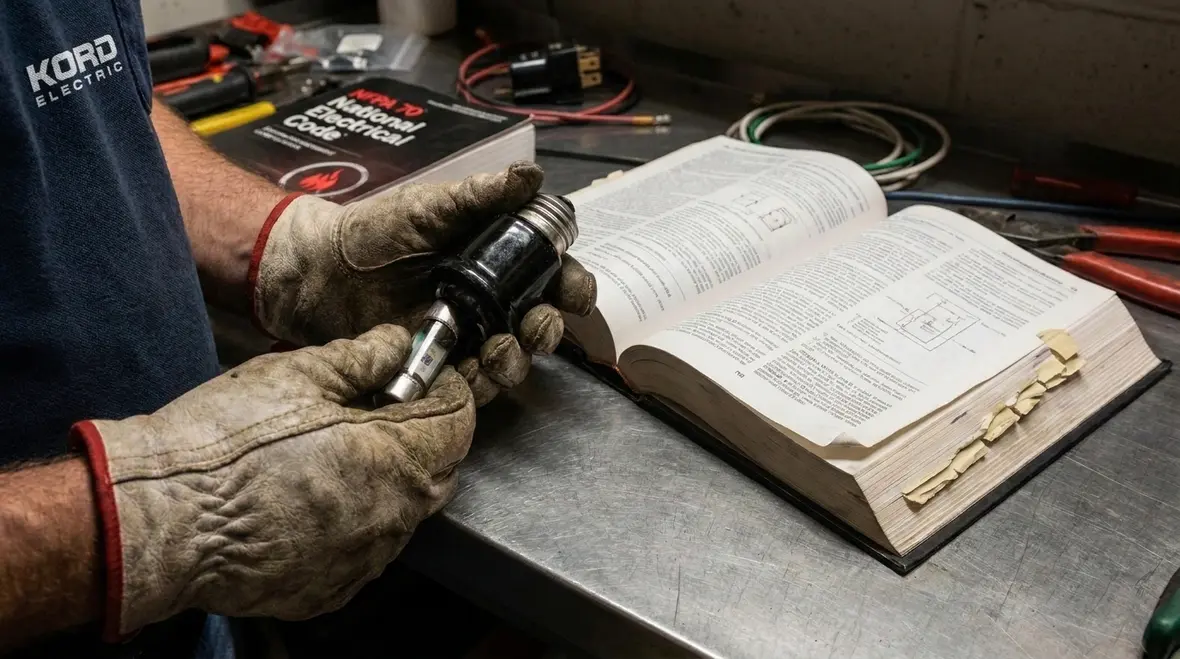
How Edison-base fuseholders differ from other fuse systems
Edison-base fuseholders use a threaded base and standardized construction that many people recognize because they look familiar. However, familiarity is not the same as interchangeability. In many facilities, maintenance crews inherit older equipment, and they may find holders that appear similar at a glance. Then they swap parts quickly and call it done.
Yet, a fuse system is a chain, and Edison-base designs have unique mechanical and thermal details. Therefore, even small differences in contact design, base material, and holder ratings can affect performance. Our technicians explain that the “same size” can still mean “different electrical path.”
Also, Edison-base holders usually get compared to other fuseholder types that use different mounting, connection methods, and enclosure requirements. When teams mix these systems without confirming compatibility, they can end up with weak contact points or improper installation depth. Consequently, the system may not protect the conductors the way it should.
For large facilities, the risk is not just a single blown fuse. The bigger risk is downtime, repeat failures, and damage to upstream devices. And if anyone thinks that is an exaggeration, we ask them to picture a pump room where every interruption turns into a scheduled emergency call.
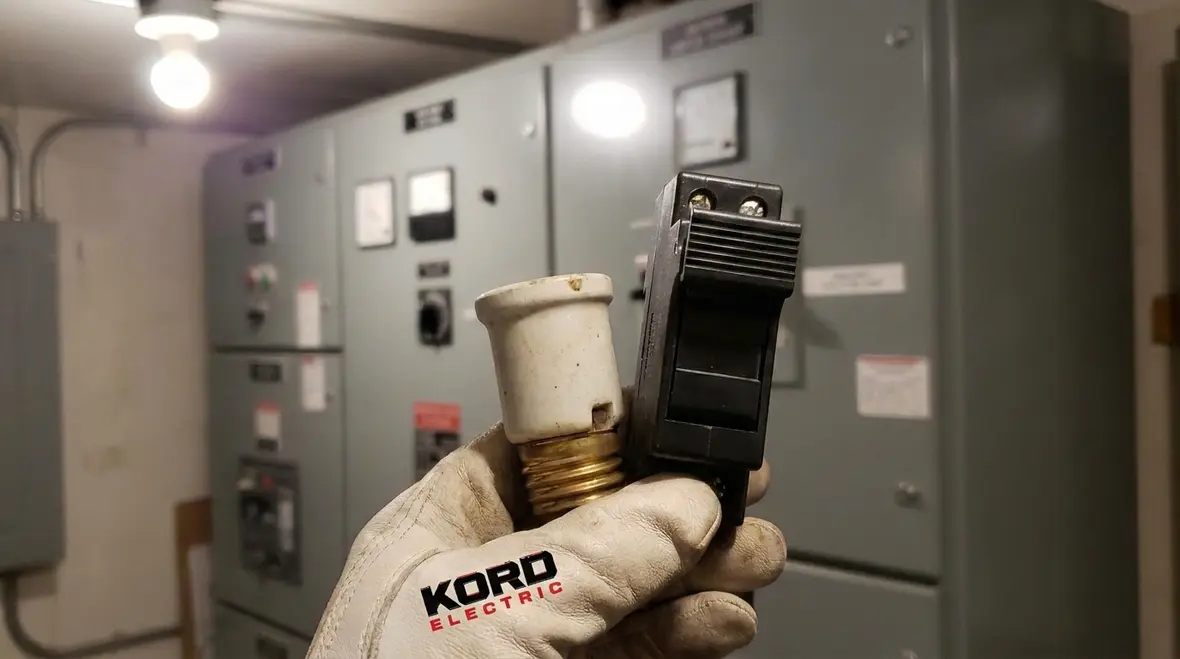
Common failure paths we see during inspections
When our expert service staff walk through commercial and industrial buildings, we often spot patterns. Over time, we notice the same failure paths tied to improper fuseholder limits, incorrect fuse selection, and installation habits that quietly drift.
First, we see mismatched fuse and holder ratings. Sometimes a site uses a fuse that is close enough by label. Then the fuseholder does not handle the thermal profile as the manufacturer and NEC framework intend. That can lead to looseness, discoloration, or accelerated wear.
Second, we see contact degradation. Fuseholders rely on stable mechanical pressure and reliable electrical contact. If the holder experiences repeated heating and cycling, contact surfaces can degrade. After that, even the “right” fuse can behave differently because the holder no longer maintains a clean, tight interface.
Third, we see poor installation practices. A technician can mount a holder too loosely, torque it inconsistently, or ignore enclosure requirements. Therefore, we train maintenance teams to follow the installation instructions from the equipment manufacturer and the NEC rules. That approach reduces the chance that the holder becomes a hotspot.
Finally, we see substitution without verification. People replace damaged parts with what is on hand. Yet on a job site, “on hand” does not always mean “approved for the exact base and application.” Consequently, the system can fail under conditions it never failed before.
Also, for sites that also plan fire pump systems or water-based emergency response, we treat electrical reliability as part of the whole life safety chain. If a facility is balancing power, pumps, and alarm systems, it cannot afford intermittent electrical protection issues. In this area, we align our practices with the broader safety intent that groups like firepumps.org and dedicated fire protection teams emphasize when it comes to reliable emergency performance.
Installation and replacement best practices for site teams
We recommend a method that feels calm and repeatable for facility teams. First, confirm the existing equipment design. Next, match the fuseholder construction and rating to the intended fuse type and circuit needs. Then, document the change so the next maintenance cycle does not become a guessing game.
To make this easier, we follow a checklist mindset during service work:
- Verify compatibility: Match the fuse rating, base type, and holder rating for the exact circuit function.
- Inspect contact condition: Look for heat marks, looseness, or signs of arcing. Replace holders when needed, not just fuses.
- Use proper mounting and torque: Install holders as the manufacturer requires so the electrical path stays solid.
- Respect enclosure needs: Keep protective cover requirements intact so the holder remains safe in its environment.
- Plan for maintenance: Schedule inspection intervals for high cycling equipment and high load areas.
Our engineers and field technicians also explain the “why” to maintenance teams. When people understand temperature rise and fault clearing behavior, they stop treating fuse systems like disposable accessories. And that is where safety becomes routine instead of a scramble.
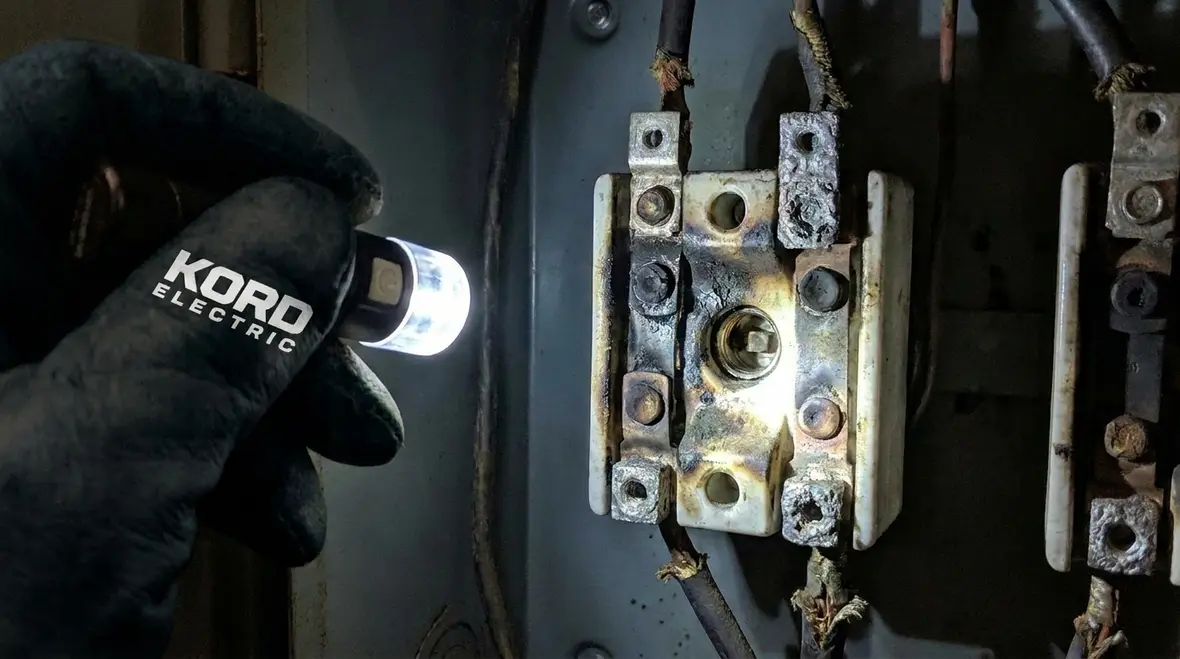
NEC edison base fuseholders: selecting the right part for reliability
In real buildings, selection is not a one-time purchase decision. It is a lifecycle decision. So, when we help facilities choose components, we focus on three things: the circuit duty, the fuse and holder coordination, and the environmental conditions. For many commercial and industrial panels, the holder and fuse must work together in a way that stays within the code intent and the manufacturer limits.
Therefore, we advise site teams to avoid “close enough” swaps. If a fuseholder is not designed for the circuit or for the specific fuse type, it can fail to deliver proper protection. Moreover, even if it seems to function at first, long-term wear can cause contact issues that show up months later when the building is busy and no one wants downtime.
To keep this clear, our team at Kord Electric often uses a quick comparison during planning sessions. One technician may be thinking about mechanical fit, another about electrical rating, and another about inspection risk. When we align those views early, the job stays clean. The result is a protection system that behaves the way the design expects, not like a “mystery novel” no one asked for.
In dual perspective, here is how we compare the key factors across two viewpoints:
| Facility team asks | Our technicians confirm |
| Will this holder handle the fuse we need? | We match fuseholder and fuse ratings and confirm compatibility for the circuit duty. |
| Will it stay reliable over time? | We inspect contact condition and ensure installation supports stable temperature rise. |
| Can we service it quickly later? | We document replacement parts and confirm the correct base and enclosure behavior. |
Then we keep it practical. We also coordinate with teams that handle related code questions for building electrical systems, including the broader NEC approach discussed by Kord Fire resources that explore NFPA 70 scope, application rules, and overcurrent protection strategy for facilities. When facilities want a paired resource, they often review Kord Electric’s article Understanding NFPA 70: The National Electrical Code Explained for 2026 alongside their fuseholder plans so branch circuits, overcurrent protection, and device selection all point in the same safe direction.
From there, we connect fuseholder choices to broader reliability work. For example, when a facility is planning an electrical code upgrade, surge protection, or new distribution for critical spaces, fuseholder limits become one part of a larger NEC story. Instead of treating NEC edison base fuseholders as background props, we treat them as front-row players in how the protection behaves when something actually goes wrong.
Tying fuseholder choices to wider system planning
Fuseholders rarely fail alone. When we see problems in the field, they tend to appear alongside issues like loose neutral bars, overloaded branch circuits, and aging devices that no one has inspected in years. That is why we encourage facility teams to treat fuseholder reviews as a trigger for broader system checks, not as a one-off repair.
In many commercial and industrial buildings, that means comparing what is installed against the latest interpretations of NFPA 70, then deciding whether it is time for targeted upgrades. As part of that conversation, some clients review resources like Kord Electric’s NEC application and scope guides and then ask us to connect those principles to their actual panels, disconnects, and protection hardware. The goal is simple: reduce surprises, reduce downtime, and let the protection do its job on the worst day the building ever has.
FAQ for featured snippets on fuseholders and code limits
Conclusion and call to action
NFPA 70 Section 240.52 does not exist to make your day harder. It exists so the protection works when it must, and so Edison-base fuseholders stay within their safe limits. At Kord Electric, our technicians explain the “why” clearly and help commercial and industrial teams choose, install, and maintain the right parts for dependable protection. If you want a calm, code-aligned review of your fuseholders and protection coordination, reach out to us today and let’s get it handled the right way the first time.
For facilities in Southern California that want that review paired with broader electrical planning support, Kord Electric’s Los Angeles County electrical services team helps align NEC edison base fuseholders, overcurrent protection, and distribution upgrades so your system stays reliable from the service entrance all the way down to individual branch circuits.


