
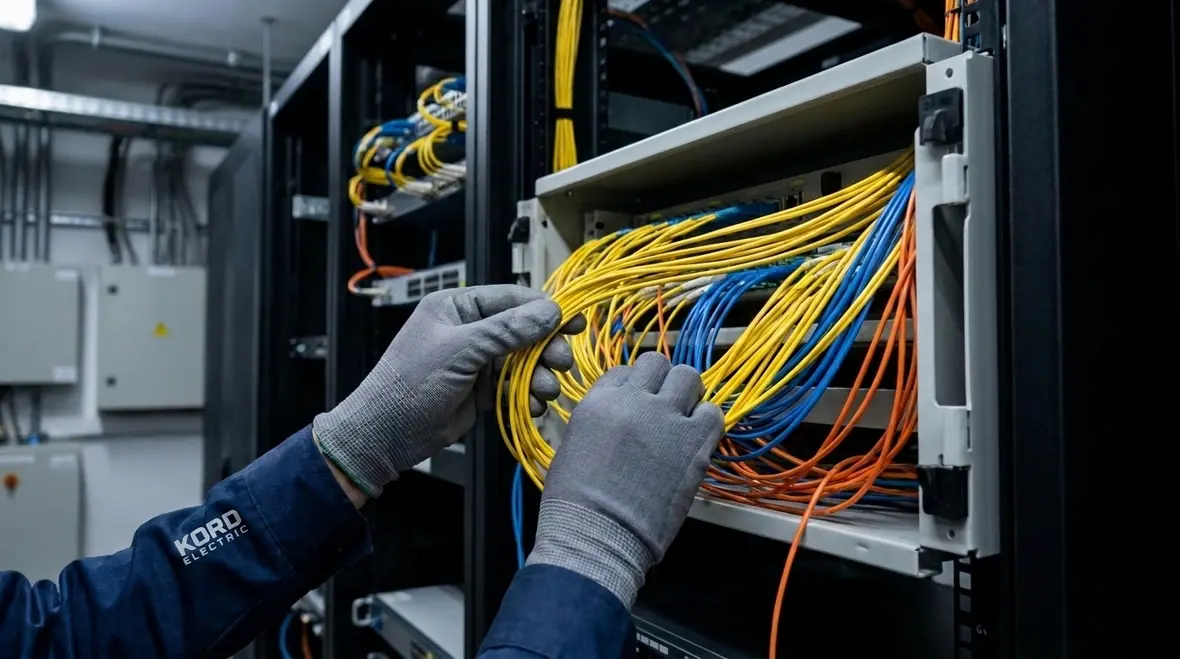
NEC Optical Fiber Cable Scope NFPA 70 Section 245.1
Kord Electric begins by placing the NEC optical fiber cable scope right where it belongs: in the real world of commercial and industrial projects. In the first stretch of this guide, we explain what NFPA 70 Section 245.1 sets out to cover for optical fiber cables, and why teams that build, upgrade, or maintain facilities care. Then we go deeper, step by step, because guessing on cable rules is like guessing the plot of a movie from one trailer. Sure, you can try. However, the code expects you to do better.
Our approach stays practical for major property buildings and business occupancies. Our technicians and expert service staff explain requirements clearly, and they do it on-site, not in a confusing slide deck that sounds impressive but helps nobody at 2 a.m.
NFPA 70 Section 245.1 sets the boundaries
NFPA 70 Section 245.1 provides the scope for Article 245, which is titled for optical fiber cables. In plain terms, this section tells you where Article 245 applies, and it limits the discussion to optical fiber cabling systems. Because optical fiber and copper do not behave the same way, the code treats them differently. So, when we design or verify a facility’s cabling, we do not treat optical fiber as an “electrical wire, but cooler.” We treat it as its own system with rules that support safety, performance, and consistent installation.
Also, this scope language matters for planning. First, it helps electrical contractors and facility teams decide what standards they must follow during installation, and second, it keeps the review focused on the right category of products and methods. In other words, it keeps everyone from wasting time on requirements that do not belong to the job.
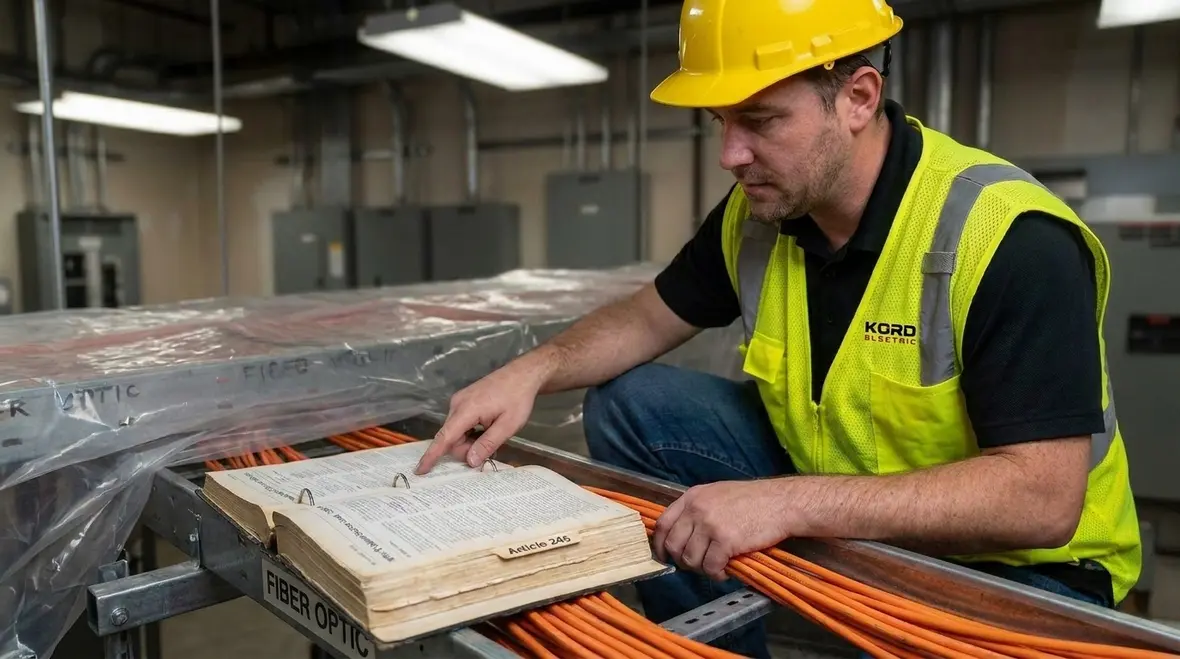
Why a facility team should care about optical fiber rules
Commercial and industrial facilities rely on high reliability communication systems. That can include data networks, control systems, fire and life safety communications, and building automation. And when these systems depend on optical fiber, the installation quality becomes part of the safety picture. Therefore, Section 245.1 matters not just for compliance paperwork, but for real outcomes like stable performance and fewer outages.
We also see another issue in the field: teams sometimes inherit cabling infrastructure from prior projects. Then, they assume “it must be fine” because it works today. However, when an inspection, upgrade, or expansion happens, gaps can appear. Our expert service staff often explains what the code expects for cable construction, routing, and installation practices so facility owners can plan corrective work without surprises.
And yes, we get it. People think “optical” means “no electrical concerns.” That is a classic misunderstanding. Optical fiber can still exist within electrical environments, and it can still connect to equipment that interacts with building systems. So, the code scope gives everyone a consistent framework.
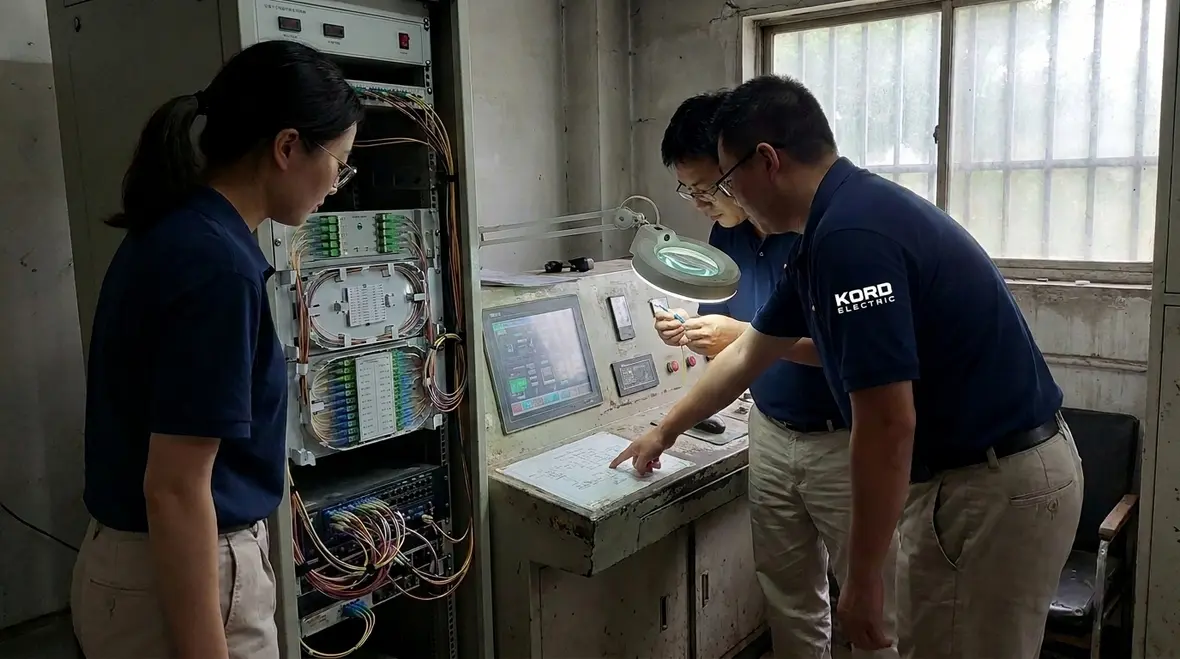
How the NFPA 70 scope guides design and installation decisions
Once we establish that Article 245 addresses optical fiber cables, the next task is applying that idea during design and installation. That means we map the cable path, select the right cable type, and coordinate installation methods with the facility’s existing systems.
So, we typically address these steps in practice:
- Confirm the cable type and intended use so the installation aligns with the optical fiber cable category covered in the scope.
- Plan routing and protection so the pathway supports safe installation and reduces risks that come from abrasion, physical damage, and improper support.
- Coordinate termination and connection points so the system transitions correctly to equipment without stressing components.
- Review equipment interfaces because optical fiber cabling connects to systems with electrical considerations.
At this point, we often cite guidance from our code resources when we explain it to clients. Our team supports the same big idea across NEC discussions: when you follow the scope and the relevant articles, the installation process becomes predictable. And predictability helps on budgets and timelines. It also helps prevent the “we will fix it later” approach that always seems to cost more later. Like that one restaurant reservation you keep postponing. The day comes. The bill comes too.

NEC Article 245 in the bigger NEC picture
NFPA 70 does not treat optical fiber as an island. It fits inside the broader electrical code system that applies to buildings. When we review a facility’s cabling strategy, we connect Article 245 scope thinking to other code sections that govern electrical installations and safety. That means we look at how optical fiber cable routing and installation work alongside other wiring methods and the electrical spaces they share.
Our teams at Kord Electric also draw on the way we explain NEC topics in our internal training and client education. We keep it clear and building-focused for commercial and industrial environments. We do not ask facility managers to memorize dense text. Instead, we translate the intent into installation steps and inspection readiness.
Meanwhile, our fire and code guidance resources at Kord Fire emphasize that code compliance supports safety and operational continuity. Since major properties often handle life safety systems and high uptime demands, we help clients understand why optical fiber installation must follow the correct requirements, even when the cable looks delicate and “non-threatening.”
To keep the pace steady, our expert service staff explains the key point this way: the scope tells us what rules apply, and then the rest of Article 245 tells us how to build and support the system safely. That is the professional path. The other path is guesswork with higher odds of rework.
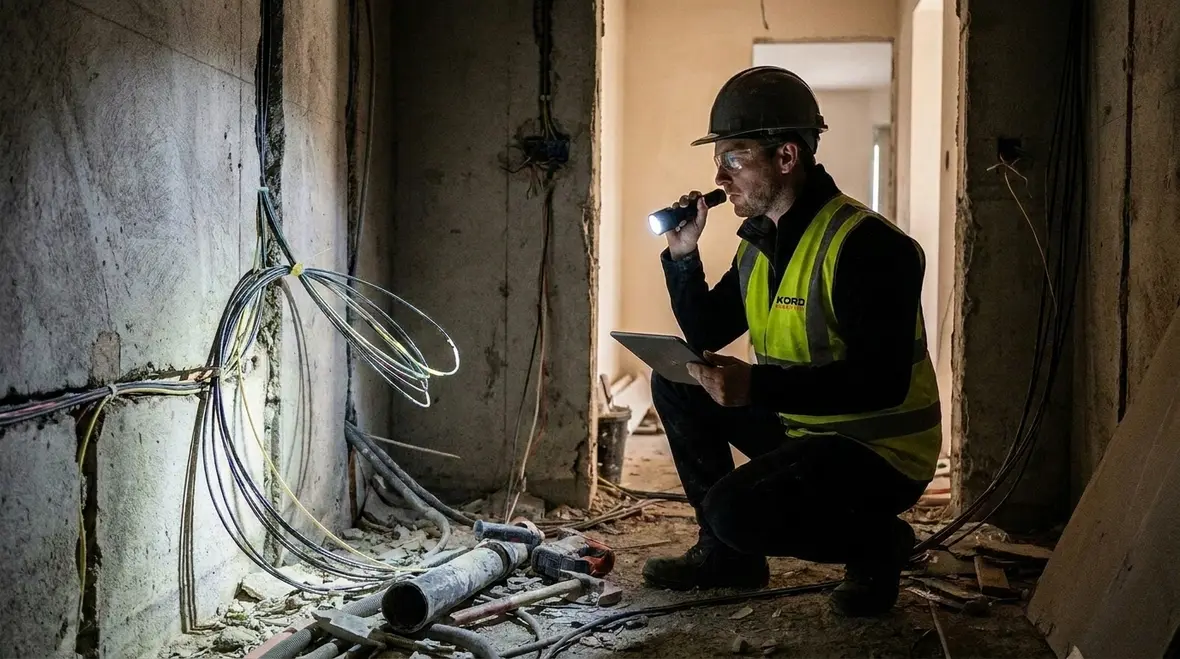
Common commercial and industrial challenges we handle
In the field, we see the same challenges repeat in large facilities. However, we treat each project like a unique installation, not a copy of last year’s work.
Here are frequent issues related to optical fiber installation within the NEC optical fiber cable scope approach:
- Unclear cable pathways during renovations, which can lead to improper routing later when teams “just add a cable” without a plan.
- Improper support or missing fastening details, which can create stress points at bends or terminations.
- Mixing cable types during procurement or staging, which forces late changes and increases downtime.
- Incomplete documentation after turnover, which makes maintenance difficult and complicates any inspection or modernization.
- Coordination gaps between electrical trades and other contractors, especially where pathways share space with mechanical or fire related components.
In response, our technicians coordinate early. We set expectations for staging, routing, and final labeling. Then, we verify workmanship in a way that supports inspection readiness. And when clients ask, we explain without drama. Our job is to keep the project moving, not to turn every meeting into a courtroom show.
What our expert staff checks during review and service
When we review optical fiber installations for commercial and industrial facilities, we follow a consistent mindset: confirm the scope, confirm the method, and confirm the outcomes. Then we make sure the system stays reliable for the life of the building.
Our service and technical staff focus on measurable points such as:
- Installation alignment with the optical fiber cable rules tied to Article 245, because scope compliance starts with correct application.
- Protection and physical integrity so the cable survives real building conditions, not just the inspection day.
- Termination quality so connections stay stable and do not introduce failures that look like “network problems” later.
- System continuity and labeling so facility teams can maintain and expand without guessing.
- Coordination documentation so future upgrades do not require detective work.
Because we explain the “why” behind the checks, facility managers and maintenance staff can make faster decisions. And when a concern appears, we recommend steps that fit commercial realities: phased work, minimal disruption, and clear communication. We keep it business casual, but the engineering stays serious.
Connecting Article 245 to broader NEC guidance
For many facility leaders, NEC Article 245 makes more sense when it is viewed alongside a broader NEC roadmap. That is why Kord Electric publishes resources that connect detailed sections like 245.1 to big-picture guidance for the 2026 code cycle.
When teams want to understand how the NEC optical fiber cable scope fits into everything else they are responsible for, they often pair this topic with Kord Electric’s guide Understanding NFPA 70: The National Electrical Code Explained for 2026. That article gives owners, managers, and contractors a structured way to see how Article 245 lines up with service equipment rules, branch circuit scope, grounding and bonding practices, and Section 90.2 application boundaries for different occupancies.
By using both the high-level overview and the focused Article 245 scope, facility teams gain a clearer picture of how their optical fiber cabling must perform inside a code-compliant electrical system, not just as a standalone “low-voltage” project.
FAQ about NFPA 70 Article 245.1 and optical fiber scope
Wrap-up and call to action for your next project
Kord Electric helps commercial and industrial facilities apply the NFPA 70 Section 245.1 scope with confidence. We align optical fiber cable installation practices with the requirements that belong to Article 245, and we support your team with expert explanations from our technicians and service staff. If you are planning an expansion, upgrading a network backbone, or reviewing an existing installation, we can help you move forward with fewer surprises and stronger results.
For facilities across Southern California and surrounding regions, our Los Angeles County electrical services team also coordinates projects where optical fiber work overlaps with power distribution, service upgrades, and life safety systems. That way, your NEC optical fiber cable scope decisions stay aligned with the rest of your electrical infrastructure from day one.
When you are ready to connect Article 245 planning with real-world installation support, Kord Electric is prepared to help your project stay code-aligned, practical, and inspection ready.


