
Why NEC Reconditioned Fiber Equipment Matters for Commercial Jobs
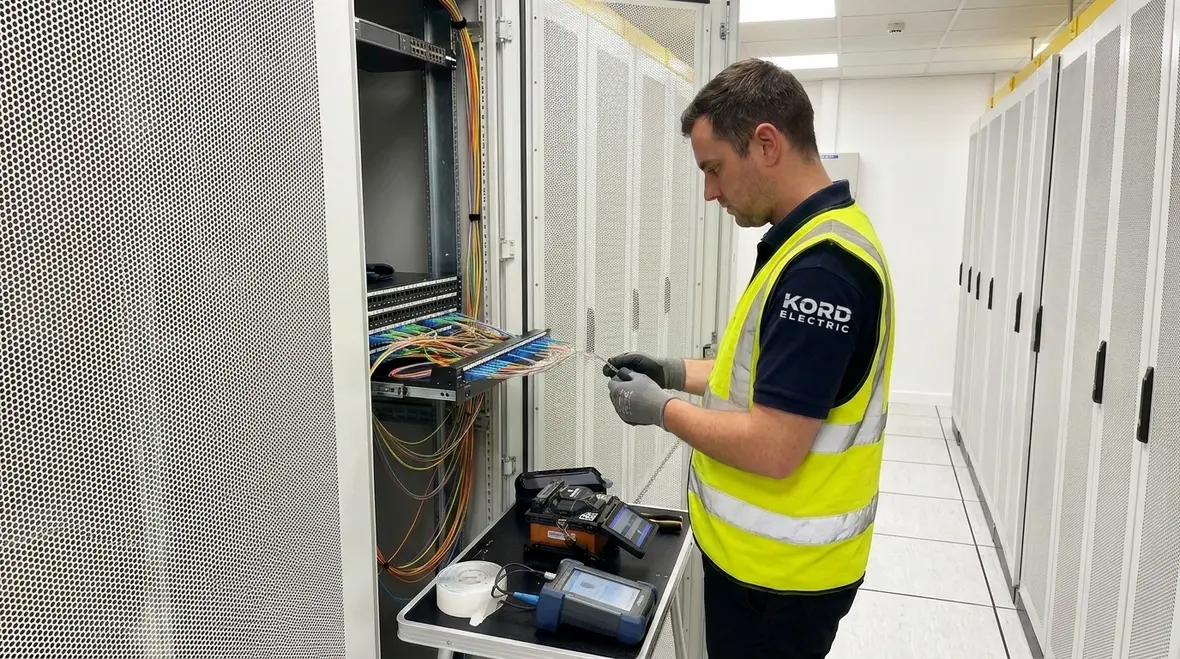
At Kord Electric, we handle NEC reconditioned fiber equipment with the same seriousness we would give a live circuit and a deadline. In other words, we do not treat reconditioned gear like it is “almost new” and then hope for the best. We make sure it meets the rules in NFPA 70 Section 245.3, so our commercial and industrial facility work stays safe, compliant, and reliable. When our technicians explain the process, they do it slowly and clearly, like they are coaching someone through a tricky part of a video game, except the prize is fewer surprises during inspections.
Now, let us walk through what Section 245.3 expects, why it exists, and how we apply it in real projects for major property buildings.
NFPA 70 Section 245.3, Reconditioned Equipment, and the Real Goal
NFPA 70 is the National Electrical Code, and Section 245.3 focuses on rules for reconditioned optical fiber equipment. Its purpose is simple: it tries to ensure that equipment that has been previously used, rebuilt, or restored still performs the way it should, especially where performance affects fire safety, emergency systems, and communication pathways. If you wonder why anyone would write rules like this, you only need to remember one thing: people reuse stuff all the time, and not all of it comes back in good condition.
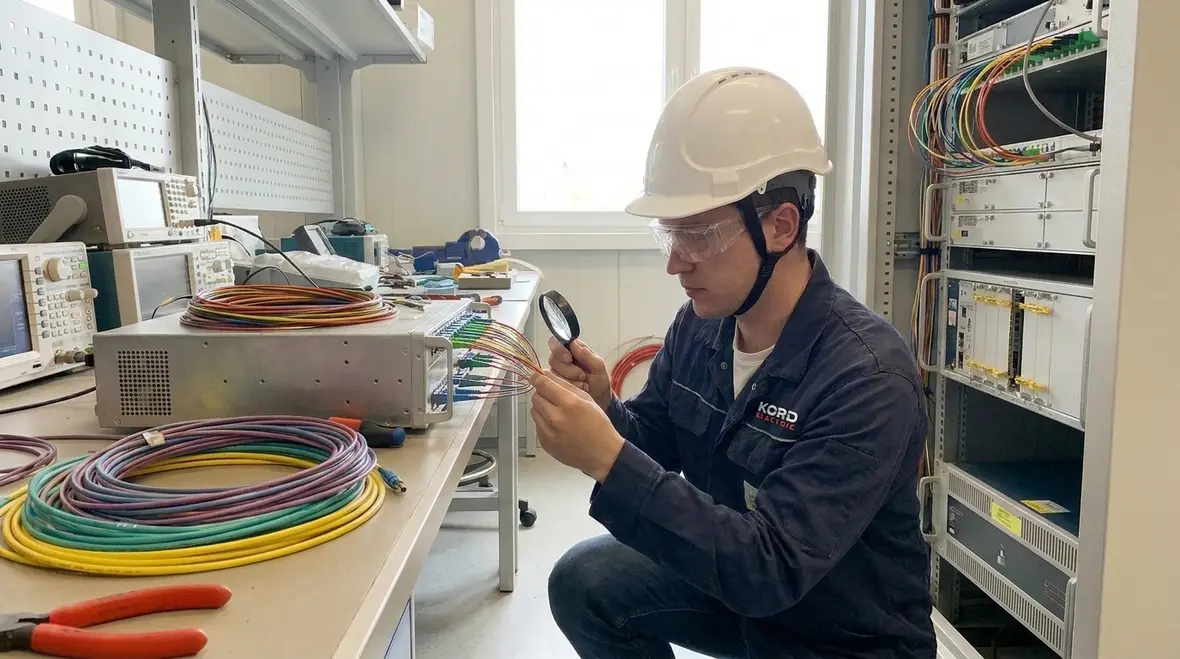
So, instead of relying on vibes, Section 245.3 sets expectations. In practice, this means the equipment must be treated as if it could have hidden issues unless it goes through proper evaluation and preparation. As we explain it to our clients, it is like buying a used generator. You can save money, sure. But you still need to check it, test it, and make sure it will actually start when the lights decide to exit stage left.
Behind that simple idea is a larger NEC picture. NFPA 70 sets the ground rules for safe electrical design, installation, and inspection, and reconditioned equipment lives inside that world. If you want a deeper look at how the code fits together, Kord Electric’s own guide Understanding NFPA 70: The National Electrical Code Explained for 2026 shows how these fiber rules connect to the broader 2026 NEC direction for commercial and industrial buildings.
What We Check Before We Approve Reconditioned Optical Fiber Gear
When our expert service staff works on a commercial or industrial site, they focus on evidence, not assumptions. First, we verify what the equipment is, what it has been used for, and how it was restored. Next, we confirm that it meets the NEC reconditioning expectations that support safe installation and dependable system operation. Then, we document our checks, because inspectors and facility managers deserve clarity, not guesswork.
Our technicians typically look at three core areas. Even when the project scope varies, we keep the process consistent so the work stays audit friendly.
- Physical condition: we inspect housings, connectors, ports, labels, and any signs of damage that could affect performance or safety
- Electrical and optical performance: we confirm test results that match the equipment type and intended use
- Compatibility and documentation: we validate that the reconditioned unit aligns with the system design and that records exist for the restoration
At this point, we also coach the jobsite on safe handling. In other words, we make sure teams do not treat the gear like fragile glass that somehow enjoys being dropped. That is not a joke we tell often, but yes, it happens.
We also tie this review back to the bigger NEC story. For teams that want to understand how specific sections like 245.3 sit inside the full code, resources such as Kord Fire’s NFPA 70 coverage and related Kord Electric guides on application scope and AHJ enforcement help connect the dots between “this single device” and “the system that needs to pass inspection every time.”
How Installation Practices Affect Compliance and System Reliability
Even if the reconditioned unit itself passes review, installation choices can still create trouble. So we make sure the full path from equipment to cable management follows good practice. For commercial and industrial facilities and major property buildings, the fiber system often supports critical functions like signaling, building communications, and parts of life safety planning.
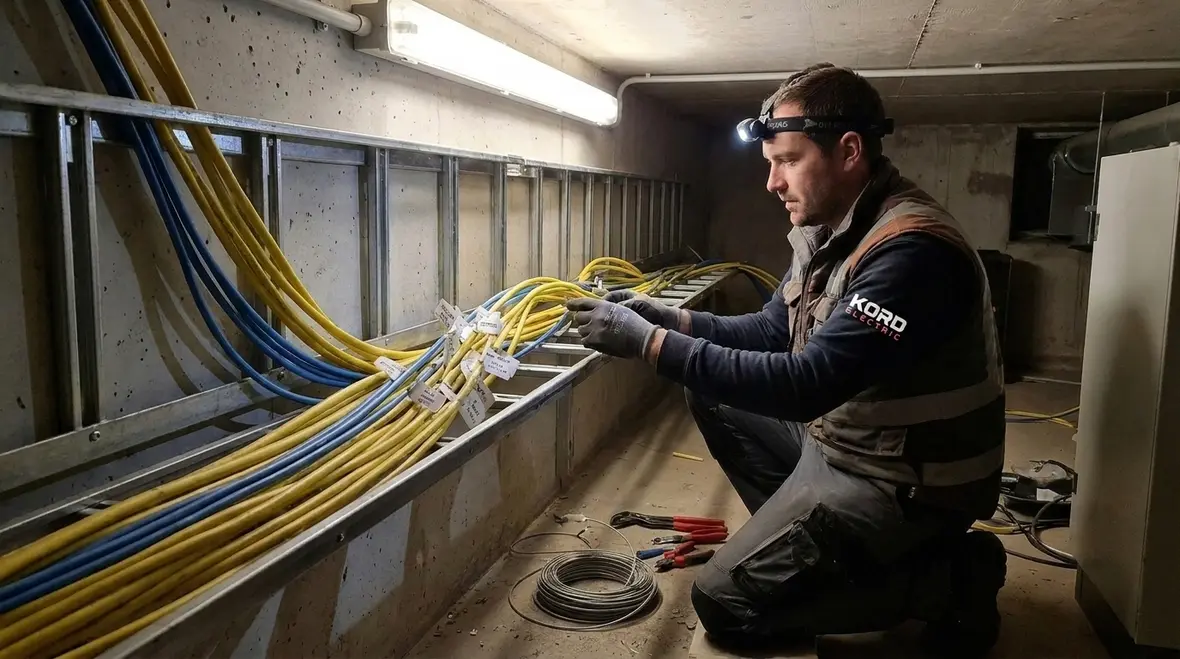
Therefore, our technicians apply careful methods that reduce risk. We pay attention to cable routing, bend radius, labeling, and termination quality. Then, after installation, we test. If the system does not behave correctly during acceptance testing, we do not hand it off with a “trust us” smile. We correct the problem.
In many facilities, the biggest challenge is not the equipment. It is the handoffs between teams. One crew pulls cable, another mounts equipment, and another completes terminations. Meanwhile, someone is always trying to compress the schedule, like it is an elevator that refuses to stop on every floor. We manage that handoff by setting clear steps and documenting where each stage is done.
This is also where understanding NEC design and application scope pays off. When fiber backbones support emergency communications, power monitoring, or fire protection interfaces, we align our methods with broader NFPA 70 guidance on equipment selection, working spaces, grounding, and coordination. That way, reconditioned optical hardware does not become the weak link in an otherwise code-ready system.
Common Mistakes We See on Commercial Sites
Over time, we have noticed patterns. Sometimes the issue is confusion about what rules apply and what checks actually matter. Other times, the mistake comes from skipping documentation, rushing testing, or installing reconditioned optical fiber equipment without verifying it properly.
Here are the issues that show up most often, especially when a site tries to mix old components with new designs.
- Assuming “reconditioned” means fully equivalent: we explain that proper reconditioning must include verification and preparation
- Missing or weak records: our expert service staff keeps notes because “it should be fine” does not survive an inspection
- Ignoring compatibility: even small mismatches can affect signal quality and system function
- Skipping pre installation checks: we confirm key details before the work starts so we avoid change orders later
- Terminations that look good but test poorly: we emphasize testing that proves performance, not appearance
And yes, sometimes someone says, “We have always done it this way.” In commercial and industrial work, tradition can be a great thing. But in compliance, tradition should not replace verification. That is the difference between a planned system and a future “why did this fail” meeting.
We also see missed opportunities to connect reconditioned fiber decisions to other NEC topics that property teams may already be reviewing. When facilities look at service entrance wiring, terminal identification, or arc flash mitigation, that is a perfect moment to review how reconditioned communication pathways are documented, labeled, and protected under the same code umbrella.
Real World Compliance Flow for Property Managers and Engineers
When Kord Electric supports a project, we keep the workflow steady. First, we coordinate with the facility team, engineers, and contractors who own the design intent. Next, we confirm that the approach for reconditioned items aligns with the rules in NFPA 70 Section 245.3. Then, we ensure our technicians execute the checks, install to standard, and test for acceptance.
Because commercial and industrial facilities often run on tight schedules, we also focus on reducing disruption. We plan around access windows, existing infrastructure, and system uptime needs. Meanwhile, we make sure the documentation package supports review. If a property manager needs to show what was done and why, we help them do it clearly.
We also make sure everyone speaks the same language. Our team explains the process in plain terms. As needed, we reference how NEC concepts tie to system safety and performance, which is why the bigger NEC guidance matters even when the question sounds narrow. You can see more of our NEC and fire focused resources through Kord Fire and related sites like kordfire.com and firepumps.org, where the emphasis stays on safe electrical and life safety alignment.
For property managers planning multi-year upgrades, we often combine fiber pathway reviews with broader NEC scope and enforcement conversations. That might include looking at how authorities having jurisdiction interpret NFPA 70 in your area, which sections of the 2026 NEC apply to your occupancies, and how reconditioned communication gear, power distribution, and life safety interfaces need to be documented together to keep inspections calm and predictable.
How NEC Reconditioned Fiber Work Fits Into Your Overall Electrical Strategy
Reconditioned fiber hardware is rarely the only thing happening on a commercial site. Usually, it shares space with panel upgrades, new service entrances, revised grounding and bonding, or changes to emergency and life safety systems. That is why we treat NEC reconditioned fiber equipment as part of your total electrical strategy, not as a one-off checkbox.
When we plan projects, we start with the same foundation we use in our NEC reading guides: scope, application, and the real-world environment. We identify what NFPA 70 covers for your building, how the 2026 updates may influence new work, and where communication pathways intersect with service equipment, open conductors, and working spaces. Then we map how reconditioned fiber devices must be evaluated, installed, and labeled so they line up with that bigger picture.
For facilities across Los Angeles County and surrounding regions, that planning often connects directly to ongoing service needs. Whether your building is adding new tenants, rolling out a fresh control system, or modernizing monitoring for fire and life safety systems, folding NEC reconditioned fiber decisions into your core electrical service plan helps keep projects smoother, safer, and easier to explain during reviews.
If you are coordinating multiple upgrades at once, it can help to work with a single electrical partner who understands both the NEC rulebook and the realities of commercial uptime. Kord Electric’s Los Angeles County electrical services team brings that combination to complex properties, keeping fiber, power, and life safety work aligned under the same code-ready strategy.
FAQ on NFPA 70 Section 245.3 and Reconditioned Fiber Equipment
Below, we keep the answers short and direct for featured snippet style.
If your project involves fiber equipment in a commercial setting, we recommend involving the electrical team early so compliance and testing stay on track.
Conclusion: Let Kord Electric Keep Your Fiber Work Code Ready
When you choose Kord Electric, we treat NEC reconditioned fiber equipment like it deserves the same respect as new gear, because in the real world, safety and performance do not negotiate. Our technicians and expert service staff verify condition, confirm compatibility, install with care, and test for acceptance so your team can move forward with confidence. If you manage a commercial or industrial facility or a major property building, contact us to plan a compliant fiber approach that keeps inspections calm and outcomes steady.


