
NEC Other Loads in All Occupancies NFPA 70 Section 120.14
At Kord Electric, we help commercial and industrial facilities stay safe and compliant by understanding real code requirements, not just memorizing numbers. One of the topics our team often explains is NFPA 70 Section 120.14, Other Loads in All Occupancies. In plain terms, this rule helps define how “other” electrical loads must be handled across all occupancies, including the parts of a site that do not fit neatly into the usual categories. And yes, people sometimes treat those loads like a mystery snack they found in the back of the cabinet. However, the code does not do mystery. It lays out expectations so designers, installers, and facility teams can plan for the real-world electrical picture.
What NFPA 70 Section 120.14 requires for real world planning
NFPA 70 Section 120.14 focuses on loads that exist beyond the most obvious ones. Therefore, when engineers design feeders, panelboards, and service calculations, they must account for those additional electrical demands. Next, the goal is not just to “add more watts.” Instead, the goal is to ensure the electrical system can support the facility when everything runs the way facilities actually run: with variety, change, and occasional chaos.
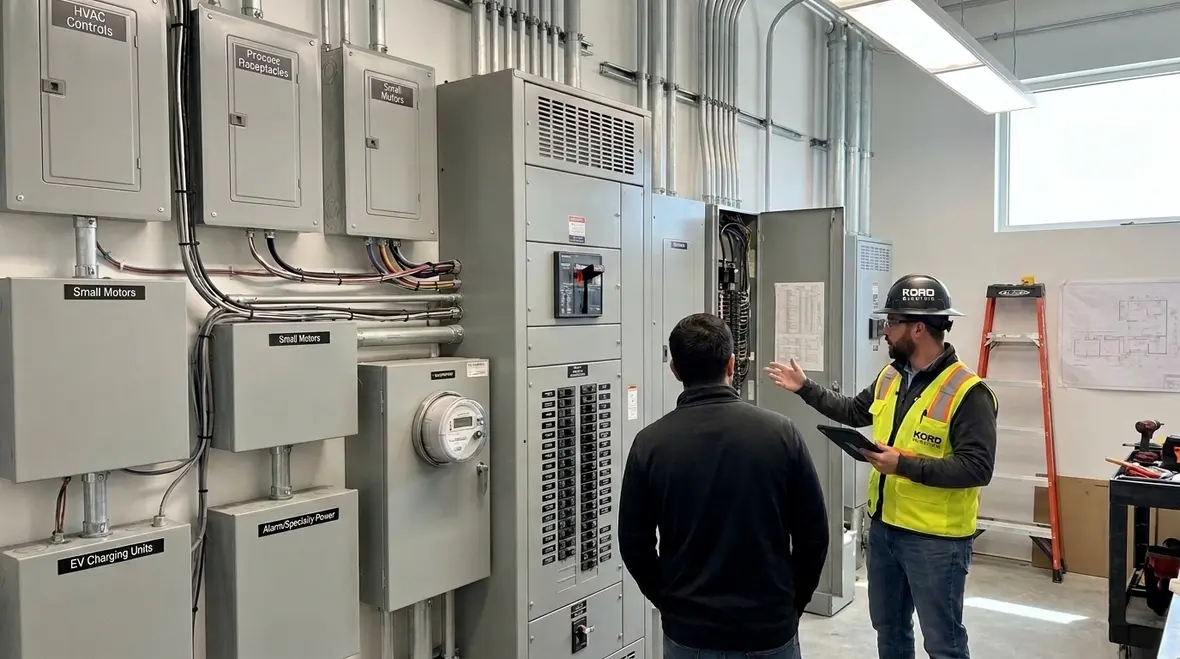
During our audits and engineering support work, our technicians and expert service staff explain this concept in a way that facility operators can use. For example, if a building includes tenant power, small motors, receptacle circuits, process equipment, EV charging, or specialized controls, those loads can fall under the “other” bucket depending on how the system is classified and documented. Then the calculations and installation methods must reflect that reality.
How we interpret NEC other loads all occupancies for commercial buildings
Commercial and industrial spaces rarely stay still. Buildings get renovated, production equipment changes, and new technology shows up. As a result, our approach at Kord Electric emphasizes correct classification and proper load accounting so your electrical system keeps up without surprises.
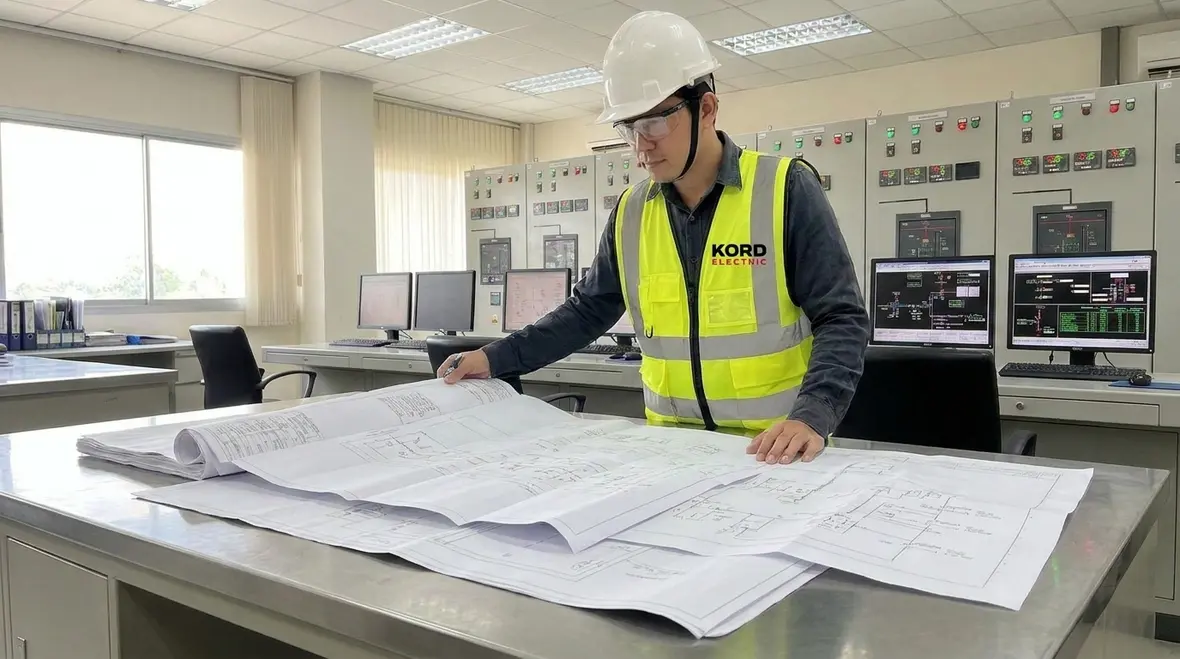
Our team typically reviews how the electrical one line and load schedules reflect the facility. Then we ask a simple question that saves money later. Does the design show what will actually be energized? If not, we help adjust the plan so NEC other loads all occupancies are treated with the seriousness they deserve.
We also help owners and managers understand that “other loads” do not mean “ignore them.” They mean the code expects you to capture the full electrical story. If you miss a load category, the downstream effects can show up as nuisance trips, undersized conductors, overheated components, or a service capacity headache that no one wants during peak production.
Common load categories that show up in “other” calculations
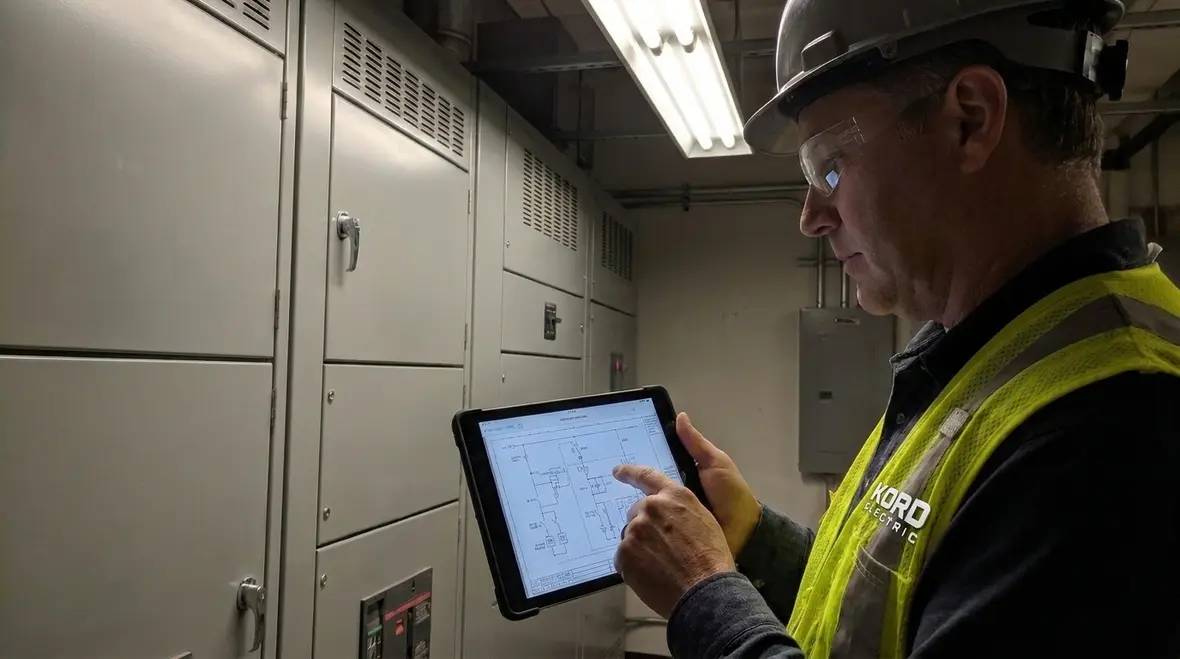
Every site has its own personality, but several patterns show up again and again. Moreover, the most reliable designs connect the code text to the jobsite details. Here are examples of load types we often see when we walk through commercial and industrial facilities:
- Small motors and control related power, such as fans, pumps, dampers, conveyors, and actuator systems
- Receptacle and plug load circuits that feed shop equipment, test benches, or maintenance tools
- Lighting and controls that do not fall into the same classification as main lighting systems
- Specialty equipment power like signage, alarm components, access controls, and building automation interfaces
- Auxiliary power systems that support normal operation, including parts of HVAC controls and critical monitoring
Then we tie these categories back to what designers must document. When our technicians explain this, they focus on how the load schedule connects to the breaker sizing, conductor sizing, and overcurrent protection. In short, we connect the dots so the system performs under demand.
For facility teams who want added background on how the National Electrical Code shapes these decisions, we often reference our related resource Understanding NFPA 70: The National Electrical Code Explained for 2026, which pairs the rulebook with practical examples from commercial and industrial work.
Why load accounting matters during design, retrofit, and commissioning
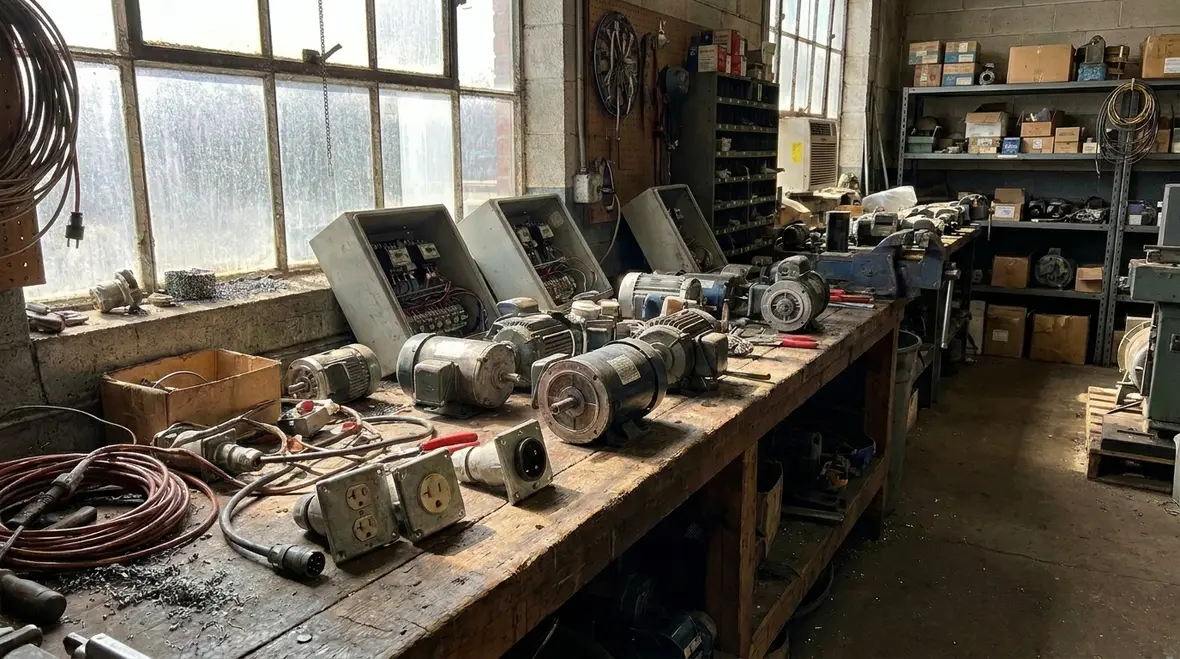
People often think the load calculations are only an early stage task. However, once a system is built, the facility still lives. That is where “other loads in all occupancies” becomes a long term issue, not just a paper exercise.
During design, correct calculations influence:
- Service and feeder sizing so the supply supports the real load profile
- Panelboard capacity so branch circuits remain within limits
- Voltage drop expectations so equipment does not suffer from reduced performance
- Overcurrent device selection so protection coordinates correctly
During retrofit, the risk grows. New equipment gets added, but the electrical system does not get a free update every time someone buys a machine. Therefore, our service staff reviews existing capacity and helps plan upgrades that address the “other” load reality. Then, during commissioning, we verify that what was planned matches what is installed.
And yes, we have heard the classic line: “It worked during testing, so it should be fine.” Unfortunately, testing rarely simulates a whole day of real production cycles. Facilities are like sitcoms. Everything looks great until the final scene, and then the power has opinions.
Compliance support for owners and facility teams
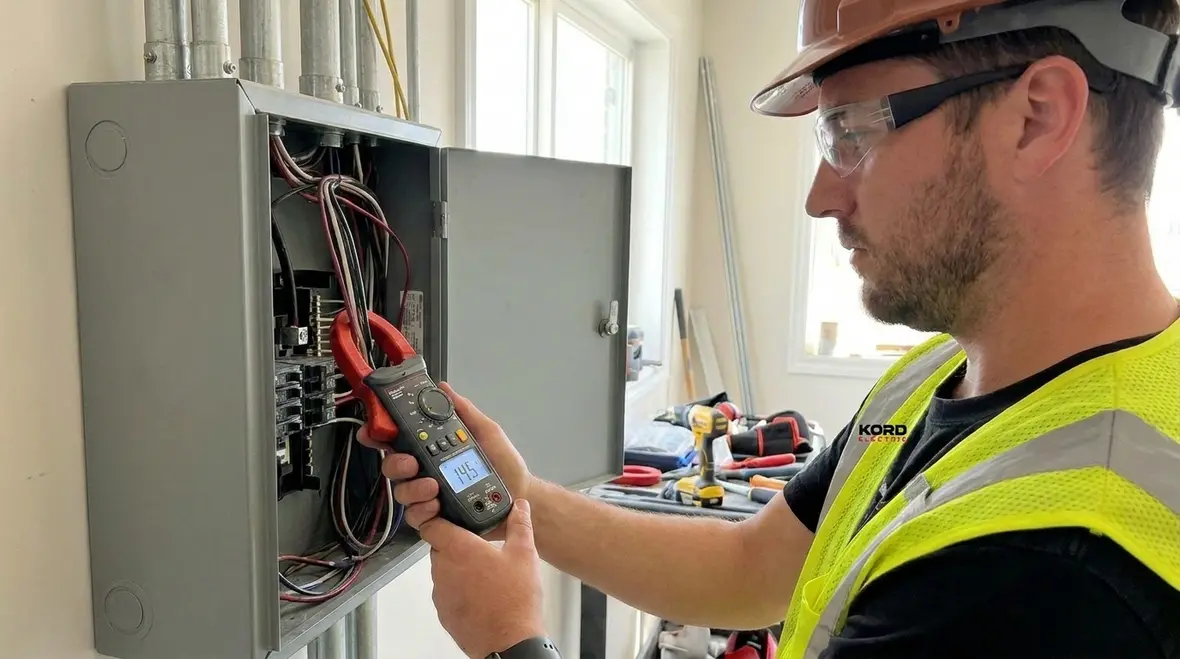
Kord Electric supports the commercial and industrial facilities that keep our communities moving. We serve major property buildings and organizations that need dependable electrical systems, clear documentation, and workmanship you can stand behind.
Our expert service staff does more than install equipment. We explain the reasoning behind the NEC approach and help teams understand what to watch for. When referencing the broader NEC framework, we align our internal guidance with trusted resources from our network, including information published by Kord Electric and Kord Fire, and we keep an eye on standards related to fire and electrical coordination. For facilities that also involve fire pumps and related life safety systems, teams often need careful coordination across disciplines. Organizations such as firepumps.org focus on those areas, and we treat that coordination as part of the overall safety plan.
So, when a facility asks, “What should we do about other loads?” we answer with a practical process:
- Review the current load schedule against the installed equipment list
- Identify “other” categories that influence service, feeders, and panel limits
- Plan upgrades that match the expected operating profile
- Verify installation details during commissioning and field checks
This approach reduces guesswork and helps your team make decisions with confidence. Plus, it keeps compliance from turning into a last minute scramble. Nobody wants to play compliance roulette, especially with expensive equipment involved.
For major property buildings planning renovations or capacity changes, many owners also pair this process with structured consulting from services like our electrical code upgrade support and broader commercial system design resources. Together, they provide a framework that keeps “other loads” from becoming an afterthought during projects and inspections.
Practical best practices to reduce risk from neglected loads
Even with strong design, neglected loads can creep in. A new tenant moves in. A department adds a device. A maintenance team changes workflow. Therefore, we recommend best practices that keep “other load” planning current.
Start with accurate documentation. We help facilities maintain one line diagrams, panel schedules, and load descriptions that reflect reality. Then we encourage updates whenever electrical work occurs.
Use change control. When equipment changes, require a basic electrical review. This includes identifying whether the new device falls under the “other loads” umbrella in the calculation and documentation. Next, you can plan capacity adjustments before the breaker trips or equipment performance drops.
Coordinate with operations. Our team talks with facility leaders about operating schedules, peak usage times, and production cycles. In turn, this helps interpret how loads behave in practice, not just in theory.
Train staff on what to report. Our technicians explain warning signs that matter: recurring nuisance trips, warm panel sections, shifting loads, and unexpected demand spikes. And when your team reports early, we can address the cause while it is still small.
Think of it like a smoke alarm, except it is the electrical system asking you to pay attention before it yells. We like the quiet version.
If your facility is planning a broader system review, it often helps to connect these “other load” checks to a larger building electrical system design effort or a dedicated code compliance review. That way, feeder capacity, panelboard layout, and special occupancy rules all support the same safe, stable outcome.
FAQ: NFPA 70 and NEC other loads all occupancies
Conclusion and next step with Kord Electric
When owners plan electrical systems with NEC other loads all occupancies in mind, they build for the way commercial and industrial facilities actually operate. Kord Electric supports major property buildings with expert technicians, careful reviews, and clear explanations that facility teams can act on. If you are designing, retrofitting, or commissioning and you want a calmer, safer electrical path, contact us. We will help you capture the full load picture, reduce surprises, and keep your site running with confidence.
For facilities looking to pair “other load” planning with broader system support, our Los Angeles County electrical services connect design guidance with field execution. That way, your NEC strategy for other loads, core distribution, and life safety systems all move in the same direction instead of competing for the same limited capacity.
And if your team wants a deeper code foundation as you make those decisions, consider reviewing internal resources like our NEC scope and application guides alongside field evaluations. Blending that knowledge with a practical site walk gives you the clearest view of where other loads live today—and where they will grow tomorrow.


