
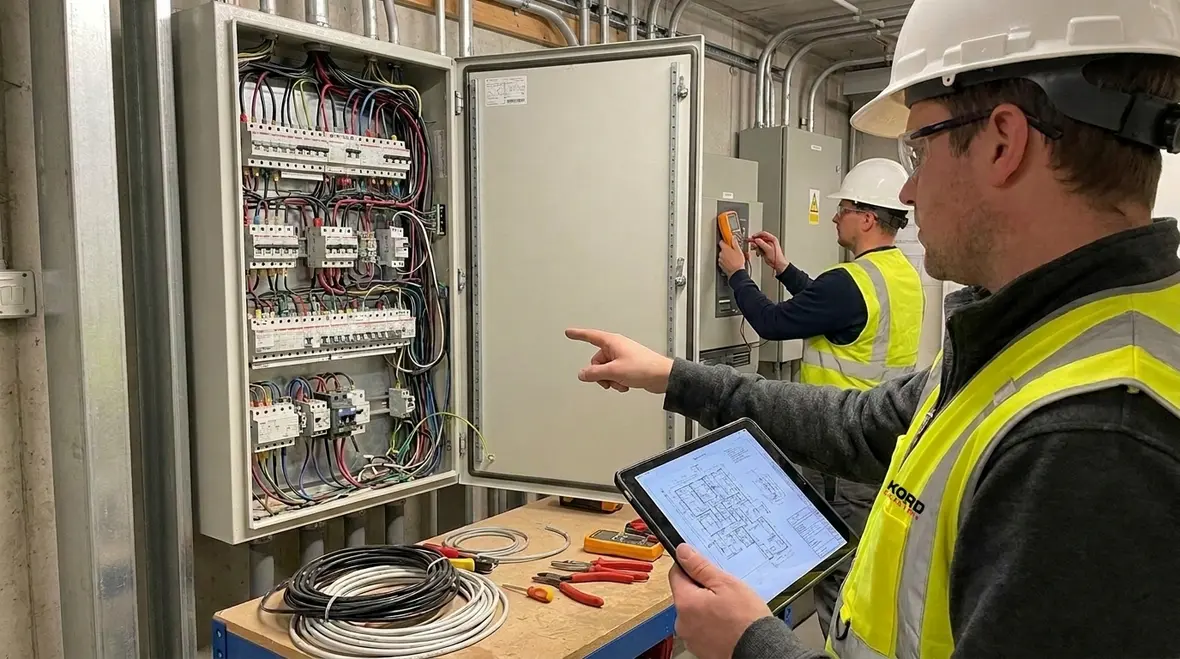
NFPA 70 Section 120.10 NEC General Load Calculation Rules
NFPA 70 Section 120.10 and NEC General Load Calculation Rules for Commercial Buildings
In the first 100 to 150 words, we set the stage for how the NEC general load calculation rules work, because they matter before anyone buys wire, switchgear, or that brand new panel everyone swears will “just fit.” Under NFPA 70 Section 120.10, the NEC lays out general load calculation rules so you can size electrical loads in a steady, consistent way. In practice, we follow those rules by identifying equipment loads, applying the right demand and adjustment methods, and adding loads that must be considered together. Then we verify the results against the intent of the Code. Yes, it is detailed, and yes, it can feel like doing paperwork in the dark. However, that structure keeps commercial and industrial projects from turning into expensive surprises. And unlike some pop culture villains, we prefer prevention over dramatic last minute fixes.
Why Load Calculations Stay Accurate Under Real Jobsite Conditions
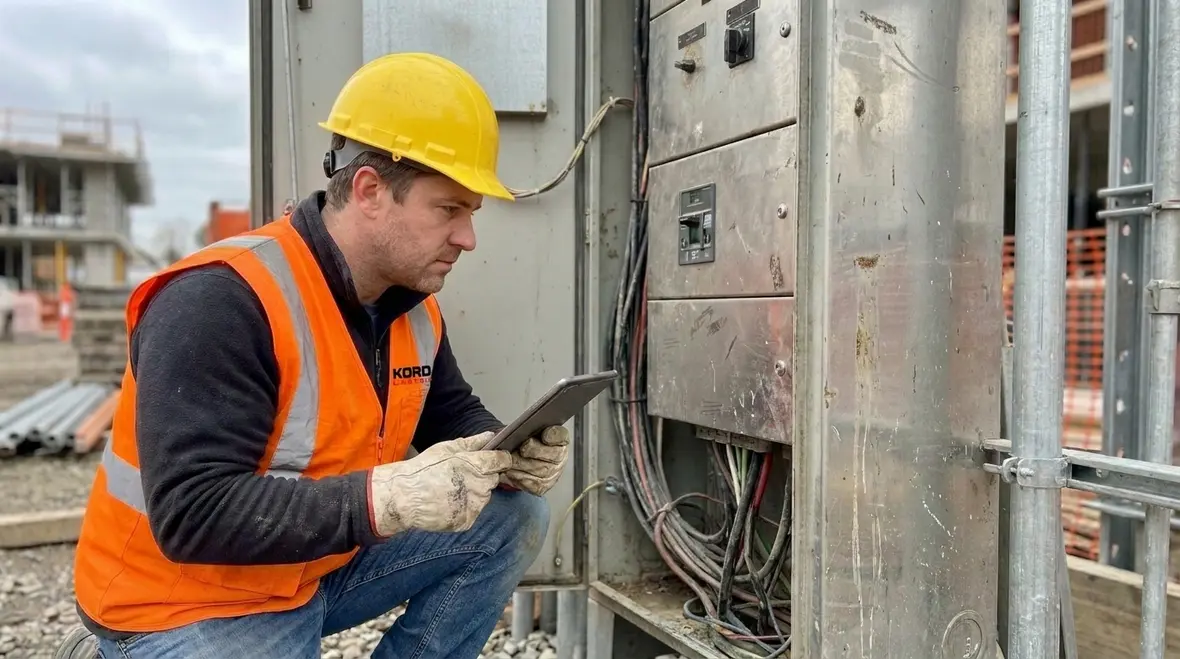
People often treat load calculations like a spreadsheet exercise. Yet, we see the jobsite tell a different story. First, lighting patterns change, HVAC schedules shift, and new tenants move in with different equipment. Therefore, the NEC approach in Section 120.10 gives a repeatable method that can handle those real constraints. When a facility expands, our team does not just “guess and hope.” Instead, we treat load calculation rules as a living process, tied to how the equipment actually operates.
Our technicians and expert service staff explain the logic out loud, because clarity prevents costly misunderstandings. For example, when someone hears “use the general method,” they sometimes assume it means “use your gut.” We do not. We apply the NEC general framework, then document why each load enters the calculation and how it contributes to the service and feeder design. That way, the design stays defensible during plan review, commissioning, and future upgrades.

What NFPA 70 Section 120.10 Requires Before You Add Loads
To apply NFPA 70 Section 120.10, the starting point is discipline. We begin by confirming what the electrical system serves, and we clarify the scope: commercial and industrial facilities, major property buildings, and the equipment inside them. After that, we separate loads that the NEC expects to be treated as distinct categories. Then we apply the correct sizing approach for each part.
Next, we pay attention to load classification and measurement. We also check whether any loads are continuous, non continuous, or have startup behavior that changes demand. Then we move to addition rules, which ensure totals reflect the way the facility actually uses power. And importantly, we avoid the common mistake of double counting circuits or mixing demand assumptions across unrelated equipment.
Our process also includes a practical review for compliance. We cross check calculations against the design intent and the facility operating profile. In other words, we do not just calculate, we reconcile. If the numbers do not align with how the building runs, we fix the assumptions before the design hardens. That is how we keep the electrical system safe and reliable, and how we keep the project from feeling like a sitcom where everyone discovers the problem at the worst time.

How We Use Demand, Adjustment, and Diversity Without Guessing
Once the loads are identified, the next step is demand and adjustment. Many teams struggle here because demand feels abstract until they see a real building. However, diversity and demand concepts are not mystery math. They reflect that not every piece of equipment runs at the same moment, in the same way, at the same intensity.
When we work on commercial and industrial projects, we treat demand factors as part of engineering, not a magic wand. We gather equipment data, including nameplate ratings and operating schedules, then we apply the NEC general load calculation rules and related methods that govern how demand gets applied. After that, we evaluate diversity appropriately so the connected load does not automatically become the design load.
However, we do not swing too far toward optimism. If a facility expects high simultaneous operation, the design must reflect that. If it has predictable cycles, then we model those cycles. Additionally, if the building uses critical systems, we treat them with the right priority for design and reliability. Our expert staff explains these choices in clear language for stakeholders, so decision makers understand that each assumption has a reason. That reduces back and forth, and it reduces the risk of changes later.
Common Failure Points in Load Calculations and How We Prevent Them
Even with good intentions, teams can stumble. First, they miss equipment that appears “small” but adds up across floors and zones. Second, they treat startup conditions as if they were steady state. Third, they copy formulas from another project and forget that the facility is not the same. Finally, they forget to align the calculation with the actual electrical one line design.
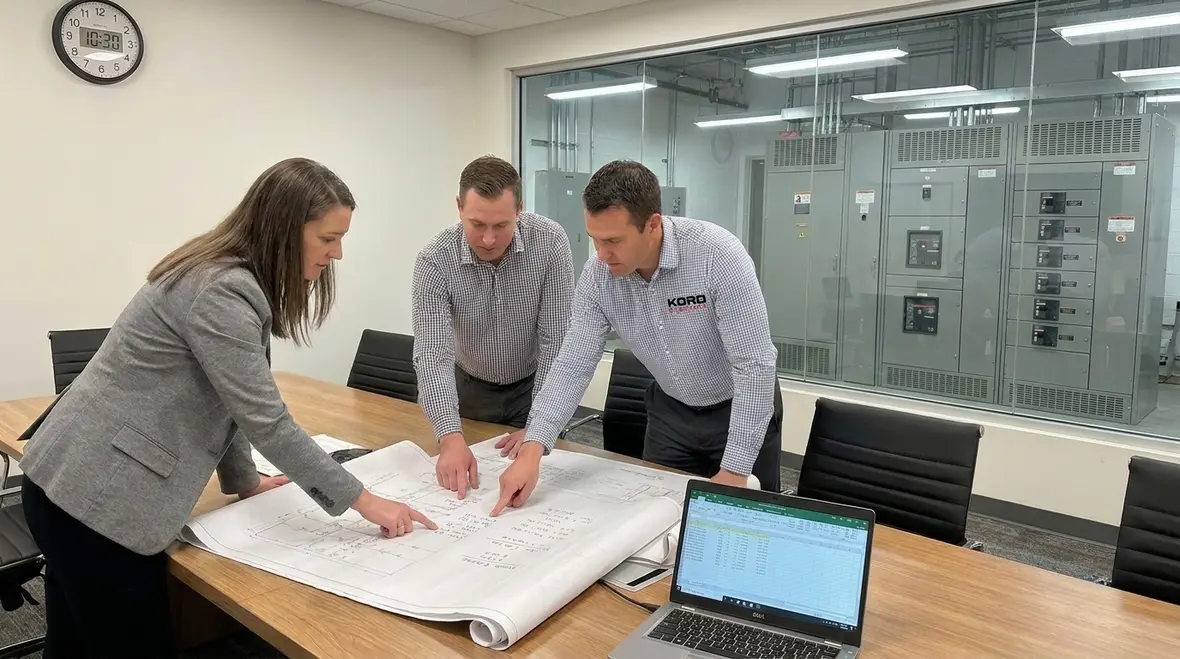
At Kord Electric, we build prevention into the workflow. We do not rely on one person’s memory. Instead, we use check steps that confirm the equipment list, confirm the load classification, confirm the application of demand and adjustment, and confirm the final totals. Also, we verify that the results match the system design: the service size, feeder sizing, and the equipment ratings. If something does not reconcile, we correct it before the design moves forward.
Additionally, we pay attention to documentation. Clean records help the review process and help future maintenance. When an owner asks, “Why did you size it that way?” our technicians can answer without hand waving. And unlike some movie plots, we do not need a sequel to explain the mistake.
Field Coordination, Commissioning, and Ongoing Updates for Major Properties
Load calculations are not a one time event. In commercial and industrial facilities, operations evolve. Tenants change. Equipment gets upgraded. Controls get reprogrammed. Therefore, our approach includes coordination during commissioning and a plan for ongoing updates. Our team helps connect the design assumptions to real field conditions.
For example, after installation, we review that breaker arrangements and circuit labeling match the design intent. We also confirm that measured performance aligns with the expected behavior. When a system has unexpected load behavior, we investigate early. Then we update calculations if the facility changes in a way that affects demand or load classification.
If the building is a major property building, we treat it like a long term asset, not a one time build. In that context, we keep the NEC general load calculation rules and related design logic in mind as the baseline. Then we update the electrical model as the building evolves. This is how owners protect performance and avoid surprise upgrades that eat budgets.
To support that work, we also maintain strong ties with the wider NEC and code knowledge ecosystem that Kord Fire and related resources discuss, including general understanding of national electrical code requirements for 2026 and beyond. That matters because rules do not exist in a vacuum. They tie into safety expectations, risk management, and how systems get inspected. For a broader perspective, many facility teams also review guides like Understanding NFPA 70: The National Electrical Code Explained for 2026 and Kord Fire’s NEC-focused resources to connect load calculations to the overall NFPA 70 framework.
FAQ: NEC Load Calculation Rules in Plain Language
Next Steps With Kord Electric
If your commercial or industrial facility needs a dependable electrical design, we help you apply NEC general load calculation rules with real jobsite context. Our technicians and expert service staff explain the decisions clearly, so stakeholders understand what the numbers mean and why the design works. Then we coordinate the result through installation and commissioning, and we plan for future upgrades. We also align load calculations with broader NEC requirements, such as scope and application guidance and wiring planning fundamentals, so the design integrates smoothly with your overall code strategy.
For facilities in Southern California and surrounding regions, our Los Angeles County electrical services team supports everything from NEC code review and panel upgrades to commercial distribution design and commissioning support. Whether you are planning a new major property building or updating an existing site, Kord Electric can help you review your load approach, confirm compliance alignment, and keep the project moving forward without late surprises.
If you would like to explore more context on how NFPA 70 shapes your electrical system beyond Section 120.10, resources from both Kord Electric and Kord Fire can help round out the picture. Together, these guides explain how load calculations connect with broader NEC topics like general requirements, application scope, wiring methods, and how electrical and fire protection systems interact in real buildings. That way, your next project is grounded in a complete understanding of code, not just a single calculation step.


