
NEC Outlet Boxes Requirements Under NFPA 70 314.27
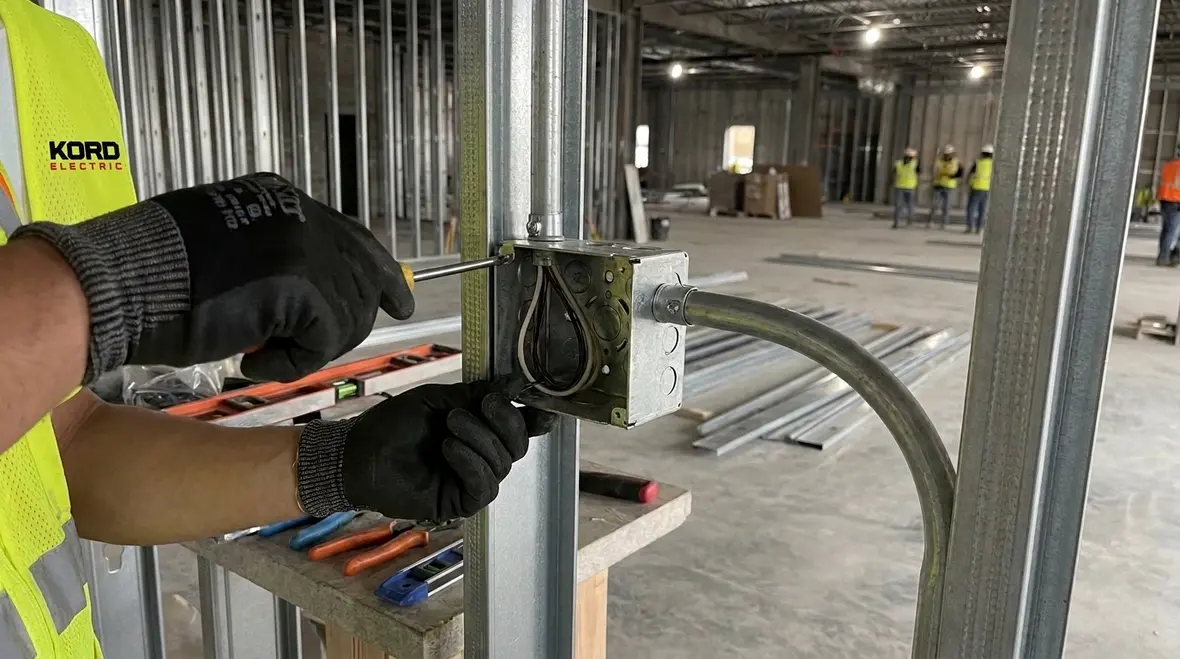
At Kord Electric, we pay attention to NEC outlet boxes requirements right at the start, because the details in NFPA 70 Section 314.27 can make the difference between a safe install and a callback nobody wants. In the field, we see this every week: outlet boxes must support devices, protect conductors, and stay secure in the building structure. That means we align the box with the wiring method, we mount it correctly, and we avoid the common mistakes that turn “it works today” into “it fails during inspection.” Then again, electricity does not care about our deadlines, and neither do inspectors.
What NFPA 70 Section 314.27 actually demands for outlet boxes
NFPA 70, also called the National Electrical Code, sets the baseline for safe wiring practices. Section 314.27 focuses on how outlet boxes support and accommodate wiring devices, and it expects the installer to protect the box and the device mounting points. In practical terms, our experienced service staff explains it like this: the box is not just a container, it is part of the support system that holds the device, helps manage wiring, and helps prevent strain on the connections.
First, we treat box location and type as a system decision, not a last minute guess. Next, we make sure the box fits the wiring method and the building’s conditions. Then, we verify the box provides proper support for the device it will carry. When we do it right, the installation stays stable as the building settles and as maintenance crews touch the equipment over time.
And yes, it can feel silly at first. We often hear, “It is just a box.” But in commercial and industrial facilities, “just a box” turns into “just a problem” if it is not rated, secured, and installed per code.
Box type, device support, and mounting practices that pass inspection
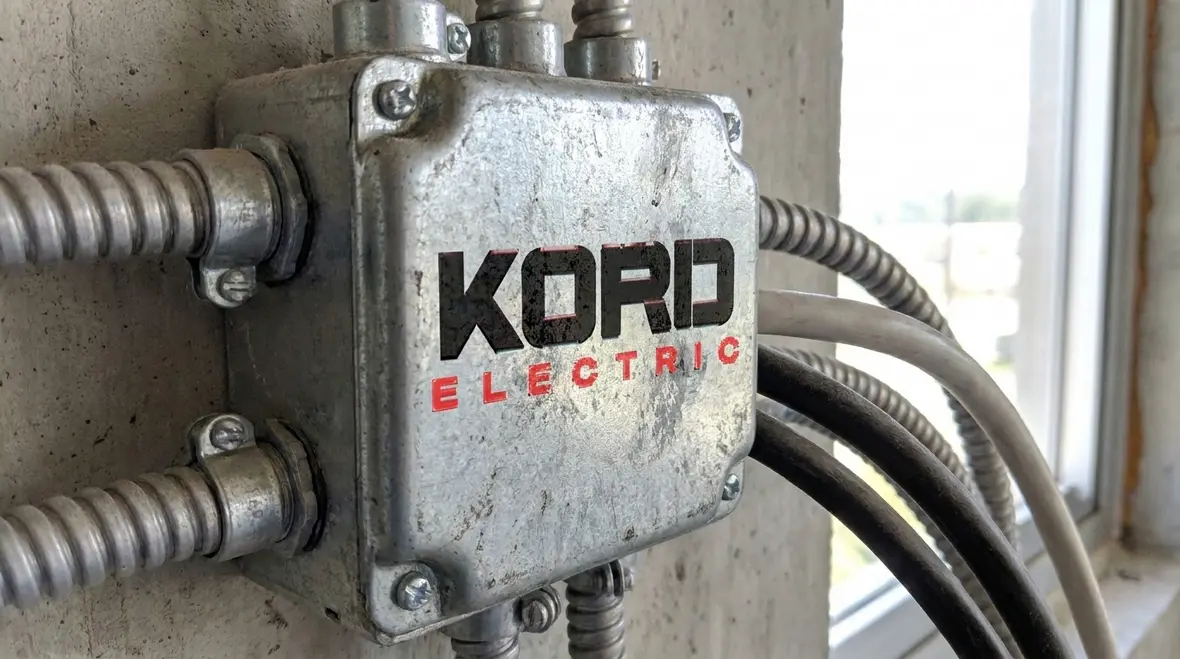
When we plan commercial electrical work, we treat outlet box installation like a foundation. If the foundation wobbles, the rest of the system eventually complains. Therefore, we select outlet boxes that match the intended devices and the wiring method, and we ensure the mounting supports the device load and use.
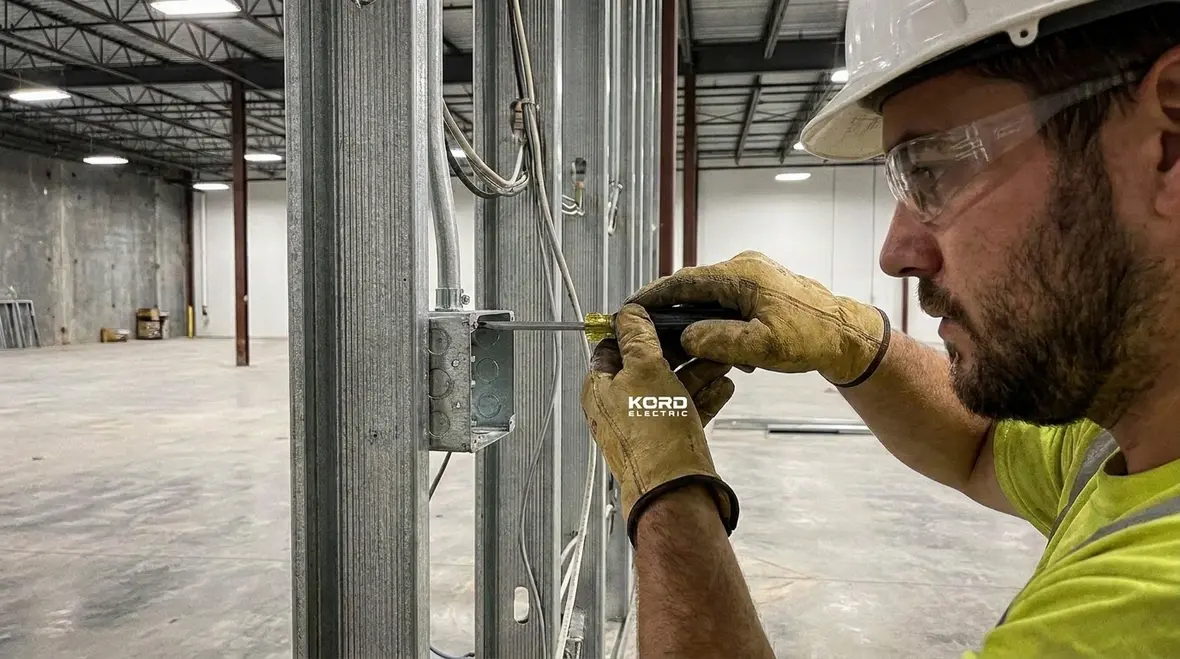
Our technicians follow a consistent process. First, we check the intended device category and confirm compatibility with the box. Then, we confirm the mounting configuration so the device faces correctly, and we avoid any installation that forces the device onto an improper box. After that, we secure the box so it cannot shift, because movement over time can weaken terminations and damage internal connections.
Because our work serves major property buildings and industrial sites, we also consider access. We make sure the arrangement allows inspection and service without destructive work. In short, we build for both safety and real world maintenance, not just for a photo for the file.
NEC outlet boxes requirements for wiring methods and conductor protection
NEC outlet boxes requirements do not live in a vacuum. The box and wiring method work together to protect conductors and maintain safe separation. When the wiring method changes, the box selection and installation details also change. That is why we rely on trained technicians who understand how conduit, cable types, and box fill rules connect to the box itself.
In addition, the box must protect conductors where they enter and exit. If sharp edges or improper openings are left unaddressed, insulation can wear down. Over time, that can lead to faults. So, we handle entry points correctly and we follow the installation steps that keep conductor insulation safe through normal use and maintenance.
Moreover, for facilities that run 24 7, heat and vibration can stress connections more than in a quiet office. Therefore, we apply the code expectations with attention to the long term environment, not just the first day the system turns on.
Common mistakes we prevent in commercial and industrial installs
We see the same errors again and again, especially when contractors rush or when someone tries to “make it work” with a mismatched component. First, an incorrect box type can fail to support the device properly. Next, a box that is not secured as required can loosen during normal building operations. Then, improper wiring method alignment can create conductor stress and reduce safety margins.
Another frequent issue involves workmanship at the device opening and box edge. People think they can skip steps like addressing sharp points. However, conductors do not forgive that kind of shortcut, and inspections rarely get moved by charm or good intentions.
We also explain the “why” to facility teams. Our expert service staff walks clients through the risk chain: loose mounting can cause movement, movement can strain terminations, and strain can lead to overheating. If that sounds like a boring chain, good. Boring means predictable. And in electrical work, predictable safety wins.
How we coordinate box installs with commercial project planning
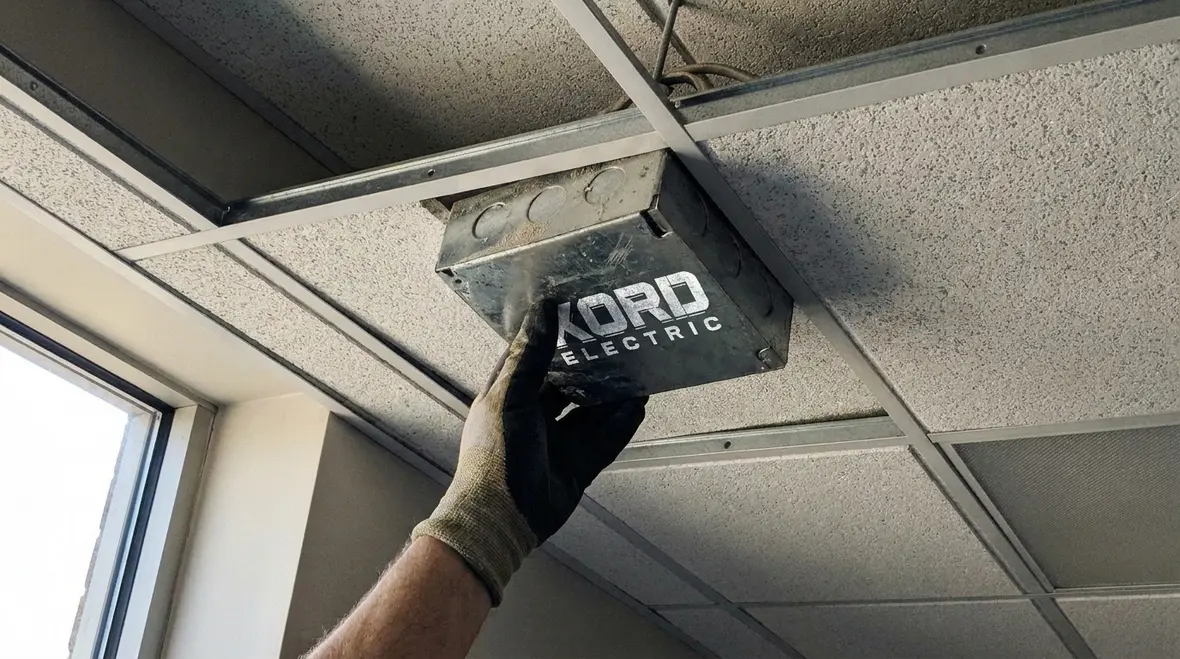
In major property buildings, we cannot treat an outlet box like a single isolated item. We coordinate it with the floor plan, the equipment layout, the ceiling grid, and the future maintenance path. Because schedules matter, we also plan for clear handoffs between trades so boxes install at the correct stage, with proper access.
When our team supports a facility, we align the electrical scope with the site’s operational needs. For example, we may stage work during planned downtime windows, and we plan routing so it does not interfere with fire protection systems or other critical infrastructure. Then, once boxes are installed, we document locations and device assignments to reduce confusion later.
As we coordinate, we keep a steady focus on safety and compliance. If we find conflicting details on a drawing set, we do not wait until inspection day. Instead, we resolve the issue early, because waiting usually turns a fix into a rework sprint.
For deeper NEC background and how the code themes connect across the electrical system, we point our partners to resources like the code overviews we publish, along with additional fire and electrical guidance from trusted industry sites such as Kord Fire and FirePumps.org. For a broader look at how NEC guidance shapes modern projects, facility teams can also review our companion article, Understanding NFPA 70: The National Electrical Code Explained for 2026, which connects these outlet box decisions to the rest of the power system.
Compliance check: our field steps for NFPA 70 and outlet box readiness
When our technicians prepare an area for inspection, we do not rely on hope. We use a practical checklist style approach that matches how inspectors think. First, we confirm each box supports the device it will carry. Next, we verify the box mounting stability and the method used to secure it. Then, we review conductor entry protection and confirm the wiring method aligns with the box installation.
After that, we check the physical readiness: correct alignment, proper opening and device mounting points, and a tidy condition that avoids hidden wiring damage. Finally, we validate the install matches the project drawings and any applicable local expectations for commercial and industrial buildings.
What our technicians verify
- Box type and device compatibility
- Stable mounting and proper support
- Correct wiring method alignment
- Conductor protection at entries
What we avoid
- Loose or shifting outlet boxes
- Mismatched boxes that do not carry the load
- Sharp or poorly prepared entry points
- Install shortcuts that create long term risk
FAQ about NFPA 70 Section 314.27 and outlet box code safety
Schedule code compliant outlet box work with Kord Electric
When your commercial or industrial facility needs outlet box installs that hold up to inspection and real use, we help you build with confidence. At Kord Electric, our technicians plan, install, and verify key details tied to NFPA 70 Section 314.27, so you avoid rework and delays. If you want a team that treats compliance like a standard, not a last minute scramble, contact us today. We will review your project needs and map out a safe path forward.
For facilities that span multiple sites or have complex operations, our outlet box work integrates naturally with broader regional support. Many property teams pair this focused NEC outlet boxes requirements work with our dedicated Los Angeles County electrical services for commercial and industrial properties, so device support, distribution planning, and long term maintenance stay aligned under one accountable partner.


