
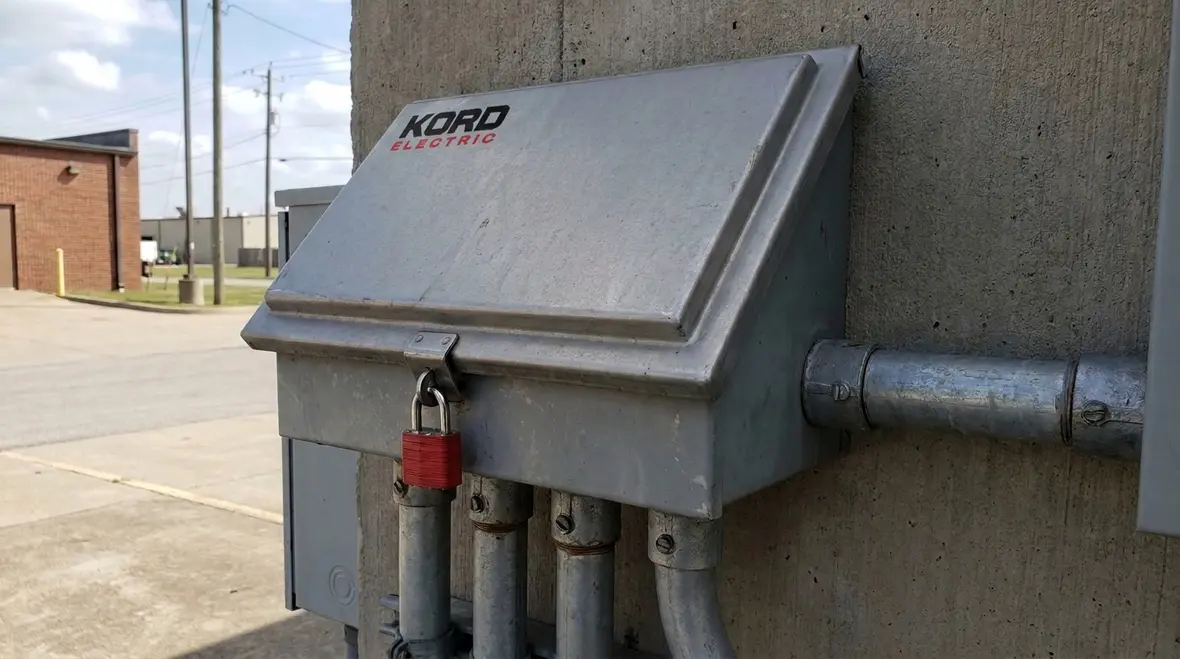
NEC Outside Disconnect Construction Rules NFPA 70 Section 225.38
Kord Electric steps into the spotlight for commercial and industrial facilities, and we keep it calm, clear, and code solid. In the first place, when people ask about NEC outside disconnect construction rules, we point them to NFPA 70 Section 225.38 and the way it governs outside disconnects. These rules shape how the disconnect housing is built, how it sits on site, and how it handles the real world: sun, rain, corrosion, and the kind of dust that seems to multiply overnight. Our technicians and expert service staff explain it in plain language first, then they verify the details in the field. After that, the plan moves forward with fewer surprises, and fewer “who signed off on this” moments. If code were a movie, this section would be the scene where the hero checks the locks before walking in.
NFPA 70 Section 225.38 and why outside disconnects matter
NFPA 70 sets the baseline for safe electrical work, and Section 225.38 gives specific construction expectations for outside disconnect equipment. In practice, we see these requirements become the difference between equipment that lasts and equipment that quietly fails. First, the outside location exposes the disconnect to moisture, wind driven rain, and temperature swings. Next, the construction rules help protect the enclosure and the wiring connections that feed the equipment.
For commercial and industrial facilities, the stakes run higher because downtime costs real money. Moreover, the disconnect often becomes the visible “control point” for service crews, inspectors, and facility managers. Therefore, the construction must match the use case, the environment, and the installation method.
Kord Electric does not treat this as a checklist exercise. Instead, our team checks the design intent against what gets installed. Then, our technicians document the findings so your maintenance group understands what is in place and why it meets the NEC outside disconnect construction rules that apply. For facility teams who want a broader grounding in how NFPA 70 shapes these expectations, we also reference our in depth guide Understanding NFPA 70: The National Electrical Code Explained for 2026 as background reading that supports day to day decisions.
What construction expectations drive compliance
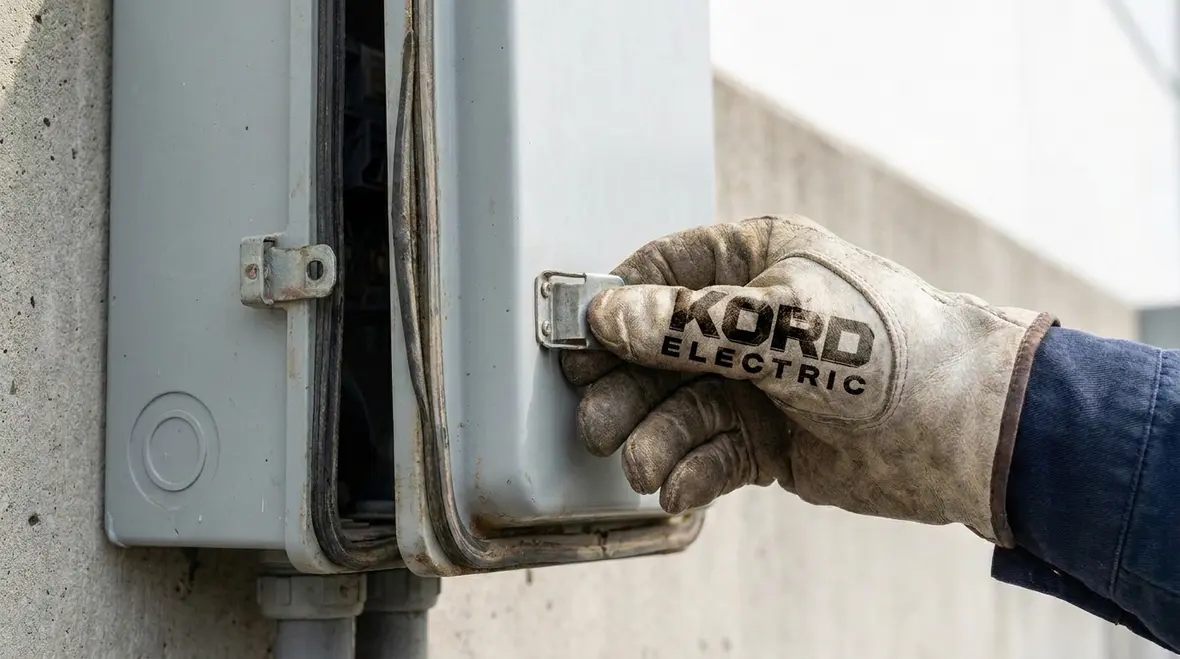
When we review outside disconnect construction, we focus on how the enclosure, openings, and internal components remain suitable for outdoor conditions. Even when a unit “looks right” from the street, details can fail inspection. Consequently, we pay attention to how the disconnect is built to keep water and contaminants out, while also allowing safe operation.
Here is what our expert service staff usually highlights during pre approval reviews.
- Enclosure suitability for outdoor use: We confirm the cabinet type and protective features match outdoor exposure.
- Covering and closing integrity: We verify that doors, covers, and seals stay effective after installation and normal use.
- Internal workmanship: We check that connections and terminations follow safe practices and remain protected.
- Component listing and compatibility: We make sure the disconnect and related parts fit the installation plan for the facility.
Then we connect the dots for facility teams. For example, if the enclosure tolerates outdoor conditions but the sealing method does not, water finds its way inside. After that, corrosion becomes a hidden timeline, and the “future issue” becomes a current emergency. We prefer the boring truth now, so your operations stay exciting for the right reasons.
Where the disconnect gets installed on a facility
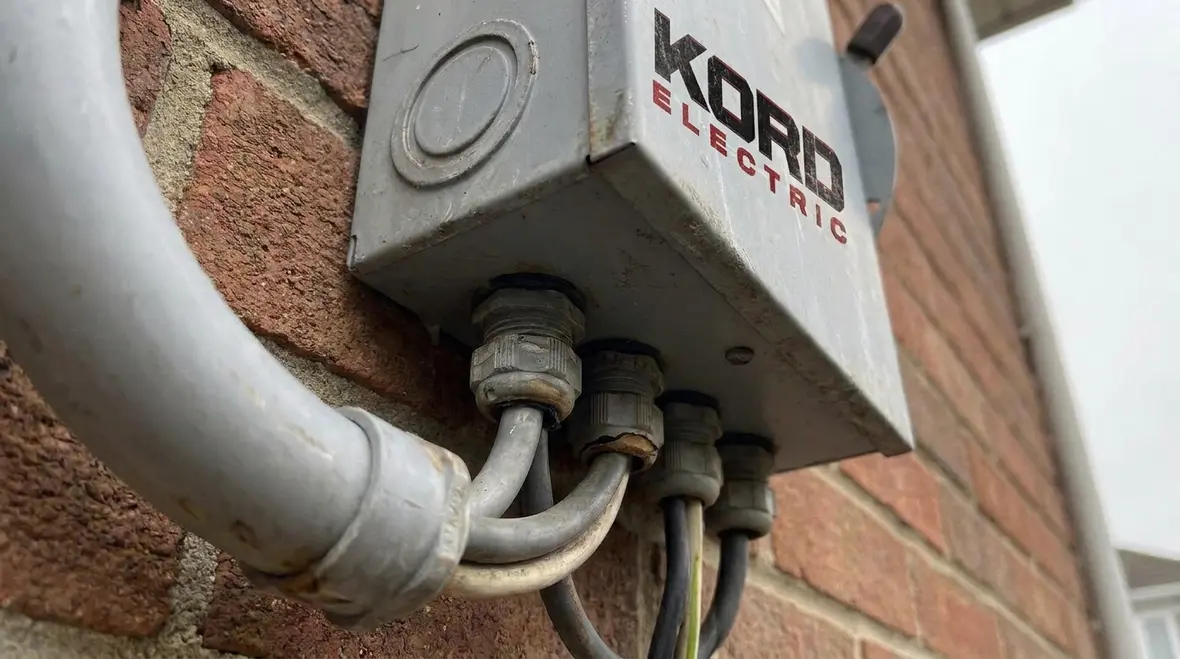
Installation location affects safety and serviceability. In most commercial and industrial projects, outside disconnects serve as the practical access point for equipment feed and shutdown. Therefore, we plan the placement so workers can operate the device safely and so maintenance can service it without gymnastics.
Kord Electric looks at site conditions before equipment lands. First, we consider moisture exposure paths, such as sprinkler overspray, roof drainage routes, and exterior wall runoff. Next, we review the approach route for personnel and how the disconnect will be accessed during normal operation. Then we make sure the installation location aligns with the overall electrical layout, and does not create conflicts with other systems.
We also help owners avoid the classic mistake: placing the disconnect where it technically exists, but nobody can reach it comfortably. That might not break the code on paper, but it breaks compliance in the real world because service staff gets pushed into shortcuts. And shortcuts, as anyone who has watched a slow burn thriller, never end well.
Conduit, wiring, and sealing practices that keep water out
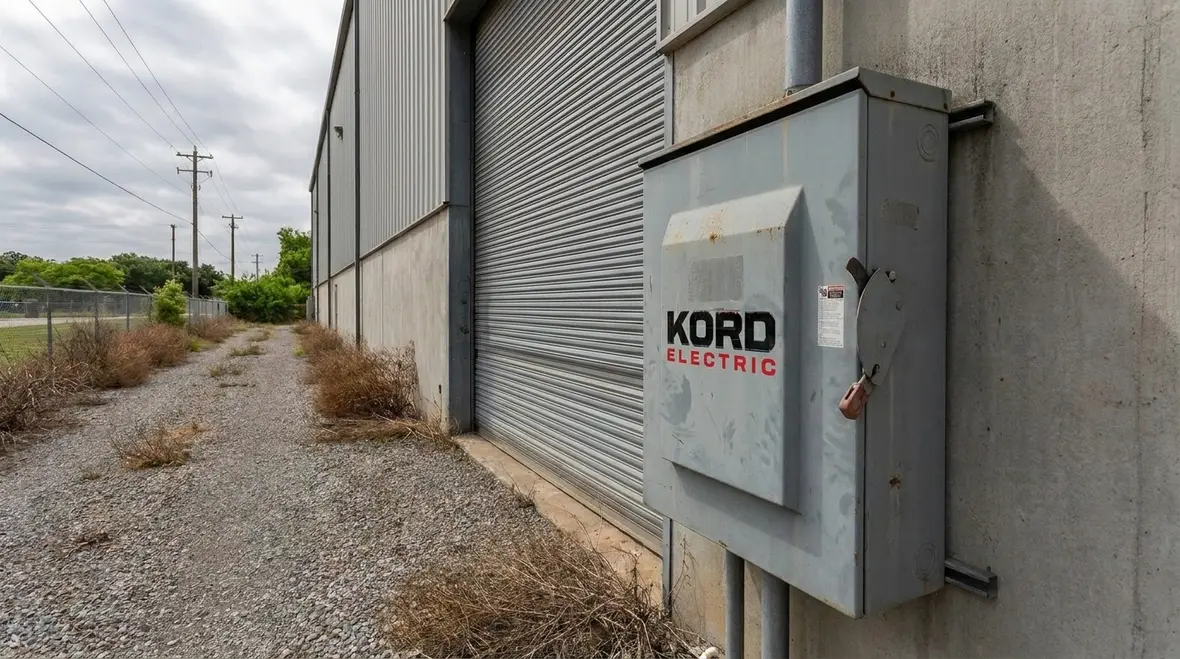
Construction rules only work when installation matches them. Once conduit and wiring enter the outside disconnect zone, the details around protection and sealing matter. That is where many issues show up during inspections, especially when a project rushes and someone assumes “it will be fine.” It is rarely fine.
Our technicians focus on how wiring enters and exits the disconnect, and how openings get treated so the enclosure maintains its intended protection. We also verify the routing and support so cables do not sag or stress terminations. Additionally, we help facility teams understand how to maintain the system after installation, because outdoor exposure does not stop the moment the inspector leaves.
In simple terms, we treat outside disconnect construction like a sealed container for sensitive components. If we allow unprotected entry points, moisture and dust follow the path of least resistance. Then, corrosion and tracking risks rise. So, we build for the long term, not for the photo op.
How inspections and documentation flow in a commercial setting
Many owners ask how the process works after we begin. We explain it as a chain of steps, and we keep it transparent. First, we review the NEC requirements that apply to the planned equipment and disconnect assembly. Next, our expert service staff verifies the physical conditions on site. Then, we compare what is installed against what was designed and what the code expects.
To support your operations, we also provide documentation that your internal teams can use. That includes notes on what was verified, what was corrected, and what maintenance should consider later. Because in commercial and industrial facilities, you need continuity. Even if the original project lead moves on, your staff should still understand the system.
Kord Electric also supports facilities with ongoing electrical service so the outside disconnect stays functional after seasonal weather and ongoing use. We do not just “install and disappear.” Instead, we stay present for inspections, updates, and troubleshooting, especially where shutdown and restart decisions affect production and uptime.
Common mistakes we see and how we prevent them
We have learned to spot repeat issues across many propertie types. And yes, sometimes the mistake comes from well meaning teams, like the “we will seal it later” plan. Later arrives, the weather does its thing, and the electrical system pays the price.
Here are common problem areas our team corrects before they become costly.
- Enclosure mismatches: A disconnect gets installed outdoors, but the enclosure features do not meet the outdoor expectations.
- Improper protection at openings: Seals and closures fail to maintain the intended protection after install.
- Loose workmanship: Connections that lack proper care can create heat and long term failure risk.
- Service access problems: The disconnect exists, but crews cannot reach it safely during real operations.
Then we prevent the cycle by explaining the “why,” not just the “what.” Our technicians walk facility staff through the key points, so everyone understands how the NEC outside disconnect construction rules support safety goals at the component level and at the operations level. For teams who want to see how these practices connect to broader workmanship standards, resources like our NEC wiring integrity overview and other code focused articles on the Kord Electric blog help tie field details back to code language.
FAQ for NEC outside disconnect requirements
Key takeaways for facility managers and electrical planners
To keep your projects moving, we boil the topic down to the essentials. First, NFPA 70 Section 225.38 guides how outside disconnects must be constructed for outdoor conditions. Next, installation must preserve enclosure protection through correct workmanship at entries and closures. Then, the placement and service access must support safe operation for your crews.
Finally, Kord Electric supports commercial and industrial facilities with expert service staff who explain requirements in plain terms and verify details in the field. We treat code compliance as an operational asset. When your electrical systems stay safe and serviceable, your downtime stays rare. And nobody wants downtime more than they want their favorite show to continue without the dreaded buffering wheel. For facilities across Southern California, pairing that mindset with region focused support such as our Los Angeles County electrical services means your outside disconnect strategy stays aligned with local expectations as well as NEC rules.
Conclusion and call to action
If your facility plans, upgrades, or maintenance work touches outside disconnects, you deserve clear answers and verified workmanship. Kord Electric serves commercial and industrial projects with technicians who explain the NEC outside disconnect construction rules and NFPA 70 Section 225.38 in a way your team can use. Then we confirm what was installed matches what the code expects, so inspections feel less stressful and operations stay steady. Reach out to Kord Electric today for a review, an estimate, or service support you can trust.


