
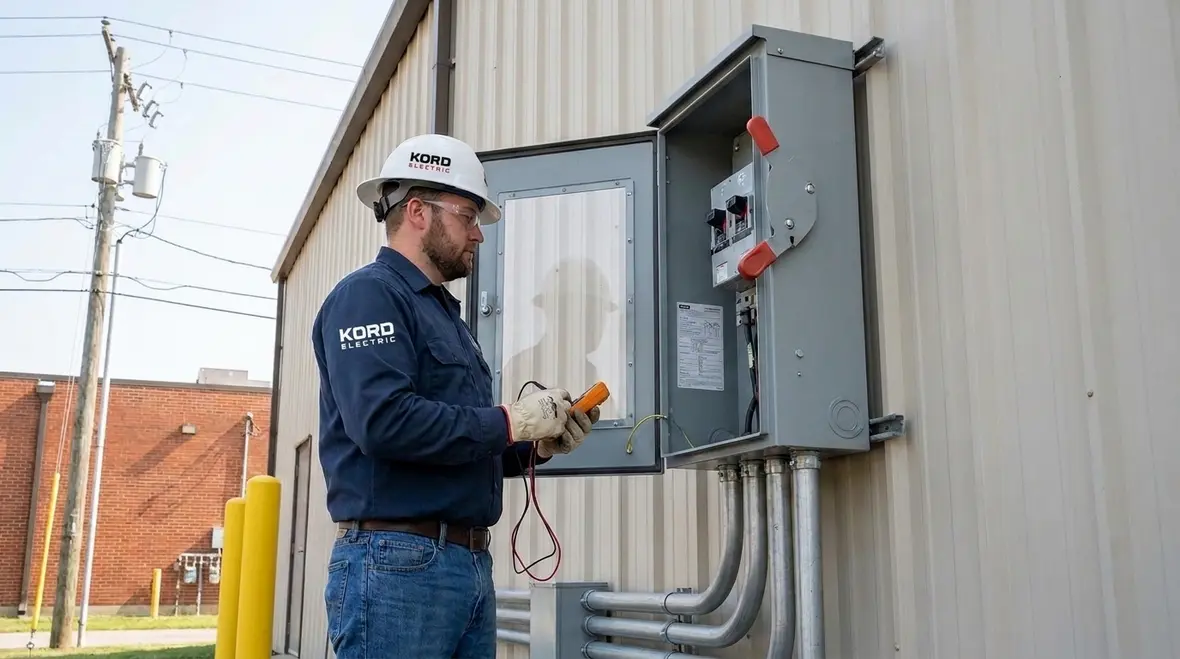
NEC Outside Disconnect Type Requirements NEC 225.36
Kord Electric helps commercial and industrial facilities handle power safely, and we start every code conversation with the basics. Early on, we explain the NEC outside disconnect type requirements tied to NFPA 70 Section 225.36, because the outside disconnecting means sets the tone for how service equipment can be worked on, inspected, and maintained. In fact, this section tells us what “type” of outside disconnecting means is allowed, and it affects how systems are installed on rooftops, yards, and exterior walls. Then, we take a deeper breath and walk the rest of the path step by step, the way our expert service staff does on site, calm and clear, like a trustworthy guide who never says “trust me” without receipts.
NFPA 70 225.36 in plain business terms
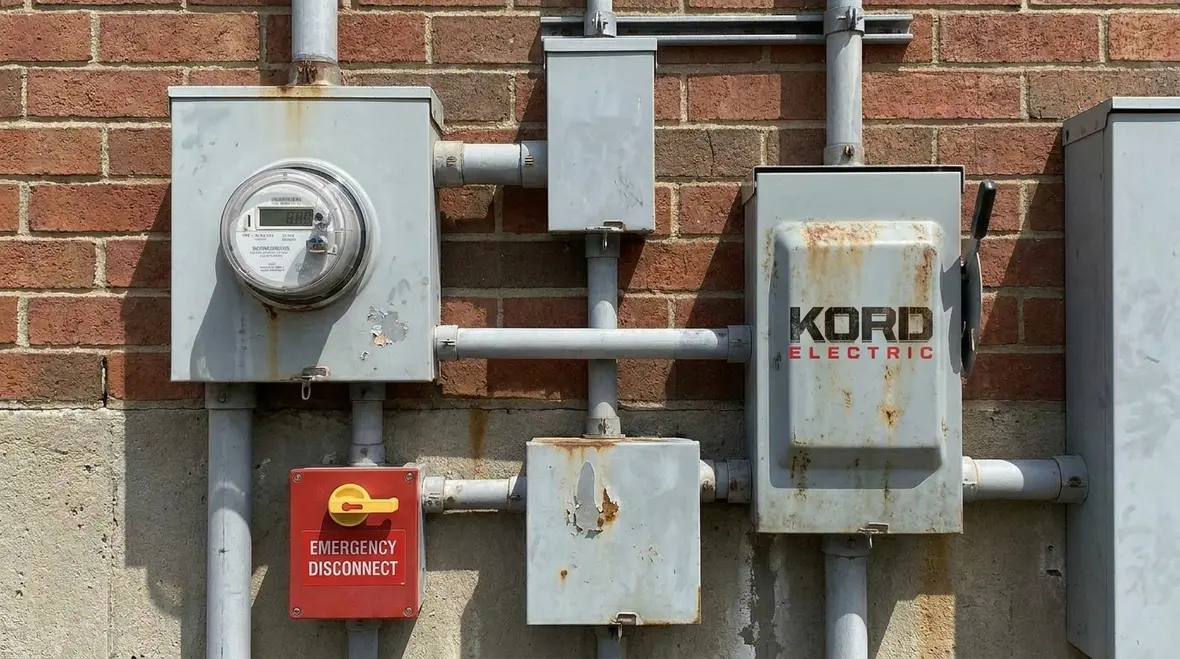
NFPA 70 Section 225.36 addresses the type of outside disconnecting means that must be used where power service equipment needs an exterior disconnect. In simple terms, when a utility feed arrives at a building, the code expects a way to disconnect power outside, so workers can make safe changes without guessing where energy might be coming from. That outside disconnecting means also supports inspection and maintenance practices that meet safety expectations for major property buildings.
At Kord Electric, we do not treat this as trivia. We treat it as a design requirement that impacts drawings, equipment selection, conduit routing, enclosure ratings, and the way your electricians actually work. And yes, it can feel a little like choosing the right lock for the front door, because the wrong choice can turn “maintenance” into an avoidable outage drama.
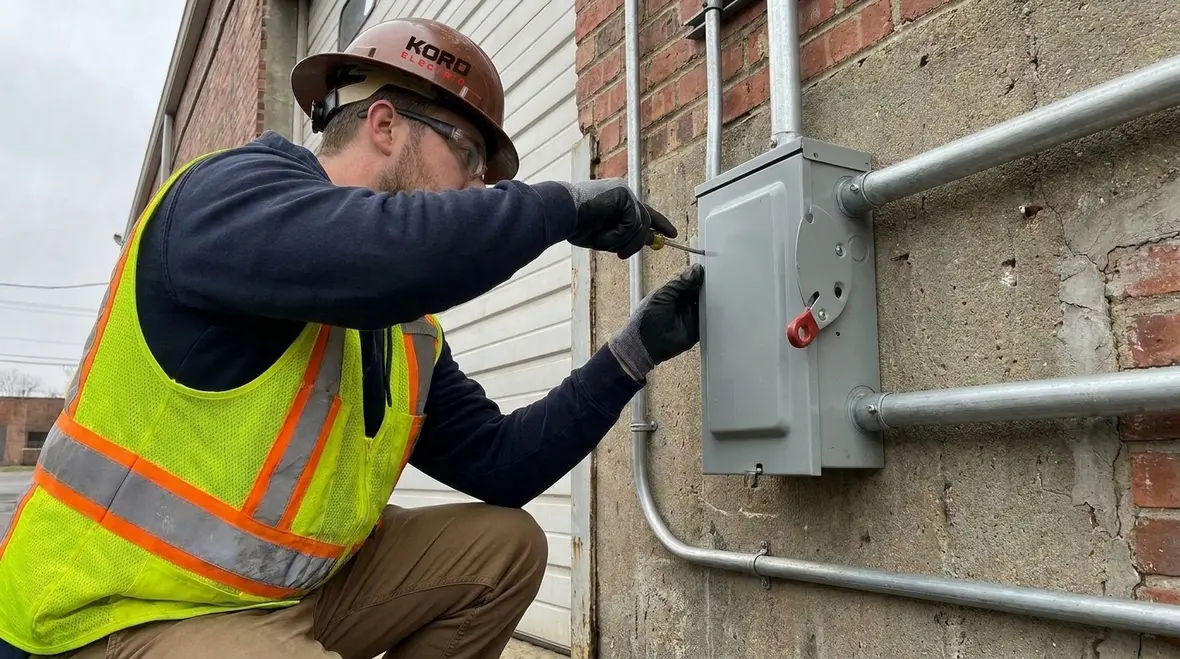
For teams that want a broader foundation on how this section fits into the bigger rulebook, Kord Electric’s companion resource Understanding NFPA 70: The National Electrical Code Explained for 2026 connects the high level NEC direction to the day-to-day decisions your project team makes on major property buildings.
What “outside” and “disconnecting means” mean on real projects
Because the code aims at safety, it expects the outside disconnecting means to be accessible where it can be used without entering energized areas unnecessarily. Transitioning from that concept to the physical site is where most teams slow down. For example, in commercial and industrial builds, the outside disconnect is often located near where service conductors enter, near the service equipment, or in a location that supports safe access during emergencies and planned work.
Next, we connect “disconnecting means” to the practical definition: a device or arrangement that allows a qualified person to remove power from a section of the electrical system. Importantly, the disconnection must be capable of handling the electrical loads and meet the relevant code requirements. Therefore, the type of outside disconnecting means you install needs to match both the service arrangement and the intended working conditions.
How our technicians interpret the section on type and location
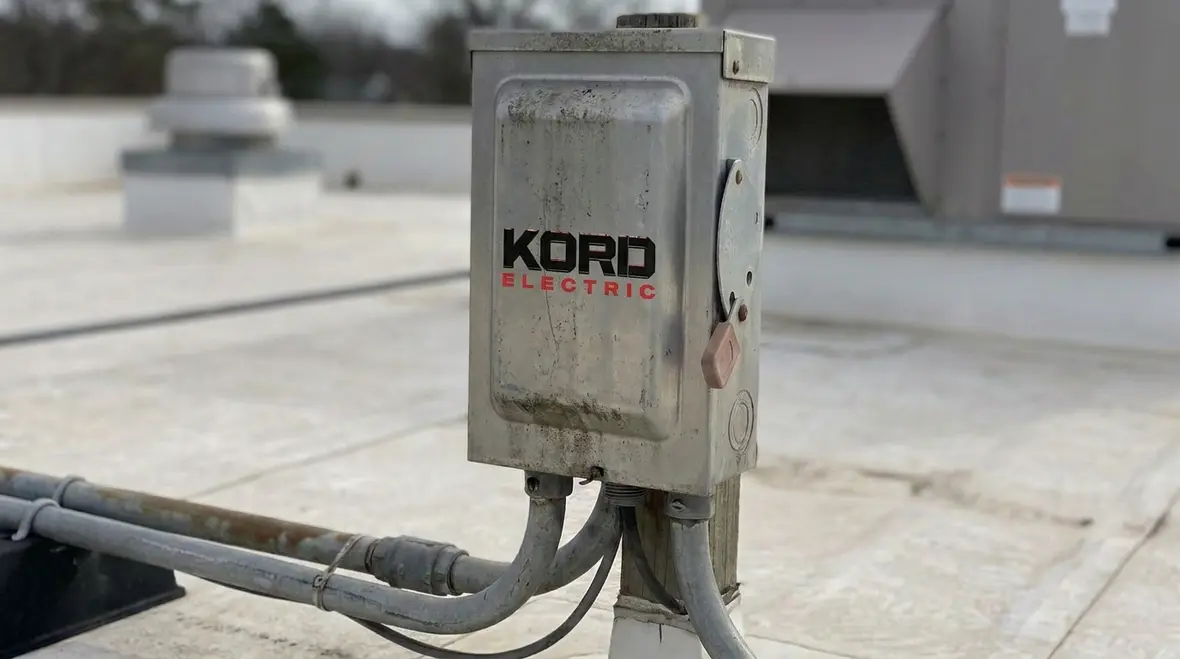
When our technicians review designs or field conditions, we verify several points before anyone installs hardware. First, we confirm the service type and the service equipment configuration. Then, we match the outside disconnecting means to what the code allows for that situation.
After that, we look at where the disconnect will be mounted and how it will be accessed. We consider working clearances, environmental exposure, and whether the chosen enclosure supports safe handling outdoors. At this stage, we also think about how the disconnect will be labeled and identified, because wrong labels are the fastest route to a confused team. If you have ever seen someone stare at a panel like it is a vending machine that “should have worked,” you know why clarity matters.
Finally, we make sure the disconnect arrangement supports safe maintenance planning for commercial and industrial facilities. We do not rush this. We verify before power is energized, and we document what was installed, so inspections and ongoing operations stay smooth.
Equipment selection that stays code aligned and field friendly
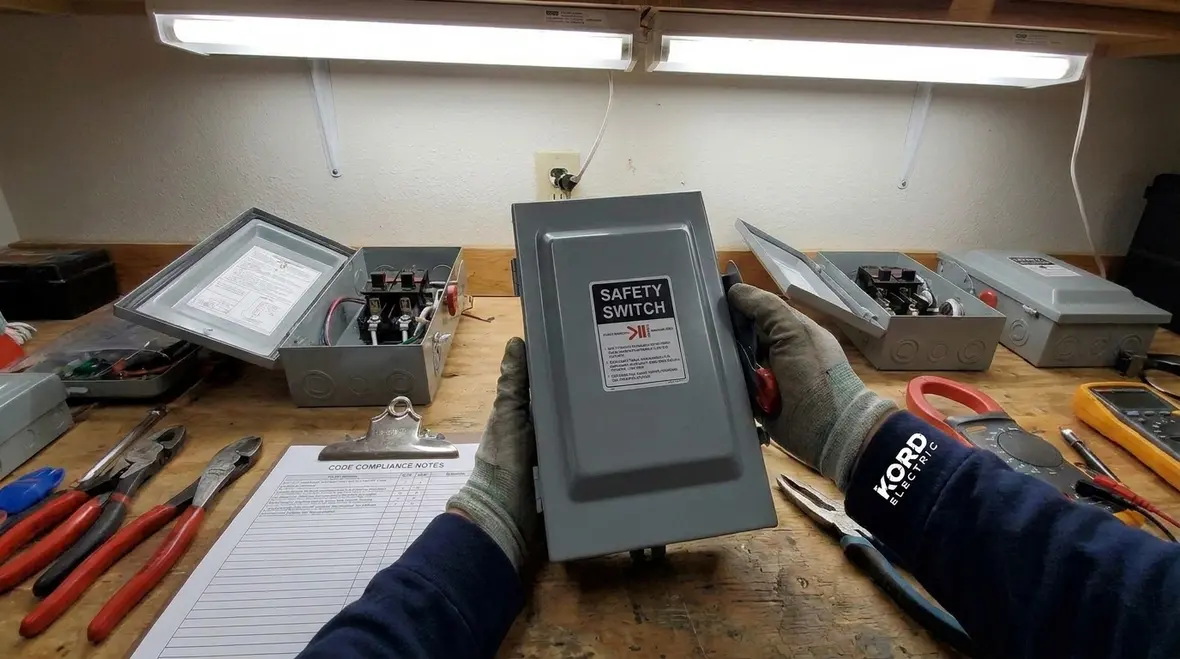
Choosing the right outside disconnecting means is not only about meeting the letter of NFPA 70. It also has to survive real life: vibration, weather cycles, corrosion risk, and daily access patterns. Therefore, we guide clients through a selection process that accounts for equipment ratings, enclosure type, and the operational needs of the facility.
We also help teams avoid common mismatches. For instance, when a disconnect is selected without considering how conductors route into the service equipment, the electrical layout can force awkward or unsafe conductor runs. In contrast, when we align the design early, the installation becomes cleaner, faster, and safer for everyone on site.
And because you are building for long-term operations, we think about maintenance access too. After all, even the best facility team will eventually need to perform service work. So the outside disconnect should support those workflows instead of turning them into an obstacle course.
Coordination with utilities and other life safety systems
Commercial and industrial projects rarely live in isolation. Utilities, service upgrades, fire alarm systems, emergency power, and monitoring networks often connect to the same service environment. As a result, the outside disconnecting means must not conflict with other system needs or planned equipment changes.
At Kord Electric, we coordinate so that the disconnect arrangement supports safe work practices for service techs, electricians, and facility managers. Then we confirm that the location and identification match what the operational team expects during outages and troubleshooting.
In addition, we consider how emergency and life safety equipment may relate to service pathways. Even when the outside disconnect does not directly control every downstream circuit, how it disconnects power can still affect what technicians can safely access. Therefore, our approach balances code compliance with operational clarity.
Inspection readiness and documentation that protects your schedule
When the inspector arrives, they want evidence that the installation matches NFPA 70 requirements and that the physical setup supports safe operation. To help facilities avoid last minute fixes, our expert service staff builds inspection readiness into the job process.
We verify that enclosures and disconnect hardware match the intended use and environment. We check access conditions, labeling clarity, and installation quality. Then, we make sure the electrical layout aligns with the approved plans so there are fewer surprises at the end.
Meanwhile, we also document what we did. This matters because commercial and industrial buildings often undergo expansions, tenant changes, or power upgrades years later. Good records help others maintain the system correctly, without playing the “guess what this is” game.
NEC outside disconnect type requirements guide for major property buildings
For major property buildings, compliance cannot rely on guesswork or old assumptions. Therefore, we treat NFPA 70 225.36 as a decision point in the project plan. Specifically, we ensure that the installed outside disconnecting means follows the code based on the service and system arrangement, and we verify that the field installation supports safe access and safe disconnection.
To keep this practical, we focus on these outcomes. First, we ensure the outside disconnect exists where required and functions as intended. Second, we confirm the device selection matches what NFPA 70 allows for that service setup. Third, we confirm the installation details support outdoor use where needed. Finally, we help clients maintain consistent labeling and documentation so the facility team can operate with confidence.
In other words, we do not just install equipment. We help you build a system that behaves the way it should when things get busy. Like a good playlist at a warehouse shift, it keeps the work moving and avoids the awkward silence.
Why this matters beyond code boxes
Some teams treat NEC compliance like a hoop to jump through. However, in real facility life, the outside disconnecting means affects how safely and quickly your staff can respond to problems. It also affects downtime, because if a system is difficult to isolate, troubleshooting slows down and maintenance costs rise.
Additionally, proper outside disconnecting means installation improves safety for both planned work and emergency events. When the disconnect can be accessed as intended, qualified workers can isolate power without risky workarounds. And because commercial and industrial facilities often have strict uptime targets, safe and fast isolation helps protect operations.
Finally, a code-aligned installation reduces rework during upgrades. When the outside disconnect is correct the first time, later improvements can connect to an electrical foundation that already makes sense.
Frequently asked questions
Plan your next project around NEC outside disconnect type requirements
If your facility team is planning a service upgrade, new build, or inspection prep, we recommend handling NFPA 70 Section 225.36 early. Kord Electric works with commercial and industrial property owners to ensure the outside disconnecting means selection and installation match the NEC outside disconnect type requirements in the real world, not just on paper. Our expert service staff explains options clearly and verifies details before installation.
For multi-site portfolios or complex facilities, this often pairs well with broader electrical planning and modernization. Resources like Kord Electric’s guide to what NFPA 70 means in practice and their planning content on modern electrical systems help your leadership team connect these outside disconnect choices to bigger goals like uptime, resilience, and life safety performance.
When you are ready to translate these plans into field work, partnering with a contractor who already understands local expectations makes a measurable difference. Kord Electric’s Los Angeles County electrical services team, for example, is used to coordinating NEC-driven designs with regional amendments, utility requirements, and tight inspection windows across major property buildings.
Call Kord Electric before the disconnect becomes a problem. Our technicians help you plan, document, and install outside disconnecting means that satisfy NEC 225.36, support safe maintenance, and keep operations running without unnecessary drama.


