
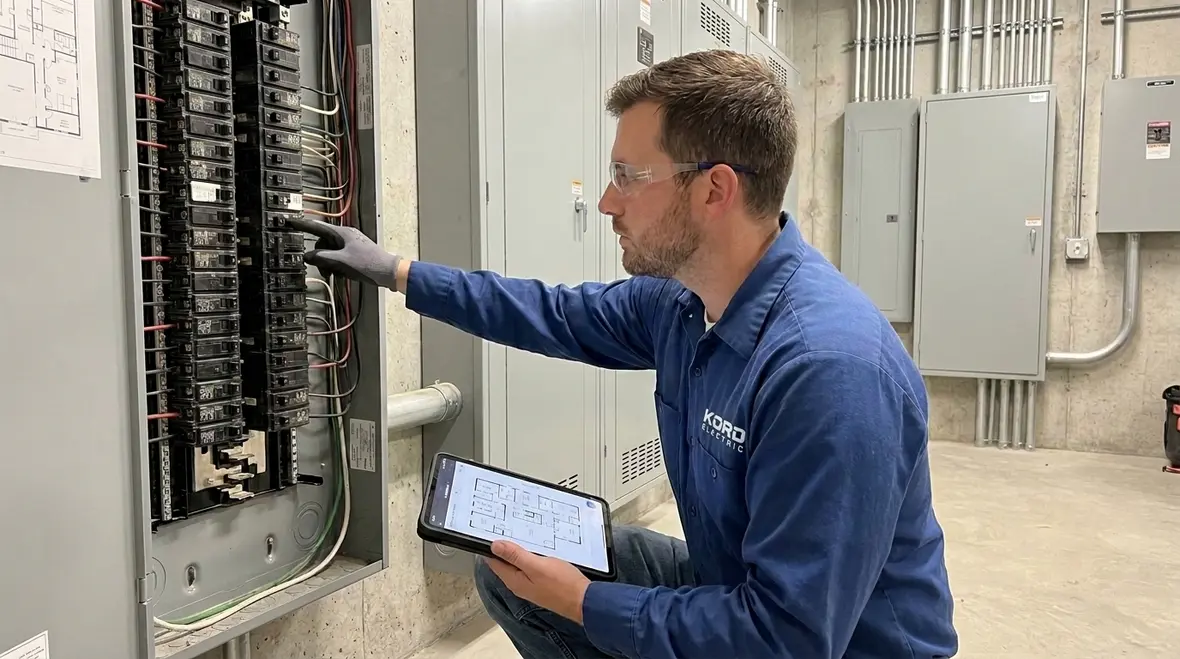
NEC Overcurrent Location on Premises Meets 240.24
NEC overcurrent placement starts with NFPA 70 clarity
In a well built commercial or industrial facility, the NEC overcurrent location on premises is not a guess. It is planned, labeled, and installed so protection works when faults happen. NFPA 70 Section 240.24 focuses on where overcurrent devices go across the building, and how they should relate to wiring runs, equipment, and access. At Kord Electric, we take that rule seriously, because an electrician’s job should end with the lights staying on, not with a troubleshooting session that lasts longer than a bad movie sequel.
Our team explains this in plain language. Others may throw code numbers at you like confetti. We do better than that. We help facility managers and electrical decision makers understand what the code expects, why it matters, and how to avoid costly mistakes before they show up on a punch list.
Why Section 240.24 matters in real buildings
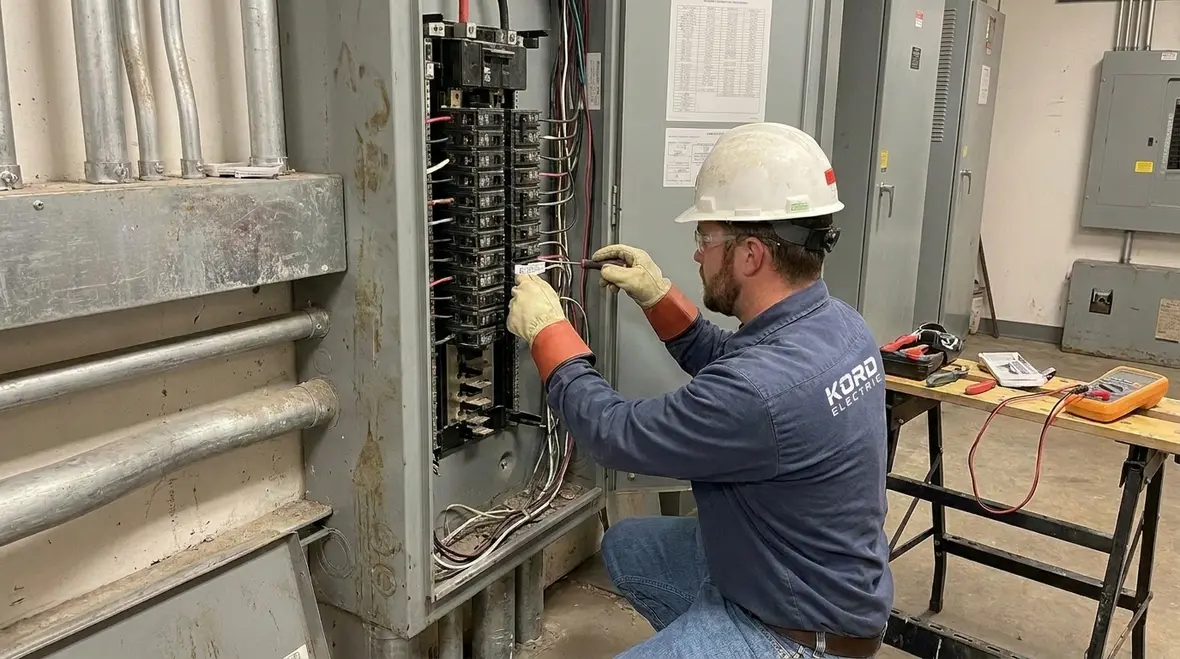
NFPA 70 Section 240.24 exists for a reason. When an overcurrent device is placed at the wrong point, it can delay protection or fail to protect the branch or equipment it is supposed to guard. As a result, damage can spread, cables can overheat, and equipment can experience stress that shortens its life.
In commercial and industrial occupancies, we see wiring that feeds multiple areas, long conduit runs, and panels that serve critical loads. Therefore, the code expects that overcurrent devices stay close enough to the conductors and equipment they protect, and that installers maintain proper access and working space. Put simply, the device must protect the circuit, not protect someone’s patience.
Our technicians often walk the premises and map the path from source to load. Then, they compare that plan with what Section 240.24 requires. Even when a design looks “close enough,” we still verify the details. Code compliance is not a vibe, it is a job.
How the NEC overcurrent location on premises rule connects to equipment and wiring runs
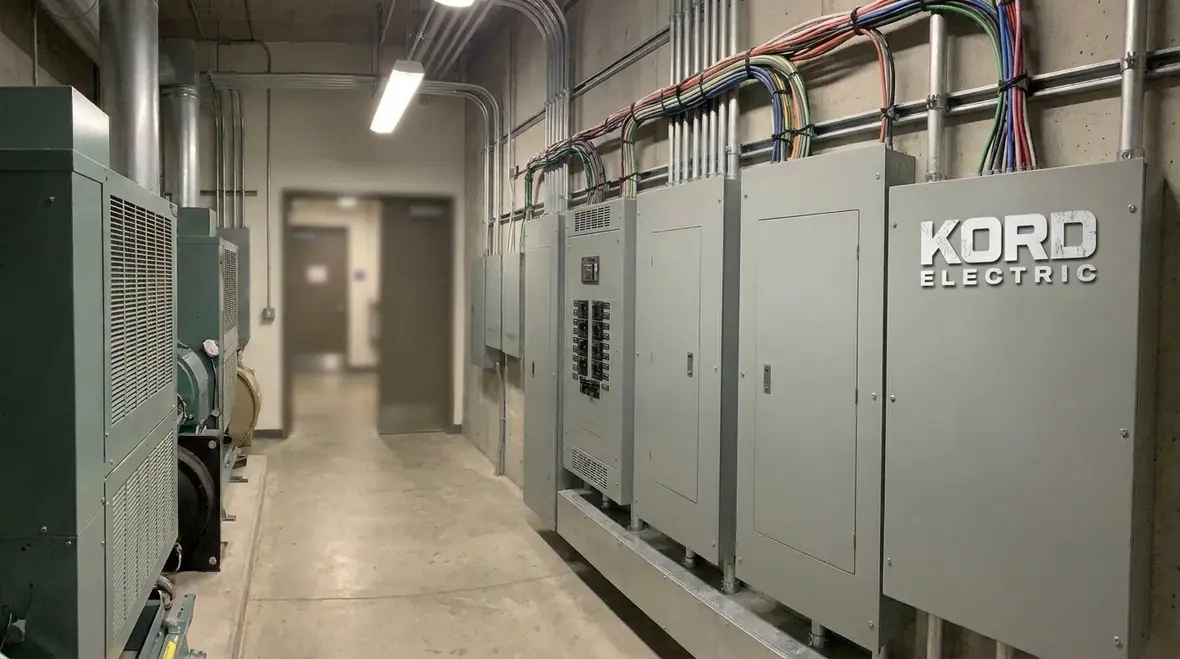
Section 240.24 addresses overcurrent device locations on the premises. However, it also forces a broader design mindset. First, installers must consider conductor length, the location of equipment, and the point where a fault would most realistically need interruption.
Next, the rule pushes electrical layout toward rational placement. That means overcurrent devices should not sit far from the equipment they protect, and they should not be hidden in ways that make inspection and reset difficult. If someone cannot reach a device safely, the building may not get the maintenance it needs, and that can turn a protective plan into a liability.
In practice, our expert service staff helps clients understand how decisions affect the field. For example, when a facility updates lighting, HVAC, or process loads, we evaluate whether existing overcurrent device locations still make sense. Also, when a tenant build out changes loads, we verify whether the protective scheme still matches what the wiring now feeds. That is how we prevent “surprise” trip conditions and late corrections.
Access, working space, and maintenance are part of protection
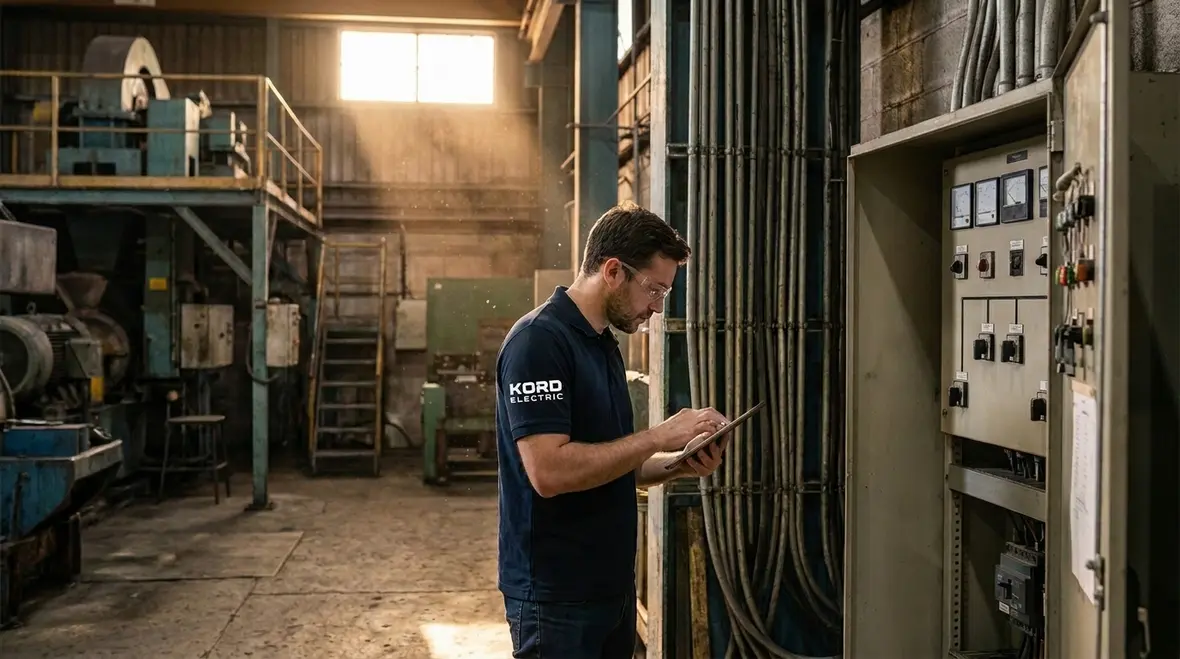
Overcurrent protection is not only about the device rating. It is also about how people interact with it. Therefore, Section 240.24 works alongside other NEC provisions that deal with clearances and accessibility. When devices sit behind cluttered enclosures or in tight corridors with poor access, maintenance becomes risky. Then faults take longer to isolate, and repairs cost more.
Kord Electric technicians plan the install so field staff can safely reach and service the equipment. We treat working space as a safety feature, not as an afterthought. Moreover, we help teams keep identification and labeling clean so anyone can find the right breaker quickly.
Yes, someone will eventually ask, “Which one trips the plug for that machine?” If you want a calm day at work, you build that answer into the electrical layout from the start.
Coordinating protection across the premises
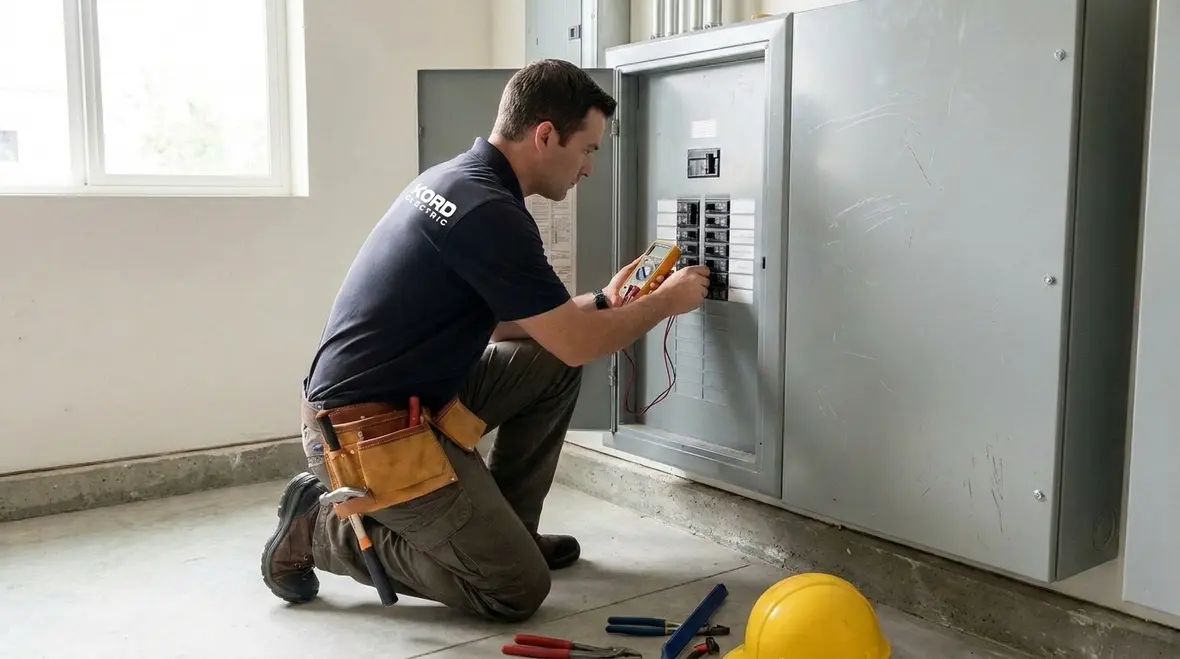
In major property buildings, protection often spans multiple levels. There is utility interface, main switchgear or switchboards, distribution panels, and final branch circuit devices. As a result, you need coordination so that when a fault occurs, the nearest appropriate device clears the problem without taking down unrelated systems.
Section 240.24 helps drive that order. However, coordination still depends on correct placement and correct design. That is why we do more than check one clause. We review the flow of power, the conductor sizing, and the distribution path across floors or process zones.
Then we align the overcurrent device locations with the equipment they protect. For example, we consider whether a device should protect a feeder panel, a piece of process equipment, or a motor branch. We also examine whether protective device placement reduces nuisance trips while still interrupting faults quickly.
Our approach fits commercial and industrial buildings, including warehouses, manufacturing sites, and multi tenant commercial properties. If a project includes life safety loads or critical systems, we also focus on how labeling and isolation affect continuity.
Common mistakes we prevent on commercial and industrial jobs
Most failures we see are not from ignoring the code entirely. They come from small decisions that add up. First, devices get installed where the contractor had the easiest access, not where protection actually aligns with the conductor and equipment. Then, changes occur during construction, such as rerouted conduits or swapped panel locations, and nobody fully rechecks the protective scheme.
Another frequent issue involves communication. When drawings do not match the field, the overcurrent device location on premises might end up correct on paper but wrong in reality. Moreover, labeling gaps can turn a minor trip into a slow outage because staff must test circuits to find the culprit.
Our technicians and expert service staff help prevent these problems with disciplined site checks. We verify layouts during installation, and we confirm the final configuration through field review. In addition, when facilities expand or remodel, we evaluate whether the existing overcurrent arrangement still supports the new loads.
And yes, we remind teams that “temporary” changes have a talent for becoming permanent. Electrical systems should not inherit that kind of personality.
Supporting the NEC framework with safe, code aligned practices
NFPA 70 and the NEC provide the language for how we build safe electrical systems, while practical implementation determines whether that safety holds under real conditions. When we reference NEC principles, we connect them to day to day outcomes: fewer unexpected outages, better fault isolation, safer maintenance, and smoother compliance outcomes.
Kord Electric supports this work with clear guidance for facility teams, and we also coordinate with fire safety considerations through our broader ecosystem. Our work is aligned with how NFPA style thinking supports life safety and risk reduction. If you need a deeper overview of the NEC foundations and how they connect to field realities, we recommend reviewing resources from Kord Fire and related educational material, including the NEC focused explanation found at Understanding NFPA 70: The National Electrical Code Explained for 2026 and the additional perspective provided at Kord Fire’s NFPA 70 overview.
We do not push generic guidance for homes or small residential jobs. We concentrate on commercial and industrial facilities and major property buildings, where electrical systems serve real work and real people.
FAQ for NEC overcurrent location on premises
Call Kord Electric for a code aligned electrical plan
When you protect critical equipment, you do not want delays, surprises, or guesswork. Kord Electric helps commercial and industrial facilities confirm that overcurrent device placement supports safe, fast fault clearing, in line with NFPA 70 Section 240.24. Our technicians and expert service staff walk the site, review the electrical layout, and explain the decisions in plain language you can use.
If you are planning upgrades, tenant improvements, or compliance updates, our team can connect NEC overcurrent location on premises reviews with broader code guidance drawn from resources like our National Electrical Code explainer and related NFPA 70 articles. For facilities in Southern California, our Los Angeles County electrical services overview shows how we support everything from permit planning to field verification so Section 240.24 and related requirements are built into the project, not patched in later.
When you are ready to align protection, equipment, and real world operations, contact Kord Electric and we will help you build it right the first time.


