
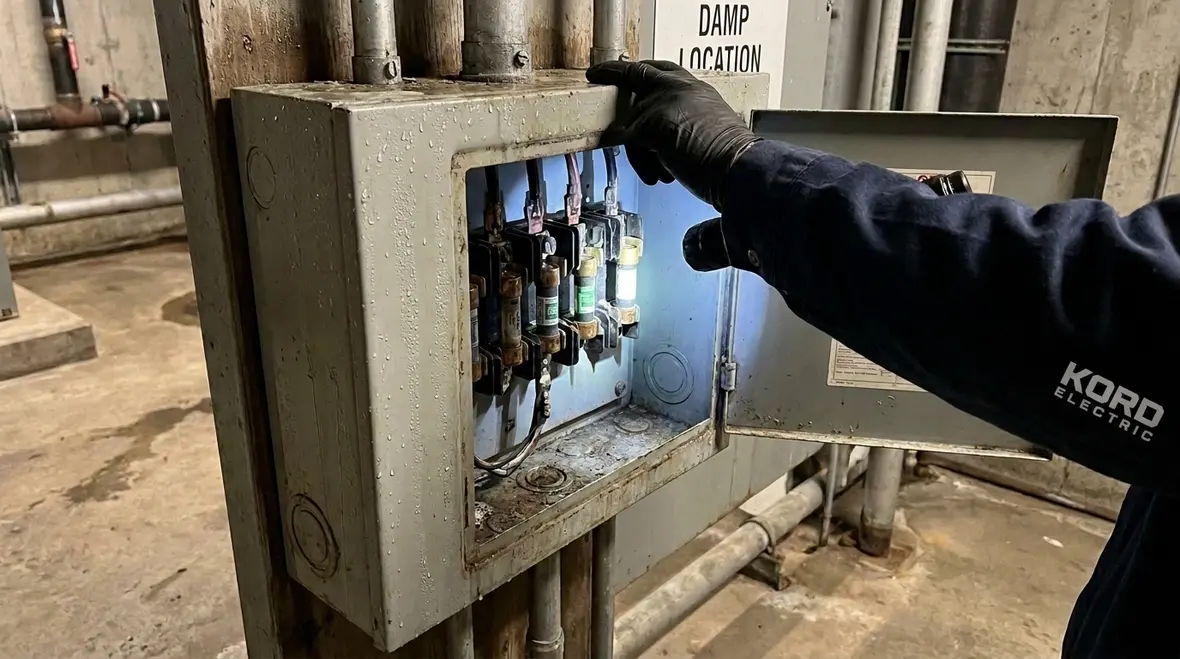
NEC Fuses in Damp Wet Locations 240.32 Guide by Kord Electric
In commercial and industrial buildings, moisture can turn an electrical system from “reliable” into “random.” That is why we pay close attention to NEC fuses damp wet locations, especially under NFPA 70 Section 240.32. Here, the Code lays out expectations for how fuses should perform when they face dampness or water exposure. While some people treat this as a formality, our experience tells us it is a safety boundary that matters. And yes, moisture is sneaky. It shows up like a pop song you cannot stop humming, then suddenly your equipment is not humming the way it should.
In this article, a third person voice explains what Section 240.32 requires and how Kord Electric helps facilities meet the intent of the NEC. Our technicians and expert service staff review details, translate the rules into real-world steps, and make sure the right fuses go in the right places. Because when the system runs, it should run on purpose, not luck.
What NFPA 70 240.32 requires for fuses in damp or wet locations
NFPA 70 Section 240.32 focuses on fuses used in damp or wet locations. The rule does not say “install any fuse and pray.” Instead, it sets performance expectations so the fuse can remain safe and dependable when moisture is present.
In plain terms, the Code expects the fuse and its enclosure to resist moisture effects that could lead to shock hazards, damage, or unreliable interruption. Therefore, equipment must be suitable for the environment it serves. If water intrusion or condensation can reach the fuse, then the fuse construction and mounting method must match that exposure level.
Our technicians often see the real problem during service calls. For example, a facility upgrades a panel schedule, then a contractor leaves older fuseholders in place. The location stays damp, but the protective parts get mismatched. Consequently, the fuse may not behave the way the system design requires, especially during abnormal conditions.
Why “suitable for the location” matters in commercial and industrial sites
Commercial and industrial facilities run with tight margins. Downtime costs money, and electrical faults can become emergencies. Therefore, “suitable for the location” turns into a business requirement, not a paperwork requirement.
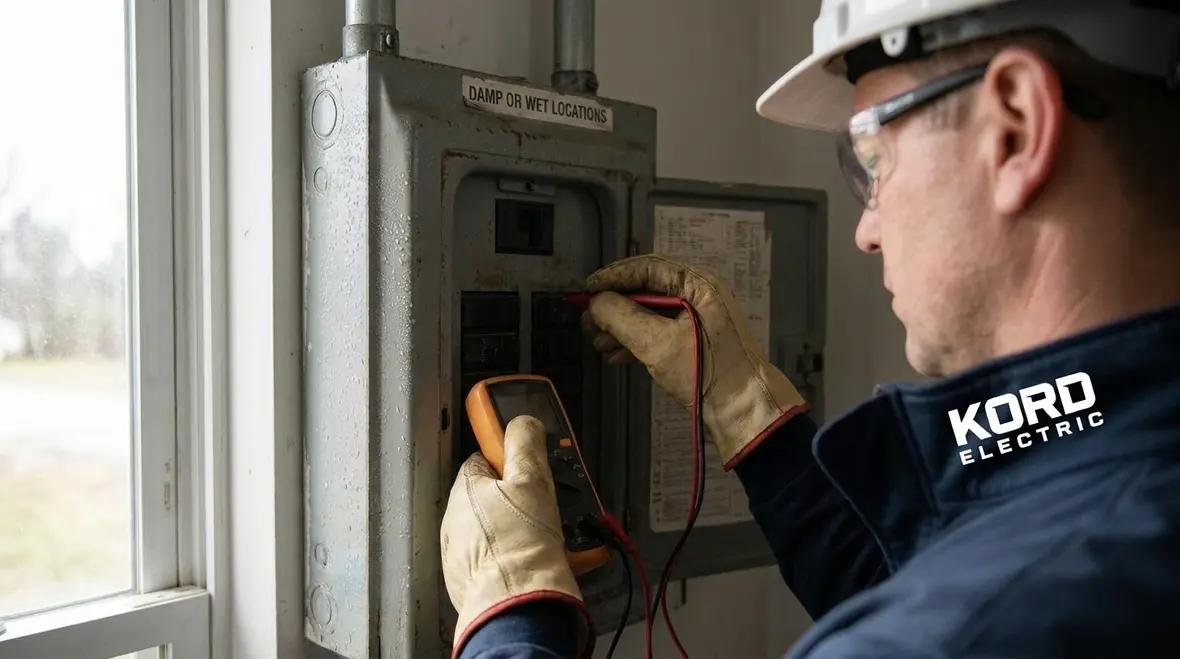
Moisture can affect both the fuse element and the surrounding hardware. If condensation forms inside an enclosure, contaminants can build. If water finds a path into a fuse compartment, it can create leakage paths or degrade insulation. Additionally, when the fuse finally has to operate, the device must interrupt the circuit correctly without turning the environment into a hazard.
Kord Electric service teams approach this with methodical checks. We verify how the enclosure sits, where water could collect, how ventilation behaves, and whether the barrier rating still fits the environment. Then we confirm the fuse type and holder arrangement match the risk. Others may swap parts fast, but we document what the system needs, then we install what the system requires.
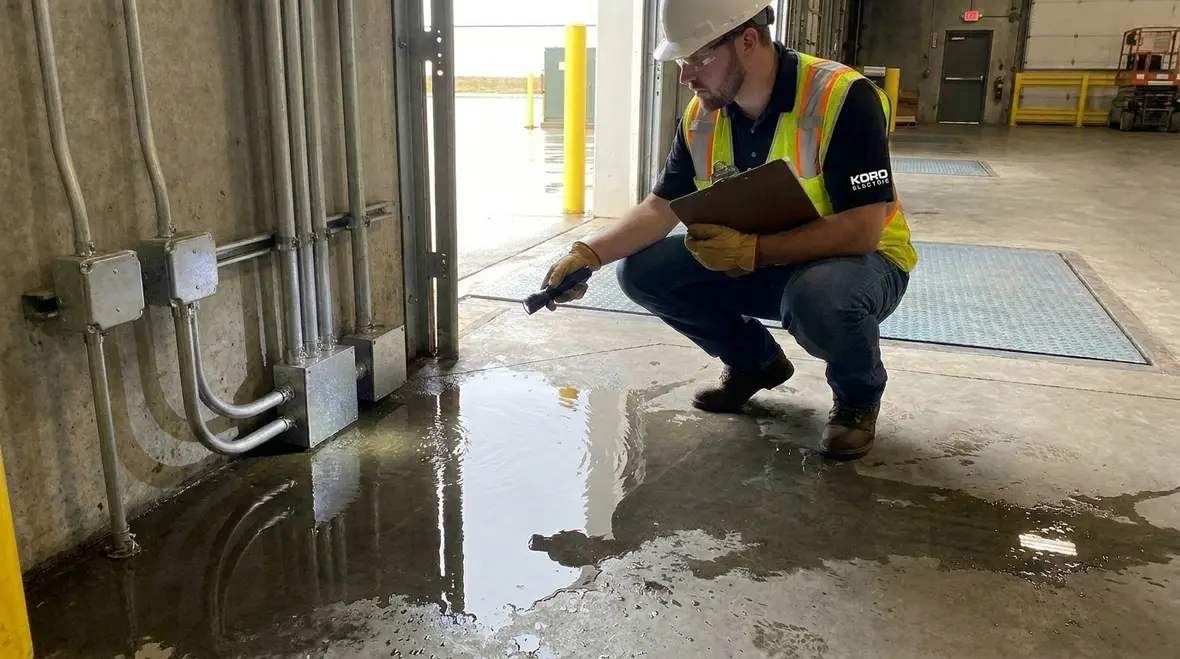
And if you think moisture only happens in the wild outdoors, a quick reality check: indoor dampness shows up too, especially in process areas, near loading docks, in utility rooms, and around wash down zones. Moisture loves these places because they stay busy.
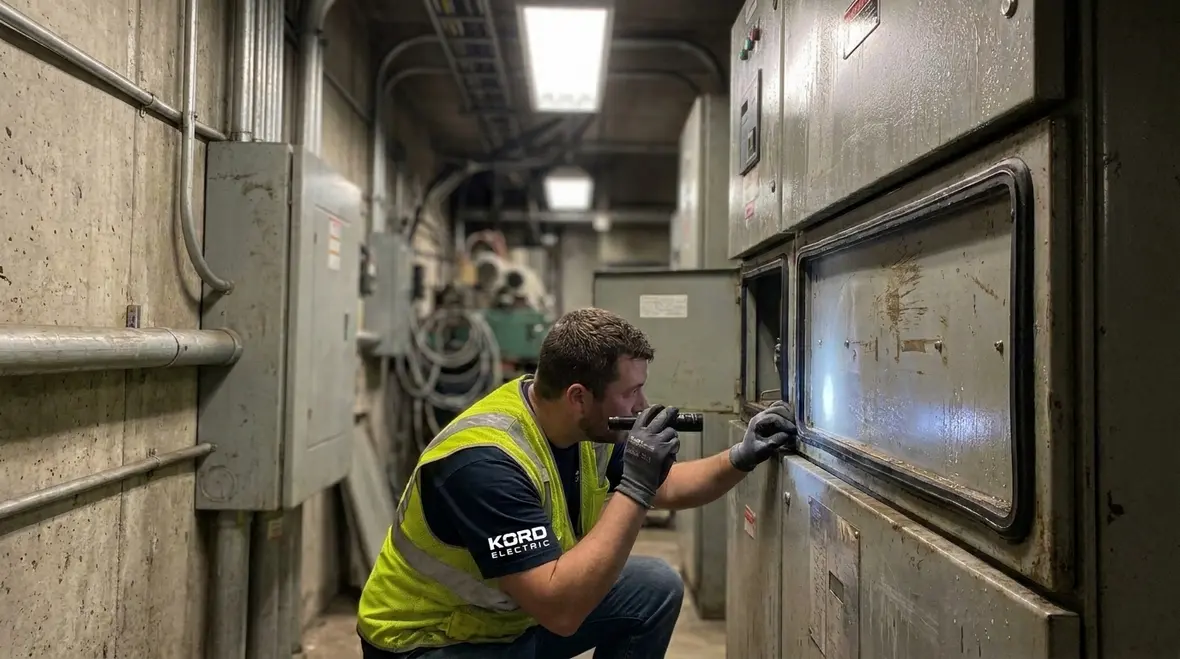
For facility leaders who want to see how this “suitable for the location” mindset fits into the broader National Electrical Code, Kord Electric’s guide Understanding NFPA 70: The National Electrical Code Explained for 2026 shows how overcurrent protection, environmental ratings, and installation details connect to everyday safety decisions in commercial and industrial buildings.
How to identify damp versus wet locations in real facilities
People often ask how a team decides whether a site is damp or wet. In practice, the decision comes from the building’s operating conditions and the location’s exposure pattern. Therefore, the question becomes: does moisture exist as condensation, does it occur intermittently, or does liquid water reach the equipment?
For major property buildings and industrial sites, this identification step usually comes from a combination of observations and facility documentation. Our expert service staff looks for sources such as cooling lines, steam, frequent cleaning, leaks, spray systems, drainage patterns, and HVAC condensation. Then we check how water could reach the equipment over time, including during storms, maintenance routines, or accidental discharge events.
Once the team identifies exposure, it can match the fuse system to the conditions. After that, the selection process becomes clearer. Instead of guessing, the facility uses the location facts. Then, it chooses fuses and enclosures that support safe operation under moisture exposure.
Choosing the right fuse and enclosure setup for moisture exposure
Section 240.32 does not treat the fuse like it floats in space. The fuse must work with its mounting, holder, and enclosure. Consequently, the correct solution usually involves the combination of fuse type, fuseholder rating, and the enclosure method.
In a commercial or industrial environment, the enclosure can matter as much as the fuse rating. A fuseholder installed in a location where water can enter the compartment can still create trouble, even if the fuse itself is labeled for high performance. Therefore, the entire assembly must remain appropriate for the damp or wet conditions.
Kord Electric technicians check details that often get missed in quick installs. For instance, they verify gasket integrity, door seals, and whether conduit entries allow moisture pathways. They also look at how the panel sits relative to water runoff. Then they confirm the fuseholder remains properly mounted and that components stay compatible with the system voltage and fault clearing requirements.
At this stage, it helps to remember a common “trial and error” habit. People sometimes think, “We will swap fuses until it stops nuisance issues.” That is like trying to fix a roof by replacing the shingles one at a time while ignoring the leak path. It might feel active, but it rarely solves the real cause.
Common failure points we see during service and troubleshooting
Our expert service staff handles issues across electrical distribution, panelboards, switchgear support, and industrial power systems. When moisture gets involved, several failure points show up again and again.
First, the system may use fuseholders that do not maintain moisture barriers. If the enclosure lacks adequate sealing or if maintenance work damaged seals, water can intrude. Second, facilities sometimes experience corrosion around fuse clips or terminals. Corrosion can increase contact resistance, produce heat, and lead to unreliable fuse operation.
Third, teams may overlook the difference between equipment that can survive short exposure and equipment that must survive continuous or direct wet exposure. In other words, the location classification affects the safety intent. If the installation does not match the classification, the protection plan becomes weaker.
Finally, there is the mismatch issue. A newer circuit may receive a fuse type that does not match the system design. While that mistake might not show up during normal operation, it can appear during fault clearing. In that moment, “close enough” becomes very expensive, very fast.
To help facilities prevent these issues, Kord Electric reviews the installation context. Then we recommend corrective action before the site pays for it with shutdowns.
Best practices Kord Electric recommends for NEC compliance and safer operation
Facilities do not need guesswork. They need a repeatable process. Therefore, our service staff follows a set of best practices for fuse systems in moisture-prone areas.
Verify the location exposure by checking real conditions, maintenance practices, and known sources of moisture.
Confirm the fuse system assembly including fuse type, holder compatibility, and enclosure method, so the whole setup suits the environment.
Inspect seals, gaskets, and conduit entries because moisture often travels through small openings like it has all day.
Review labeling and documentation so the facility can match installed components with the design intent.
Schedule service before failure so corrosion, loose connections, or enclosure damage gets addressed early.
Additionally, Kord Electric supports compliance planning for commercial and industrial facilities that need safe, predictable systems. We also align our work with the broader NEC approach described by reputable references like those published by Kord Fire and fire pump organizations that focus on safety-driven electrical practices. The common theme is simple: safety depends on correct selections and correct installations, not improvisation.
Moisture condition |
What our team checks |
Damp exposure |
Condensation patterns, enclosure integrity, and signs of corrosion near fuse compartments |
Wet exposure |
Potential for liquid water entry, barrier effectiveness, and whether sealing matches the exposure level |
Understanding the bigger NEC framework around circuit protection
Section 240.32 lives inside a larger safety mindset. The NEC aims to prevent hazards and maintain dependable fault clearing, and circuit protection plays a central role. Therefore, fuse selection in damp or wet locations cannot be treated as isolated trivia.
In many commercial and industrial buildings, the fuse system links to feeders, control circuits, and upstream distribution. When moisture affects fuse operation, it can influence how quickly protection clears faults and how safely the circuit transitions during abnormal events. Consequently, the team must treat compliance as part of the system design.
That is also why expert guidance matters. The NEC can feel like a long hallway of rules, and people sometimes wander without a flashlight. Our technicians bring that flashlight. They walk through the requirements, explain what they mean for the specific installation, and help facilities make informed upgrades. We do this because the end goal is straightforward: equipment should operate safely and predictably, even when conditions get tough.
For many facilities, this also connects to a broader strategy that includes code upgrade consulting, surge protection planning, and distribution design. Those decisions often tie back to the same National Electrical Code principles that govern NEC fuses damp wet locations usage, so aligning them creates a more resilient electrical system overall.
FAQ
Conclusion and next step with Kord Electric
Moisture does not ask permission, and it does not care what the label says. Under NFPA 70 Section 240.32, we must ensure fuses in damp or wet locations use equipment that fits the exposure, including the fuse system assembly. Kord Electric helps commercial and industrial facilities confirm the right setup, inspect sealing and mounting details, and correct mismatches before faults become downtime. If a damp area exists on your site, contact us and we will review the installation with our technicians and expert service staff. Then you can run with confidence, not guesswork.
For facilities across Southern California and similar jurisdictions, this often fits into a broader strategy that includes panel upgrades, distribution improvements, and targeted work under services like Los Angeles County electrical services. Aligning these efforts around moisture-prone locations and NEC circuit protection requirements helps keep the entire system safer and more predictable.


