NEC Piping Structural Metal Bonding in NFPA 70 250.104
When a commercial or industrial facility runs electrical power through metal piping and exposed structural metal, we do not treat grounding as a “good idea.” We treat it as a job that must hold up under code and under real life. That is why Kord Electric approaches NFPA 70 Section 250.104 with steady focus, especially for NEC piping structural metal bonding where people expect safety and nobody wants surprises. Our technicians and expert service staff explain what matters, why it matters, and how we verify it in the field. And yes, we know grounding can sound as thrilling as watching paint dry, but in the electrical world, paint drying is actually the goal.
In this article, we explain how Section 250.104 applies, what we check on site, and how proper bonding protects people, equipment, and operations. We also share the practical steps we take in commercial and industrial settings, including major property buildings, where downtime gets expensive fast.
NFPA 70 250.104 in plain business terms
Section 250.104 addresses the bonding required for piping and exposed structural metal. In other words, it tells us when metal parts must connect electrically so the system can control voltage and help protective devices do their job. Consequently, we reduce the risk that stray voltage, fault current, or lightning related surges create dangerous conditions.
Just as importantly, we prevent metal parts from becoming isolated islands. When piping and exposed structural members lack proper bonding, they can float to unexpected potential during normal operation or faults. Then, if someone touches multiple metal surfaces, current paths can form in ways that no one intended. Therefore, code bonding aims to keep metal at known electrical potential.
At Kord Electric, we use this section to guide field decisions, and we review the site details before we tighten a single lug. Our technicians explain the logic to the facility team, because a grounded system still needs good communication. In fact, we often tell property managers that bonding is like a good team. Everyone must connect, or one person ends up holding the whole mess.

Where we apply NEC piping structural metal bonding rules
We encounter these requirements most often in commercial and industrial facilities with metal plumbing lines, metal raceways, HVAC equipment that ties into structural metal, and steel framed buildings with exposed metal that can conduct. Furthermore, the code focuses on “exposed structural metal” that is likely to become energized or contact other conductive parts.
So, what does that mean on real jobs? It means we look at the building steel, the metal framing elements, and the metal components that people can access. Then we check the piping systems that enter and connect across electrical areas. Finally, we confirm that bonding jumpers, grounding conductors, and connection methods provide a secure low impedance path.
Because construction details vary by project, we do not assume. Instead, we inspect routing, connection points, and what the drawings actually show versus what the field delivers. Then we document our findings so the facility team understands the why, not just the what.

What we bond and why bonding keeps faults under control
Faults happen. Equipment fails, insulation ages, and contractors sometimes change routing during construction. However, when bonding gets done correctly, we help ensure that faults drive protective devices like breakers or fuses toward operation. Also, we limit the voltage that other metal parts can reach.
In practice, we bond piping and exposed structural metal so these parts connect to the grounding system. As a result, when a fault occurs, current finds an intentional path, and the protective device trips. Meanwhile, the facility occupants and maintenance staff face less risk from unintended current through metal surfaces.
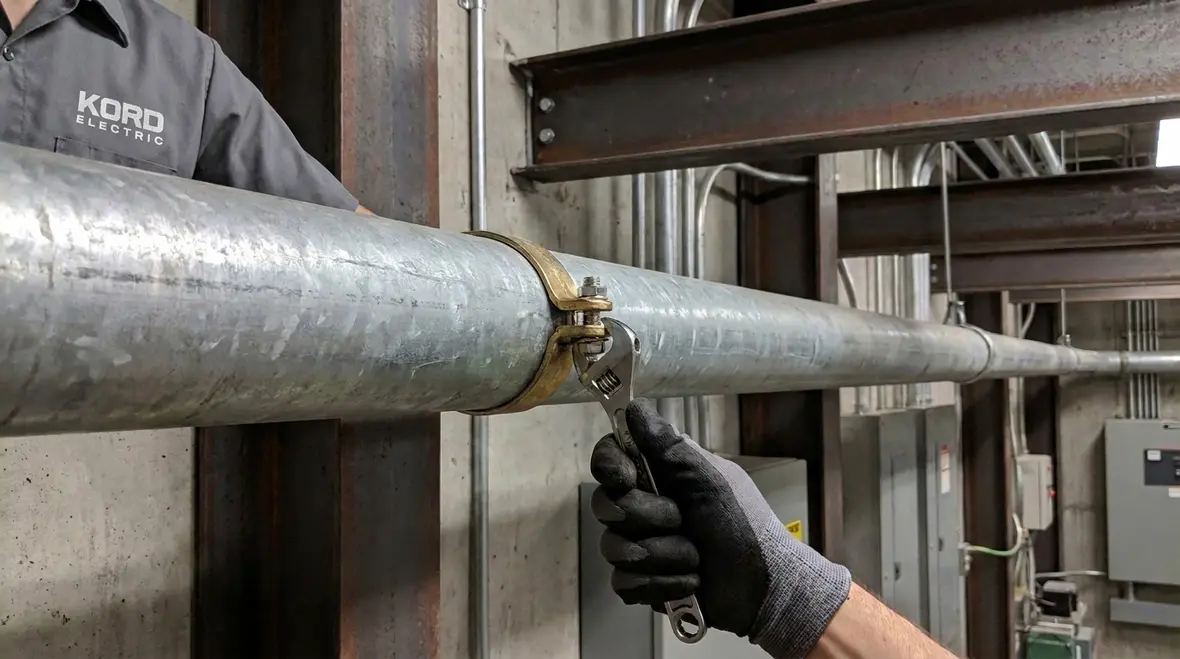
Now, some people hear “bonding” and think it simply means “attach wires.” Not so. We follow the installation rules for conductor sizing, termination, and connection integrity. Moreover, we make sure the connections remain durable over time and do not loosen due to vibration, heat cycles, or corrosion.
Our expert service staff often explains it like this: bonding is the difference between a planned route for emergency traffic and a surprise detour that nobody can control. And yes, emergency detours have a bad habit of making everyone late.

How bonding supports NEC and NFPA 70 compliance
Every time we design or upgrade a bonding scheme, we treat NFPA 70 as the operating playbook, not just a stack of rules on a shelf. Section 250.104 lives inside that broader NEC structure, right alongside requirements for equipment grounding, service bonding, and fault current paths. For facility teams that want a bigger picture of how all those pieces connect, resources like the Kord Fire overview on NFPA 70 and the National Electrical Code pair well with our in-field explanations.
We regularly walk owners and property managers through how bonding ties into breaker selection, conductor sizing, and even choices around surge protection and backup power. When people see bonding not as a separate task, but as a structural part of NEC compliance, decisions about upgrades, renovations, and new construction get clearer. That is also where we connect this topic to larger NEC scope guidance such as the principles described in our own 2026 NEC application resources.
How we verify bonding points during installation
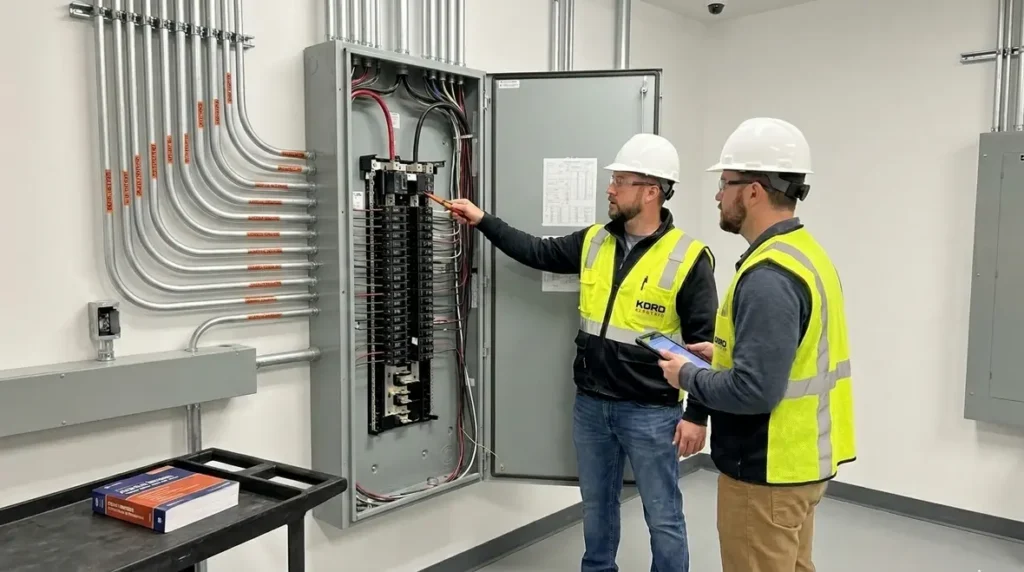
To deliver NEC piping structural metal bonding correctly, we use a methodical verification approach. First, our technicians identify the applicable metal piping systems and the exposed structural metal areas that fall under the bonding scope. Next, we confirm the grounding electrode system and bonding backbone that the facility already uses.
Then, we verify connection quality at every bonding point. We check that bonding jumpers connect to the right metal, with proper terminations that allow secure contact. We also review conductor routing so it stays protected, avoids sharp edges, and does not create stress at terminations.
After that, we confirm continuity and electrical connection integrity with field testing procedures consistent with good practice. Finally, we document and label the installed bonding connections so later maintenance does not accidentally undo safety.
This verification sequence matters even more in major property buildings where multiple trades work in the same spaces. Coordinating electrical, plumbing, fire protection, and structural elements can feel like hosting a TV reunion where everyone brings different stories. So, we keep it grounded with clear records and site walkthroughs.
Documentation that saves time when codes or equipment change
Clear bonding documentation does more than satisfy an inspection checklist. When the NEC updates, equipment gets replaced, or a renovation changes how space is used, records of existing bonding paths help us adapt quickly. Instead of guessing where a structural element ties into the grounding system, we can see it in labeled photos, as-built diagrams, and past test results. That speeds up decision making and cuts down on invasive exploratory work in finished spaces.
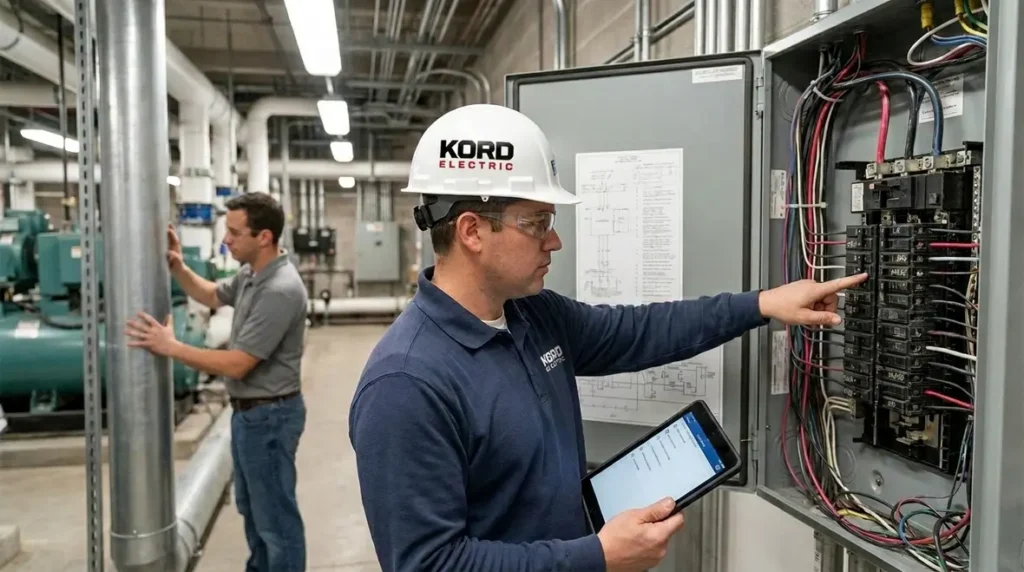
Our teams often pair bonding verification with broader electrical assessments, including load testing, thermal scans, and panel inspections. That approach mirrors the way we plan larger system work in guides like Kord Electric’s electrical infrastructure upgrade and commercial fire prevention content, where bonding, grounding, and protective coordination all show up as part of the same safety picture.
Common field mistakes we help commercial teams avoid
In commercial and industrial facilities, we often see a few repeating issues that reduce bonding effectiveness. For example, teams sometimes rely on painted metal connections, or they assume steel beams automatically provide electrical continuity. However, paint, corrosion, and joint design can break the electrical path. Therefore, we do not treat structural metal as a “free conductor” without verification.
Another common mistake involves missing bonding at transition points where piping changes direction, crosses building sections, or passes through walls. Additionally, teams sometimes under size bonding jumpers, which can increase impedance and reduce fault performance. Also, if a bonding connection uses a method that loosens over time, the system may drift out of compliance.
We also see confusion around when piping systems need bonding versus when other conductive parts might already connect through another path. Thus, our technicians explain each decision and show the physical connection on site. We keep this clear, because facility engineers and electricians need confidence, not guesswork.
And just to lighten the mood, we remind people that “close enough” does not trip breakers. “Close enough” also does not protect people. Code does. Proper bonding does.
How better bonding design prevents rework
The easiest bonding mistakes to fix are the ones we prevent during design and preconstruction. We work with design teams to call out specific bonding jumpers, identify high-risk transition points, and clarify how NEC piping structural metal bonding interacts with other systems. When that planning step mirrors the deeper NEC context from resources like Kord Electric’s 2026 NEC application guide, the installed work lines up with both the drawings and the inspector’s expectations.
By approaching bonding this way, we reduce ugly surprises late in the project, such as inaccessible connection points, undersized jumpers, or assumptions that cannot pass inspection. Facilities get what they need the first time, and project teams avoid the kind of last-minute corrections that chew through contingency budgets.
Coordination with broader code goals and facility safety systems
Bonding does not live alone. It connects to the broader goals of NEC safety practices for commercial spaces, including equipment grounding, system bonding, and fault protection strategies. When we handle NEC piping structural metal bonding, we also align with how the facility handles grounding electrode connections, service bonding, and overall wiring methods.
In many projects, electrical systems share space and responsibilities with fire protection systems and water based infrastructure. Therefore, we coordinate with other trades so bonding decisions support the entire building safety plan. For teams that consult fire protection professionals, understanding the electrical code structure helps reduce conflicts during inspections and testing.
Kord Electric supports these objectives while staying focused on commercial and industrial facilities and major property buildings. We do not spread ourselves thin chasing small jobs that do not need a dedicated team. Instead, we bring our expert service staff mindset to the places where the stakes are high.
For clients who also want deeper understanding of NFPA 70 and how code concepts fit together, we reference resources like our Kord Electric blog and the educational materials on Kordfire sites. When you build a system with correct bonding and aligned safety goals, you create fewer issues during commissioning, fewer surprises in the field, and fewer headaches at inspection time. And nobody wants inspection day to feel like a cliffhanger episode.
Planning bonding as part of full-system electrical design
Our design and construction projects treat bonding like a structural element of the electrical system, right alongside load calculations, panel layouts, and backup power strategies. When we build power distribution plans for commercial properties, bonding decisions show up early: in how we route feeders, how we detail connections to structural steel, and how we support life safety systems that rely on predictable fault clearing.
That same integrated approach appears across our other design-focused resources, such as Kord Electric’s data-driven electrical design and building electrical system planning guides. Each one reinforces the idea that when bonding, grounding, and protective coordination share a strategy, facilities end up with systems that behave well under both everyday loads and worst-case faults.
FAQ on NEC piping structural metal bonding and NFPA 70 Section 250.104
Final takeaway for facility teams
NFPA 70 Section 250.104 protects people and equipment by requiring proper bonding of metal piping and exposed structural metal. When we install NEC piping structural metal bonding correctly, we help protective devices operate as intended and we reduce dangerous voltage conditions. Our technicians and expert service staff work with your facility team, verify connection integrity in the field, and document results you can trust. If you are planning upgrades, commissioning, or correcting bonding gaps in a commercial or industrial building, reach out to Kord Electric. We will bring calm, code aligned execution to the work.
For facility owners and managers who want to connect this work to the bigger code picture, you can explore related NEC resources such as Kord Electric’s guide on understanding the National Electrical Code for 2026, as well as articles that break down how NFPA 70 shapes real projects. When it is time to turn planning into action, our Los Angeles County electrical services for commercial and industrial facilities bring that same mindset on site, from bonding details to full system design and upgrades.